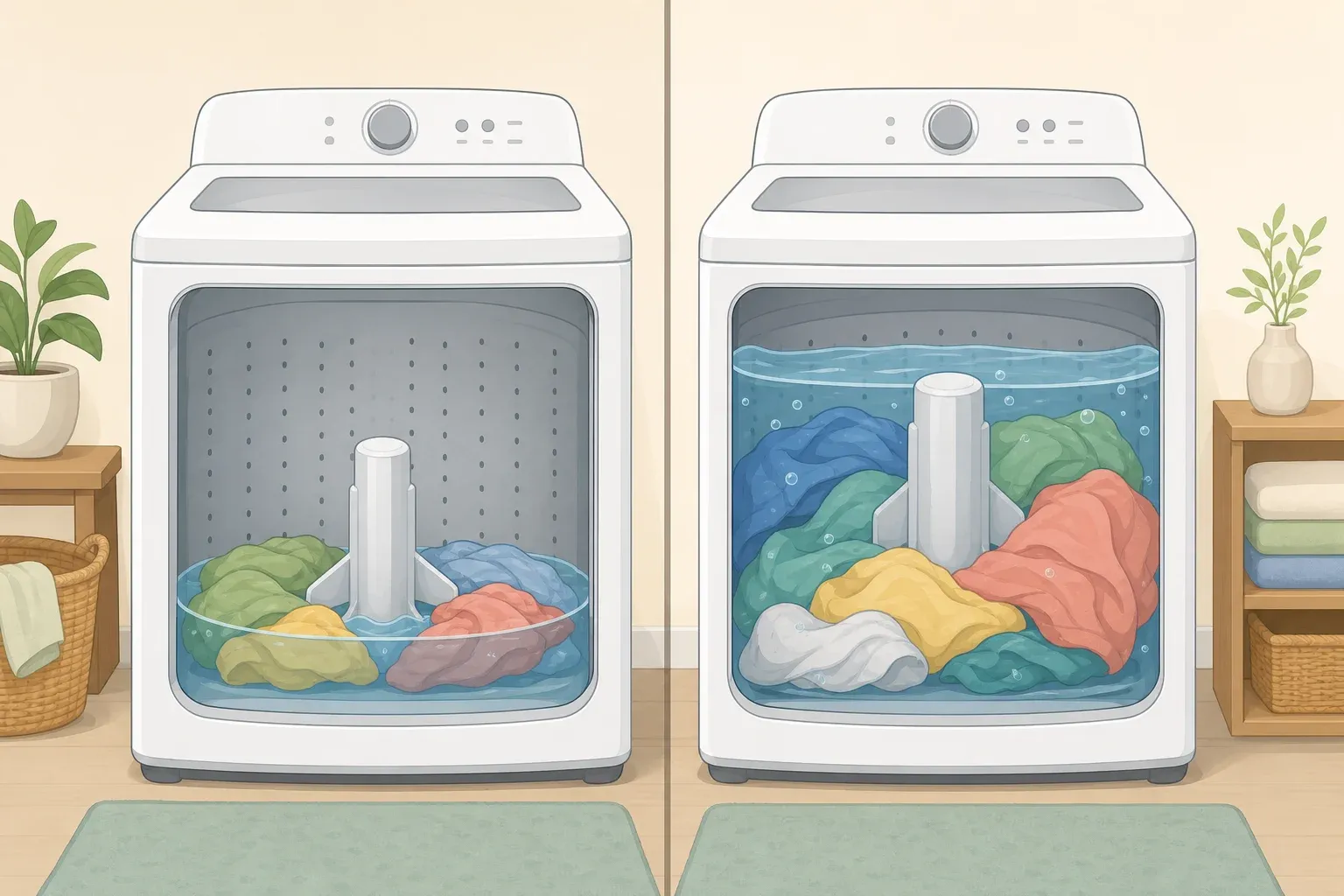
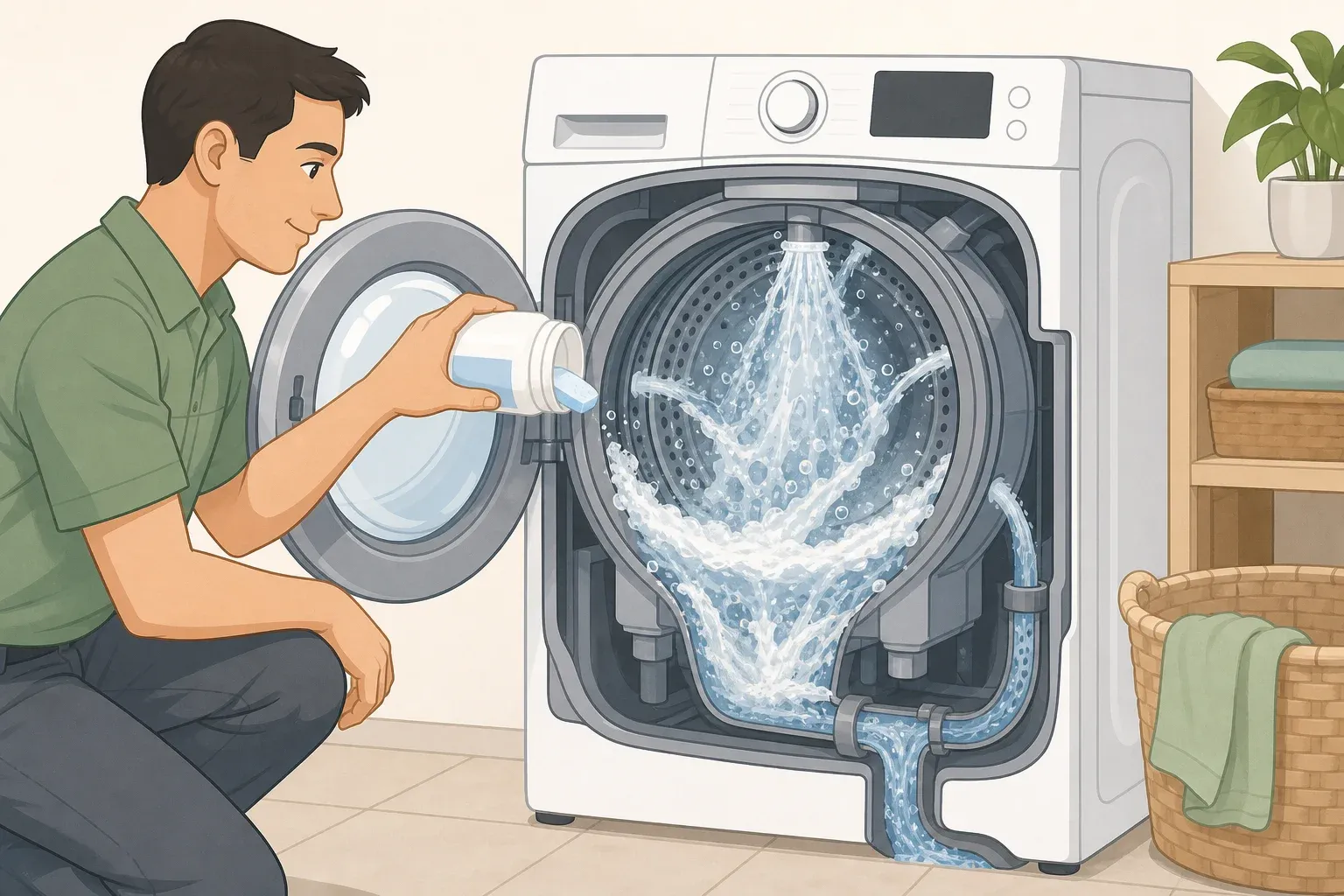
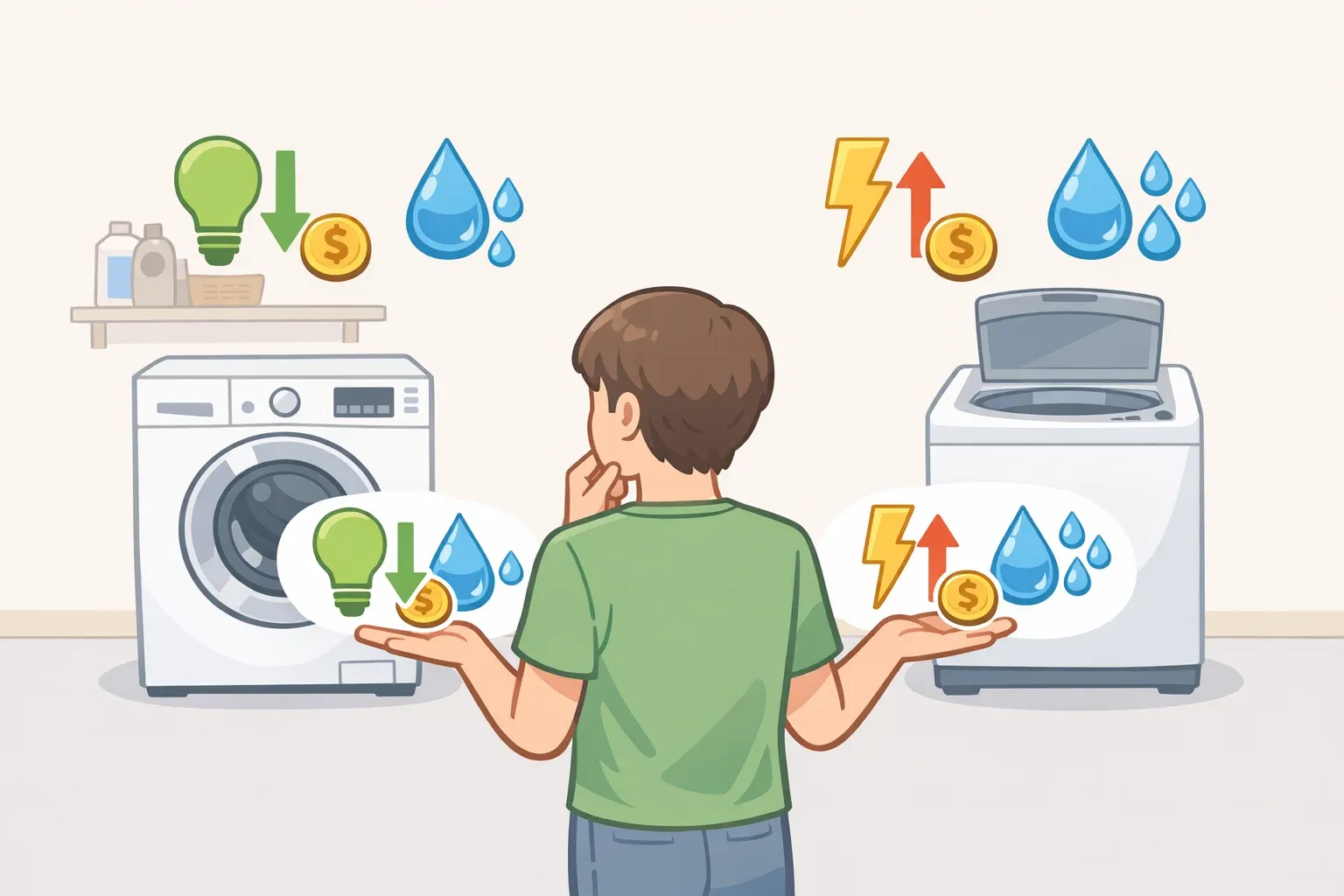
That "Self Clean" or "Clean Washer" button on the control panel doesn't run itself. So how does a washing machine self-cleaning feature work in practice? On most machines, it's a separate wash cycle you start on purpose, on an empty tub, using a larger volume of water and a cleaning product, to flush out the detergent film and soil residue that regular laundry loads leave behind.
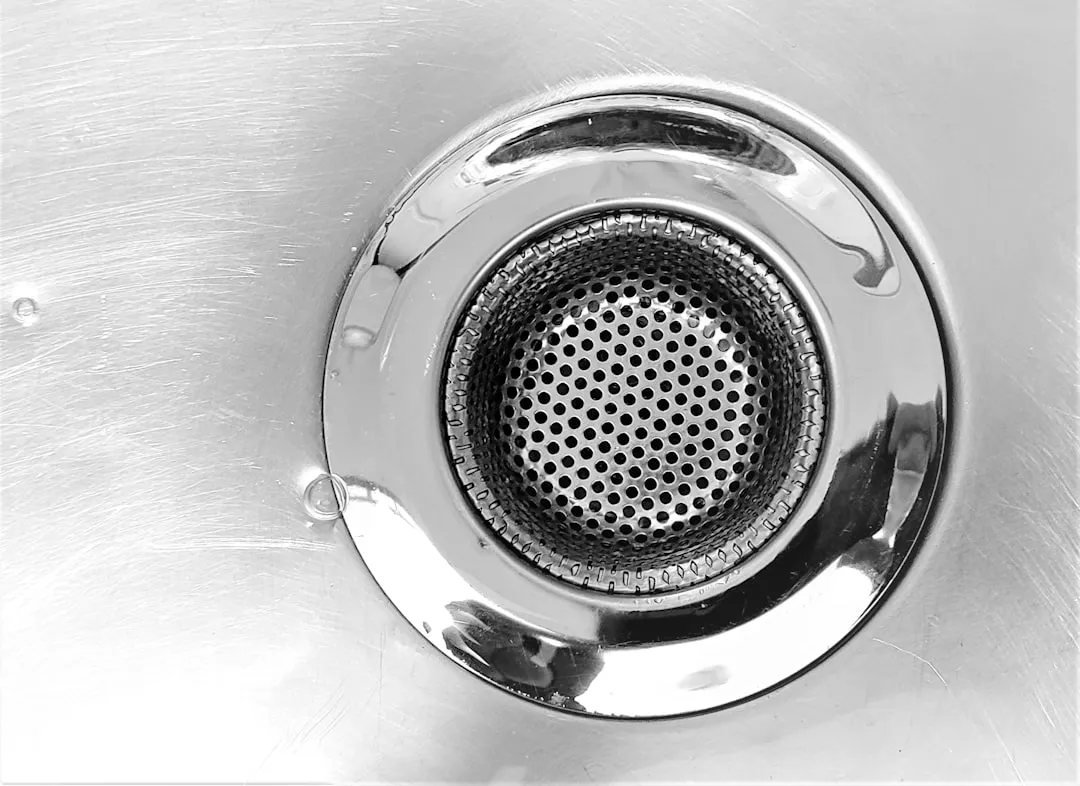
An American home cook scrapes half a plate into a whirring disposal without a second thought. In many European kitchens, that same scrap goes into a small caddy sitting next to the sink instead. Why don’t European kitchens have garbage disposals the way American ones do? Mostly because each place grew up around a different plumbing setup, waste policy, and collection service, not because of one law or one national preference.
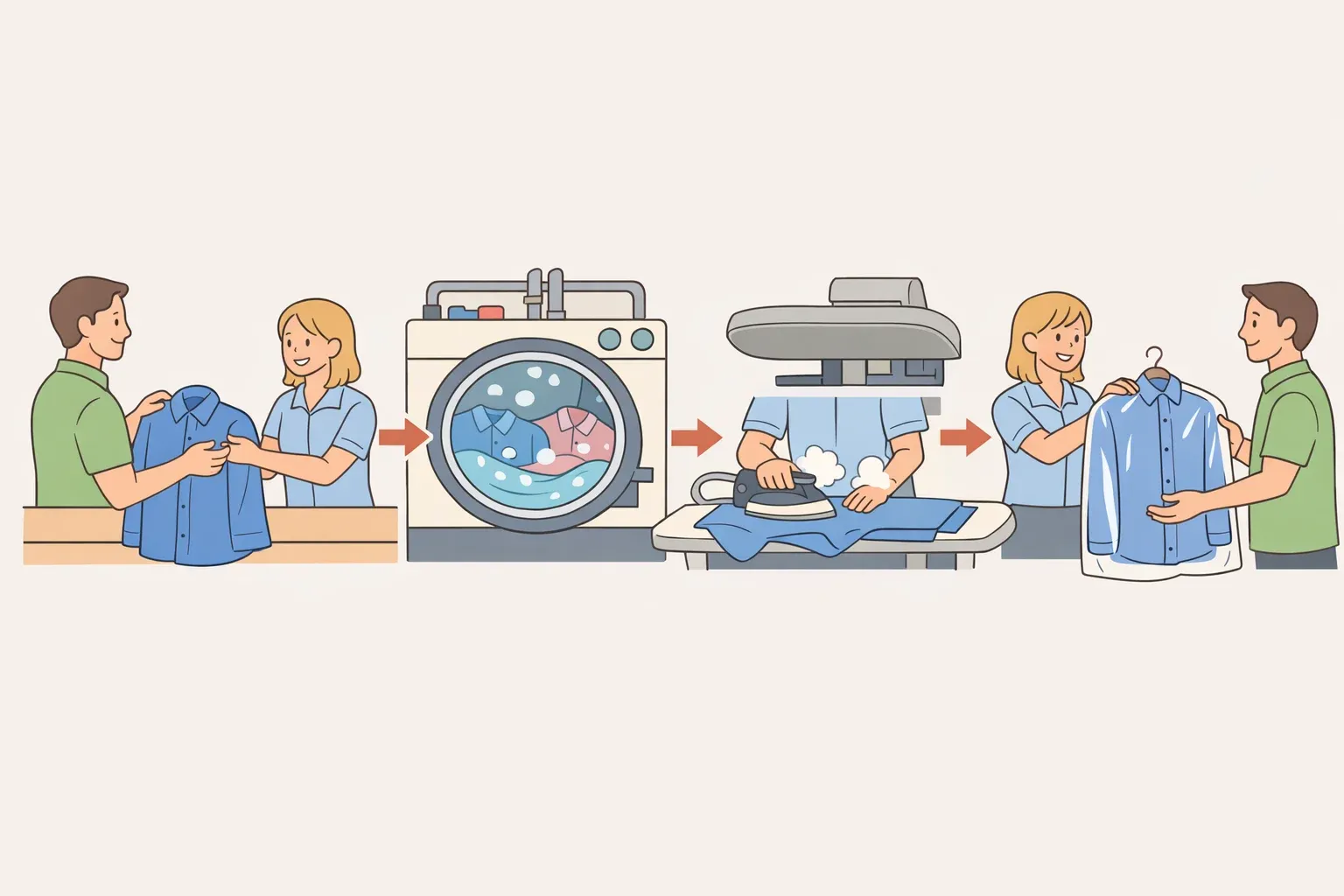
Clothes sent for dry cleaning don't stay dry. They're submerged in a liquid chemical solvent, not run through some waterless chamber. So how does dry cleaning work, exactly? The name only refers to the absence of water, not the absence of liquid entirely.
When one partner has to notice a task, plan how to handle it, and hand off a piece of it before the other person can "help," the planning load hasn't actually been shared. Asking "What can I help with?" sounds cooperative, but it assumes someone else already did the noticing and the deciding. The person who asks stays the assistant. The person who gets asked stays the manager, still carrying everything except the one step that just got handed off.
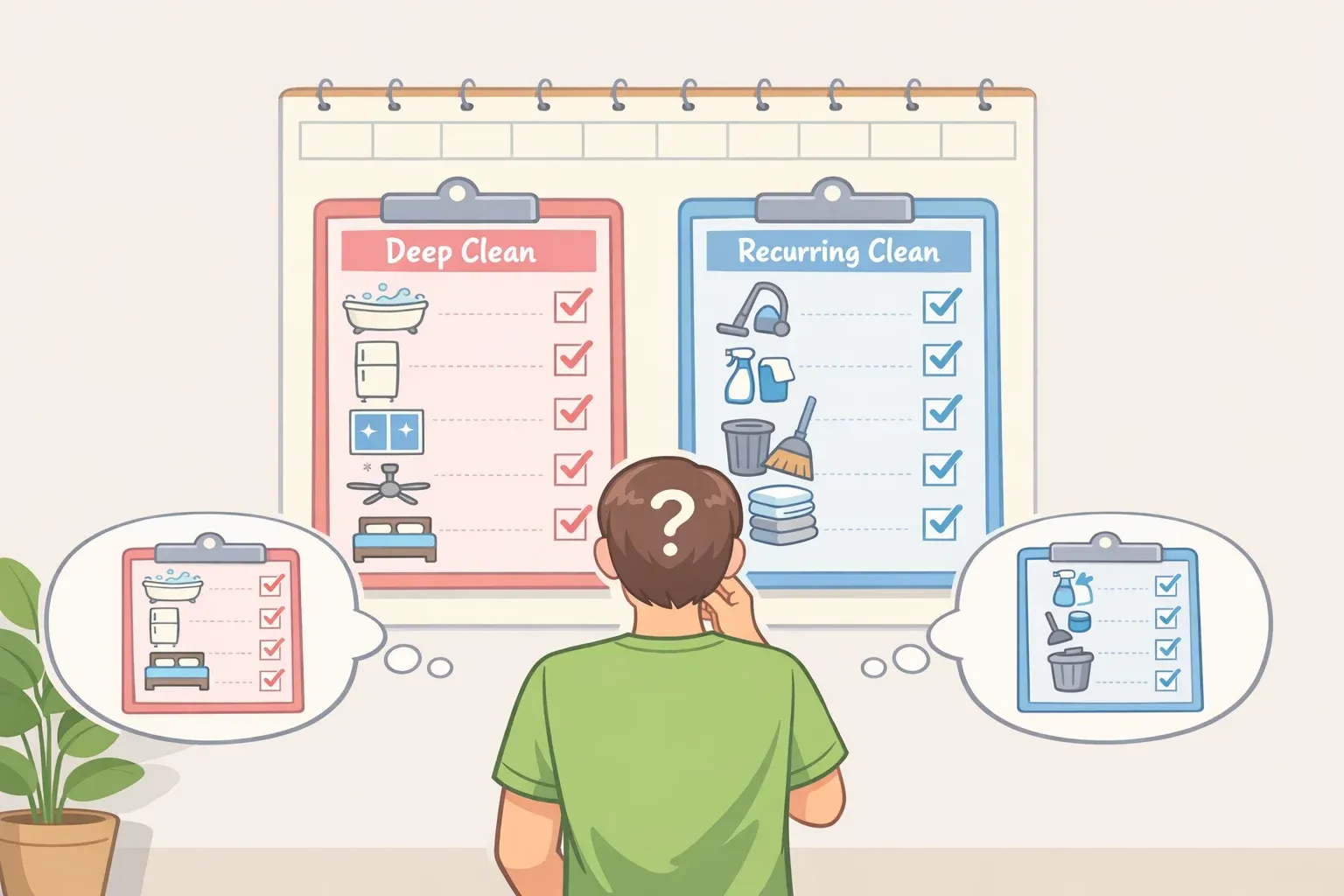
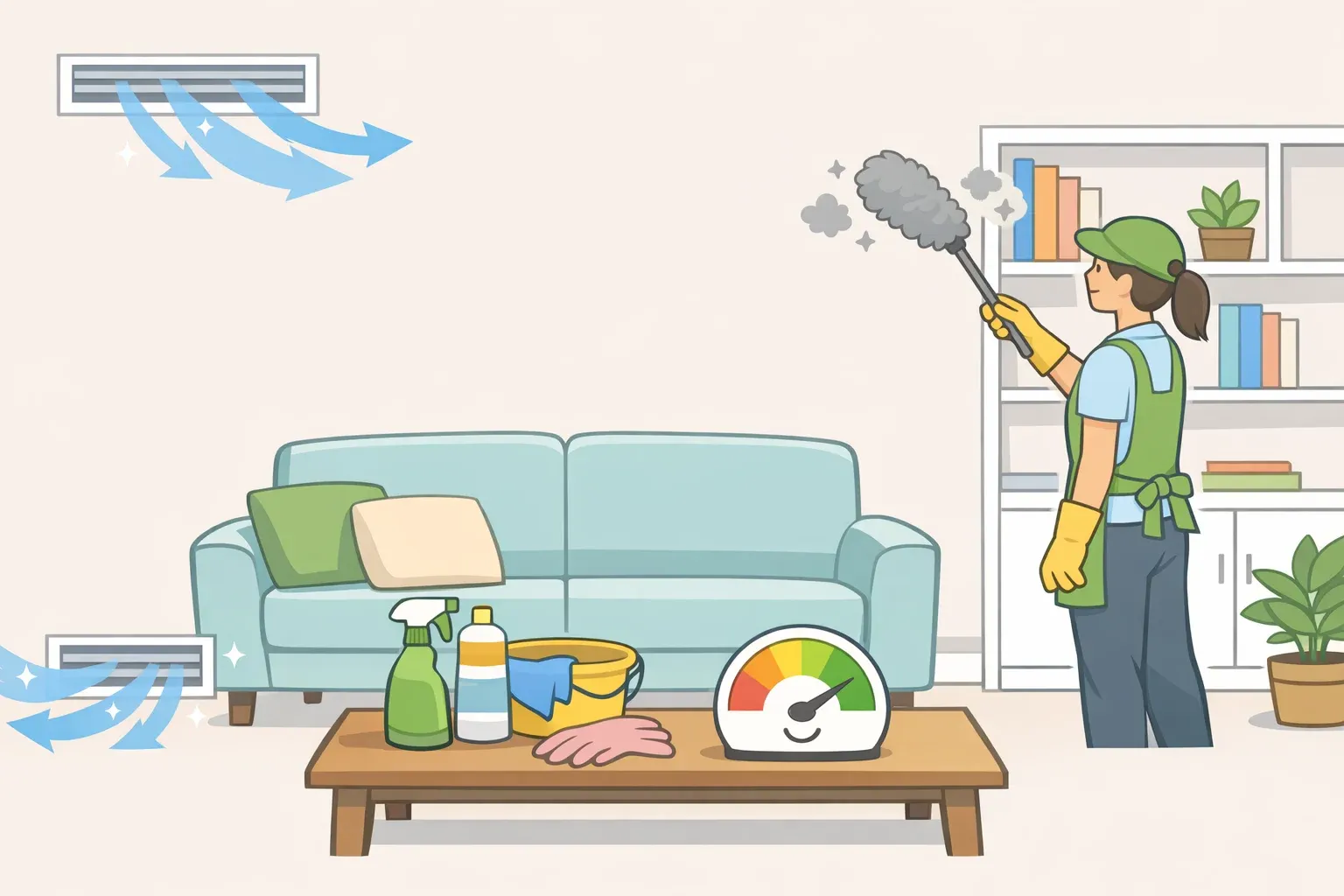
The question of deep cleaning vs recurring cleaning in Allen, TX, sounds like a choice between two competing services. It isn't. The real decision is narrower: stick with the current recurring cadence, move the next deep clean up on the calendar, or change what the service actually covers.
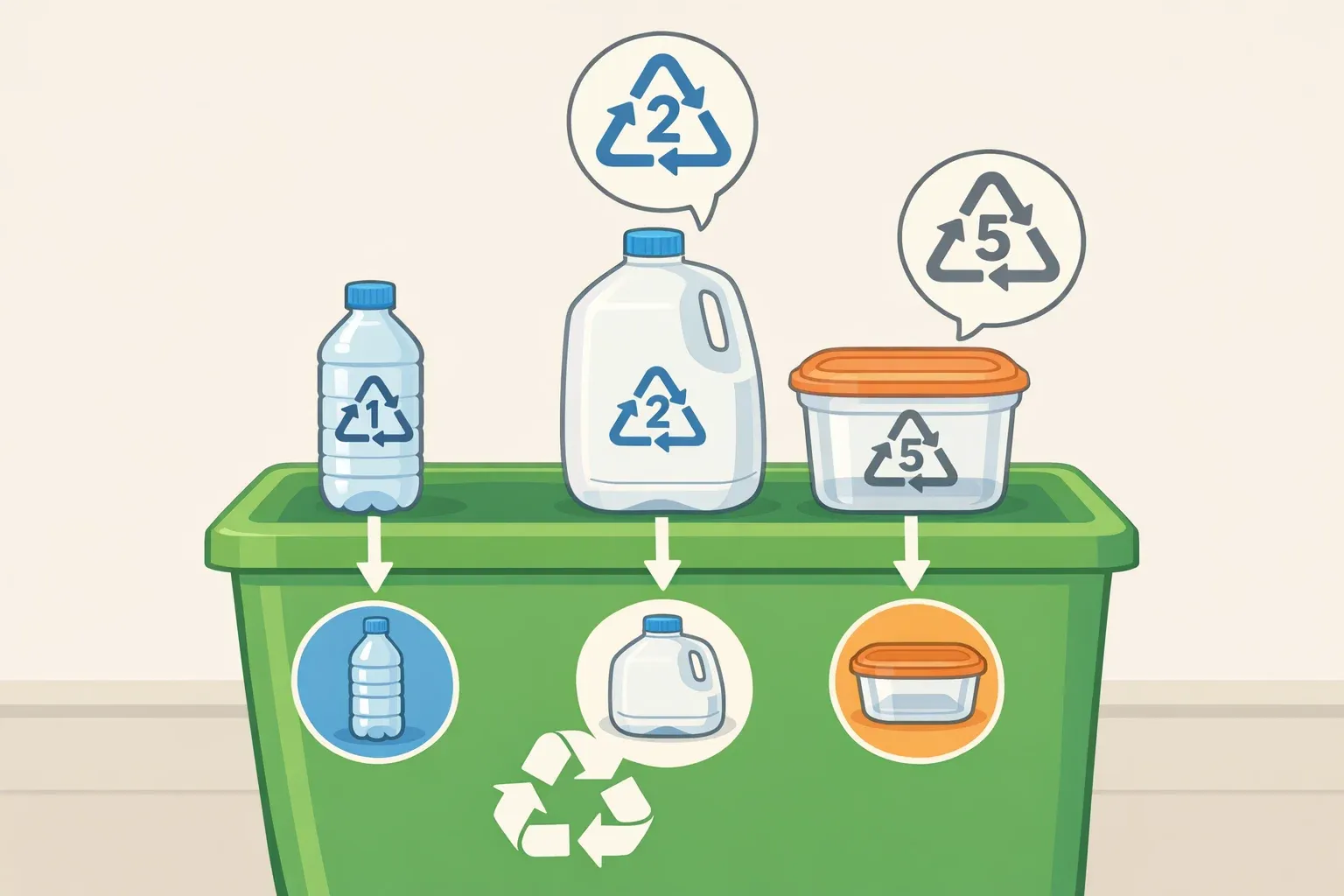
The triangle stamped into the bottom of a yogurt cup or a laundry detergent bottle looks official, almost like a seal of approval. It isn't. To understand what recycling symbols on plastic containers mean, start by treating the triangle as a material label, not a recycling guarantee.
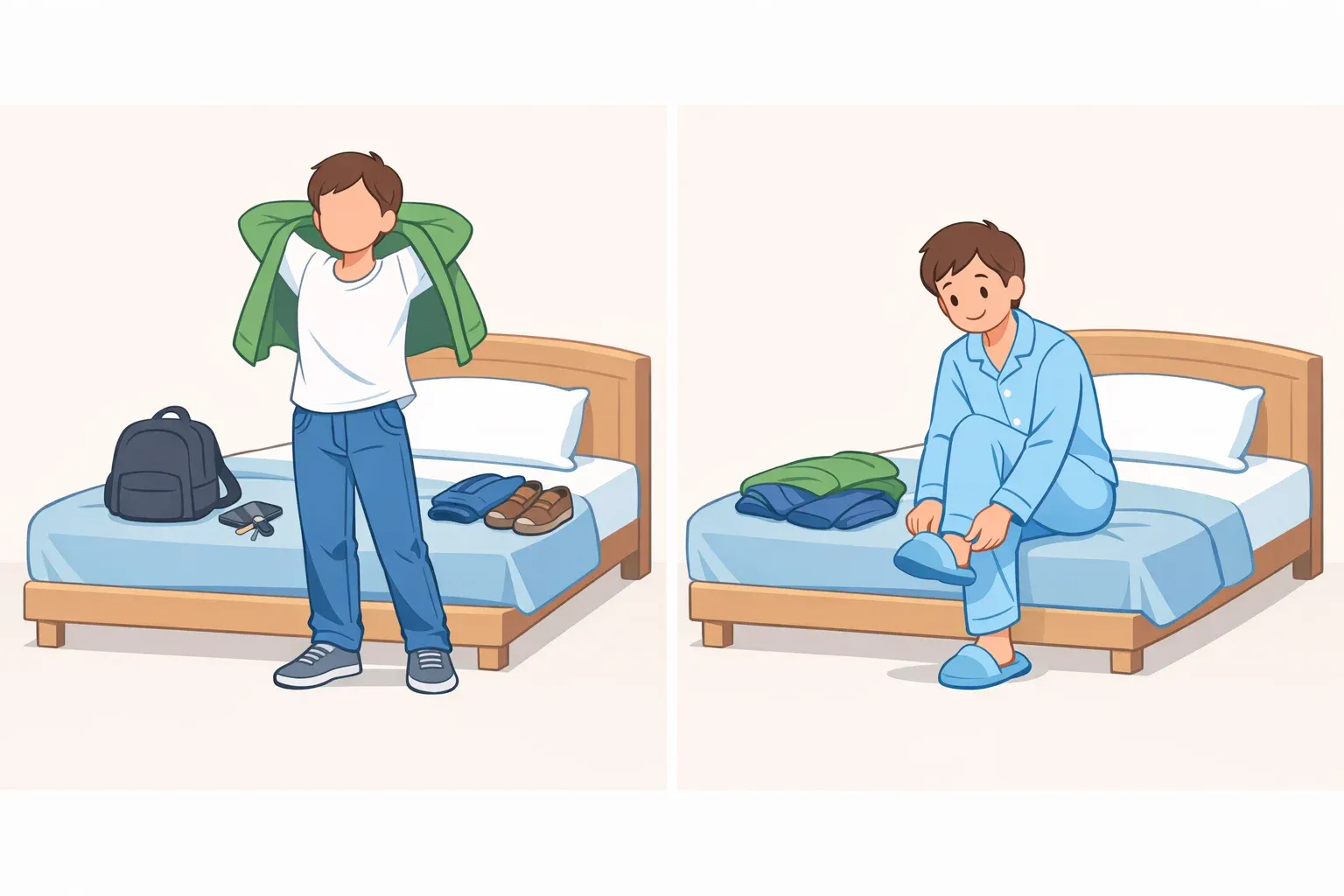
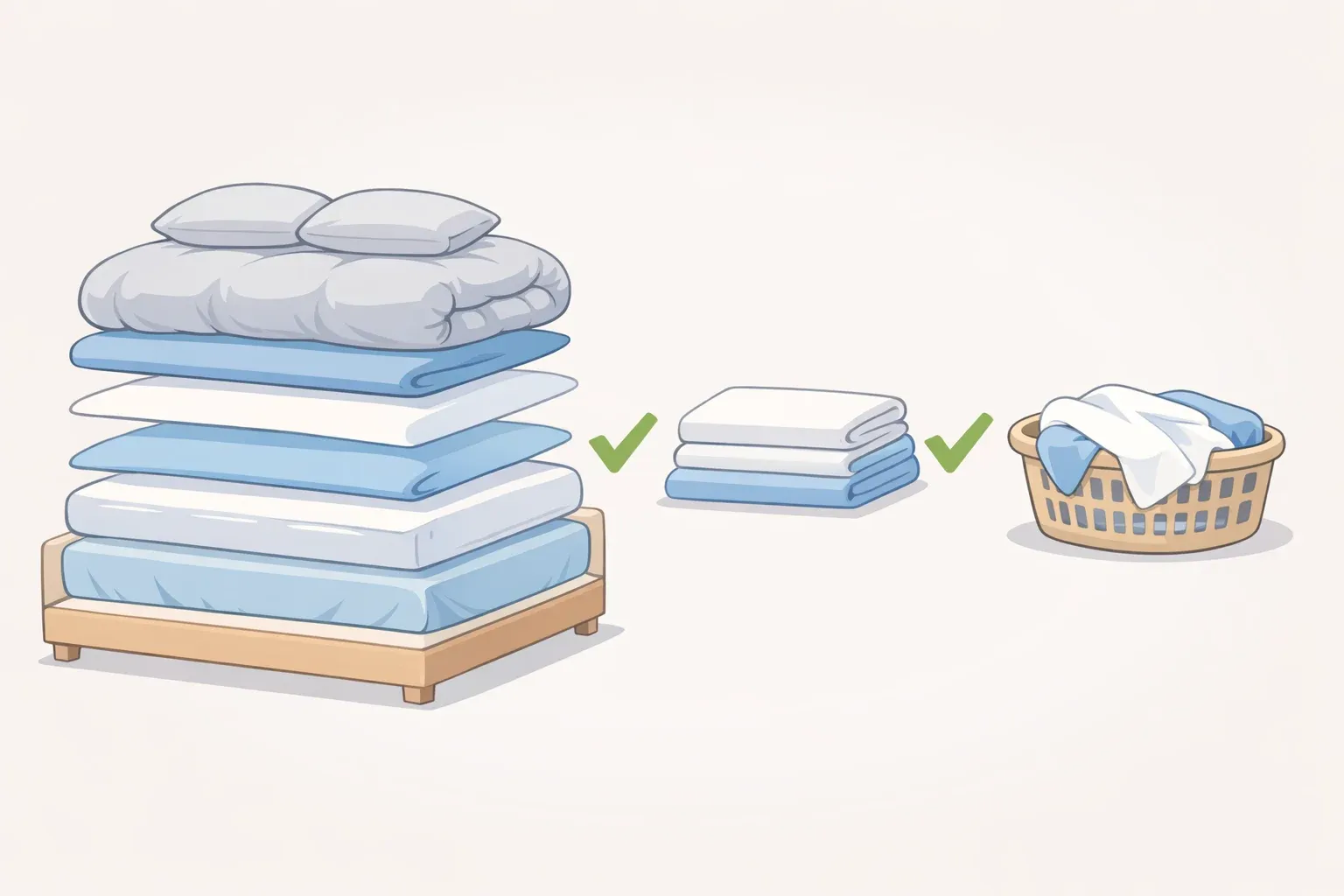
Is it bad to wear outside clothes in bed? Probably not in any dramatic sense, but that framing leads to the wrong conclusion. The better question is which clothes, from which places, are worth changing out of before you climb under the covers. The answer is more specific than "always" or "never," and considerably more useful than either.
Most decluttering methods ask one question: does this fit your life? Swedish death cleaning, known in Swedish as döstädning, asks a second one: what does owning this cost the people you leave behind?
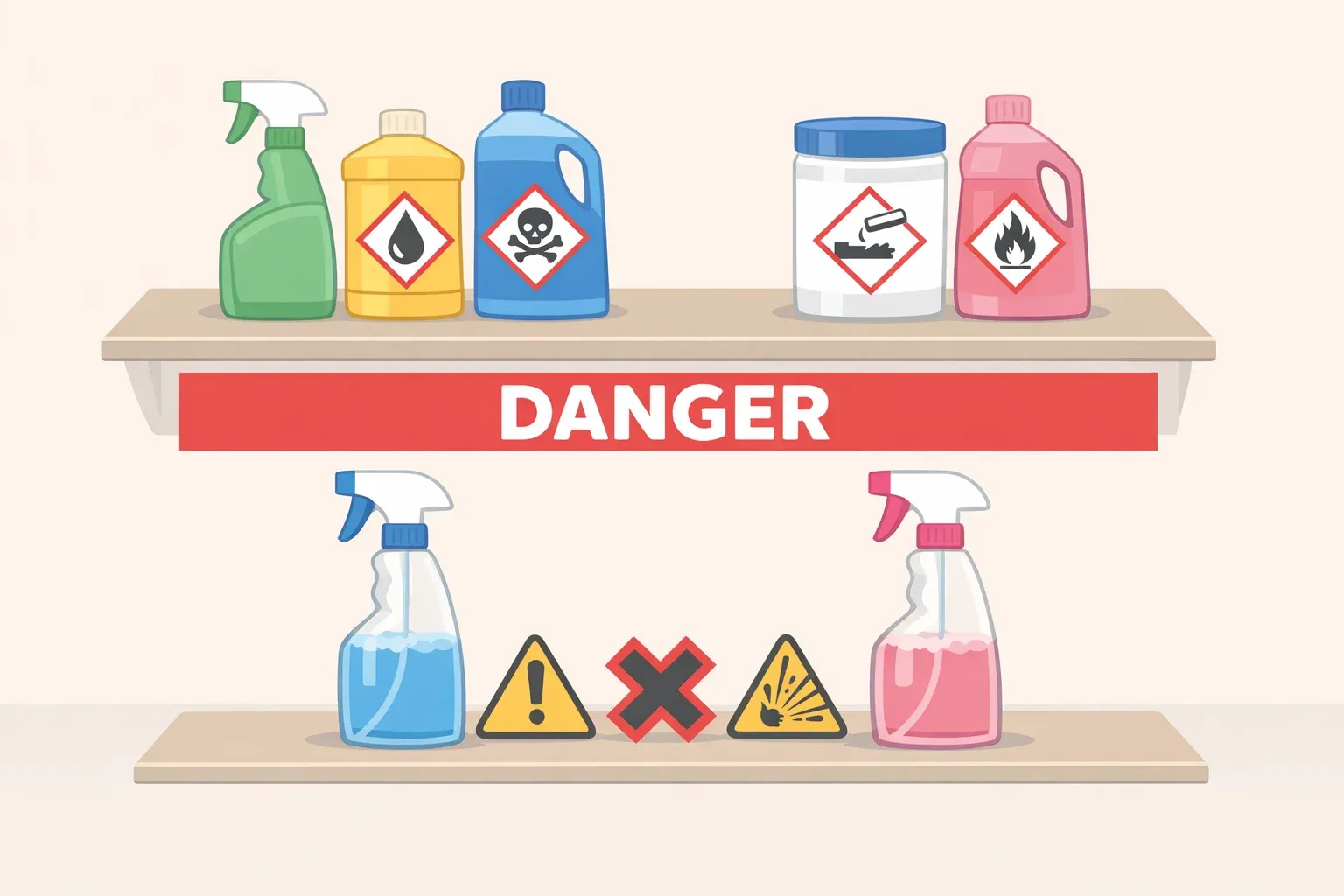
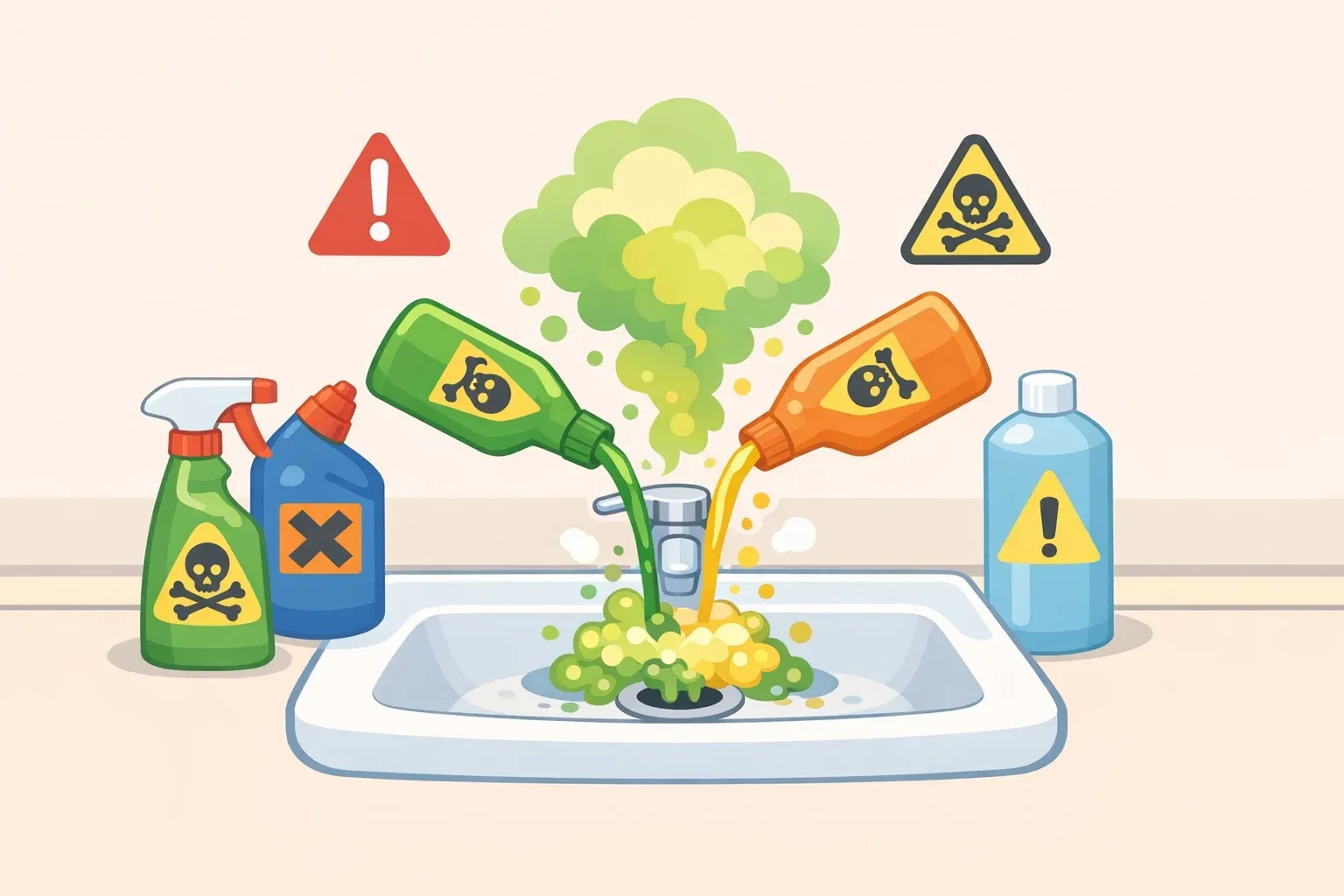
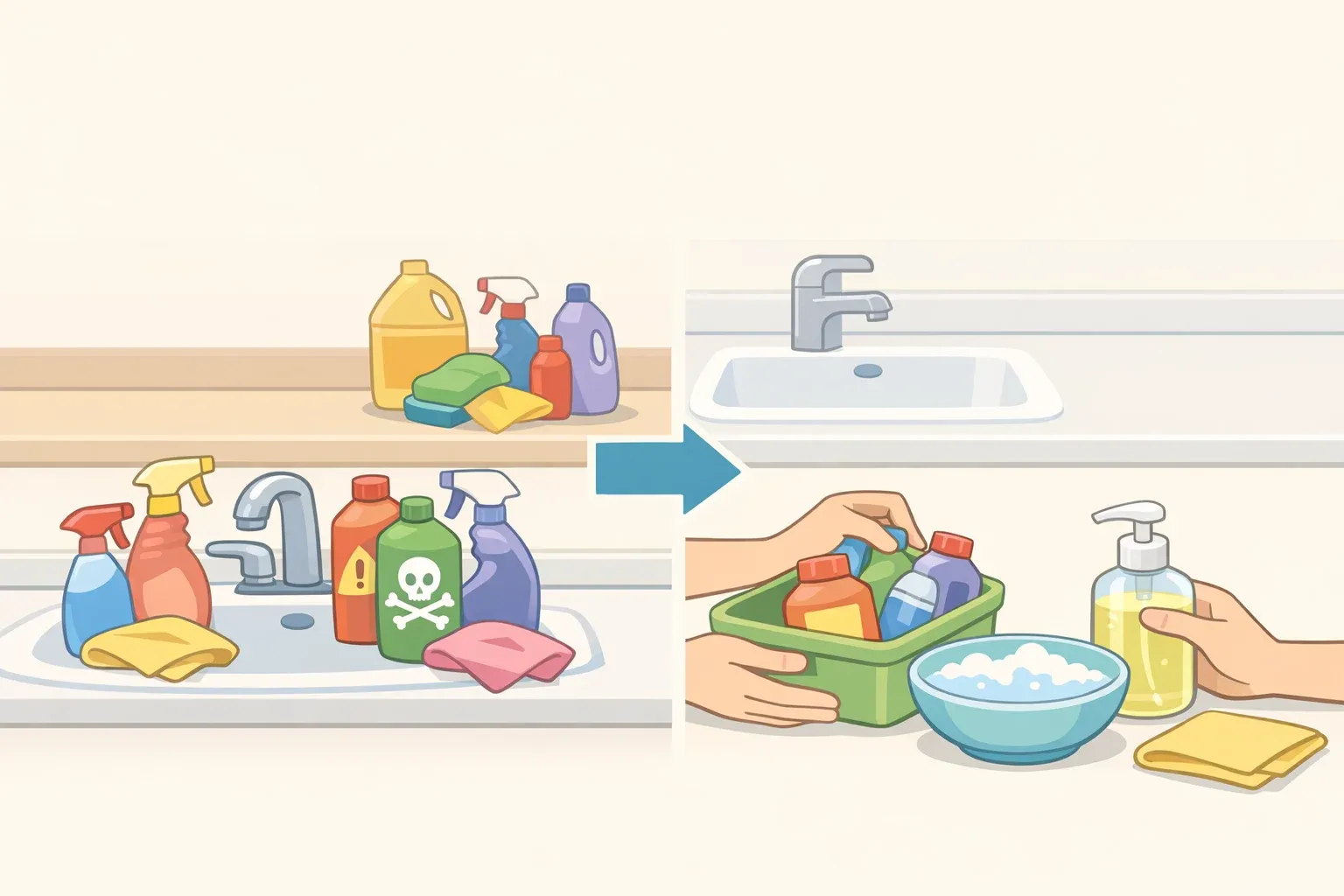
Nobody deliberately pours bleach into a bucket of window cleaner. The household cleaning products you should never mix aren't obscure industrial chemicals; they're under the sink right now. And the dangerous combinations rarely announce themselves.
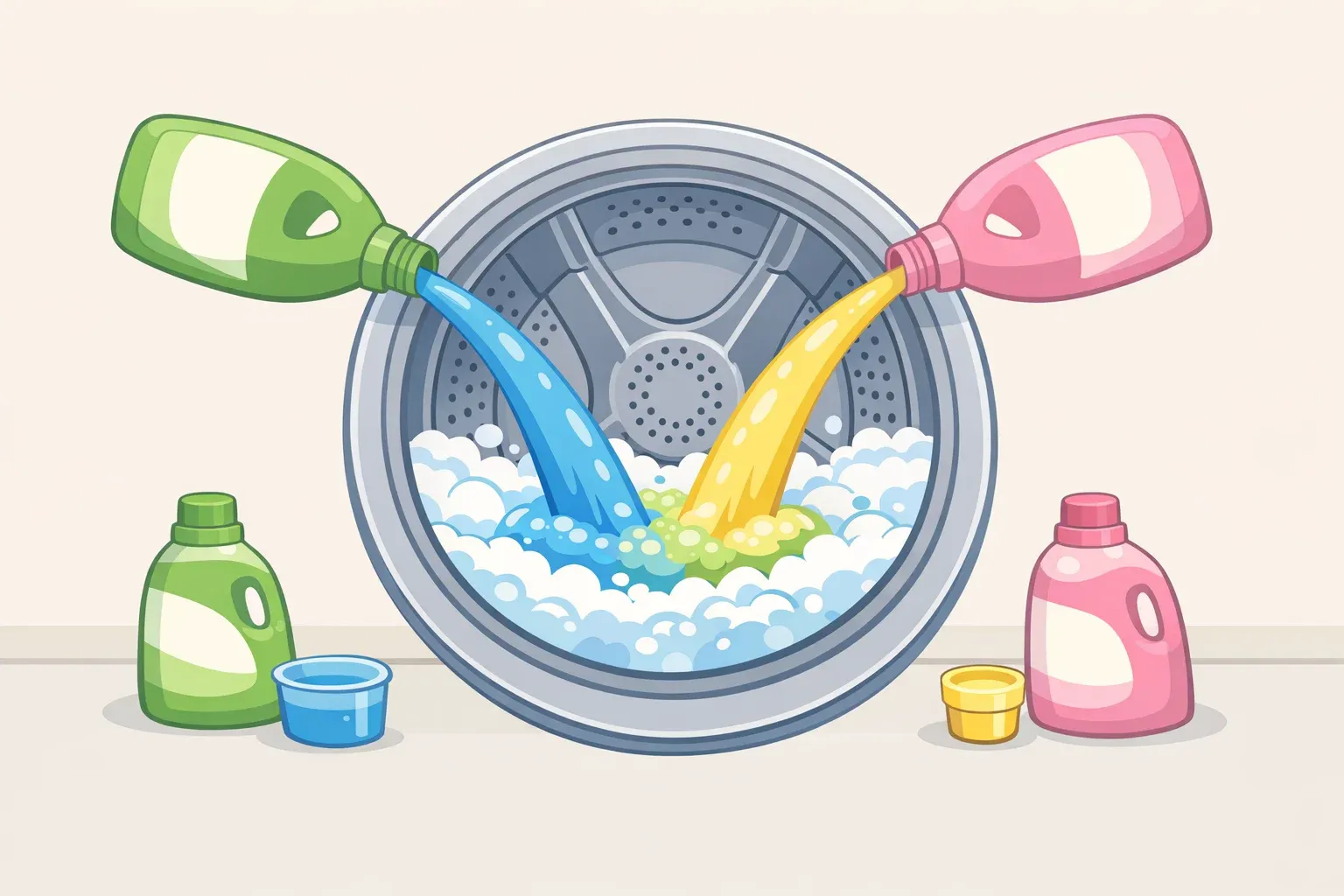
Mixing laundry detergents is almost always an act of good faith. You're running low on one brand, or trying to blend a scented formula with a fragrance-free version for a family member with sensitive skin, or operating on the reasonable assumption that two decent detergents must add up to something better. The intuition makes sense. The chemistry doesn't cooperate.
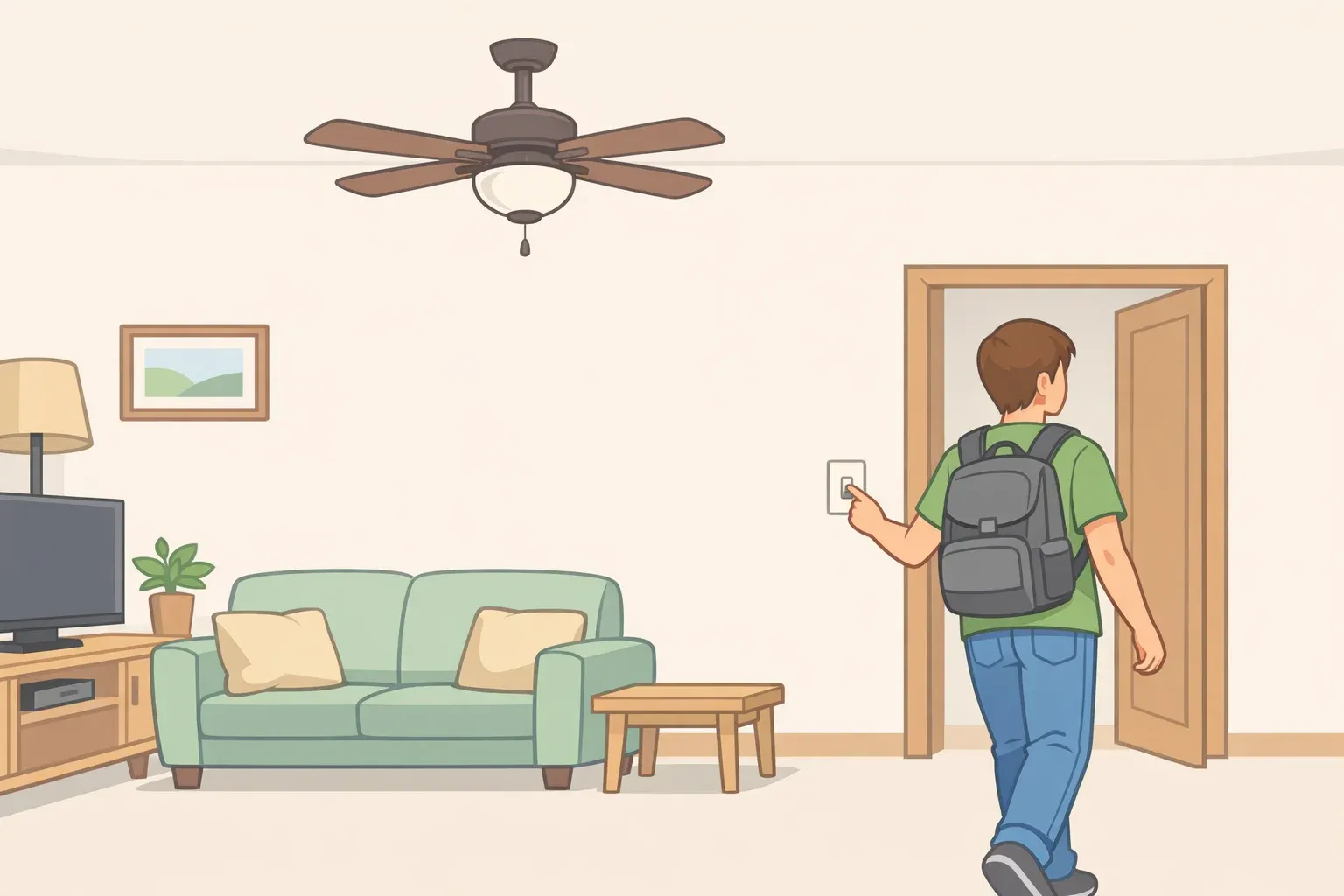
Should you leave your ceiling fan on all day? Usually not unless someone is actually in the room. That single condition determines whether a ceiling fan saves money or quietly runs up your bill for no reason.
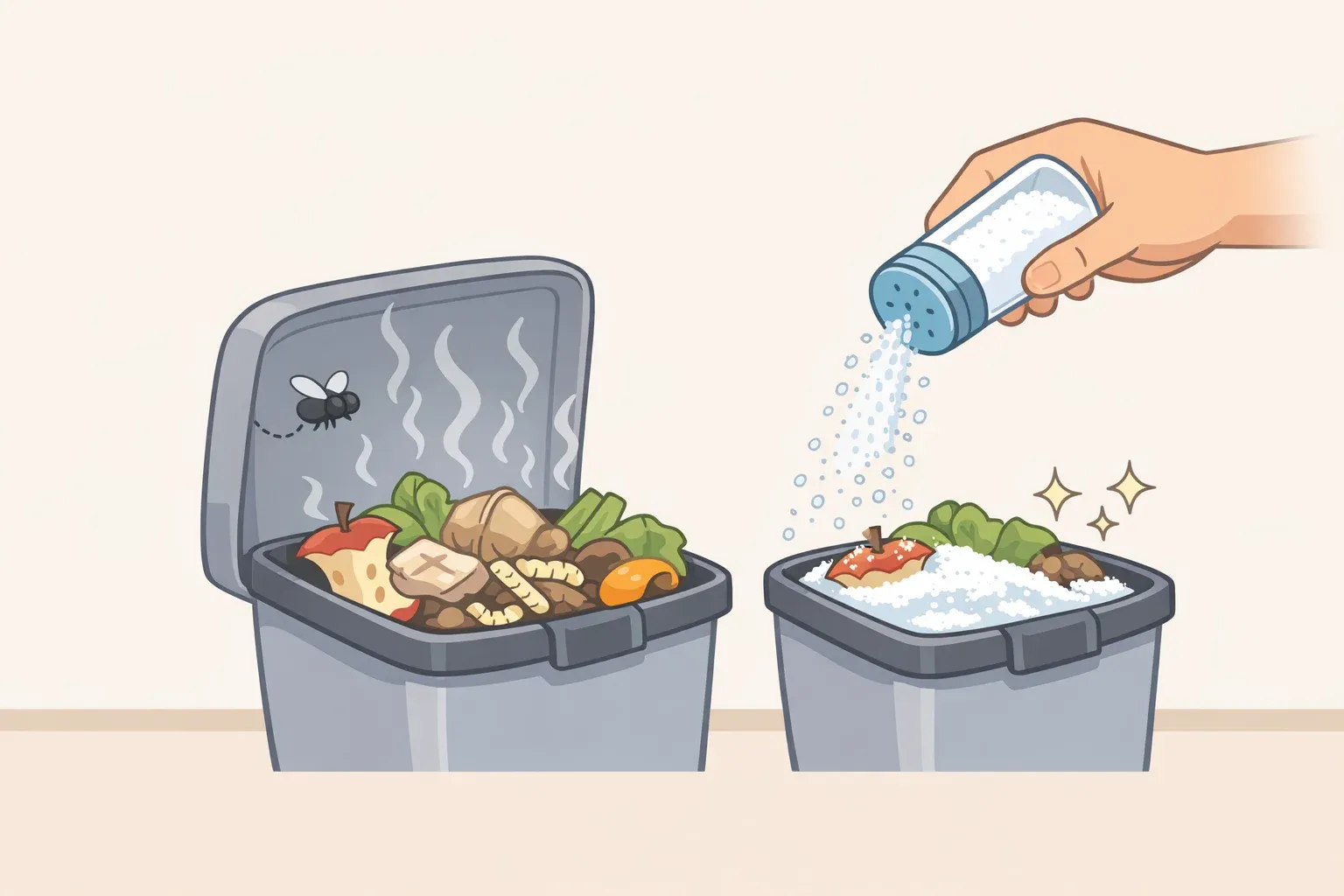
A cup of table salt at the bottom of a trash can costs almost nothing and takes ten seconds. The hack has been circulating long enough that it deserves a straight answer not a dismissal, not a miracle claim. Pouring salt in your trash can does work, within a specific set of conditions, for a specific reason: it absorbs moisture. That drier environment discourages flies and reduces one of the main preconditions for odor. What it does not do is chemically neutralize the compounds that make trash...
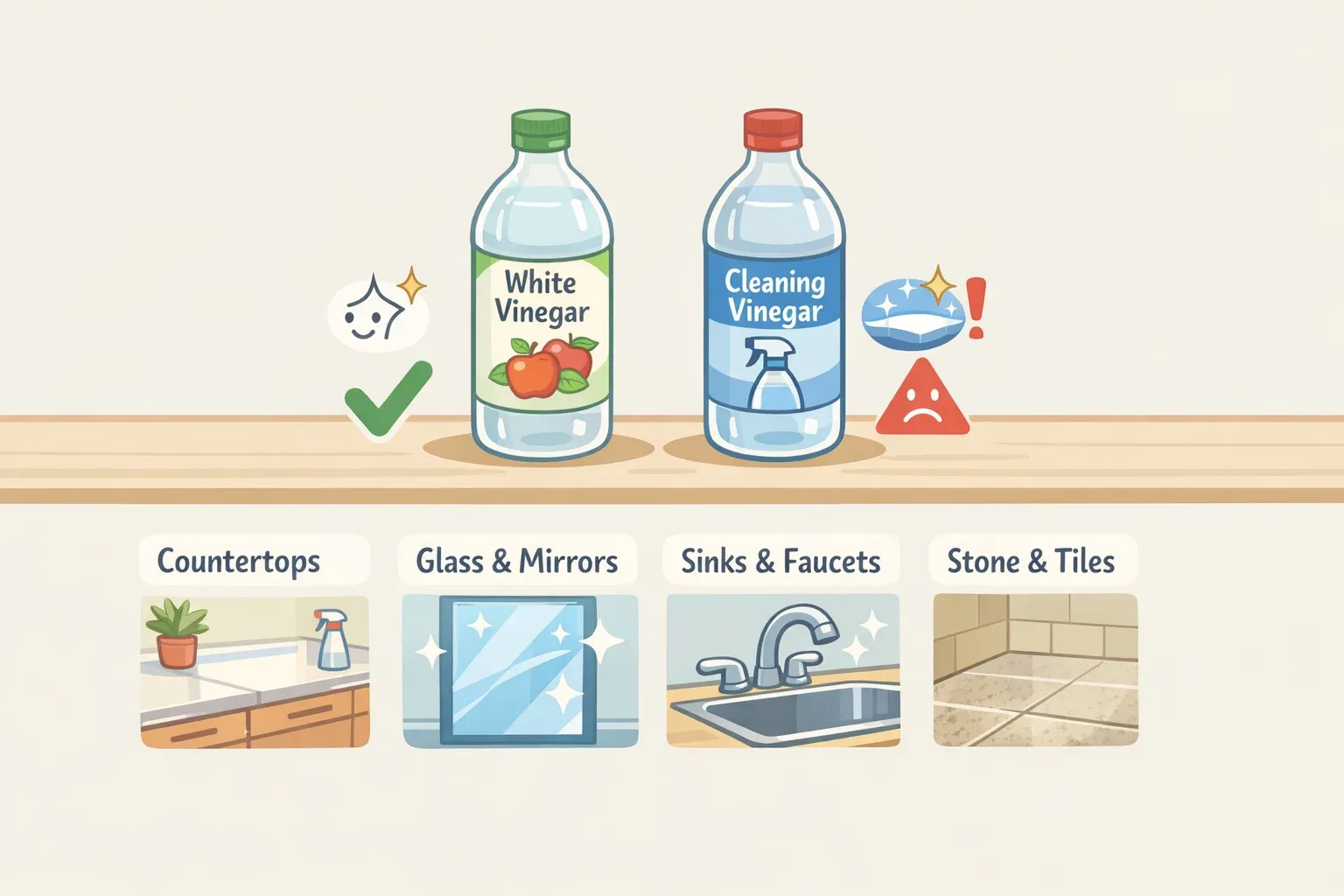
Most people keep white vinegar in the kitchen and assume it doubles as a cleaning powerhouse. Walk down the cleaning aisle and you'll find a slightly stronger version "cleaning vinegar" whose existence implies the kitchen kind isn't quite up to the job. Neither assumption holds up under scrutiny.
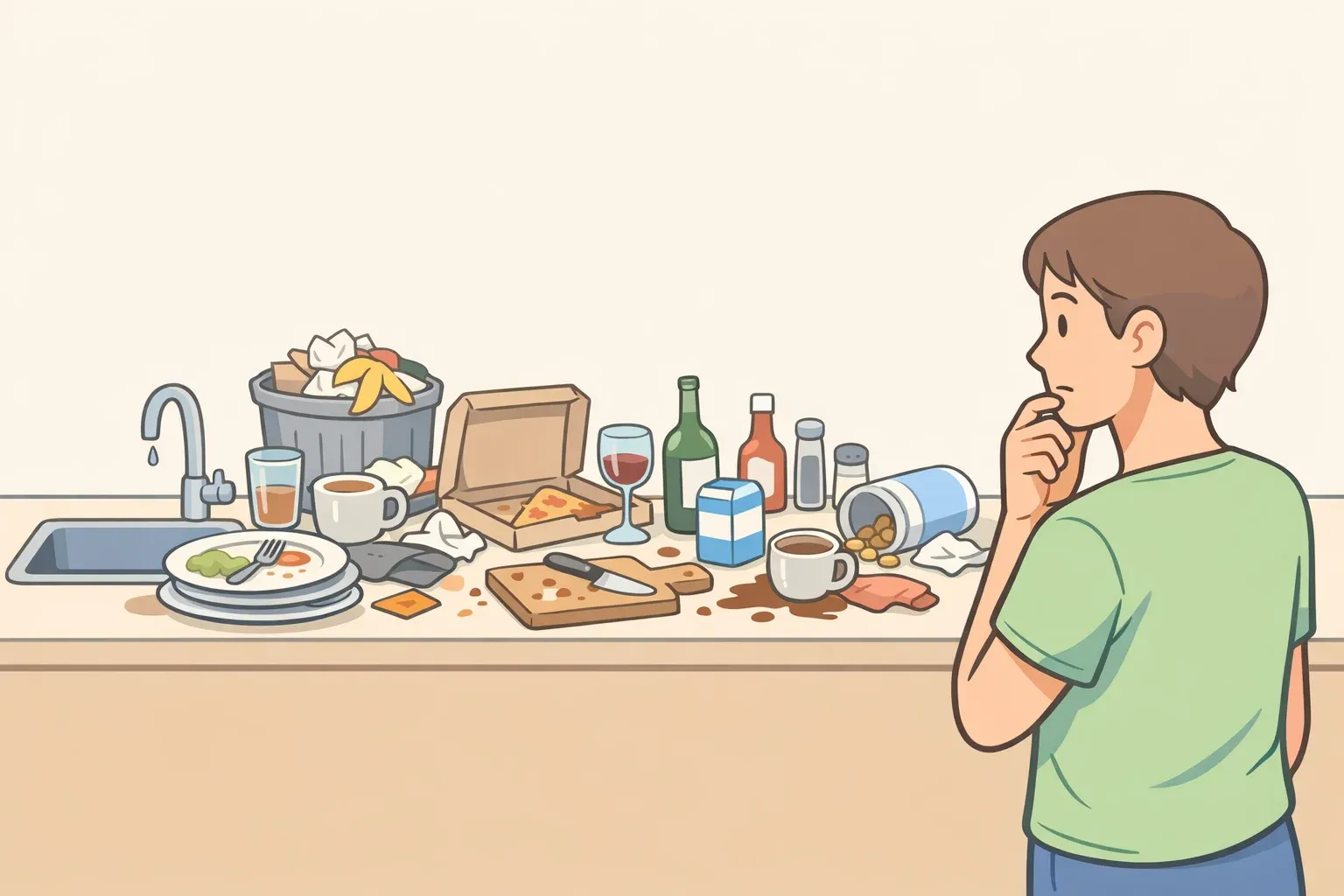
Professional organizers have a name for something most people don't realize is happening to them. Clutter blindness is what occurs when accumulated mess becomes so familiar that your brain stops registering it as something that needs attention. The stuff is still there. The problem is that you've stopped seeing it.
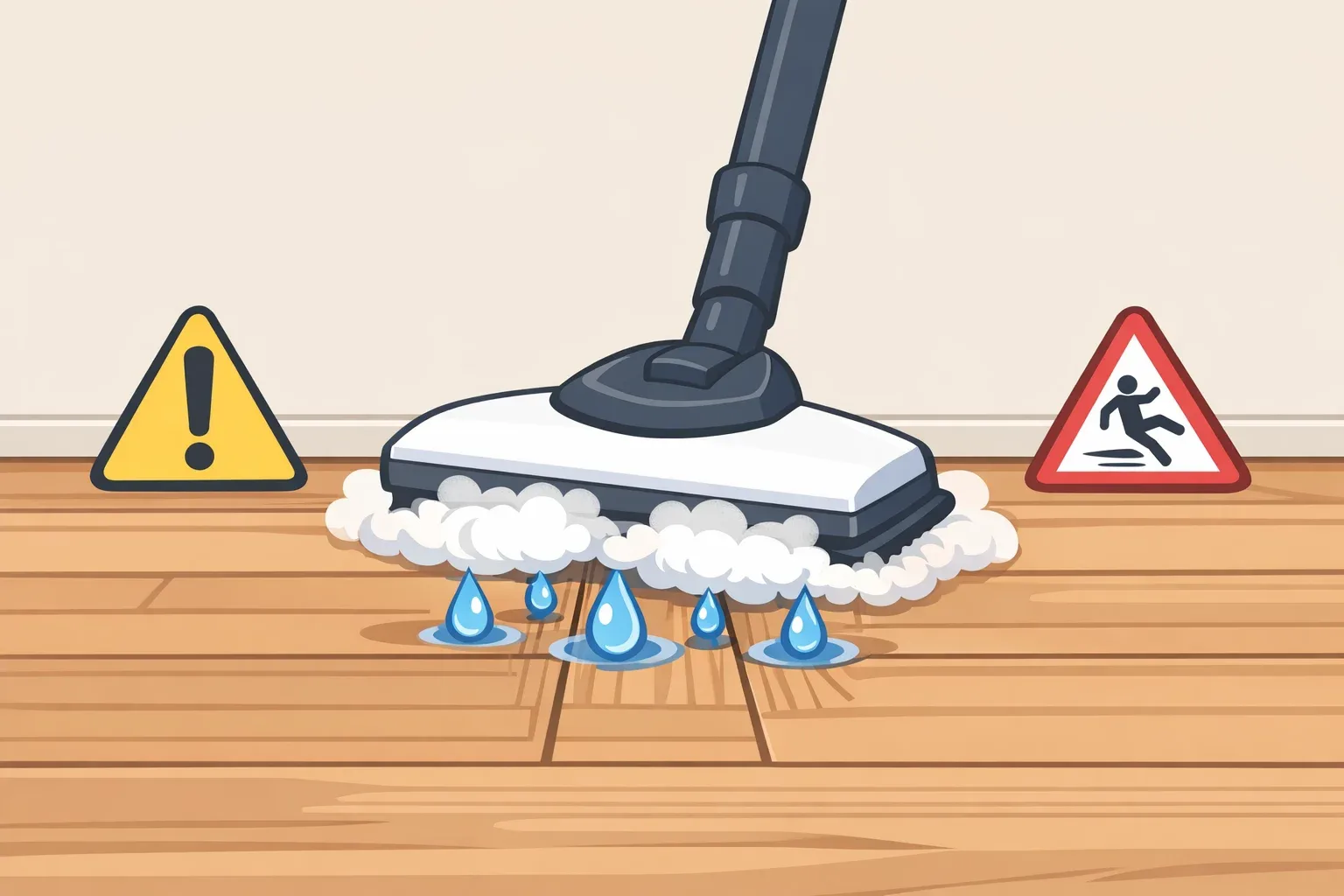
Steam mops are sold as the modern cleaning solution for nearly every surface in the house. The box art shows gleaming tile, sparkling grout, and often enough, hardwood floors. The instruction manual typically backs this up. So, can you steam hardwood floors? Technically, under very specific conditions, maybe. Practically, for most floors in most homes, no, and the gap between those two answers is where expensive damage happens.
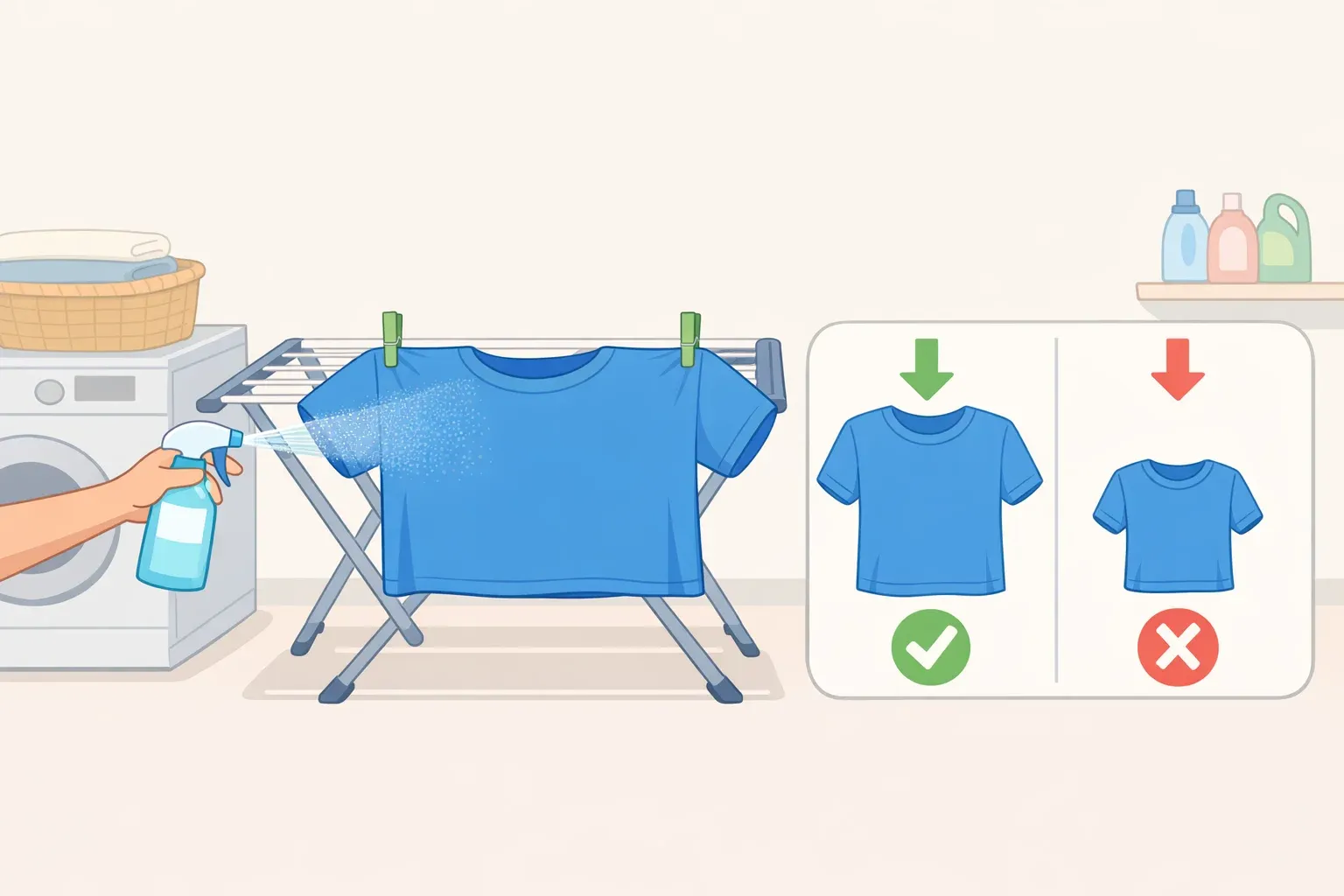
Can you unshrink clothes after they come out of the washer two sizes too small? Usually not completely. The conditioner-soak hack that circulates endlessly on social media is not a true reversal of shrinkage. At best, it temporarily lubricates fibers enough to allow modest reshaping of the difference between "unwearable" and "acceptable," not between "shrunken" and "original." Any improvement may disappear the next time the garment gets wet.
The most persistent household cleaning mistakes aren't made by people who don't care enough. They're made by people who care too much, reaching for a stronger product, a bigger dose, or a more dramatic hack when a simpler approach would work better and cause no harm.
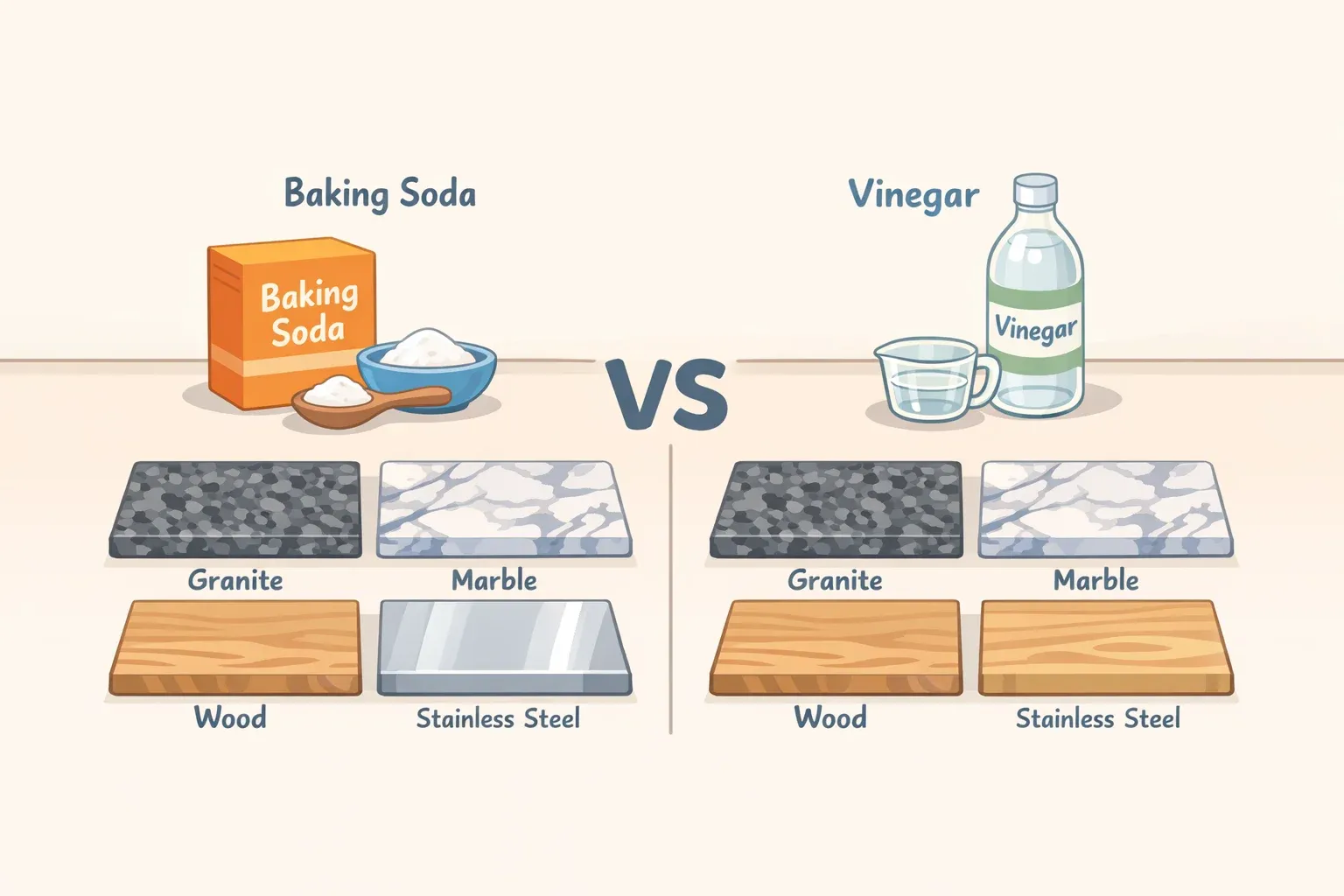
Vinegar has a pH of around 3, making it roughly 10,000 times more acidic than water. That acidity is precisely what makes it useful against hard water mineral deposits, and precisely what makes it destructive on marble, wood, stainless steel, rubber gaskets, and phone screens. Baking soda carries fewer of those acid-related risks, though its mild abrasiveness creates its own incompatibilities with delicate finishes and screens. Neither product is a universal cleaner. The honest answer to the...
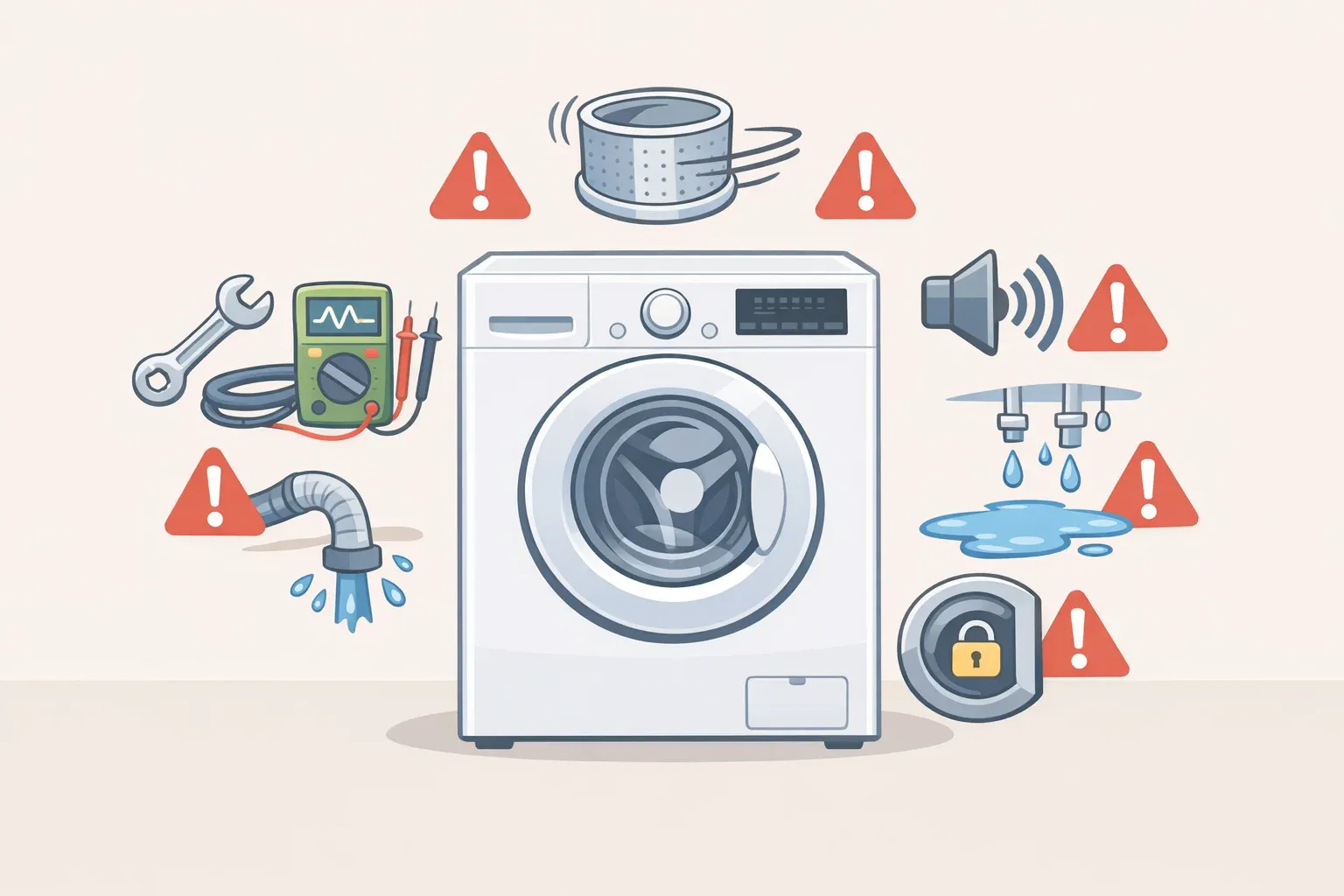
LG washers can be reliable, but when they do have problems, the same issues tend to show up again and again: draining, filling, leaks, too many suds, spin-balance trouble, and door or power errors. That predictability helps because many problems can be narrowed down with the error code on the display and a few safe checks before calling a technician.
Any time the grass is still wet is too early to mow the lawn. That usually means mid-morning, after the dew has lifted. The clock is mostly beside the point; the condition of the grass is the real signal.
If you're asking whether self-emptying robot vacuums are worth it, the honest answer is: it depends on how messy your home actually is. These machines sell a specific promise press a button, and you're done for weeks. For the right household, that promise mostly holds. For the wrong one, you're paying a premium to trade one kind of hassle for several others.
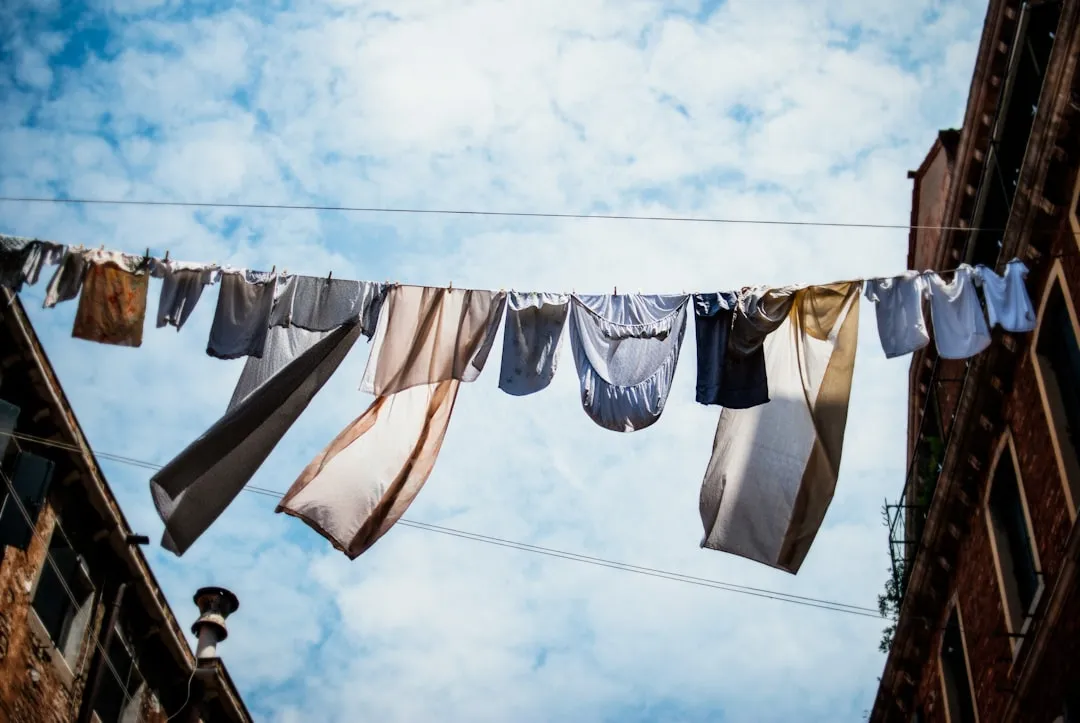
This could happen when you trust a guy to hang out wet clothes. Ladies, beware, guys simplify housework simply because they don't care of it's a chore they just don't want. Watch and learn to be creative about the ways you spice your every day chores up. Most of all, laugh your head off.