



Reviewed by: Y. Garcia
Most advice on how to clean white Converse sneakers treats the shoe as one surface, but a classic canvas Chuck Taylor is actually two materials stitched together: a canvas upper and a rubber toe cap, sidewall, and sole. Each responds to cleaning differently, so a product that works wonders on one part can do nothing to the other or, worse, damage it.
This guide covers the standard white canvas Converse with a rubber toe cap and sole, the version most people picture when they say Chuck Taylors. It's built around the manufacturer's recommended hand-cleaning method for canvas Converse, with additional spot-cleaning options for stubborn marks.
Use more caution on leather trim, suede panels, printed graphics, or glossy coatings. Melamine foam, the material inside a Magic Eraser, is abrasive and can dull or alter delicate coatings, high-gloss finishes, and printed details, so test any suspect surface in a hidden spot first (GoGoNano, last month).
The reliable baseline for canvas Converse is straightforward: remove the laces, clean the canvas with mild soap and lukewarm water, and air-dry at room temperature. Converse's official care guidance specifically recommends hand-cleaning canvas with a damp cloth or soft brush and says not to machine wash or dry the shoes.
The rubber can be cleaned with the same mild soap solution using a cloth, sponge, or soft brush. For isolated stubborn scuffs, a damp melamine sponge can provide additional abrasion, but this is not part of Converse's official cleaning method and should be used cautiously.
This walkthrough uses that two-zone approach: mild soap and a soft brush for the canvas, with a damp melamine sponge reserved as an optional treatment for isolated rubber scuffs, plus a stain-escalation step and careful drying. No washing machine required. It's a single-sitting project for most beginners, with drying time added on afterward.
Before you start: check your shoes and gather supplies
Confirm what you're actually cleaning before a brush touches it. Cleaning suede is trickier than canvas, since suede stains easily and shouldn't be treated like rubber or canvas. Converse specifically recommends brushing suede when dry and says not to use water on it.
If a pair has suede panels, leather trim, or a printed design, this canvas-and-rubber method isn't built for those spots.
Gather these before starting:
Baking soda
Mild dish soap
An old toothbrush or soft brush
A clean white or colorfast microfiber cloth
A bowl of lukewarm water
A melamine sponge, optional, for stubborn rubber scuffs only
For the basic cleaning solution, Converse recommends mixing a small amount of mild dish soap with lukewarm water. Test the solution first on a hidden section of the shoe, such as the outer edge of the tongue, to make sure it doesn't affect the color or material.
Start by removing the laces and brushing off loose dirt before any water touches the shoe. Avoid hot water and don't submerge the shoes. A gentle brush does the job; a hard scrub can damage the canvas fibers.
This is a hand-cleaning method by design. Converse specifically says not to machine wash or dry its canvas shoes.
How to clean white Converse canvas shoes and laces
This is the default method the rest of the routine builds on: mild soap and a soft brush before anything stronger.
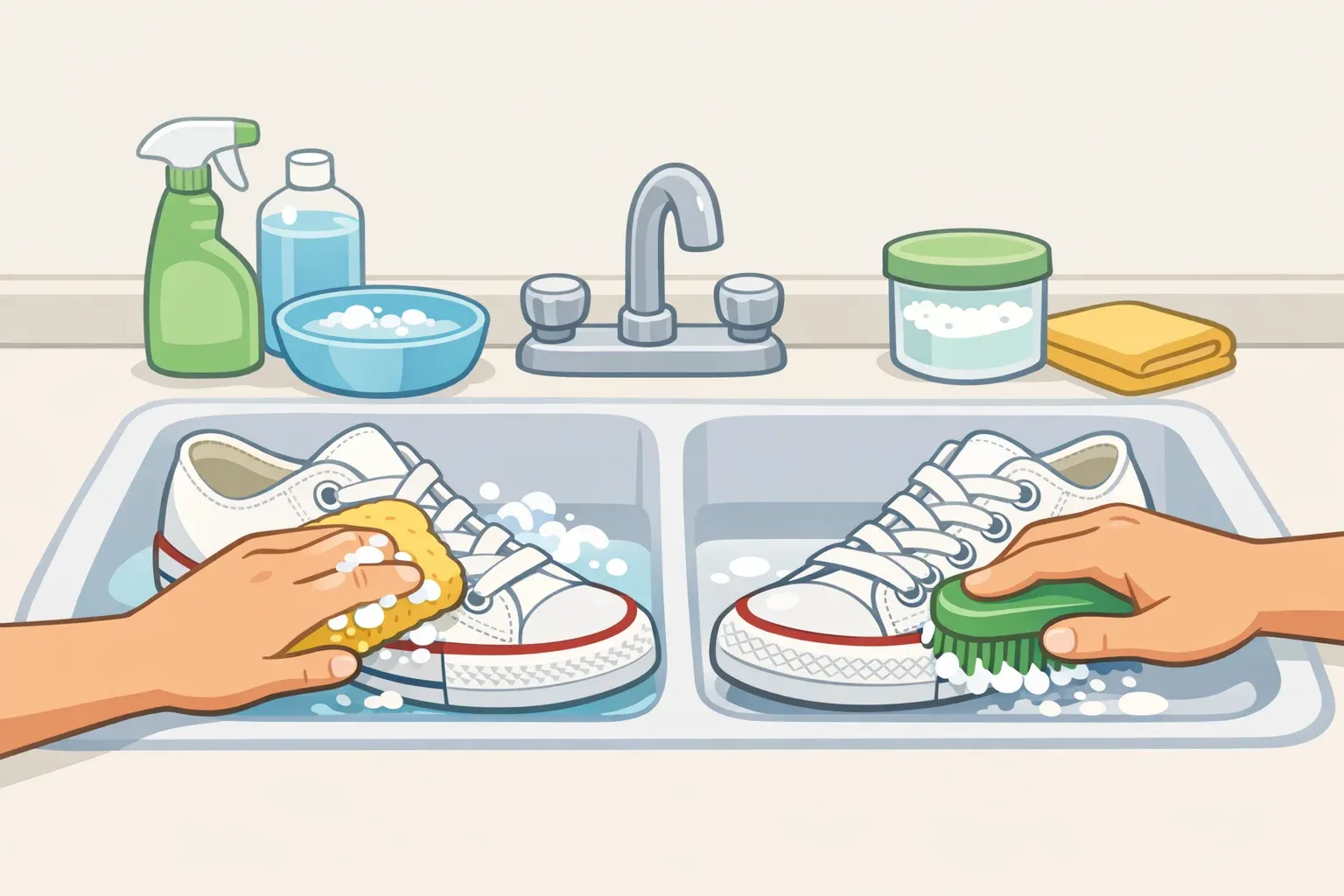
Remove the laces and insoles. Soak the laces in the mild soap solution. Clean removable insoles separately with the same solution using a cloth, sponge, or soft brush, then set them aside to dry.
Dry-brush loose dirt off the canvas with a toothbrush or soft brush before adding any water. This keeps you from grinding grit into the fabric once it's wet.
Mix a small amount of mild dish soap into lukewarm water.
Clean the canvas gently with a damp cloth or soft brush, then wipe with a clean damp cloth to remove the soap. Avoid soaking the fabric.
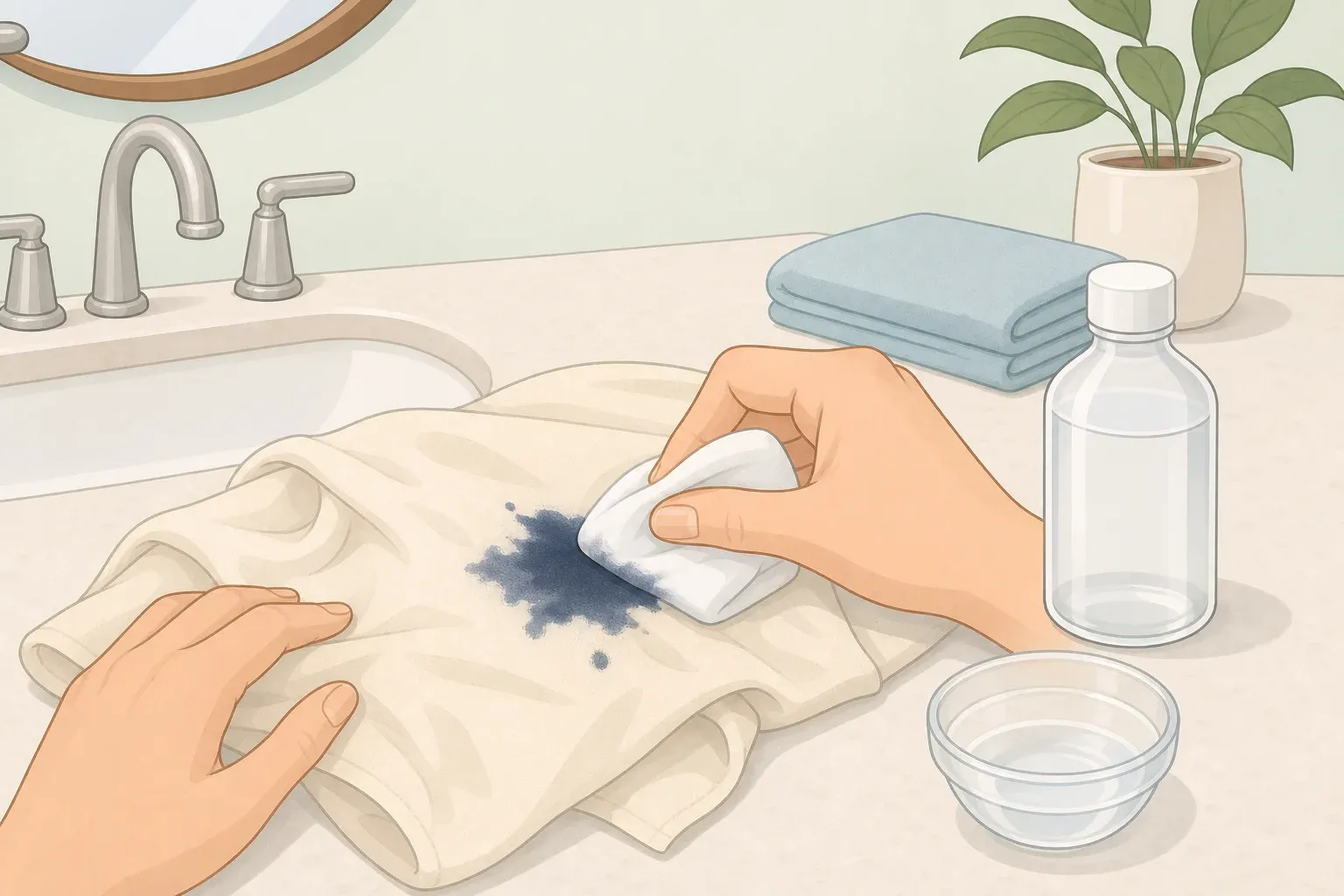
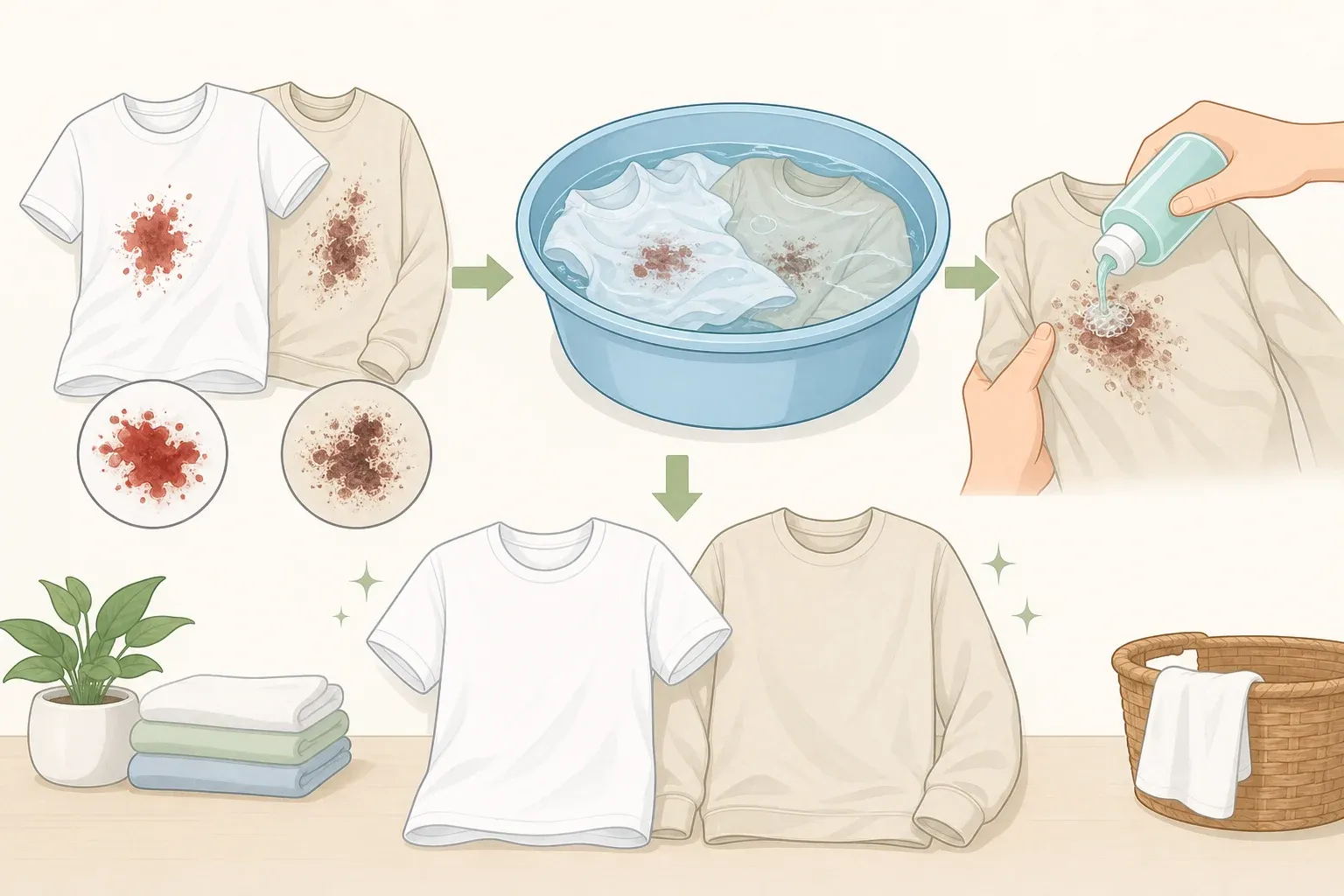
If a stain is still wet, blot it with a paper towel instead of rubbing. Rubbing can spread the spill further into the canvas rather than lifting it out.
When you're done, the canvas should look visibly cleaner with no obvious soap film left behind. If dirt remains but the canvas itself is clean of soap, don't scrub harder; move to the stain-escalation step below instead.
Treat rubber scuffs and remove stains from white Converse sneakers
Not every mark responds to soap and water, and pushing harder with the same tool can wear down the canvas without touching the stain. This is where the two-zone approach earns its keep.
How to clean white Converse rubber soles
Start with Converse's recommended method: use the mild soap solution with a cloth, sponge, or soft brush to clean the rubber sole and toe cap.
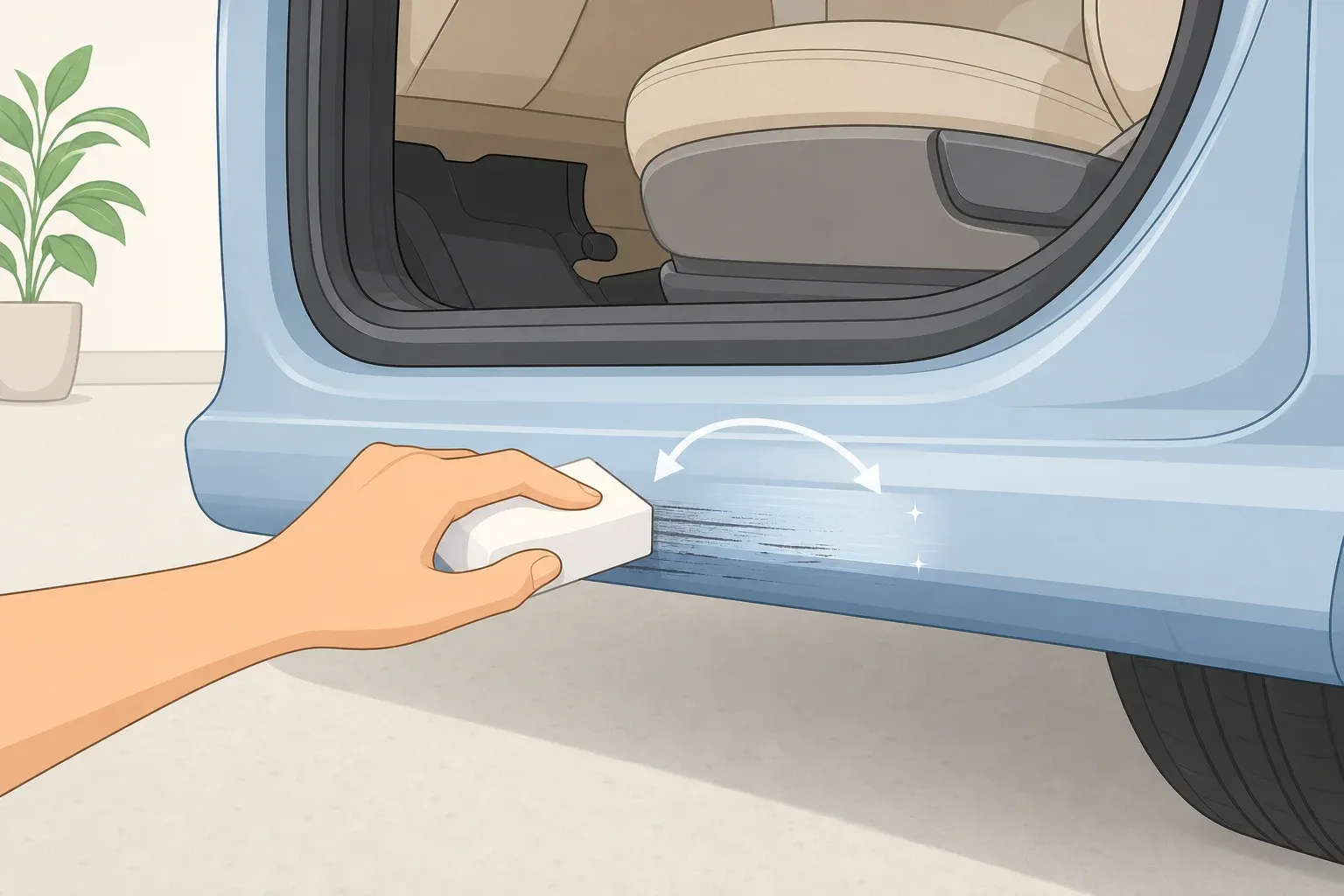
For a stubborn transfer scuff that remains after cleaning, a melamine sponge removes marks mainly through very fine mechanical abrasion. Because of that abrasiveness, reserve it for plain rubber and keep it away from canvas, printed logos, colored details, and coated surfaces unless you've tested the material first.
Brush away any loose grit from the rubber before wetting the sponge.
Dampen the sponge and squeeze out excess water; it doesn't need to be soaked.
Test a small, hidden section of rubber first and let it dry before judging the result.
Work the sponge only over the scuff itself with light pressure, rather than scrubbing the entire rubber panel.
Wipe the area with a damp cloth, let it air-dry, and check whether the mark is gone. Repeat on the same spot only if needed.
Expect the sponge itself to wear down as it works; that's normal. Never add bleach, acid, or another cleaner to the sponge unless both the cleaner's and the surface's instructions explicitly allow that combination.
Remove stains from white Converse sneakers: stubborn canvas discoloration
For canvas stains that survive the standard soap wash, a baking-soda paste is an optional spot treatment rather than Converse's manufacturer-recommended method.
Mix baking soda with a small amount of water until it forms a thick paste. Apply it to a hidden spot first. If the material reacts normally, apply it to the stained area, scrub gently with a soft brush, then wipe the paste off completely with a clean damp cloth.
Don't skip that last wipe; leftover baking soda can leave its own dull film if it isn't fully removed.
Dry, prevent yellowing, and match the fix to your problem
How you dry a cleaned pair of Converse matters almost as much as how you cleaned it. Converse recommends drying the shoes at room temperature and stuffing them with paper towels to help maintain their shape, changing the paper periodically as the shoes dry.
Do not apply direct heat. Other shoe-care guidance also recommends keeping white canvas shoes out of strong direct sunlight while drying because heat and UV exposure can contribute to discoloration.
If yellowing remains after a full, careful clean, prevention through thorough removal of cleaning residue and careful drying is the priority, since a true oxidized or aged yellow cast may not fully reverse.
One optional, spot-tested treatment is mixing 1 tablespoon of baking soda with 1 tablespoon of 3% hydrogen peroxide and applying it to the yellowed area before wiping or rinsing it away thoroughly. This is not part of Converse's official care instructions, so test it on a hidden spot first and stop if it changes the material or color.
Match the fix to the problem instead of running every step on every mark:
Fresh wet spill: blot with a paper towel, don't rub.
Ordinary dirt and grime on canvas: mild soap and a soft brush or damp cloth.
Stubborn canvas discoloration that survives a soap wash: consider a spot-tested baking-soda treatment.
Black rubber transfer scuff: start with mild soap; use a damp melamine sponge cautiously if the mark remains.
Yellowing that remains after a full clean: focus on careful rinsing and drying, and treat any whitening remedy as optional.
What about the washing machine? Converse's answer is direct: do not machine wash or dry canvas Converse. Hand-cleaning with lukewarm water and mild soap is the manufacturer's recommended method, so treat that as the default even though some general shoe-cleaning guides say certain canvas sneakers can tolerate a cold, gentle machine cycle.
If a pair still looks dingy after a full clean, check first for leftover cleaning residue or discoloration before assuming the method failed.
Finishing up
Once the canvas is clean and any rubber scuffs are gone, finish in order: rinse the laces separately and let them air-dry alongside the shoes. Remove or replace the paper towels as needed while the shoes dry.
Reinsert the insoles and re-lace the shoes only after everything is fully dry; damp insoles can trap odor and moisture.
For upkeep between deep cleans, spot-clean visible dirt as needed rather than waiting for buildup to require another full cleaning. Keep the shoes dry during storage and make sure they are completely dry before putting them away.
A protective spray can help with some materials, but check the product label against your shoe's exact material before applying it broadly, since not every spray is intended for canvas, rubber, or printed details.
Store the finished pair somewhere cool and dry, and wipe away new dirt before it has time to become embedded. Save the melamine sponge and stain-escalation steps for marks that actually need them; most white Converse should need little more than Converse's recommended soap-and-brush cleaning.






Comments
Be the first, drop a comment!