



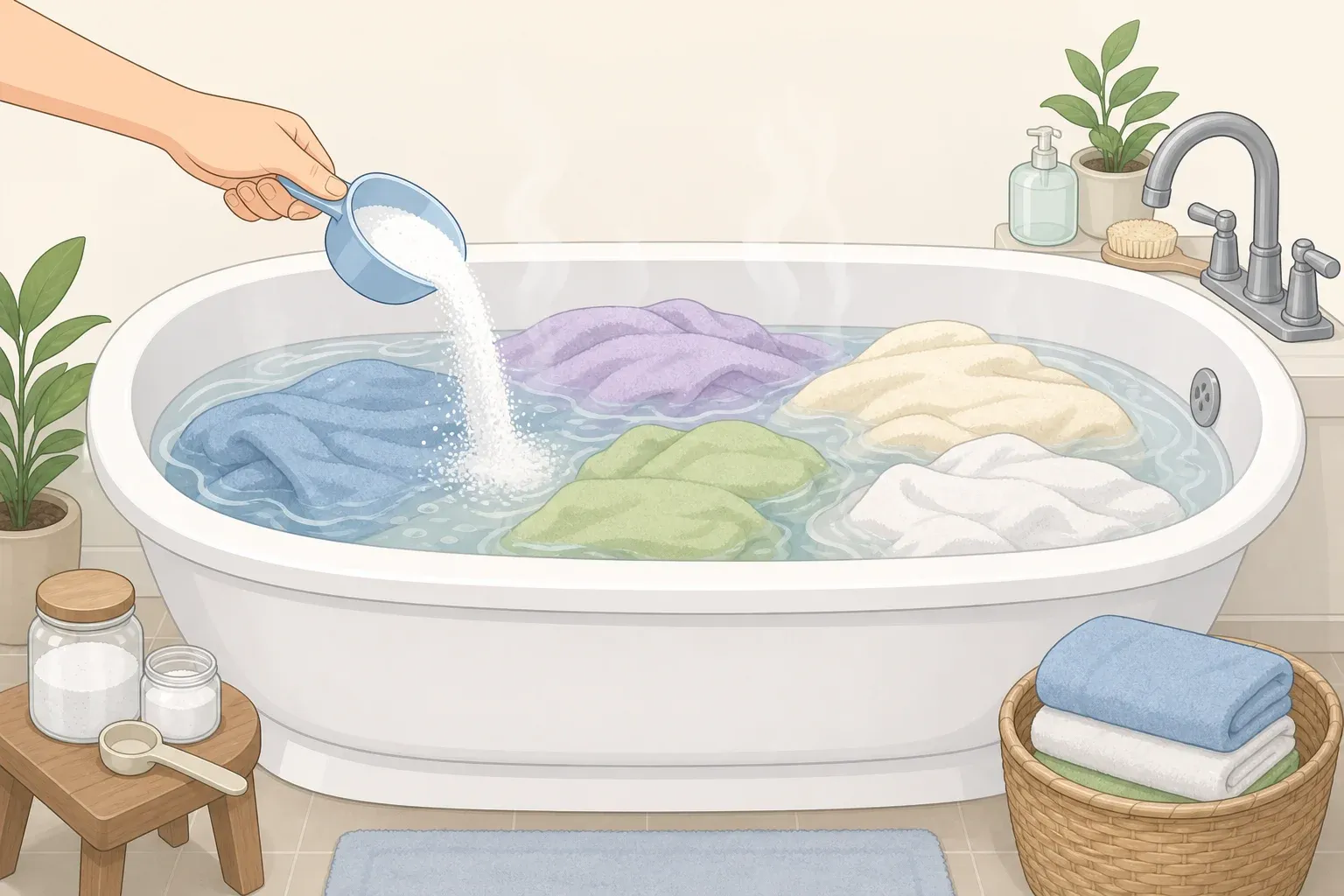
Here's how to strip laundry when towels or sheets keep coming out of the wash looking dull, smelling musty, or feeling waxy, even though they're technically clean. That texture usually signals built-up residue rather than leftover dirt. Laundry stripping is a prolonged soak in hot water, borax, washing soda, and detergent designed to pull trapped detergent, fabric softener, body oils, and hard-water minerals out of fabric fibers.
That buildup typically comes from hard water, overdosing on detergent or fabric softener, incomplete rinsing, or stuffing too much into the washer so items can't agitate freely.
This guide covers how to strip laundry safely in a bathtub, which items are actually good candidates, a lower-effort machine alternative, and what to do afterward so this stays a one-time project. It's realistic when you're using basic household items, but block out real time: the soak alone takes at least four hours.
What is laundry stripping and does it work?
Laundry stripping targets what a regular wash cycle tends to leave behind: trapped detergent residue, fabric softener, body oils, and mineral deposits from hard water that settle into fibers over time.
The part that made this trend spread online is the soak water itself, which often turns dark gray, black, or brown. That color isn't proof of hidden grime on its own. Dye runoff from colored fabrics also darkens the water.
Washing towels and sheets correctly shouldn't require stripping on a recurring basis. Use it as an occasional deep-clean for items that are genuinely loaded with residue, not a maintenance step added to every laundry day.
What items can you strip, and how to strip towels safely
Not everything in the hamper belongs in a stripping soak. Colorfast towels, sheets, and pillowcases, cotton comforters and duvet covers, and white or light-colored clothing are safe to soak in hot water without fading. If the question is specifically how to strip towels, they're one of the better candidates for this method, since most are colorfast and built to handle hot water and heavy agitation already.
Skip colored fabrics, delicates, and anything prone to shrinking. A care label calling for cold, cool, or warm water is a sign the item may fade or shrink under the heat stripping requires. The high pH and heat involved can strip dye and damage fabrics sensitive to either one.
Check the care tag on every item before it goes in the tub. If stripping colored items anyway, never combine them with whites in the same soak. Dye transfer is a real risk once colors start bleeding into hot water.
A few signals suggest stripping is worth the effort, rather than just a trend worth copying because it's viral:
Visible residue or filminess after washing with homemade detergent
Heavy, frequent use of fabric softener or dryer sheets
Living in a hard-water area without a water softener installed
If none of those apply, a few adjustments to a normal wash routine (covered further down) are probably all a load needs.
Before you start: safety and setup
Don't improvise on this recipe by adding dish soap or extra cleaners alongside the borax, washing soda, and detergent. Mixing multiple cleaners, dish soap included, can oversuds a machine or tub and leave suds trapped in fabric, the same problem caused by using too much detergent.
Washing soda is potentially caustic. Wear gloves and a mask to avoid skin contact and inhaling dust while measuring and mixing. Borax carries a similar warning: it can irritate skin and eyes and shouldn't be ingested.
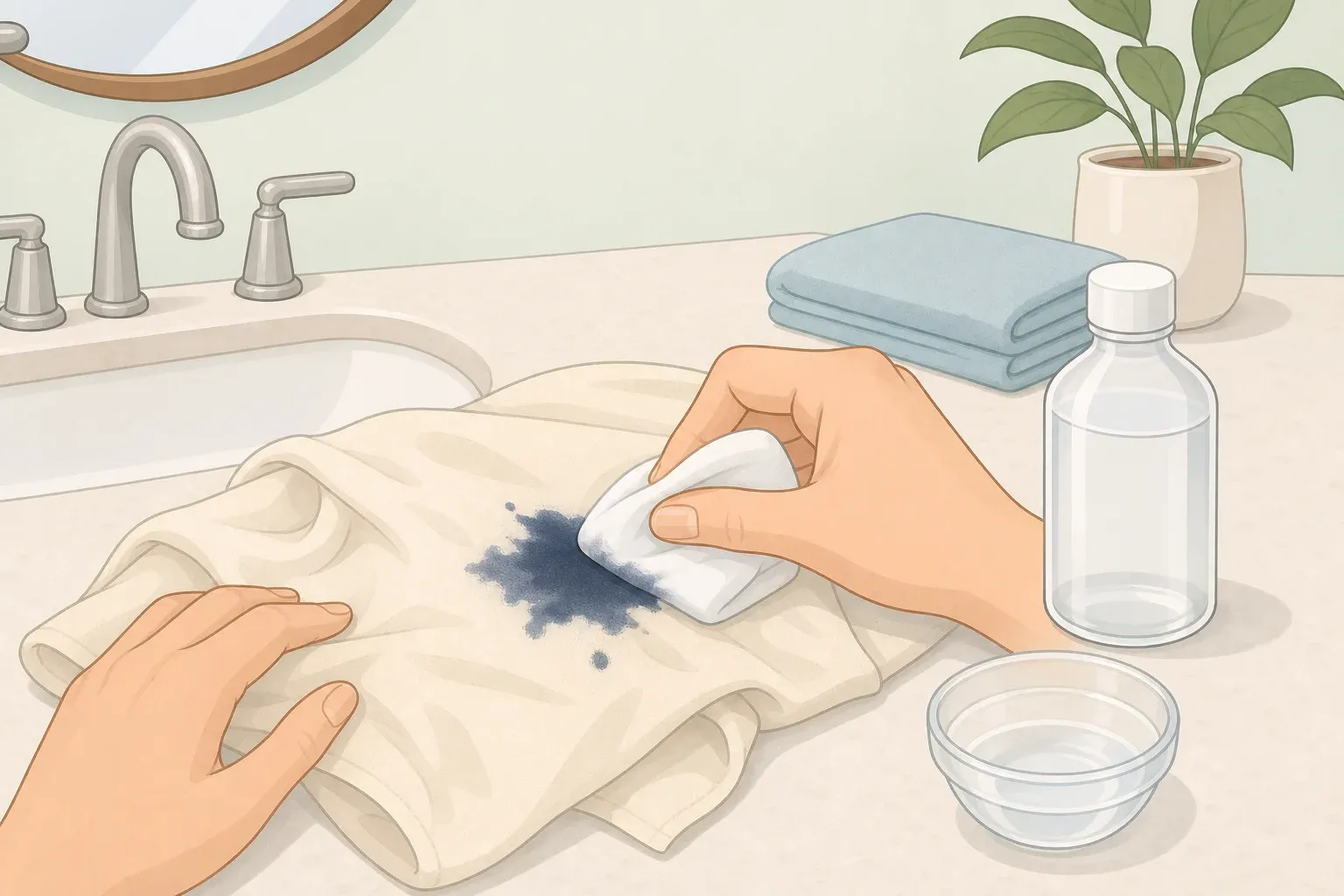
Before committing a full load, test the mixture on a small, inconspicuous section of one item, or on something that won't matter if the color shifts. Do trial "spot" runs of home remedies before using them broadly, along with checking the washing machine's user guide before adding anything unusual to a cycle.
Stop before starting if any item's care tag rules out hot water. That's the clearest sign the fabric isn't built for this process, no matter how dingy it looks.
How to strip laundry: recipe and step-by-step method
What you'll need:
A clean bathtub
Hot water
¼ cup borax
¼ cup washing soda
½ cup laundry detergent
Gloves and a mask
Fill the tub with hot water and dissolve the borax, washing soda, and detergent completely before adding fabric.
Submerge pre-washed, colorfast items fully in the mixture. "Clean" here means the items have already been through a normal wash; stripping isn't a substitute for regular laundering.
Soak until the water cools completely. This requires a minimum of four hours, so plan for an afternoon rather than squeezing it between errands.
Drain the water and wring out the items. Wipe down the tub right after draining to prevent dye residue from staining the surface.
Run the items through a full wash cycle with no added detergent or softener, or at minimum a rinse-and-spin cycle if a full wash isn't practical.
Tumble dry without dryer sheets.
The one verifiable check for success is suds, not color or texture. If suds are still visible in the washer tub after that final cycle, run a second rinse before drying.
Try the washing machine first
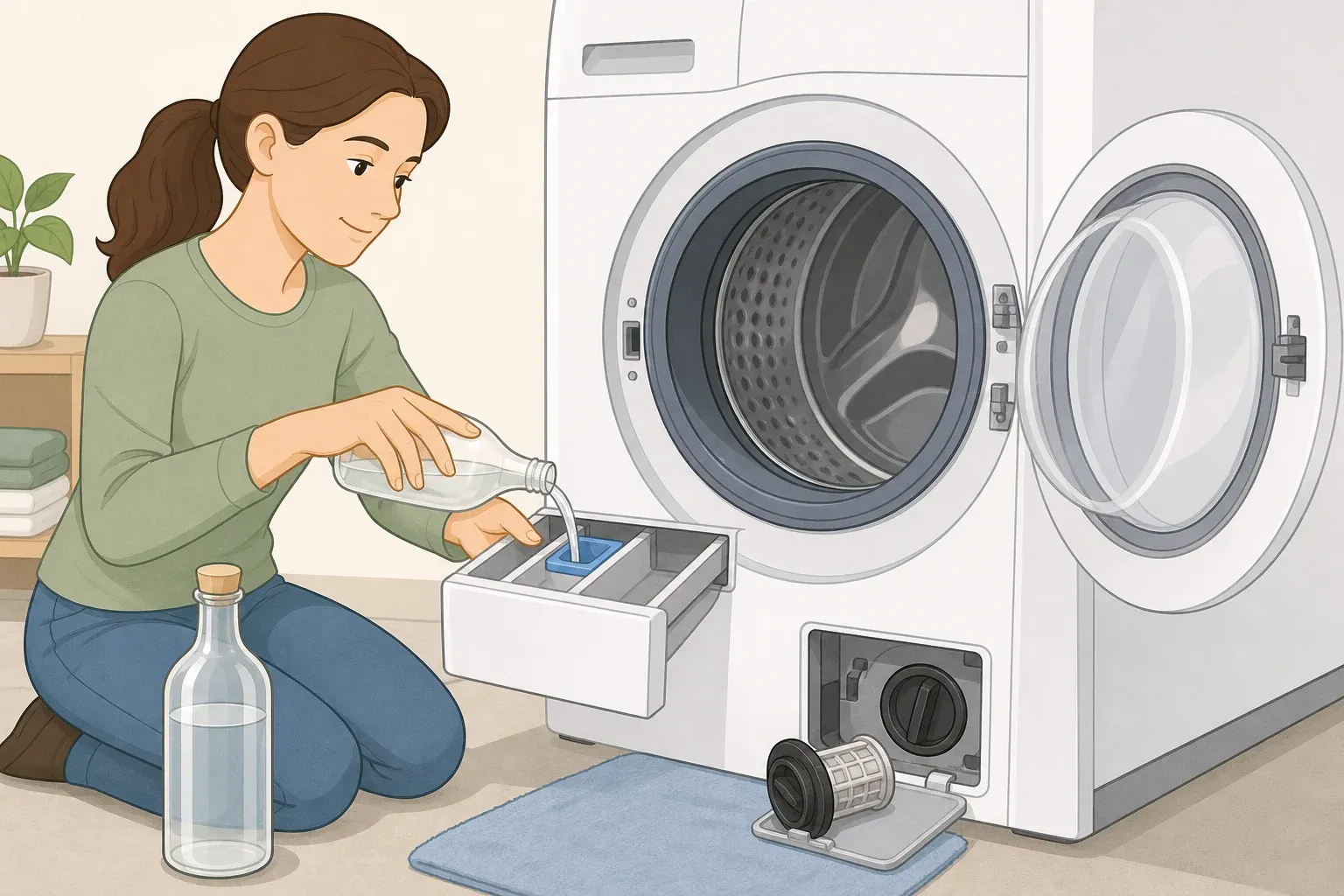
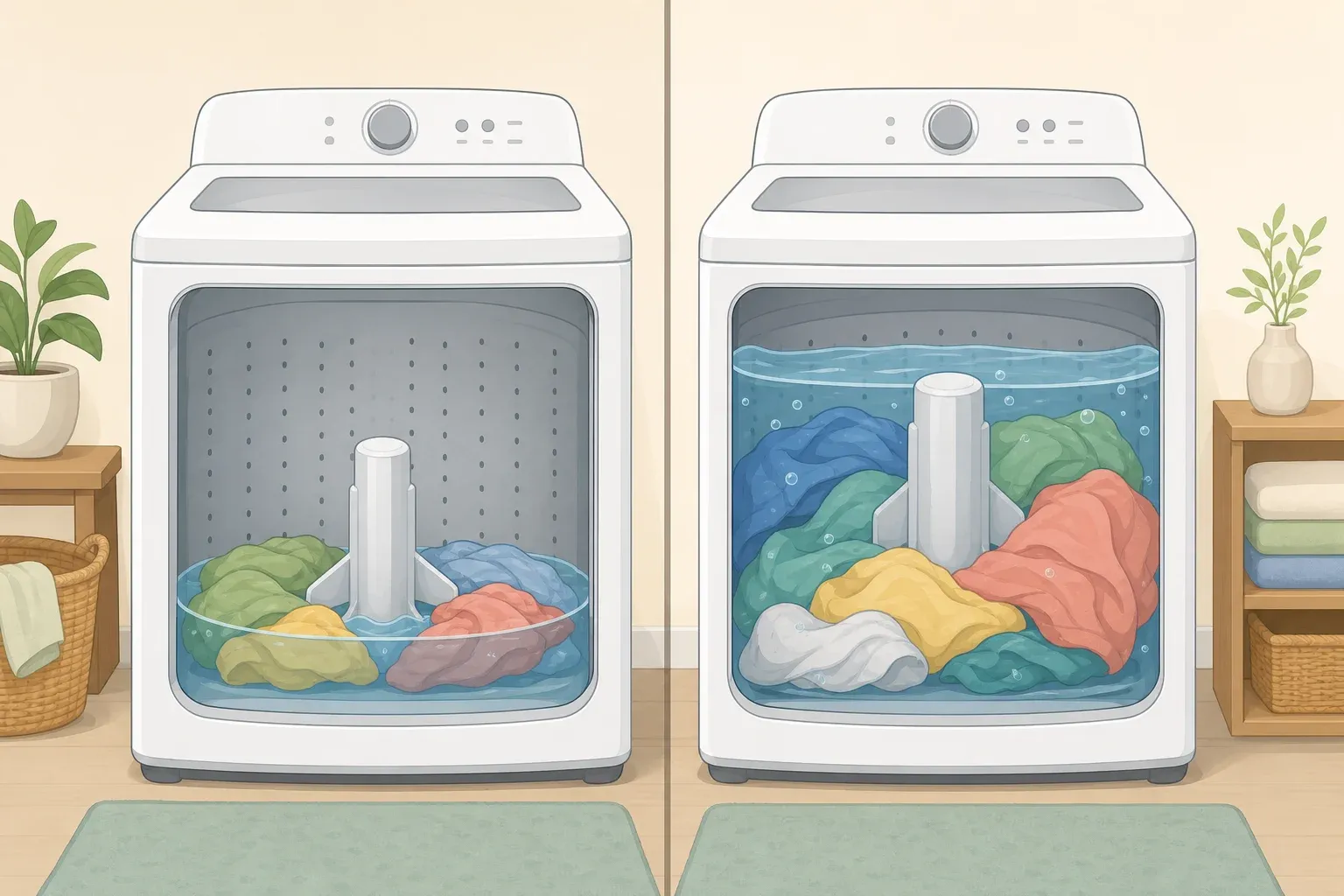
Before setting up a bathtub soak, consider skipping the tub altogether. Run a detergent-free rinse-and-spin cycle in a front-loader, or a deep soak-and-spin cycle in a top-loader. No borax, no washing soda, no four-hour wait. Handel points out that this method won't produce the dramatic murky water a tub soak does, but questions whether that was ever proof the stripping worked in the first place.
Try this first for most dingy towels and sheets. Reserve the full bathtub method for items that still look or feel off after a detergent-free machine cycle, since that holds up as a stronger sign of genuine buildup rather than everyday dullness.
Prevent detergent buildup from coming back
Stripping, by either method, treats buildup after it has already happened. Heading it off before it starts is the better long-term move, and it's the more reliable way to remove detergent buildup from towels without repeating either process every few months.
Use the lowest recommended detergent dose for the load size
Cut back on fabric softener, or skip it entirely
Avoid overloading the washer so items can move and rinse freely
Sort laundry by soil level instead of washing everything together
Run a second rinse cycle if suds are still visible in the tub
Add borax or washing soda directly to a regular wash cycle, following label directions, if hard water is a recurring problem
Hard-water households benefit most from that last habit. A small, consistent dose during normal washing addresses mineral buildup before it accumulates, instead of waiting until towels go waxy and starting over with a full tub strip.
Finish line: what to do next
Laundry stripping, whether done in a bathtub or through a detergent-free machine cycle, is meant to be a reset, not a habit. If items still seem off after one session, resist going straight back into another soak. Repeating the high-heat, high-pH process on the same fabric raises the odds of fading dye or damaging fibers sensitive to either one.
Check the usual suspects instead: detergent dose, load size, and whether hard water is an ongoing issue in the house. Fixing one of those is more likely to solve a recurring dullness problem than stripping the same towels a second or third time. Once buildup stops reappearing between normal washes, there's no reason to strip again until it does.

Comments
Be the first, drop a comment!