



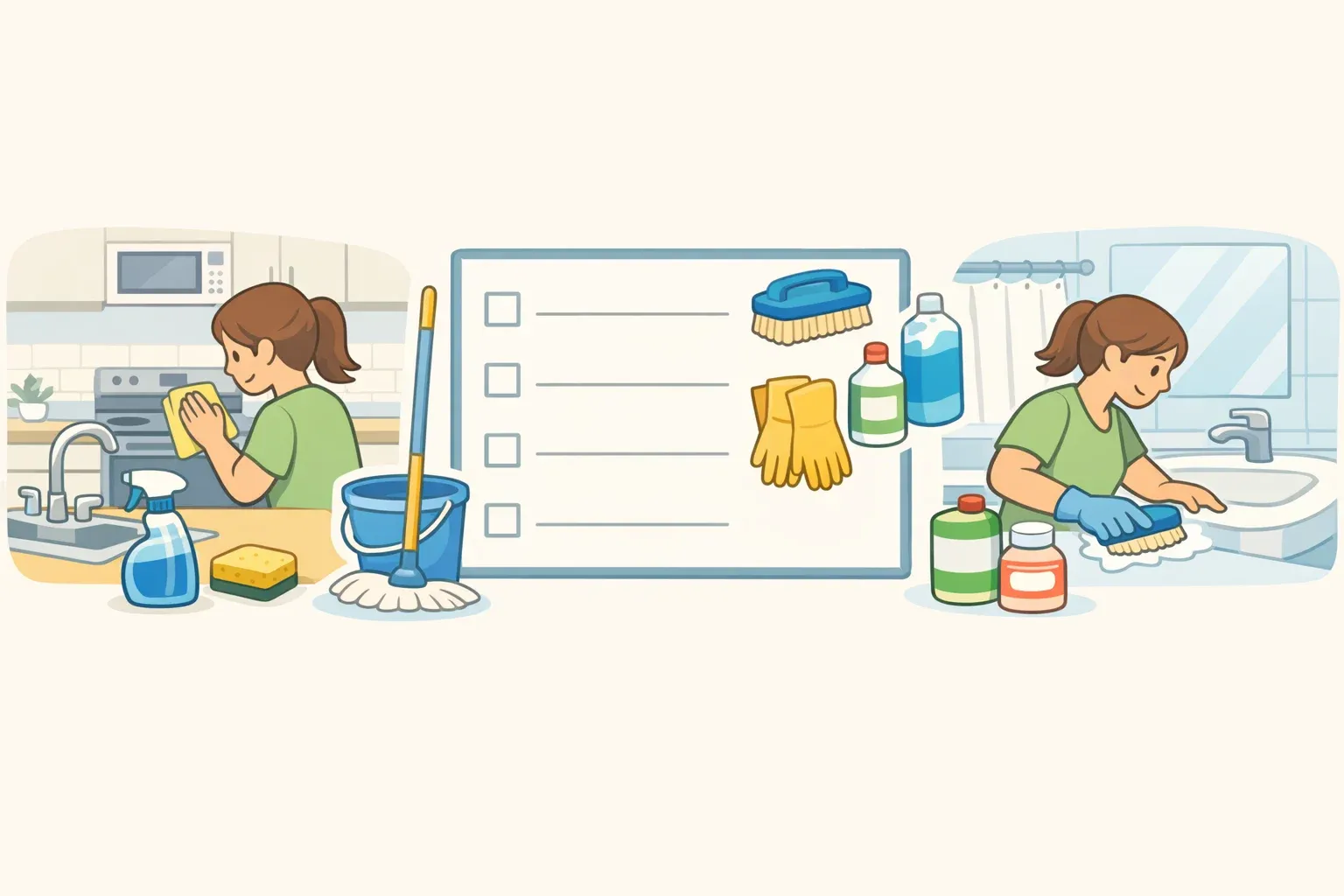
Most people carry a low hum of guilt about cleaning: the countertops that only got a quick wipe, the bathroom that hasn't seen bleach in weeks, the couch cushions nobody has vacuumed under since spring. Public health guidance doesn't back that guilt up. In most homes, cleaning with plain soap, water, and some scrubbing removes most of the germs on a surface, no disinfectant required, according to CDC hygiene guidance.
That single fact is the foundation of a realistic cleaning routine for busy people. Disinfecting at home is likely not needed unless someone in the household is sick or a sick visitor has recently been there, per CDC guidance on home cleaning from early last year. The same guidance adds that daily sanitizing may not be necessary if surfaces are cleaned carefully after use.
This guide builds a manageable cleaning schedule around the tasks that actually have evidence behind them: high-touch surfaces, food-prep areas, dust, allergens, and moisture. It shows where each one fits into a daily, weekly, or monthly rhythm.
Ordinary chores like dishes, trash, and laundry loads still run on household need rather than any medical schedule, so they get only a brief mention below. Bigger jobs like radon testing or chimney inspections aren't cleaning tasks at all; they get their own short calendar at the end, kept separate so they don't clutter the weekly list.
To follow along, you'll want basic soap or detergent, a vacuum, microfiber cloths or paper towels, and, for the rare occasions they're actually called for, one EPA-registered disinfectant. If you ever prepare a bleach solution, make it fresh and follow the product's instructions rather than mixing up a batch to keep on the shelf.
Clean, sanitize, or disinfect? The rule that simplifies everything
People use these three words interchangeably, but they describe different jobs. Cleaning removes dirt and germs with soap and water. Sanitizing reduces germs to a level considered safe. Disinfecting kills what's left. Most households only need to do the first one on a routine basis.
Order matters, too. Surfaces need cleaning before they're sanitized or disinfected, because leftover dirt and grime can stop those chemicals from reaching the germs underneath. A disinfectant only works if the surface stays visibly wet for the full contact time listed on its label. Wipe it dry too soon, and the product hasn't finished its job.
When to use a sanitizer or disinfectant
Use a sanitizer or disinfectant when one of these applies:
Someone in the household is sick, or a sick visitor recently came through.
A household member has a weakened immune system.
Food-contact surfaces need attention after a flood or other emergency.
A recalled food item touched the inside of the refrigerator. In that case, sanitize the surface; CDC guidance specifies sanitizing, not disinfecting, for this trigger.
These four triggers come straight from CDC guidance on home cleaning. Outside of them, cleaning is the whole job. Households with young children or a member who has a weakened immune system may simply need to clean more often, a cue to clean more frequently rather than a reason to start disinfecting daily.
Hand hygiene, the CDC points out, is one of the main ways to limit germ spread at home in the first place. This rule is why the checklist below stays short: every task in it has already been filtered through the question of whether cleaning alone gets the job done.
A realistic cleaning routine for busy people
Filtered through that rule, the result is a short daily and weekly cleaning checklist, plus a handful of tasks that only need attention monthly, seasonally, or when a specific trigger shows up. A note on the cadences below: CSU Extension recommends vacuuming, checking AC trays, and washing bedding "regularly" or "often" without pinning down an exact interval, so the weekly and monthly labels here are practical scheduling defaults, not literal thresholds from the research.
Daily/regular: Wipe high-touch surfaces
When: Regularly and after visitors
Why: Reduces germs on frequently touched areas, including light switches, doorknobs, and countertops, per CDC guidance.
Daily/regular: Clean other surfaces
When: When visibly dirty; clean more often if you have young children or someone with a weakened immune system
Why: Matches cleaning effort to actual risk instead of following a fixed schedule, per CDC guidance.
Weekly practical default: Vacuum
When: Aim for weekly, with extra passes in areas where pets are allowed
Why: Removes dust, dander, and allergens that can trigger asthma, according to Colorado State University Extension.
Weekly based on household needs: Wash dishes, take out trash, and do laundry
When: As volume demands
Why: These tasks depend on how your household uses its spaces rather than a specific health guideline.
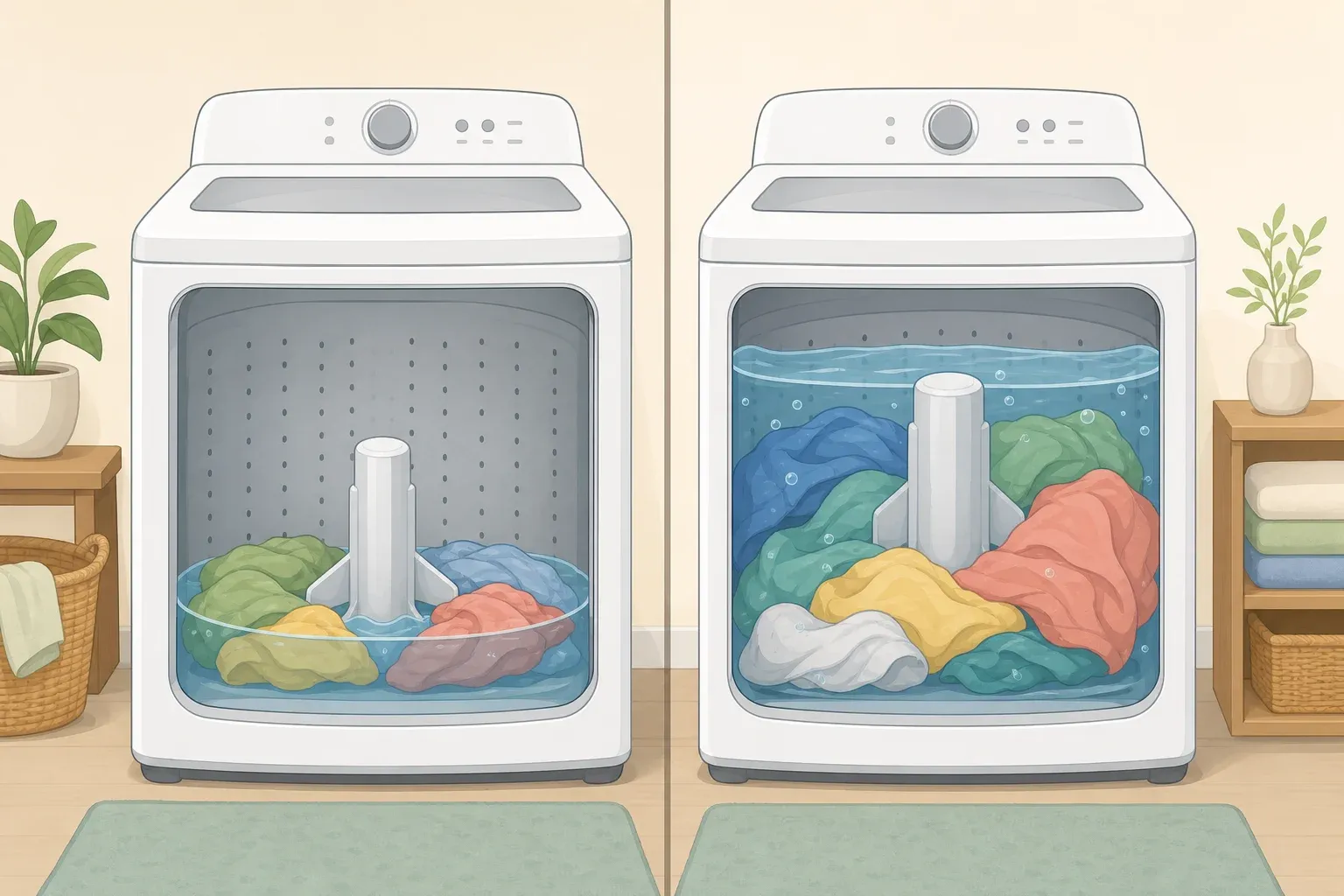
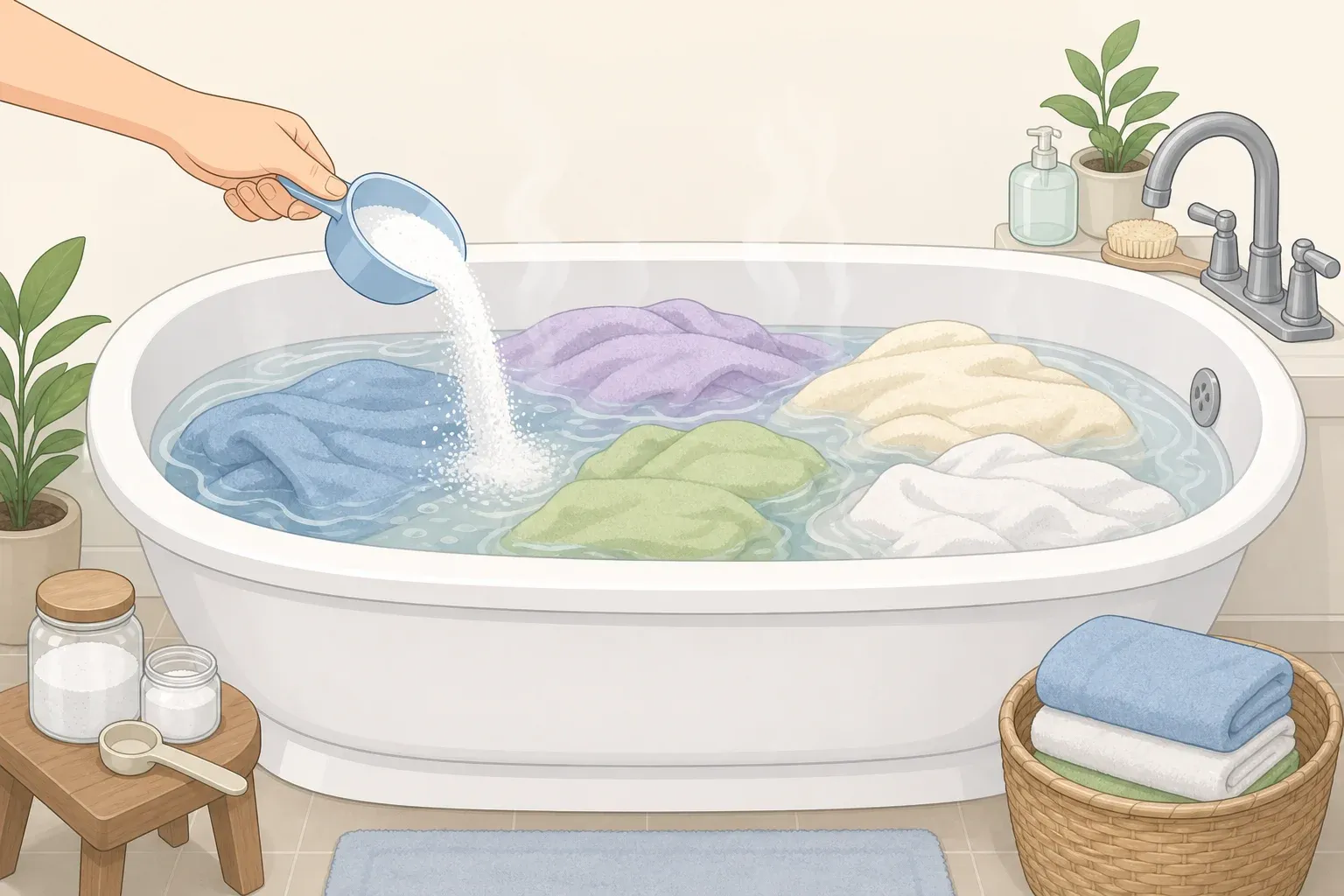
Monthly or seasonal practical default: Wash bedding
When: Periodically, using water above 130°F
Why: Helps reduce dust mites in bedding, according to Colorado State University Extension.
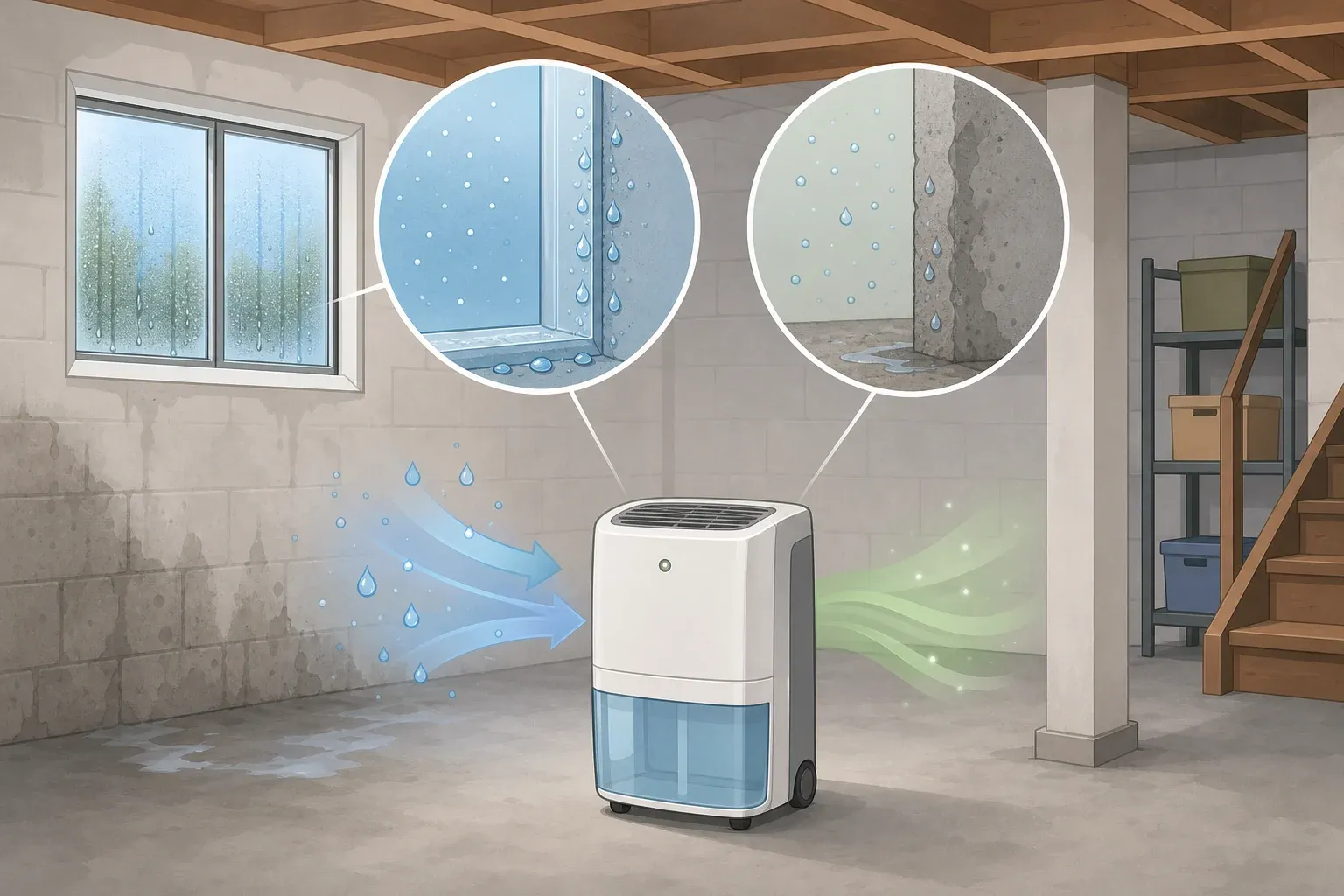
Monthly or seasonal practical default: Check for moisture and maintain filters
When: Check bathrooms and basements for condensation or standing water regularly; empty AC water trays and change filters according to manufacturer instructions
Why: Moisture encourages mold, mildew, and dust mites, according to Colorado State University Extension.
As needed: Sanitize food-contact surfaces
When: After a flood or other emergency
Why: Addresses possible contamination following water damage, per CDC guidance.
As needed: Sanitize the inside of the refrigerator
When: After a recalled food item has touched it
Why: Targets a specific contamination event rather than routine grime, per CDC guidance.
As needed: Disinfect
When: Only when someone in the household is ill
Why: Reserves disinfection for the situations identified by the CDC.
Keep this table as a reference. Everything else in this guide either supports it or bounds it.
What you can drop from your mental list: whole-home disinfecting when nobody's sick, daily sanitizing on surfaces you already clean carefully, a fixed schedule for cleaning every low-touch surface instead of cleaning it when it's visibly dirty or as needed, and treating the annual safety jobs further down this article as recurring chores. All of that traces back to CDC guidance on home cleaning and disinfecting.
A cleaning routine for busy schedules works best broken into small blocks rather than one long session: a five-minute counter-and-stovetop reset after cooking, one dedicated vacuuming block on a weekend day, and a five-minute moisture check in the bathroom or basement once a month. If a week gets away from you, restart with the high-touch surfaces and anything visibly dirty; don't try to make up every missed task at once.
A small apartment with no pets can usually skip the extra vacuuming pass and spend that time on bedding instead. A pet-heavy household should flip that ratio, with more frequent vacuuming where pets are allowed, while bedding and moisture checks stay on their normal cadence. Splitting tasks by person, one household member on daily high-touch wipe-downs, another on the weekly vacuum, keeps the whole system from landing on one person's to-do list.
Using cleaning products without overdoing it
Follow the product and dilution instructions on the label rather than assuming more solution or a longer soak works better. Household cleaners, aerosols, paints, and air fresheners can release irritating vapors or volatile organic compounds, so choosing nonaerosol, lower-toxicity products and running a fan or cracking a window while using them cuts down on that exposure.
Bleach deserves particular respect. It's corrosive to some metals and to skin and lungs; it produces irritating fumes in enclosed spaces, and it must never be mixed with ammonia or other chemicals because of the risk of toxic gas. If you prepare a bleach solution for sanitizing, make it fresh, since it breaks down quickly once mixed, and follow the label's dilution and contact-time instructions rather than eyeballing it.
Ordinary food-prep surfaces don't need sanitizing
Countertops and cutting boards used for everyday cooking need cleaning, not automatic sanitizing. The five-step food-safety sequence used in commercial kitchens, dry clean, wet clean, rinse, sanitize, air dry, was built for food-contact surfaces in professional settings. The part of it that carries over at home: clean a surface thoroughly with soap and water before sanitizing or disinfecting anything, whether that's a kitchen counter after a recall or a bathroom surface during an illness. Skip the last two steps for routine dinner cleanup; those are for the triggers described earlier, not for wiping down the counter after chopping vegetables.
Tailoring the routine to your household
The baseline above works for most homes, but a few adjustments are worth making depending on who lives there.
If someone in the household has a weakened immune system, the CDC's advice is to disinfect promptly when illness shows up rather than build disinfection into the daily routine as a precaution. If pets or allergies are in the mix, put the effort into vacuuming and pet-area cleaning rather than reaching for more products. If a room runs consistently damp, fix the moisture source, an exhaust fan or a dehumidifier, instead of just cleaning it more often; moisture itself encourages mold, mildew, and dust mites.
The maintenance calendar, not the cleaning list
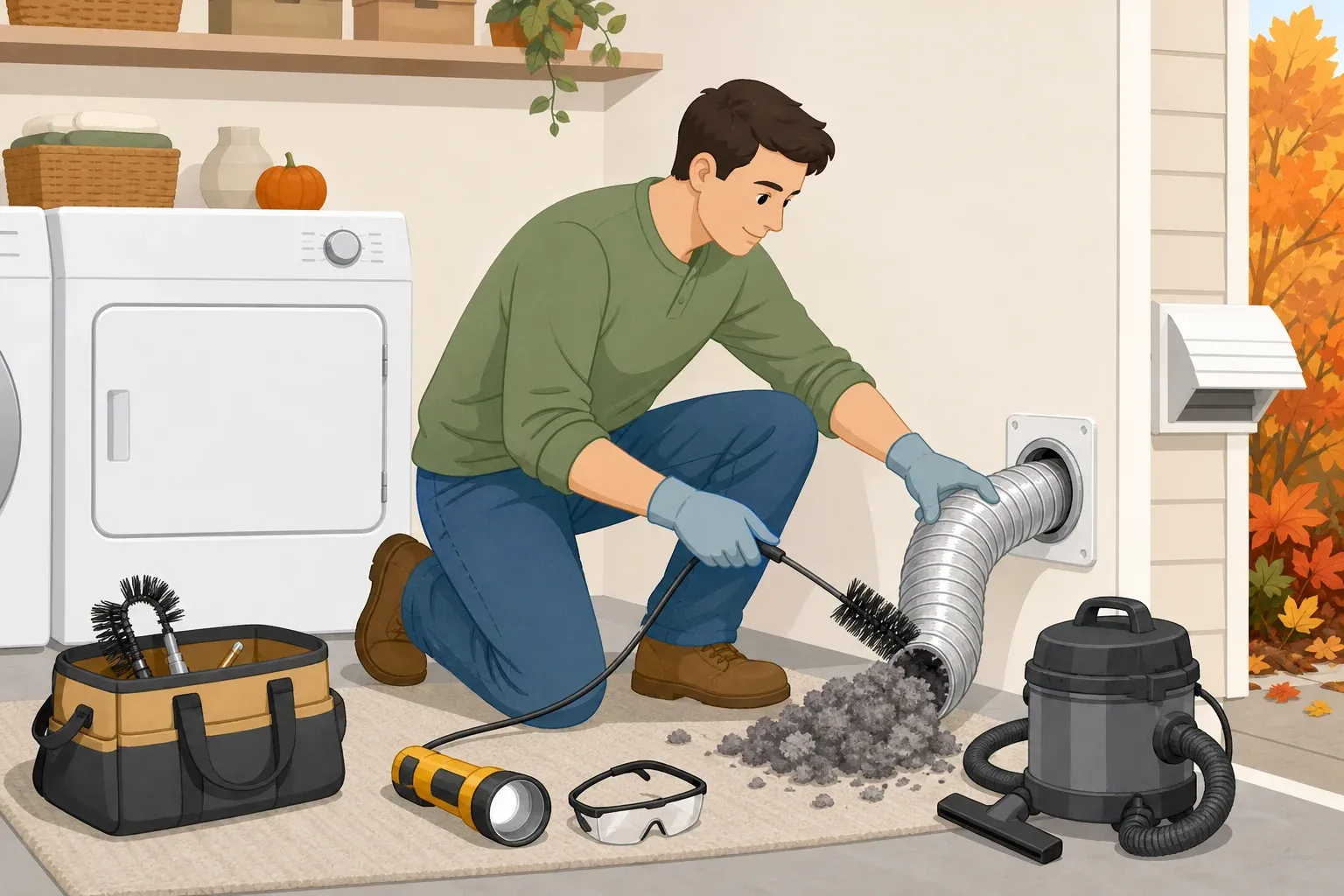
A few jobs get lumped in with cleaning that really belong on a separate maintenance calendar. Have heating systems and water heaters, including gas piping and venting, inspected every year, and have chimneys or flues inspected annually for backdrafting, obstructions, or damage. Clear dryer lint from around and under the dryer regularly, and clean the vent and ductwork regularly as well; neither task is tied to a strict yearly interval in this guidance, just consistent upkeep.
Test the home for radon; professional mitigation is recommended if the reading comes back at 4 picocuries per liter or higher. Asbestos and lead paint need separate handling. Never cut, rip, or sand suspected asbestos-containing material, and call a professional if it's damaged or you're planning renovations that would disturb it. Lead-based paint is different again: don't sand, burn, or remove it yourself, and hire someone specifically trained to handle lead-based paint problems.
None of that belongs on a weekly checklist. Keeping it off is what keeps the routine above realistic instead of aspirational.
Where this leaves your routine
A low-maintenance home cleaning routine isn't about doing less out of laziness. It's about matching effort to actual risk. Skip the guilt over an undisinfected countertop and put the saved time into three concrete habits: a regular high-touch reset on light switches, doorknobs, and counters, one weekly vacuuming block, and a monthly moisture check in the bathroom or basement.
If your household includes pets, allergies, a member with a weakened immune system, or a room that never quite dries out, the tailoring notes above adjust that same baseline instead of replacing it. Add a radon test and an inspection call to the home-maintenance list, and the routine is done.
Comments
Be the first, drop a comment!