



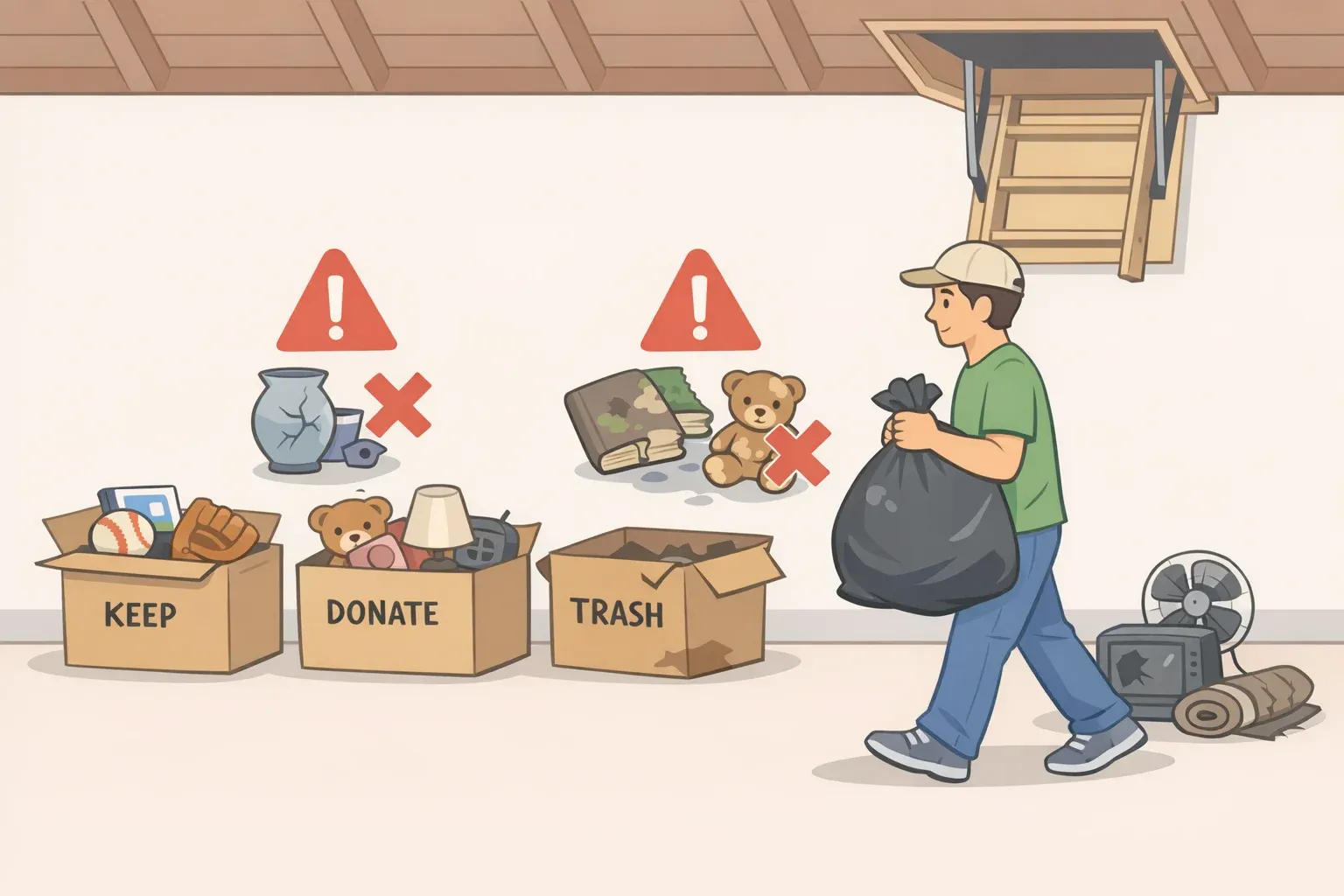
Items You Should Never Store in the Attic: 8 Categories
Most attics don't store things. They slowly ruin them.
The items you should never store in the attic keep ending up there anyway, and professional organizer Cathy Orr of The Uncluttered Life identifies eight categories that consistently take the damage: paper documents, clothing, electronics, wooden furniture, flammable substances, food, candles, and wax items. In most cases, the attic environment is already working against them (Southern Living, early 2026).
The reason isn't forgetfulness. Clothing tied to a past version of yourself, children's artwork you can't quite discard, heirlooms with no obvious home the attic is where emotionally complicated decisions go to wait. Professional organizers, who spend their working lives helping others let go, admit they feel the same pull (HuffPost, late 2025). The problem isn't the feeling. Deferral has a cost, and the attic collects it quietly.
This guide works through three tiers: items that must come out now because they pose active risks, items being silently damaged that can still be saved if moved, and sentimental items that need a real decision rather than another year overhead. Each category gets a clear action.
Tier 1: Remove immediately items that pose active safety risks
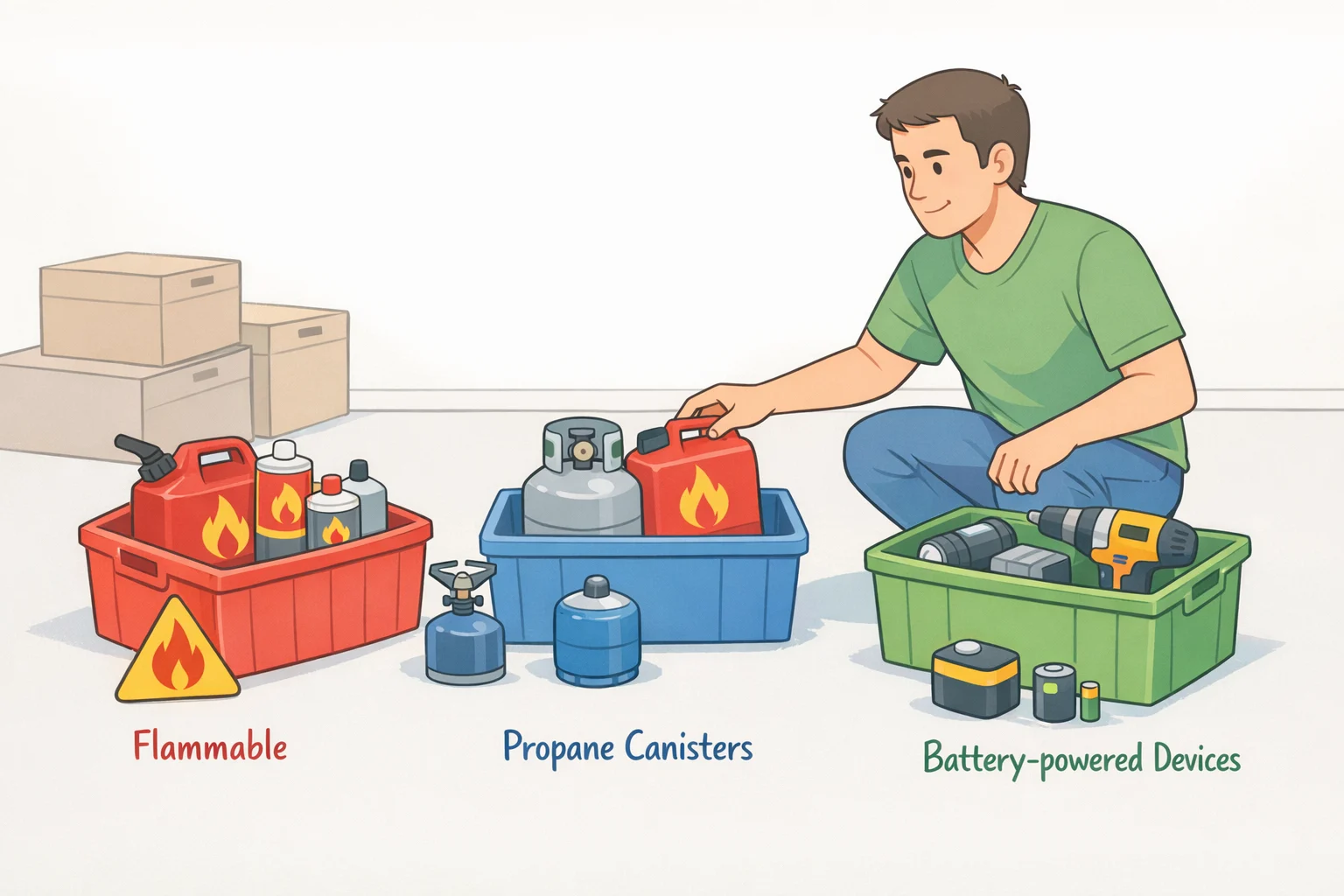
These come out before anything else, not because the attic will ruin them, but because they can cause harm while they're up there.
Flammable and pressurized substances. Paints, solvents, aerosols, and propane canisters don't belong in spaces with wide temperature swings. Orr warns that their fumes can leak into the living environment below and that contents can become unstable when temperatures drop sharply a risk she says applies equally to garages (Southern Living, early 2026). Any uninsulated space with significant temperature variation qualifies.
Action: These don't go in household trash. Locate a municipal hazardous waste drop-off program for paint, solvents, and pressurized containers before removal day, so disposal and removal happen in a single pass.
Electronics with batteries. Summer heat can damage circuit boards, and batteries stored under sustained high temperatures may rupture or explode (Southern Living, early 2026). A device that hasn't been turned on in years probably isn't a keepsake worth those conditions.
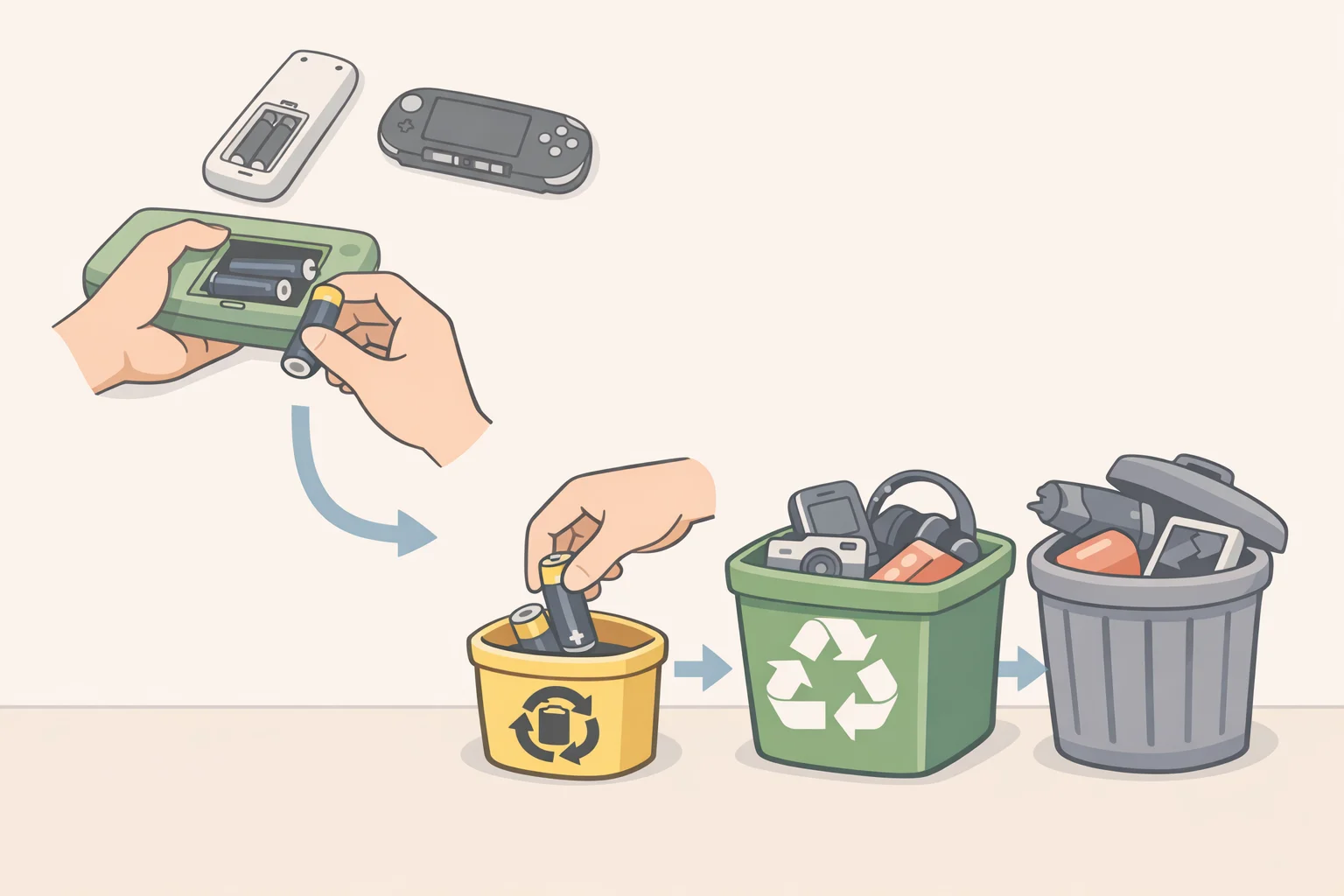
Action: Remove batteries before any device goes into a warm space. Working devices belong in interior closets. Non-working ones belong in electronics recycling, not sealed in an attic with cells still inside.
Food and pet food. Both attract insects and rodents directly into the home. Orr calls it "a big no-no" and recommends keeping both in sealed containers in areas where the temperature doesn't fluctuate (Southern Living, early 2026).
Action: Bring it down and store it in sealed containers in a temperature-stable area. Expired food goes in the trash. There's no sentimental case for keeping food overhead.
These risks aren't seasonal. They're present any time the attic heats up, which happens without warning and without anyone noticing until something goes wrong.
Tier 2: Move within the week things not to store in the attic if you want them to survive
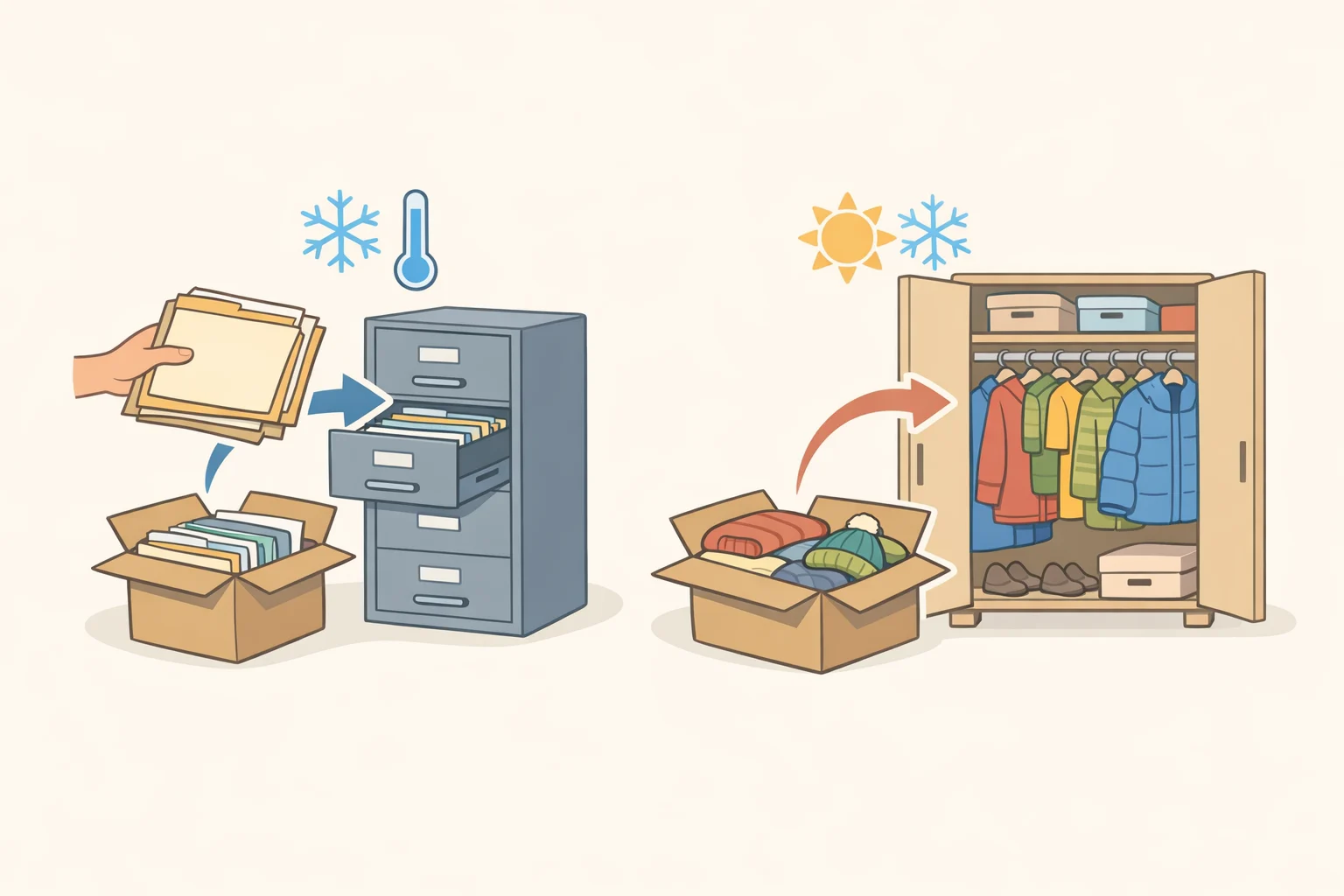
Nothing in this tier needs to be discarded outright, but it does need to move. The question for each item is simple: is it worth the floor space somewhere better? If yes, move it. If not, that's a reason to let it go, not a reason to leave it overhead.
Paper documents and records. Orr is direct: "Paper can get moldy and yellow when it's stored in the attic. In particular, don't store your children's artwork if you want to keep it long-term" (Southern Living, early 2026).
Action: Financial and legal documents move to a filing cabinet in a climate-controlled room. Original artwork worth keeping moves indoors in acid-free sleeves. Paper that's already yellowed or showing mold is likely past saving act on it practically.
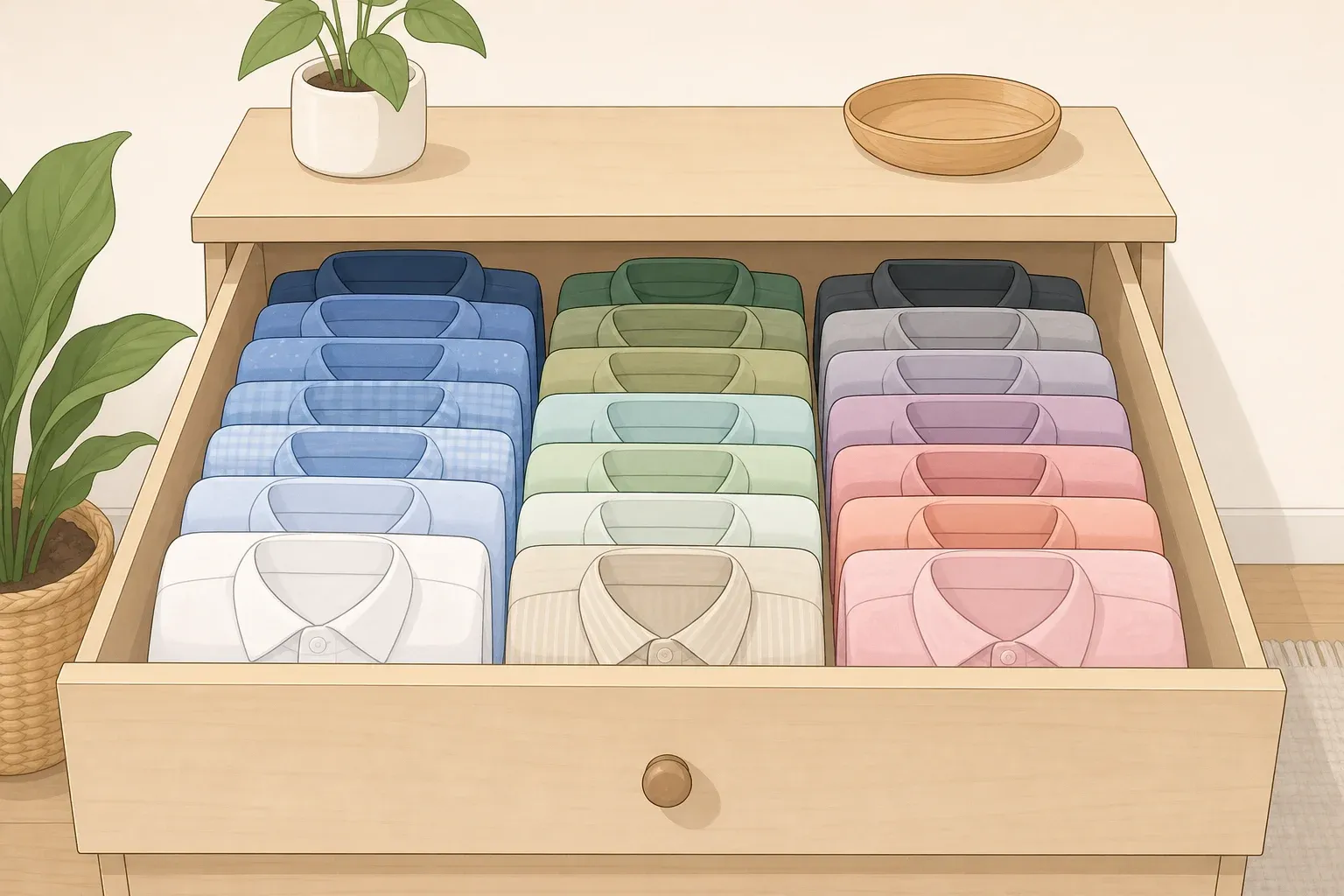
Clothing. Temperature and humidity swings cause fabric to yellow, attract bugs, and discolor. Orr's guidance is unambiguous: "Clothing should never be stored in the attic," and should instead be kept in a protected, dust-free environment (Southern Living, early 2026).
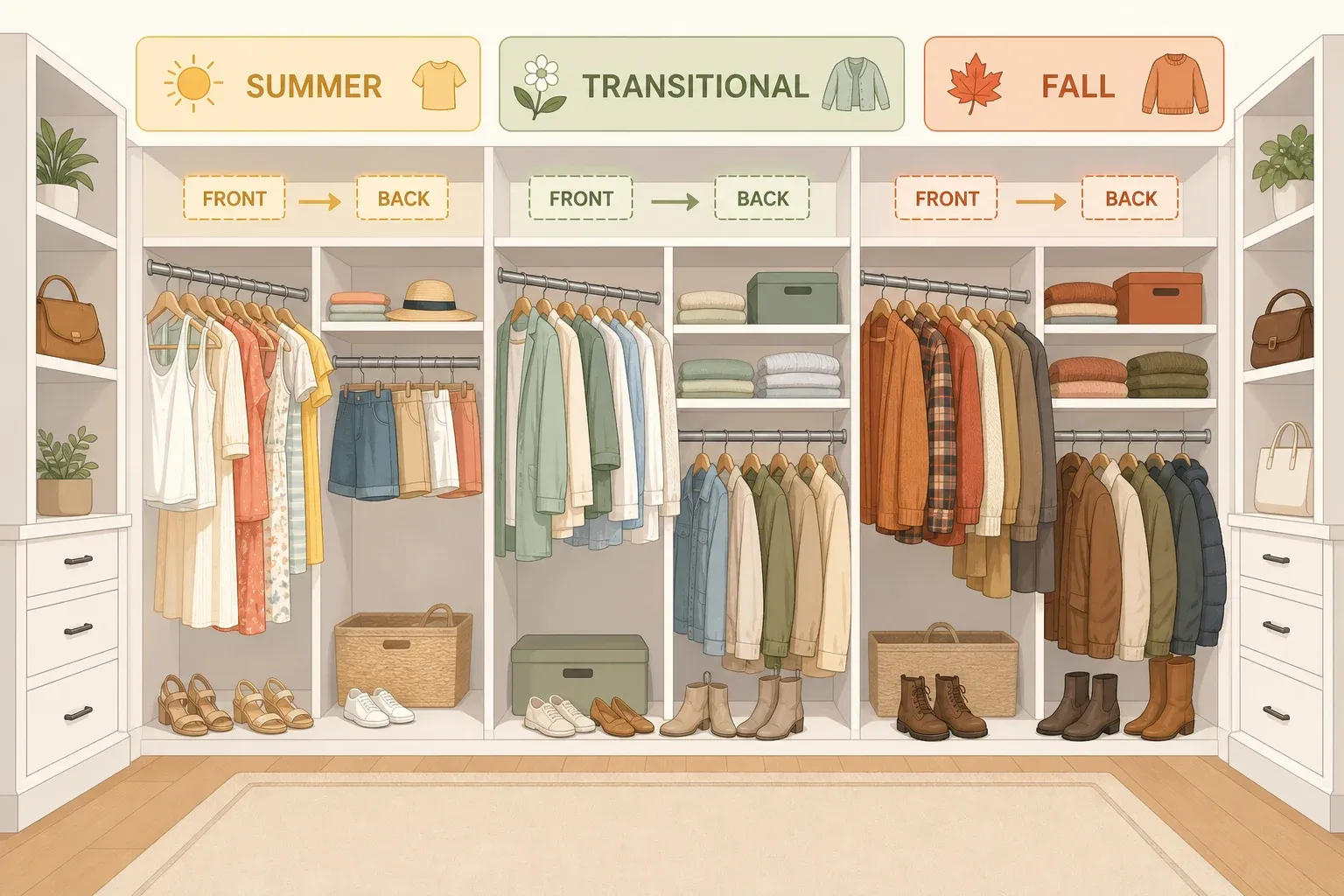
Action: Move seasonal clothing to a climate-stable closet in breathable garment bags. Clothing that's already yellowed or damaged won't recover toss it. For clothing you haven't worn and can't picture wearing again, Zaslow of Gotham Organizers offers a useful frame: don't feel bad about what you paid, and don't keep clothes you don't wear (HuffPost, late 2025). Donate it, pass it to family, or list it on Poshmark, Depop, or Facebook Marketplace.
Candles and wax items. Both are sensitive to extreme attic temperatures (Southern Living, early 2026).
Action: Move intact candles to a room-temperature cabinet. If they've already deformed, toss them.
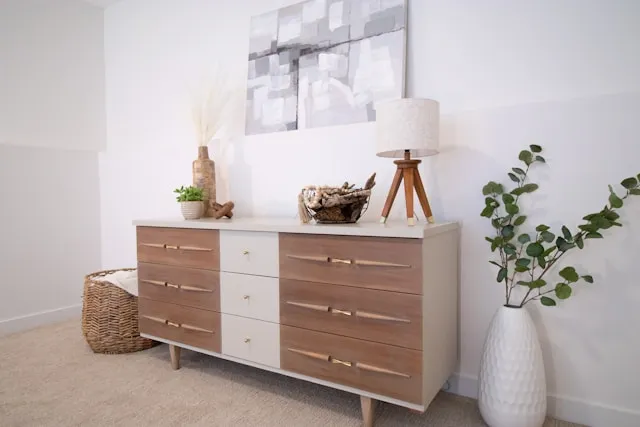
Real wood furniture and wooden instruments. Heat causes solid wood to warp, and Orr identifies attic storage as a real and specific risk for wooden pieces (Southern Living, early 2026). A wooden guitar, antique chest, or solid-wood side table that has spent multiple summers overhead may already be showing the effects.
Action: Move wooden pieces to interior spaces now. If a piece isn't worth the floor space elsewhere in the home, donate it before the attic finishes the job.
One practical note on sealed packaging: plastic bins and vacuum bags help with dust and moisture, but they don't address heat. Attic temperatures affect materials even inside sealed containers factor that into where you're moving things.
Tier 3: Decide now sentimental items that have been waiting long enough
This is where most attics fill up. The item isn't there because anyone forgot about it. It's there because the decision was hard, and putting it overhead felt like a way to postpone it without saying so.
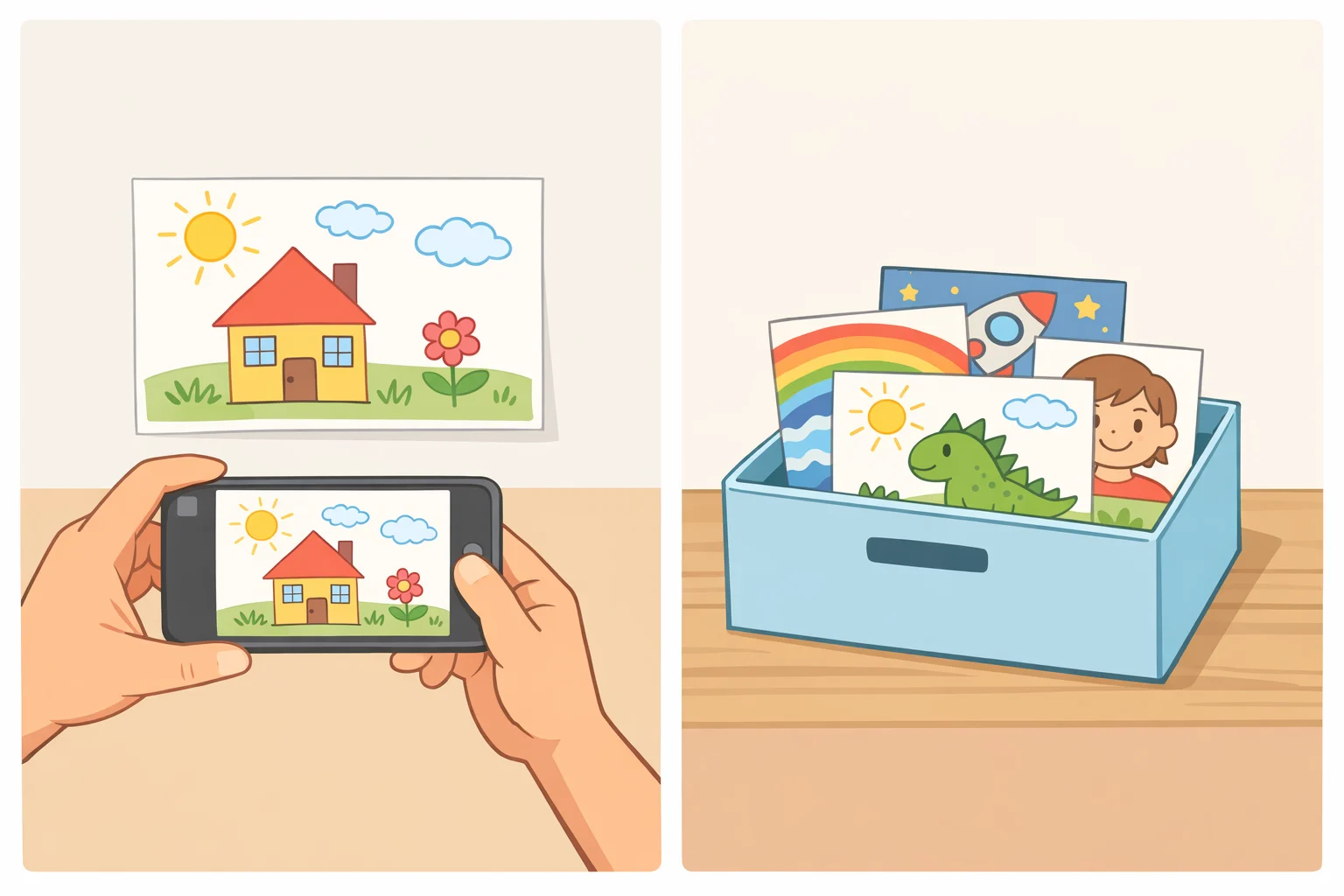
Professional organizers feel this too. Katie Hubbard of Turn It Tidy told HuffPost that letting go of things tied to loved ones can feel like letting go of part of the person themselves (late 2025). Tova Weinstock of Tidy Tova, who describes herself as "practically sentimental," says her weak spot is her child's stick-figure drawings. Her solution: keep a small number of originals so the collection stays meaningful rather than unmanageable, and photograph everything else. Hubbard and Zaslow of Gotham Organizers both land on the same approach a photograph preserves the memory without preserving the object (HuffPost, late 2025).
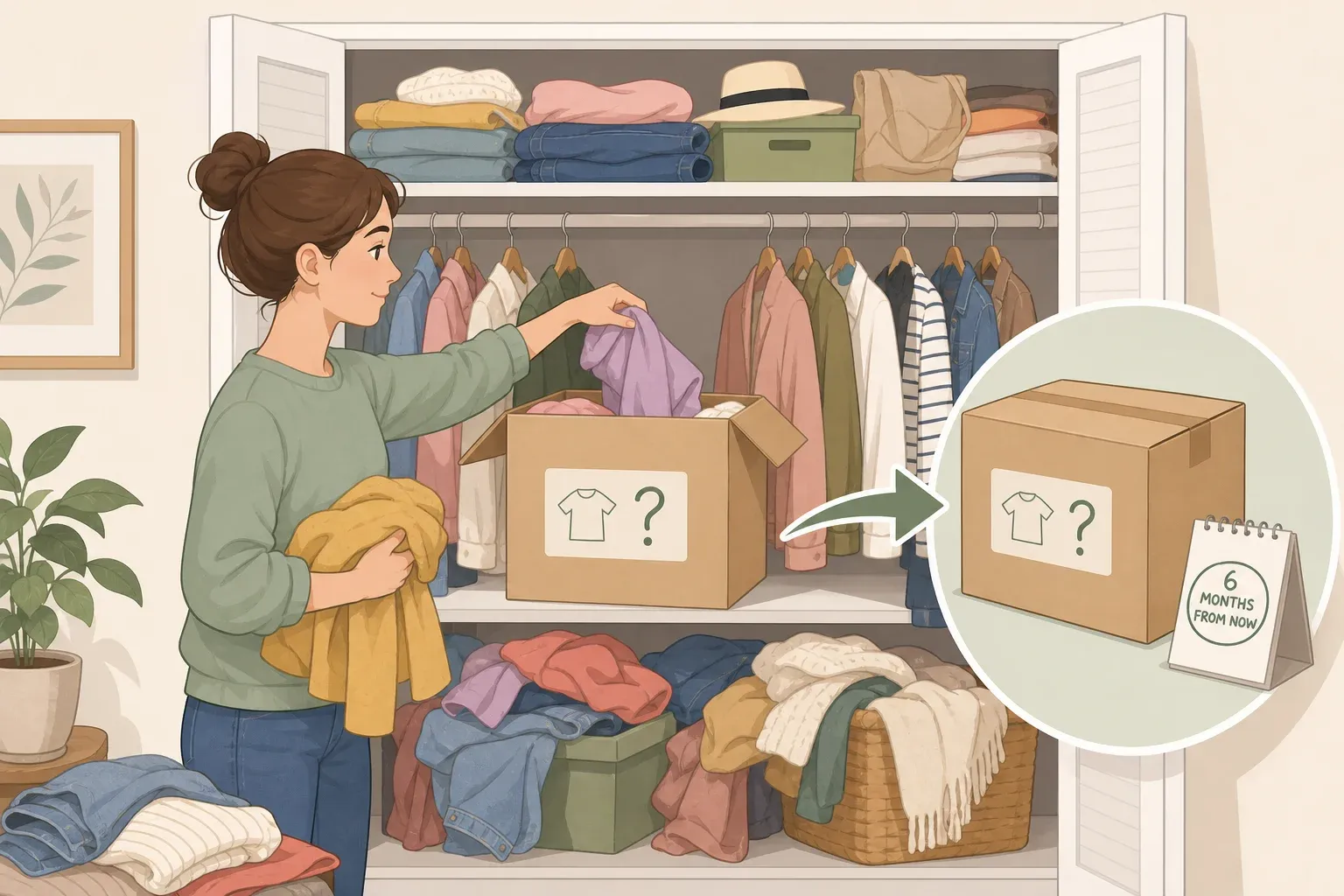
When guilt is doing the keeping. If the attachment is tied to guilt, fear, or "what ifs," Dina Smith of Closet Therapy with Dina says she acknowledges the feeling and releases the item (HuffPost, late 2025). Hubbard applies a harder test: "If you're putting items into a box and never taking them out, they may not hold as much importance as you think" (HuffPost, late 2025). Julie Naylon of No Wire Hangers puts the practical question plainly: "Ask yourself, what is the future of this object? Will it sit in a box for the rest of my life?" (HuffPost, late 2025).
For children's artwork: photograph everything, keep a curated selection stored indoors, and discard the rest. Weinstock's question is the useful one: "Will my child want to look at this when he's an adult or when I'm gone? The answer is yes for a few things, but not for a strong collection of sentimentality that will become a burden" (HuffPost, late 2025). One well-organized box carries more weight than three bins of paper yellowing overhead.
For heirlooms and keepsakes: put them to work if you can. Hubbard hangs her father's Navy sword on the wall alongside other military decor it's part of her daily environment, not gathering dust in a closet (HuffPost, late 2025). Bohne of Be Organized Method describes her approach as building "thoughtful systems whether that means preserving photos in archival boxes, displaying a meaningful item in a beautiful way or editing down a collection so it truly reflects what matters most" (HuffPost, late 2025). If an item can't be displayed and won't be used, it belongs with someone who will use it a family member, a donation center, or nowhere at all.
The volume limit. Hubbard limits her sentimental storage to one or two dedicated bins; when a bin overflows, that's the trigger to evaluate, not to find a bigger bin (HuffPost, late 2025). Weinstock's rule is the one worth carrying forward: "Sentimentality is about quality, not quantity. More quantity makes everything less valuable" (HuffPost, late 2025). Naylon puts the practical principle plainly: "You can't keep it all, but you can keep some. Identifying what is truly meaningful for you will help you discard the rest" (HuffPost, late 2025).
"I might want this someday" is not a reason to keep something in an attic. It's a reason to keep it somewhere it can survive, or to let it go entirely.
What to do next
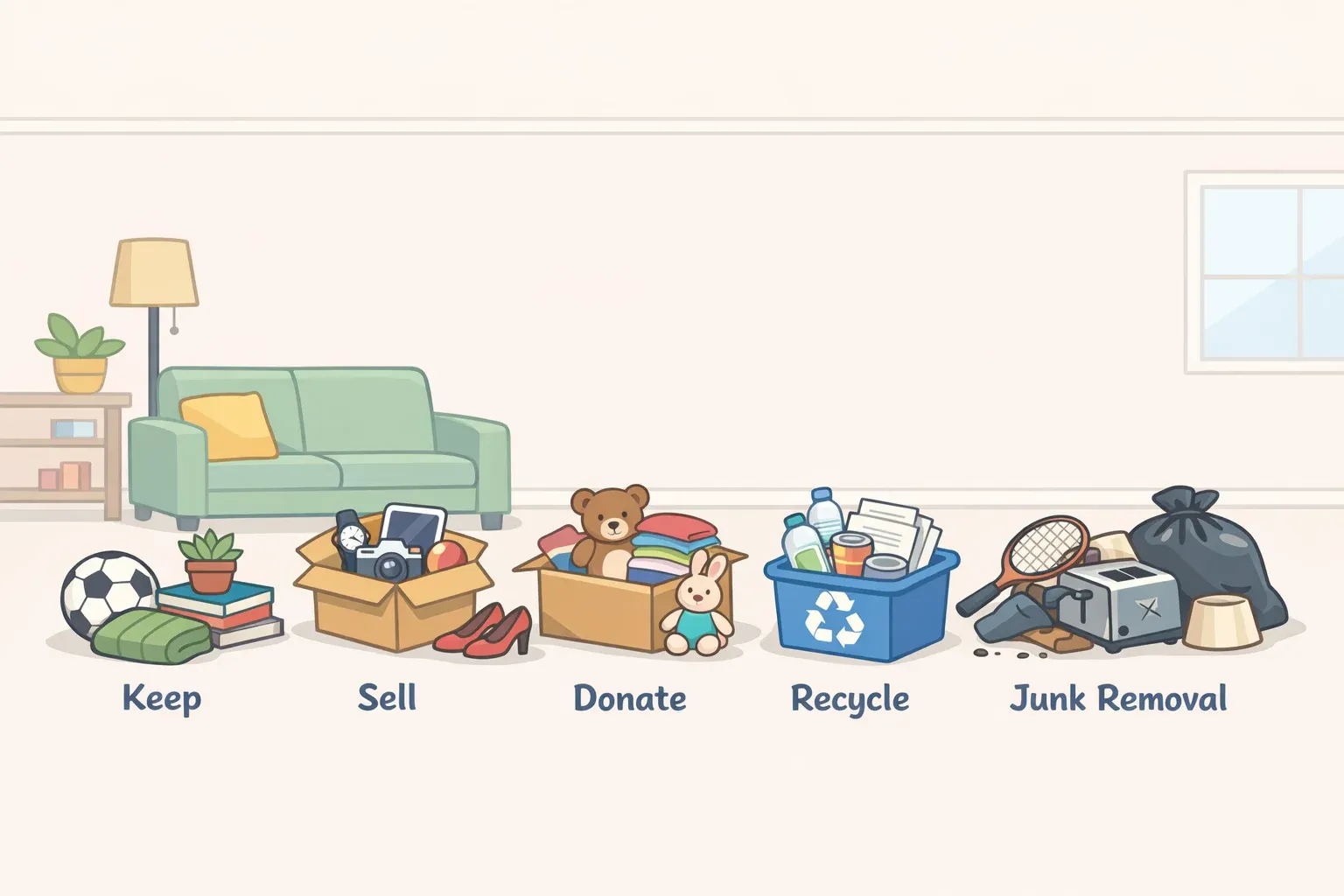
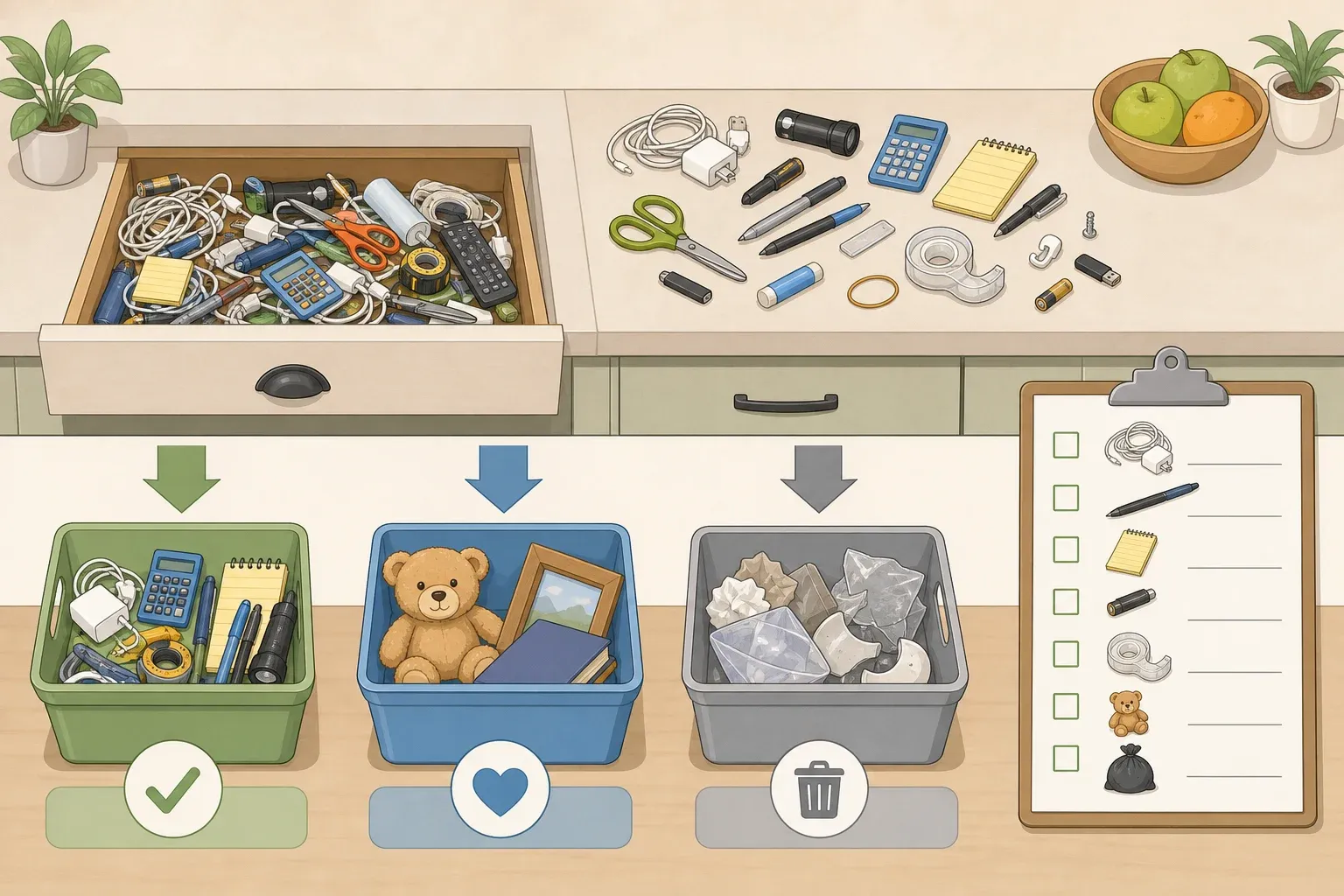
Here's the order of operations for clearing the attic in a single afternoon. Start with hazards: pull out any flammable substances, pressurized canisters, food, and battery-containing electronics first. Dispose of them properly before moving anything else. Then sort the remainder into three piles move to indoor storage, donate or rehome, and digitize or photograph before discarding. Work category by category rather than box by box; it's faster and forces cleaner decisions.
Once the obvious cases are handled, set a date six months out to check whatever remains. Organizers recommend revisiting stored items once or twice a year, because what felt essential in one season of life often looks different in the next (HuffPost, late 2025).
Regina Lark's framing is the one worth keeping: "When sentimentality and practicality are in tension, I remind myself that the love and the stories live in me, not in the object" (HuffPost, late 2025). The attic doesn't have to be empty. It just can't do the deciding for you.




Comments
Be the first, drop a comment!