




Best Self-Cleaning Electric Range Brands: What CR Tests
Search for "best self-cleaning electric range brands" and plenty of confident lists turn up, ranking GE above Whirlpool, LG above Samsung, somebody always crowned the winner. Pull up Consumer Reports' actual range-testing and brand-ranking pages, and that confidence doesn't hold up the same way. CR describes how it tests self-cleaning in the lab and how it scores range brands overall, but nothing in its published brand-ranking methodology shows a standalone self-cleaning score broken out brand by brand.
CR's lab technicians slather a proprietary goop onto oven interiors to evaluate self-cleaning functionality, as one part of its broader range evaluation (Consumer Reports, updated last month). That check runs alongside other standardized tests: baking more than 2,400 cookies and 400 cakes a year, measuring broiling temperature uniformity with thermocouples, and timing how fast a cooktop brings four liters of water to a near-boil (Consumer Reports, updated last month). Its brand-level rankings, meanwhile, come from a composite Overall Score blending lab performance, features, predicted reliability, owner satisfaction, and price across the models in its current ratings (Consumer Reports, 2026).
One wrinkle is worth addressing before going further. A separate CR page on pro-style ranges carries the headline "These Electric Range Brands Scored The Highest Self-Cleaning Score According To Consumer Reports," language that sounds like exactly the per-brand ranking this article says isn't published (Consumer Reports, 2026). A review of CR's methodology pages and the research gathered here turns up no visible self-cleaning subscore and no explanation of how one would be calculated; self-cleaning appears to be folded into the single composite figure along with reliability, features, and satisfaction data, with no breakdown shown anywhere. That headline exists. The scoring method behind it doesn't show up in the materials reviewed.
What Consumer Reports actually tests when it checks self-cleaning
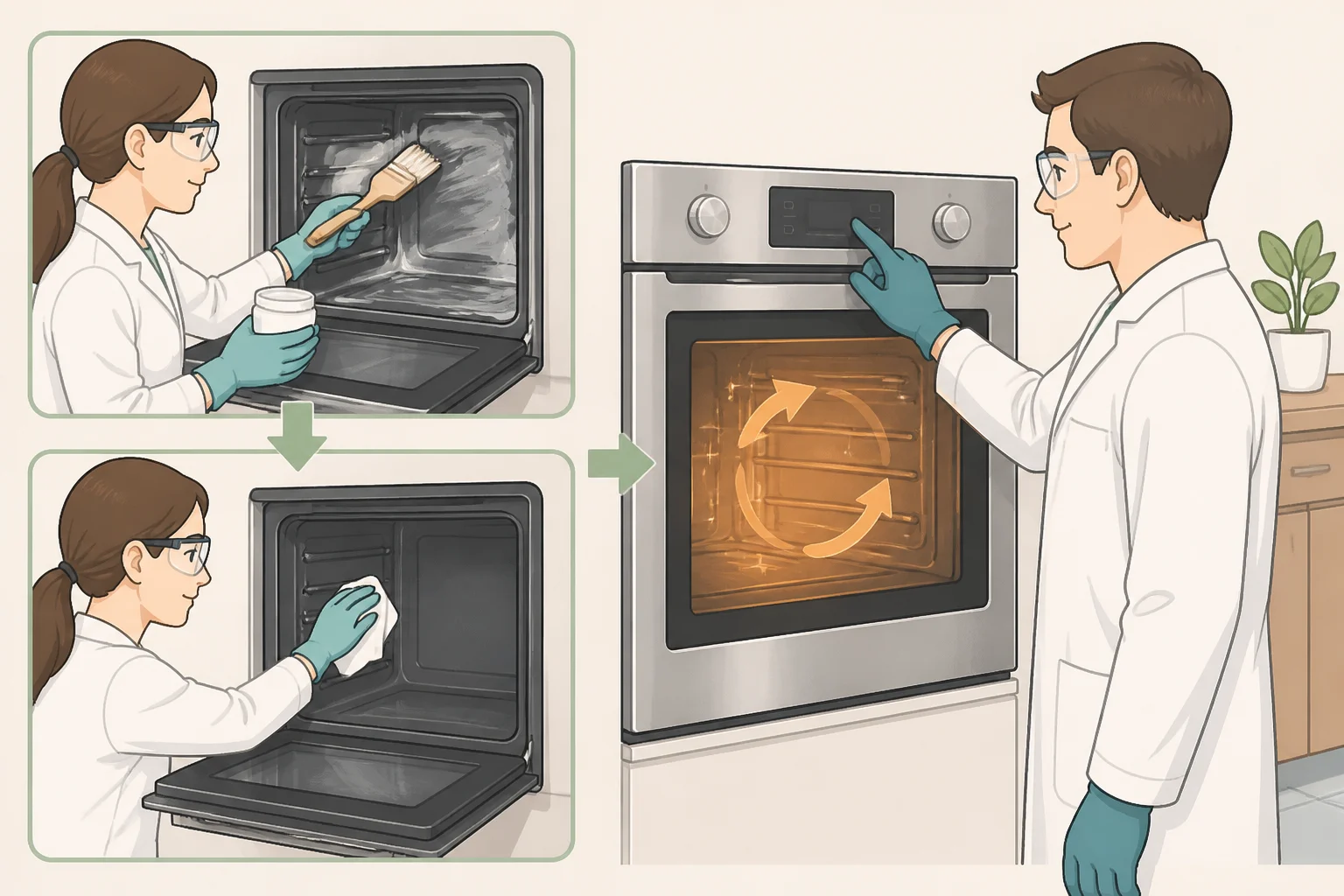
The self-cleaning check is a real lab procedure, not something CR takes on the manufacturer's word. Technicians apply the proprietary goop to oven interiors and run the self-clean cycle, part of the same test battery CR uses to bake hundreds of cookies and cakes, check broiler evenness, and measure boil and simmer times (Consumer Reports, updated last month).
"We see some of the biggest differences in how well they bake and broil," says Kenneth Sutton, who leads CR's testing for ranges, cooktops, and wall ovens (Consumer Reports, updated last month). Induction ranges as a group have outperformed other range types across CR's current ratings, though that finding describes cooking performance broadly, not the self-cleaning check specifically (Consumer Reports, 2026).
On its brand-level page, CR also lists an effective self-cleaning function as one quality of "the best range brands," grouped with strong cooktop performance and consistent oven temperatures rather than shown as its own labeled score (Consumer Reports, 2026).
Why the self-cleaning test doesn't produce a named brand ranking
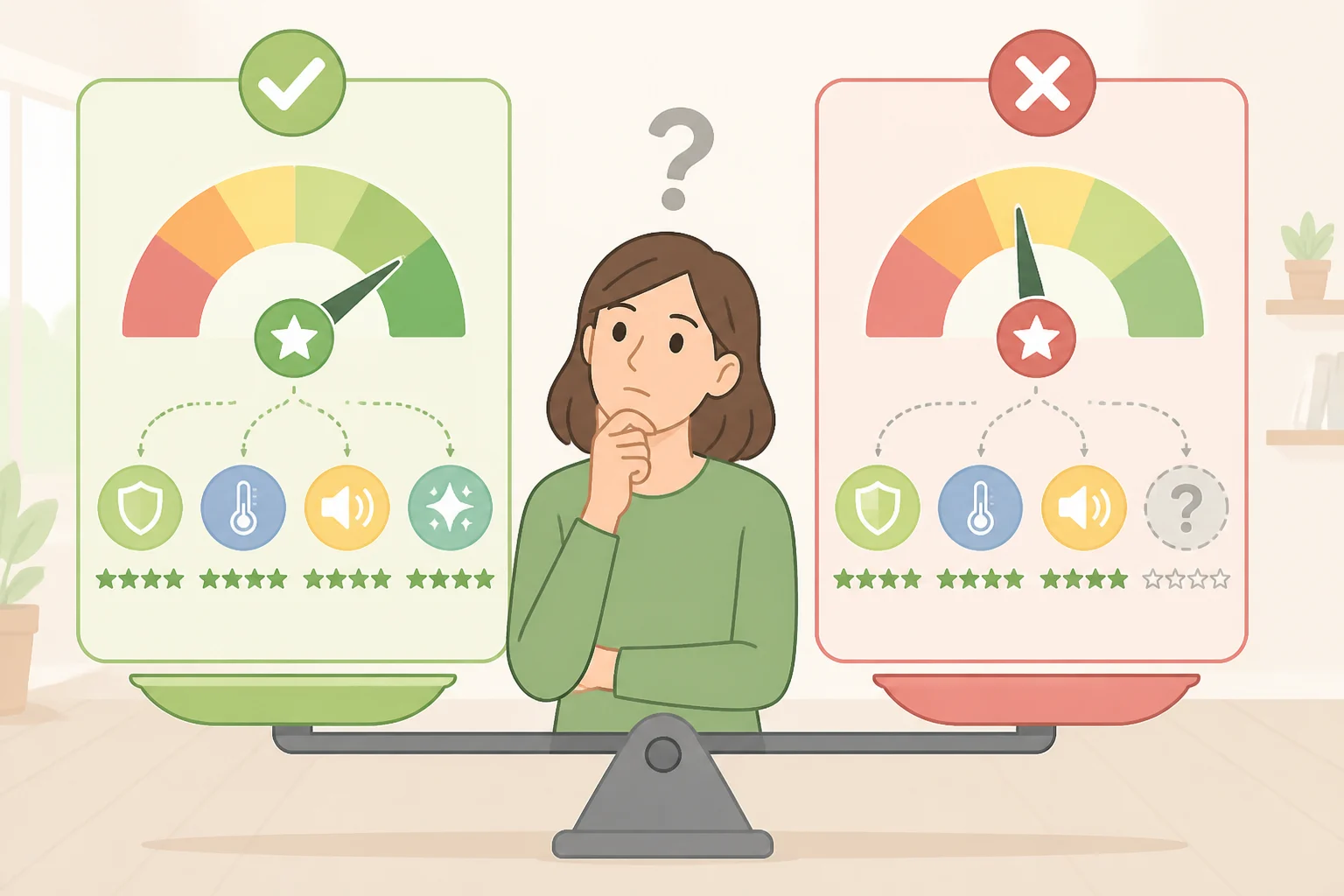
CR's Best Range Brands figure is a statistical rollup. It takes the Overall Scores of every gas, electric smoothtop, electric coil, and induction range in CR's model-level ratings and folds them into one brand-level number, covering lab performance, features, reliability, satisfaction, and price together, not any single attribute shown on its own (Consumer Reports, 2026).
That system has one clear eligibility rule. CR says it includes brands with at least three ranges in the relevant current ratings (Consumer Reports, 2026). Pro-style brands fall outside that count because CR doesn't test enough of those models to clear it (Consumer Reports, 2026). That gap shows up in a practical way too: some pro-style ranges skip self-cleaning altogether despite premium price tags. "Even basic conveniences that you'd take for granted on a regular range, like a digital oven display or preheat light, are often missing on pro-style ranges," says Tara Casaregola, the CR test engineer who oversees range testing (Consumer Reports, 2026).
The Kenmore 2296853 shows a related but separate rule at work. The range itself lists a high-temperature self-clean mode as a named feature, along with bake, broil, convection, air fry, and a temperature probe (Consumer Reports, last year). Kenmore as a brand, though, has insufficient survey data for a full brand-level rating on this attribute and instead receives a weighted category average (Consumer Reports, last year). That figure draws on CR's 2023 through 2025 surveys covering 4,431 electric induction ranges, a separate dataset from the roughly 40,000-range survey behind CR's overall brand rankings (Consumer Reports, 2026). That's a survey-volume gap specific to brand-level ratings, not the same thing as the three-model rule that keeps pro-style brands out of the rankings entirely.
How to compare electric ranges with the best self-cleaning feature
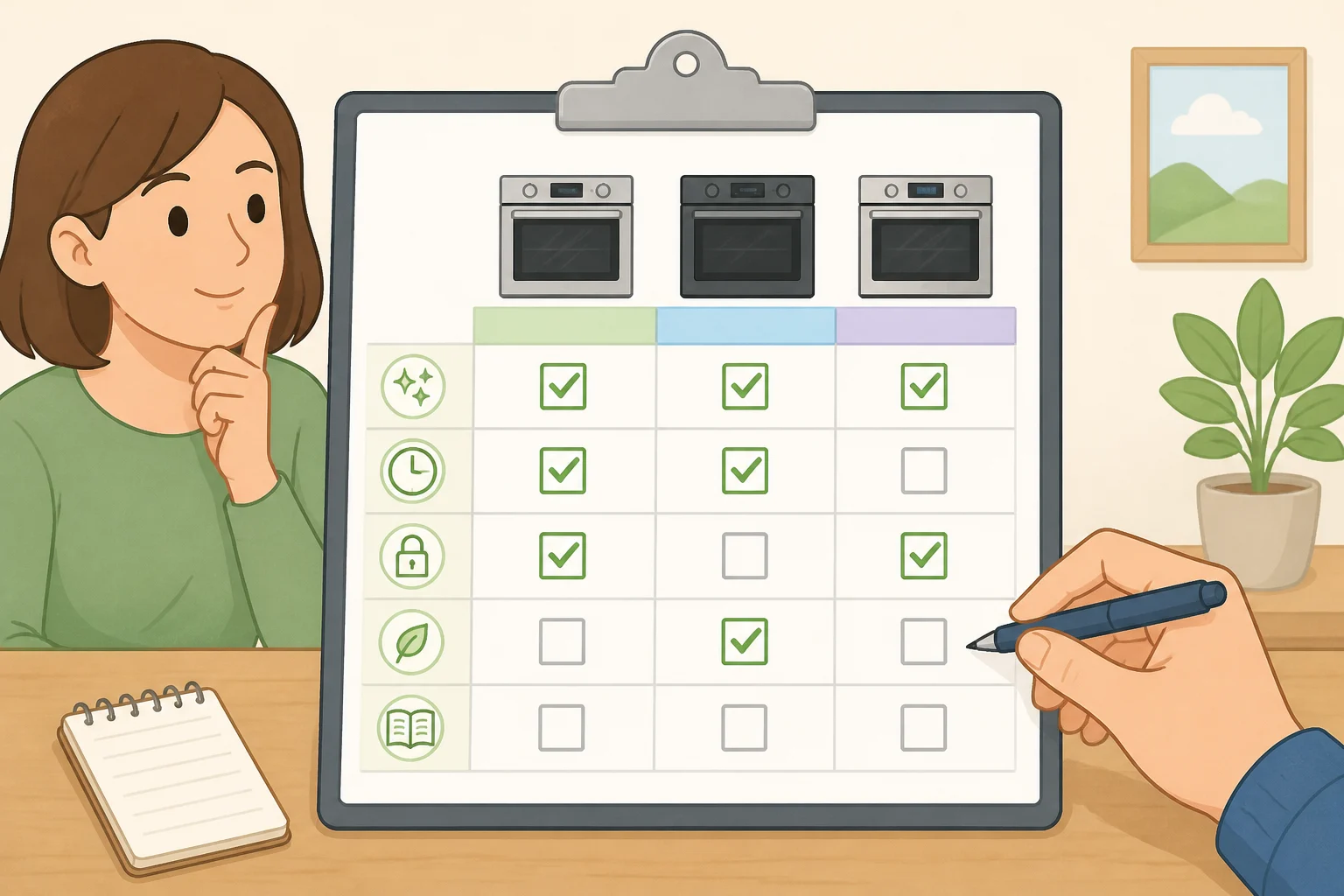
Since CR's composite brand score doesn't expose a standalone self-cleaning number, reconstructing that comparison means separating what CR documents from what only the manufacturer's manual will confirm. Searching for Consumer Reports self-cleaning electric range ratings, in practice, means assembling this by hand. CR doesn't offer it as one lookup table.
For each model under consideration, check:
- Self-clean feature name on the spec sheet or CR's model page. Confirm the range self-cleans at all, and note what CR or the manufacturer calls the cycle. Kenmore's is "high-temperature self-clean."
- CR model-level review, if one exists. CR currently rates nearly 200 range models, including 61 electric smoothtop, 27 induction, 8 electric coil, 66 gas, and 12 pro-style (Consumer Reports, 2026), so a given model may have its own listed features and specs even when its brand lacks a full ranking.
- Reliability and satisfaction data, kept separate. CR's surveys ask whether a range broke within five years and whether the owner would recommend it to a friend (Consumer Reports, updated last month). That's ownership experience, not cleaning performance, and merging the two overstates what either number actually shows.
- Warranty length, listed on the model page or in the manual. The Kenmore 2296853 carries a 1-year warranty (Consumer Reports, last year), relevant if the self-clean cycle or an oven sensor fails later.
- The manufacturer's manual for that exact model. CR's pages confirm a cycle exists and name it, but duration, item-removal instructions, ventilation steps, and door-lock behavior aren't part of what CR publishes. Only the manual for that specific model has those details.
Running the Kenmore 2296853 through that list shows what the comparison looks like filled in, including where the data stops:
- Confirmed cleaning feature: high-temperature self-clean (Consumer Reports, last year).
- Other oven modes: bake, broil, convection, air fry, keep warm, proof, and a temperature probe (Consumer Reports, last year).
- Brand-level data: insufficient survey data for a brand rating on this attribute; a weighted category average applies instead (Consumer Reports, last year).
- Warranty: 1-year (Consumer Reports, last year).
- Unverified here: no standalone self-cleaning score appears on the model page, and cycle duration, ventilation guidance, and the item-removal list aren't part of what CR publishes. Those belong in Kenmore's owner's manual for this model.
That last line is the template worth copying for any second model under comparison: fill in the confirmed feature, the CR data that exists, and the fields that stay blank until the manual fills them in.
What to verify before you buy
Don't choose a range because a brand "won" self-cleaning. That comparison, broken out from CR's composite score, isn't something the materials reviewed here support, and the one headline that gestures toward it doesn't show a visible scoring method behind it.
Before running a self-clean cycle on any range, read the manufacturer's manual for that exact model first. Self-clean cycles run hot enough to produce smoke or odor as residue burns off, and manuals typically list items such as racks or probes to remove beforehand along with venting and door-lock instructions. Follow the manual for that specific model rather than assuming one brand's instructions carry over to another.
If the feature, manual instructions, model review, and warranty information fit your needs, that's enough information to compare the models you can actually verify. Where CR's materials don't show a number, specifically a standalone self-cleaning score, treat that as a gap in the published data rather than a mark against the range. CR labels Kenmore's brand rating as having insufficient data rather than assigning it a poor score (Consumer Reports, last year), and that distinction between "not scored" and "scored low" is worth keeping straight for any brand in a similar position.
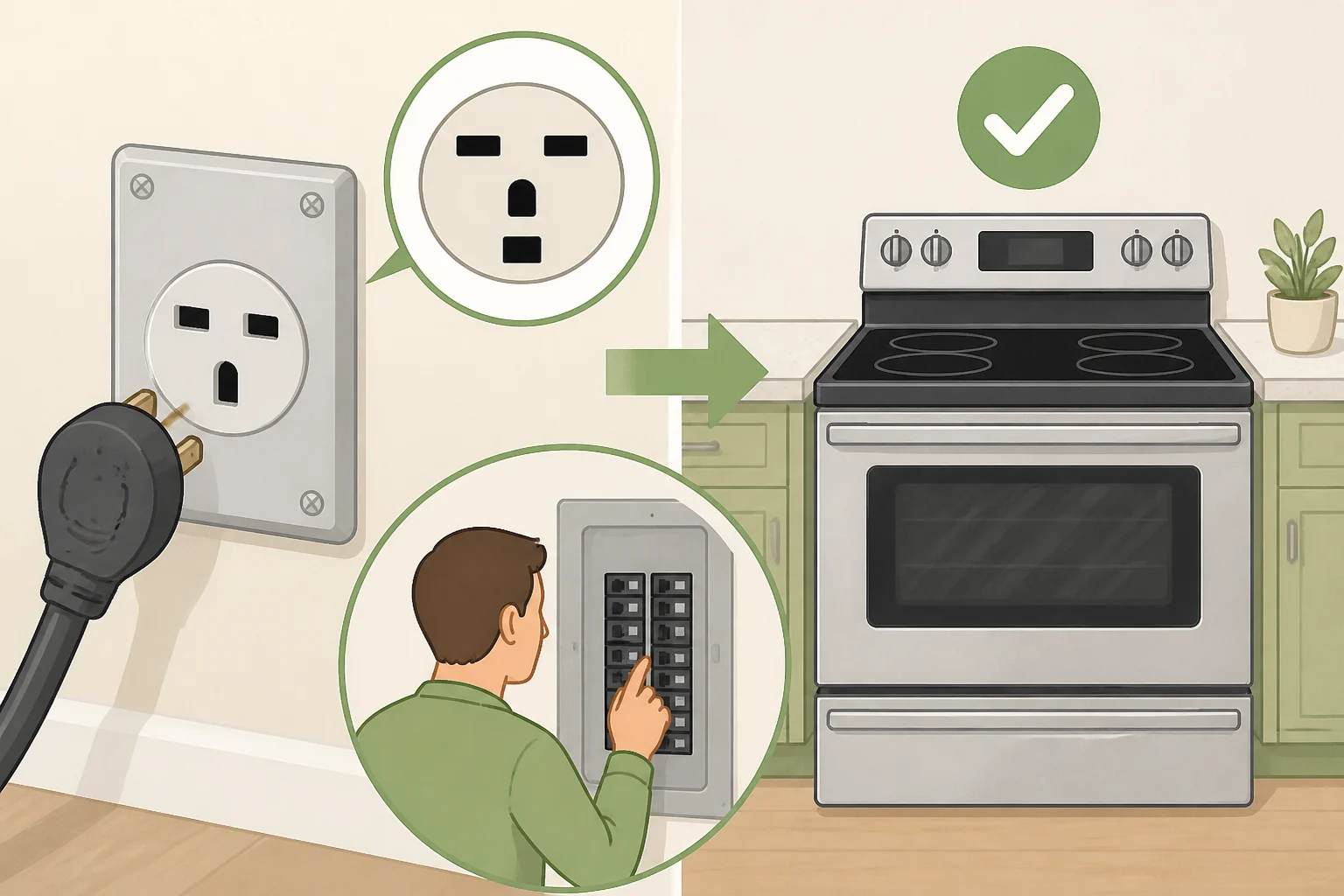
One install detail applies no matter which self-clean cycle a model uses: any electric range needs a 220-volt line (Consumer Reports, updated last month). Confirm your kitchen has one before purchase, separately from how well the oven cleans itself.


Comments
Be the first, drop a comment!