



Signs You're Clutter Blind and What Organizers Say to Do About It
Professional organizers have a name for something most people don't realize is happening to them. Clutter blindness is what occurs when accumulated mess becomes so familiar that your brain stops registering it as something that needs attention. The stuff is still there. The problem is that you've stopped seeing it.
This piece covers what clutter blindness is and why it forms, how to recognize the signs in your own home, and the practical techniques organizers use to break through it, plus a brief note on when clutter crosses from a lifestyle problem into something worth clinical support.
What is clutter blindness?
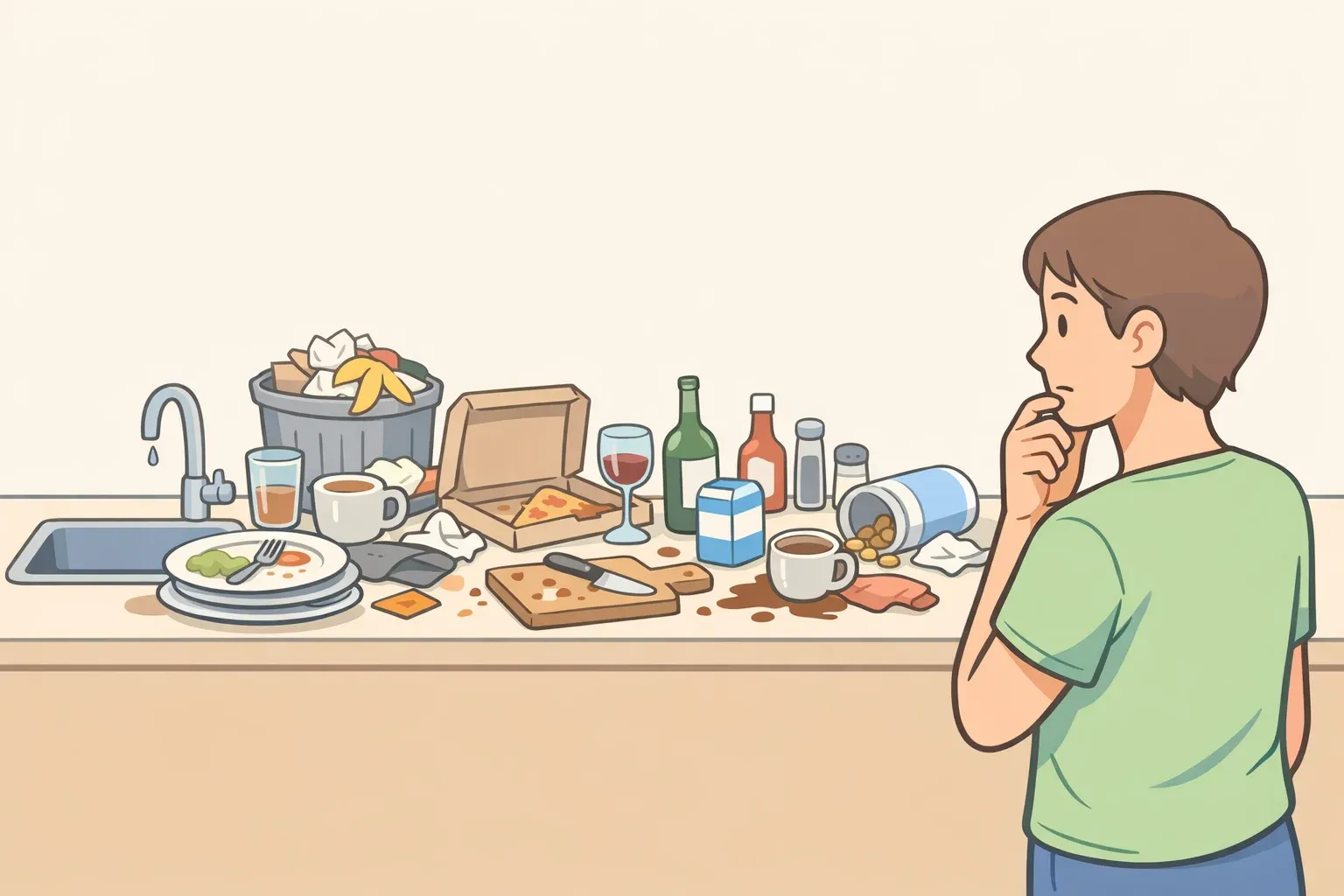
Victoria Tran, a professional organizer at Sorted, describes it plainly: when you become so accustomed to clutter in your home, your brain adapts to the environment and the mess blends into the background instead of standing out as something that needs attention, Good Housekeeping reported this week. The piles on the counter, the stack by the door, the chair that's accumulated six months of jackets they stop reading as problems. They become wallpaper.
Cheryl Russo of Organizing by Cheryl offers a useful illustration. Think about a fridge door covered in magnets, takeout menus, and old photos. You look at it every day, but you don't actually process what's there you've stopped seeing it as information. The same thing happens to counters, drawers, and floor space, Good Housekeeping reported. Your brain isn't broken. It's doing exactly what brains do: tuning out stable, unchanging stimuli so it can focus on things that actually change. The technical term is habituation. It only becomes a problem when the stable background your brain has accepted happens to be a cluttered one.
That's worth sitting with, because it reframes the whole issue. Clutter blindness isn't laziness or denial. It's a perceptual shift one that happens gradually, without any conscious decision.
The catch is that not noticing clutter doesn't mean you're not affected by it. A 2025 study of 501 adults found home clutter associated with more negative affect, lower life satisfaction, and reduced mental well-being, with part of that connection appearing to run through how cluttered spaces undermine our sense of a home as beautiful or restorative, Journal of Environmental Psychology reported last week. The researchers note those mediation findings are exploratory and need replication, but the core association held across demographic groups. Psychologist Joseph Ferrari has found the same pattern in his own work: more clutter correlates with lower reported life satisfaction, consistently, APA reported. Organizers put it more plainly: the clutter you've stopped noticing may still be stressing you out.
Five signs you're clutter blind
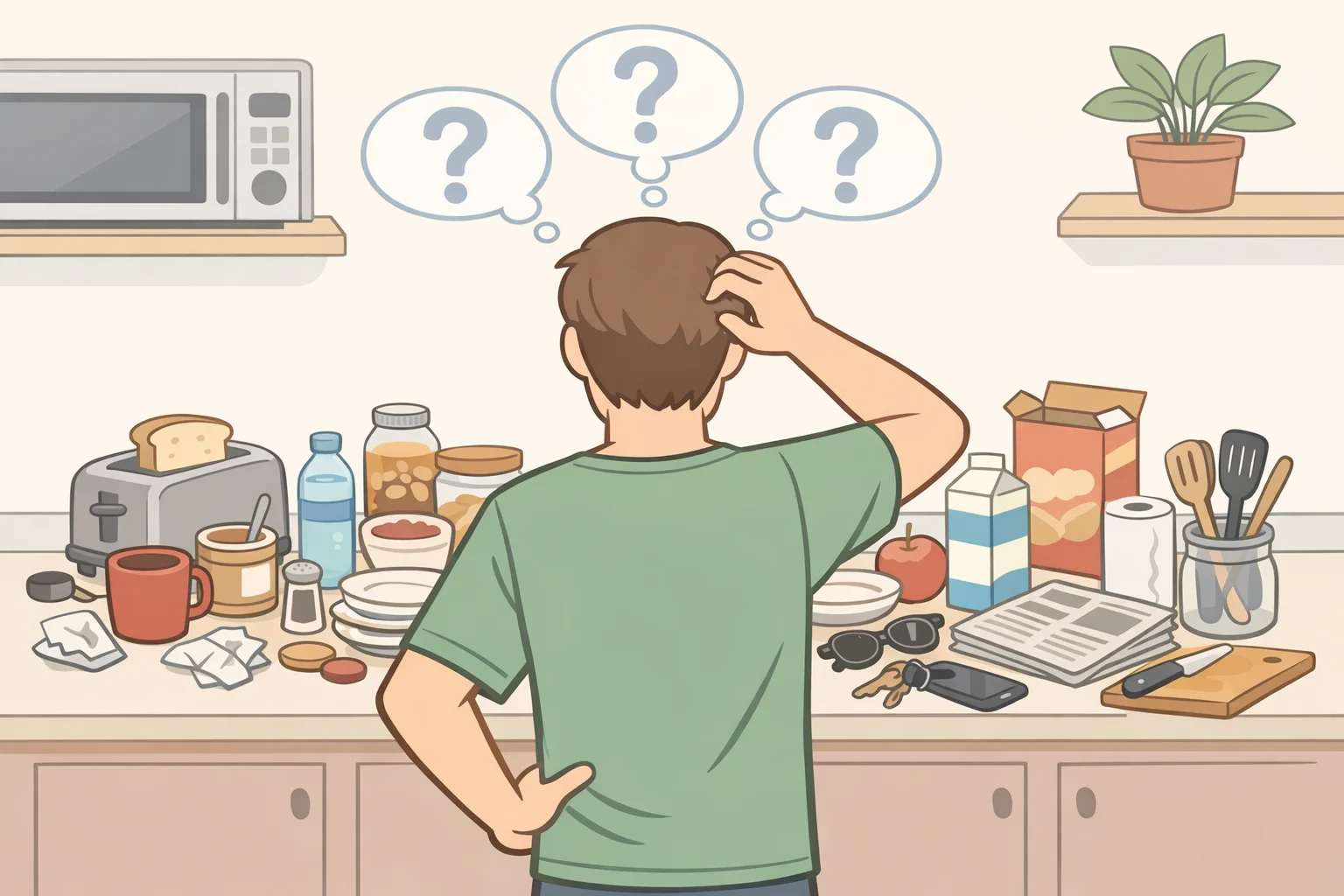
Most people are confident they'd notice if their home were genuinely messy. Clutter blindness works against exactly that confidence. The signs tend to show up sideways not as a sudden recognition that things are bad, but as small functional failures that are easy to explain away.
You regularly can't find things you know you own. When every surface has become a default resting spot, object locations stop meaning anything. Russo notes that visually saturated spaces cause people to forget what they already have, which leads to duplicate purchases, Good Housekeeping reported. Ferrari cites a study suggesting the average American household may hold over $7,000 worth of unused possessions, APA reported. That's not a storage problem. That's a visibility problem.
Guests react to your space differently than you do. If visitors seem uncomfortable, hesitate before sitting down, or make offhand comments about your home while you feel it looks fine that gap in perception is the clearest external signal that your baseline has shifted. As Tran puts it, fresh eyes catch what residents have long stopped seeing, Good Housekeeping reported.
You've stopped using a surface or room for its intended purpose. A dining table that only holds mail. A guest room that hasn't been accessible in months. When spaces quietly change function without any conscious decision, it's usually because clutter made the original use impossible and you adapted without registering it.
You walk past the same pile every day without a plan for it. Not avoiding it deliberately just not seeing it as something actionable. The pile has been there long enough to become part of the scenery. That's habituation in its most recognizable form.
Your clutter is causing friction with other people in your household. Ferrari notes that clutter strains relationships, APA reported. When one person no longer registers the mess and another does, conflict follows. That gap often traces back to different levels of adaptation to the same environment.
If you're uncertain whether any of this applies, start with the obvious spots. Ferrari's research with professional organizers identifies kitchens, closets, and bookshelves as the most reliable accumulation points, APA reported. Take a careful look at all three.
How to stop being clutter blind: what actually works
Each of the techniques below targets a specific failure mode. The goal in all of them is the same: disrupt the familiarity that makes clutter invisible, and see the space the way a stranger would.
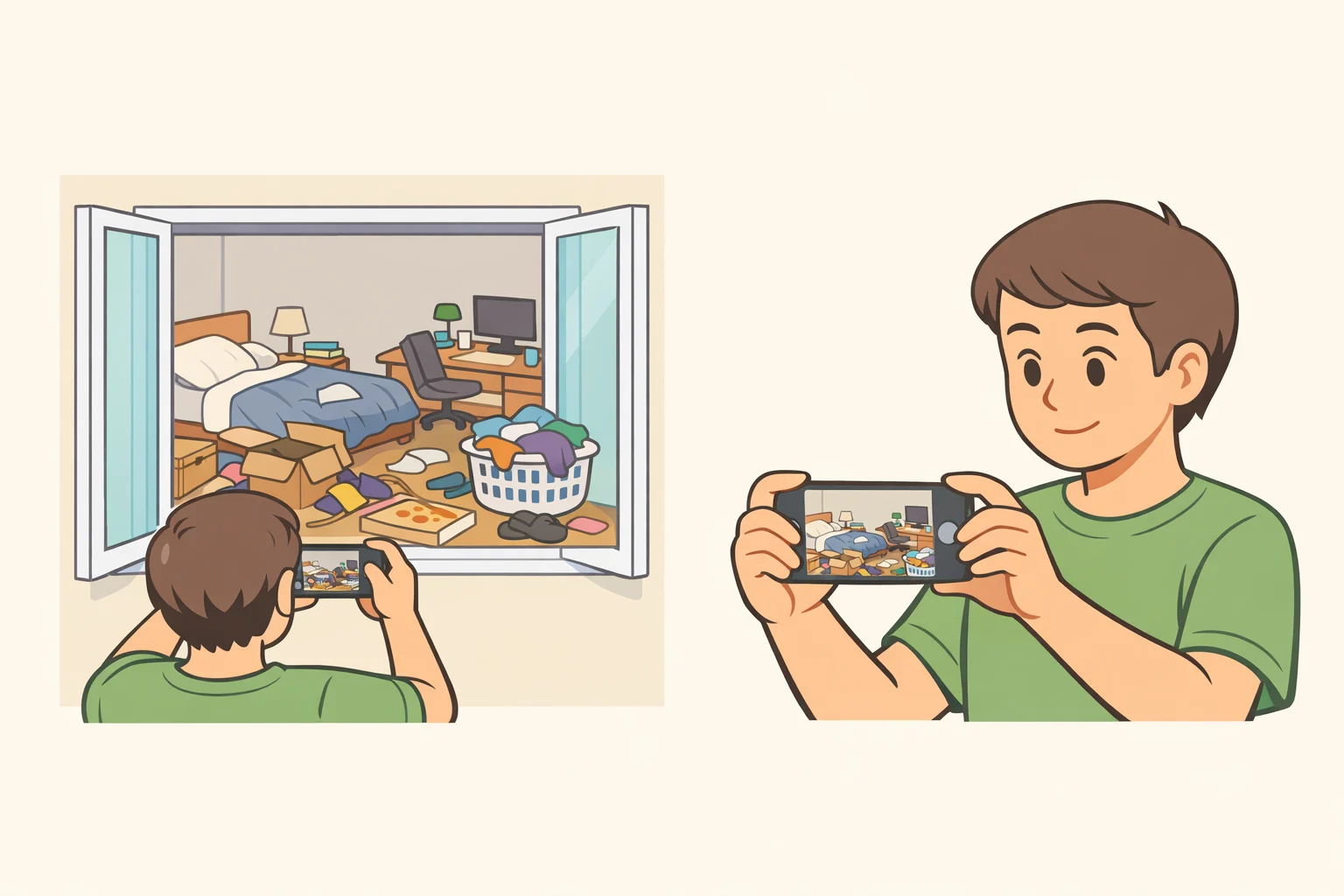
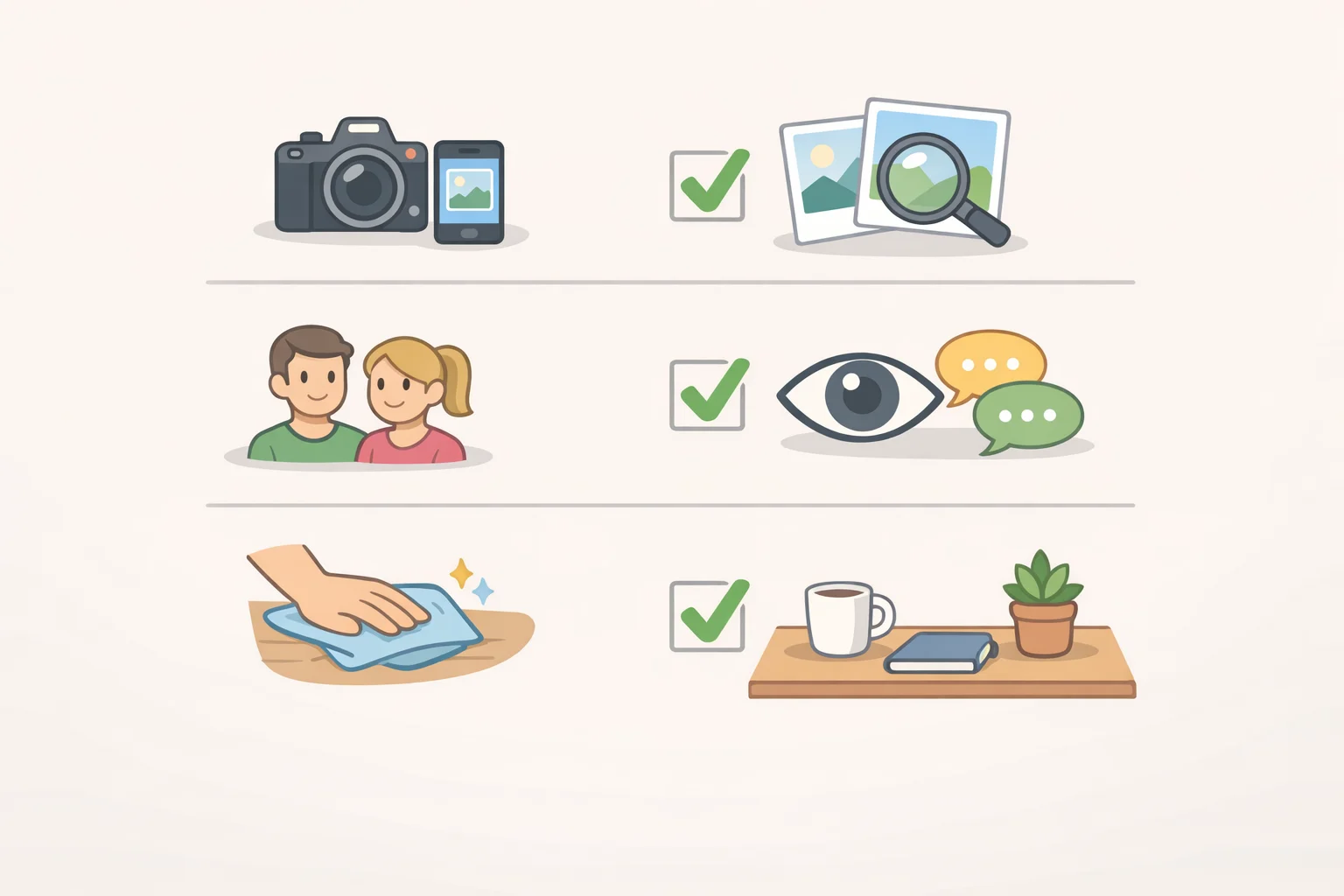
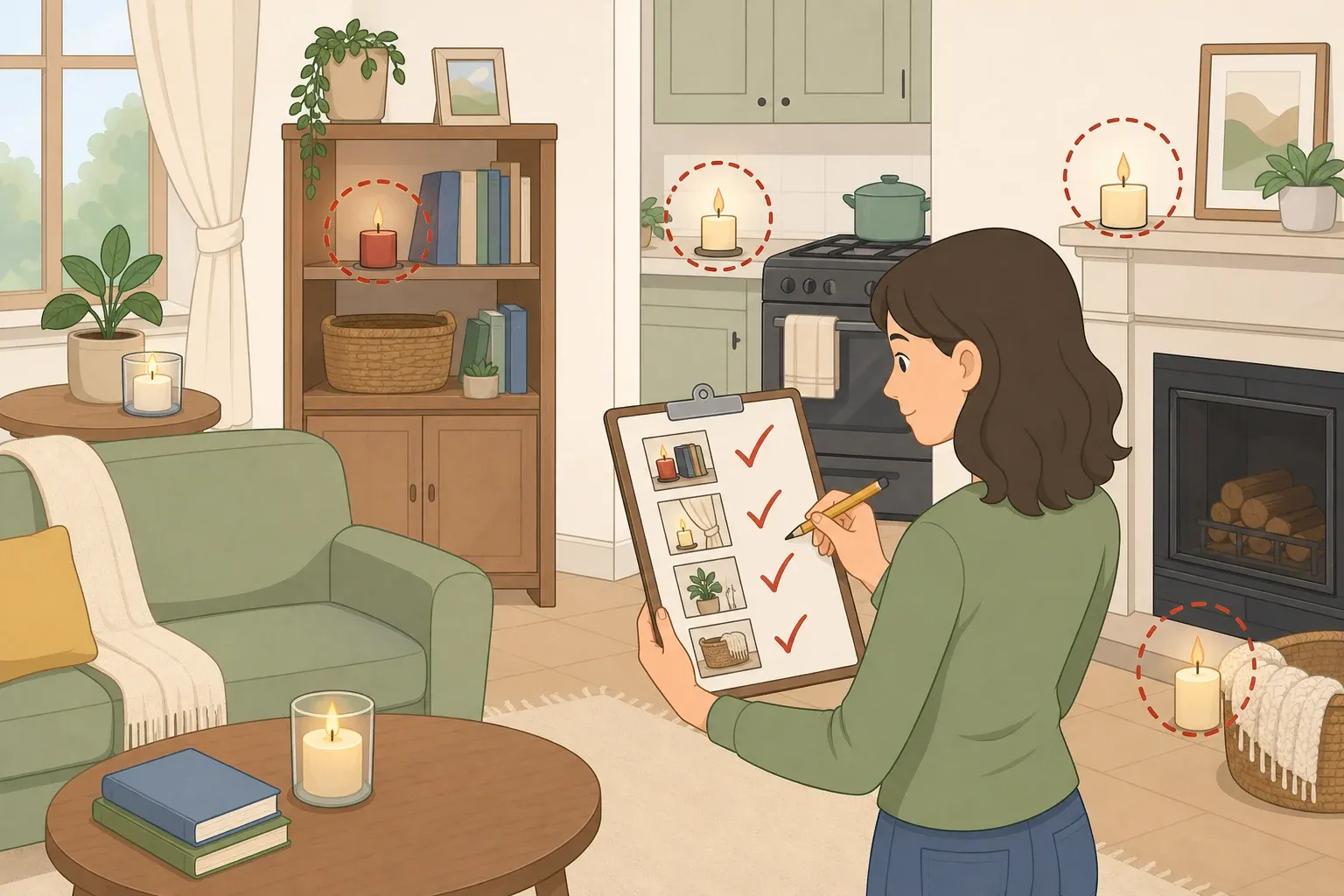
The photograph trick. Holly Blakey of Breathing Room recommends taking a photo of a room and studying it as though you've never been in that space before, Good Housekeeping reported. A still image strips away the lived-in context, and clutter that's faded from your awareness tends to reappear in the frame. It's a low-effort way to get outside your own perspective without leaving the room.
Recruit outside eyes. Tran recommends asking a friend, family member, or someone who doesn't visit often for an honest first impression of a problem space, Good Housekeeping reported. This is the most direct way to access a fresh-eyes perspective. It can be uncomfortable. That discomfort is usually useful information.
Once you can actually see the problem, the next step is diagnosing it correctly before you start moving things around. There's a meaningful distinction between tidying and decluttering, and they solve different problems. Consumer researchers studying home disorder found two distinct forms: disorder-as-untidiness, where things are simply out of place, and disorder-as-clutteredness, where there's genuinely too much stuff, Journal of Consumer Research reported in May 2024. Clutteredness doesn't resolve through rearrangement alone. The question to ask before touching anything: is this surface messy because things are out of place, or because there's simply too much here? The answer changes what you do next.
A three-layer maintenance cadence. Christie Childers of Imagine It Done recommends stacking three separate rhythms: a monthly session to edit down possessions, a weekly refresh of main rooms, and a daily 10-minute tidy of high-traffic areas, Good Housekeeping reported.
Blakey and Tran both suggest keeping one designated surface an entry table, a kitchen counter permanently clear as an anchor point, Good Housekeeping reported. Regular small resets train the eye to keep noticing before habituation has time to take hold again.
To put it into practice right now:
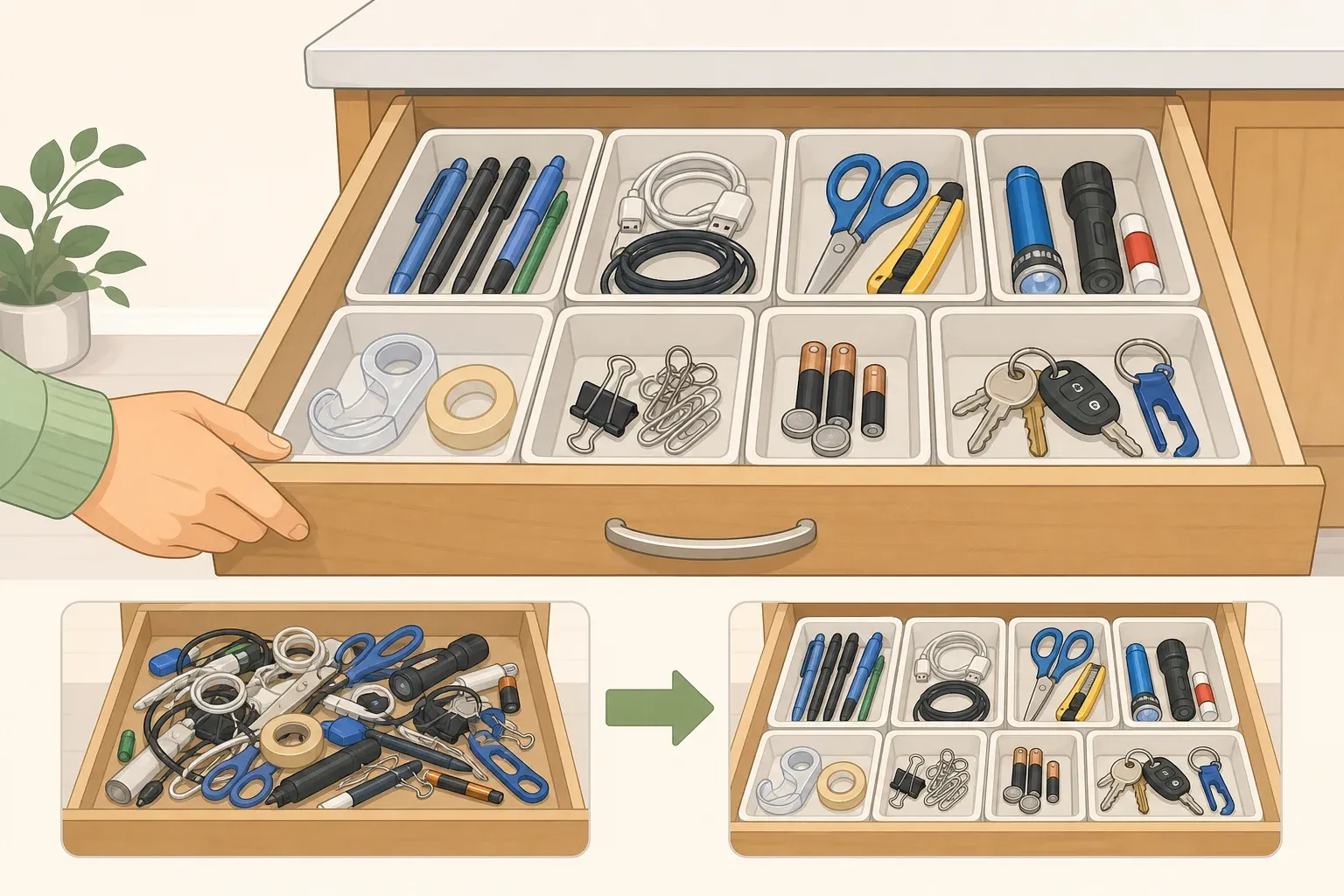
- Photograph one problem area a counter, a corner, a drawer.
- Ask: is this untidy (things out of place) or overfull (too much stuff)?
- Set a 10-minute timer and reset that one surface. Stop there.
- Check: does it feel usable now, or still congested? That answer tells you whether you need to tidy or to declutter.
When clutter is more than a lifestyle problem
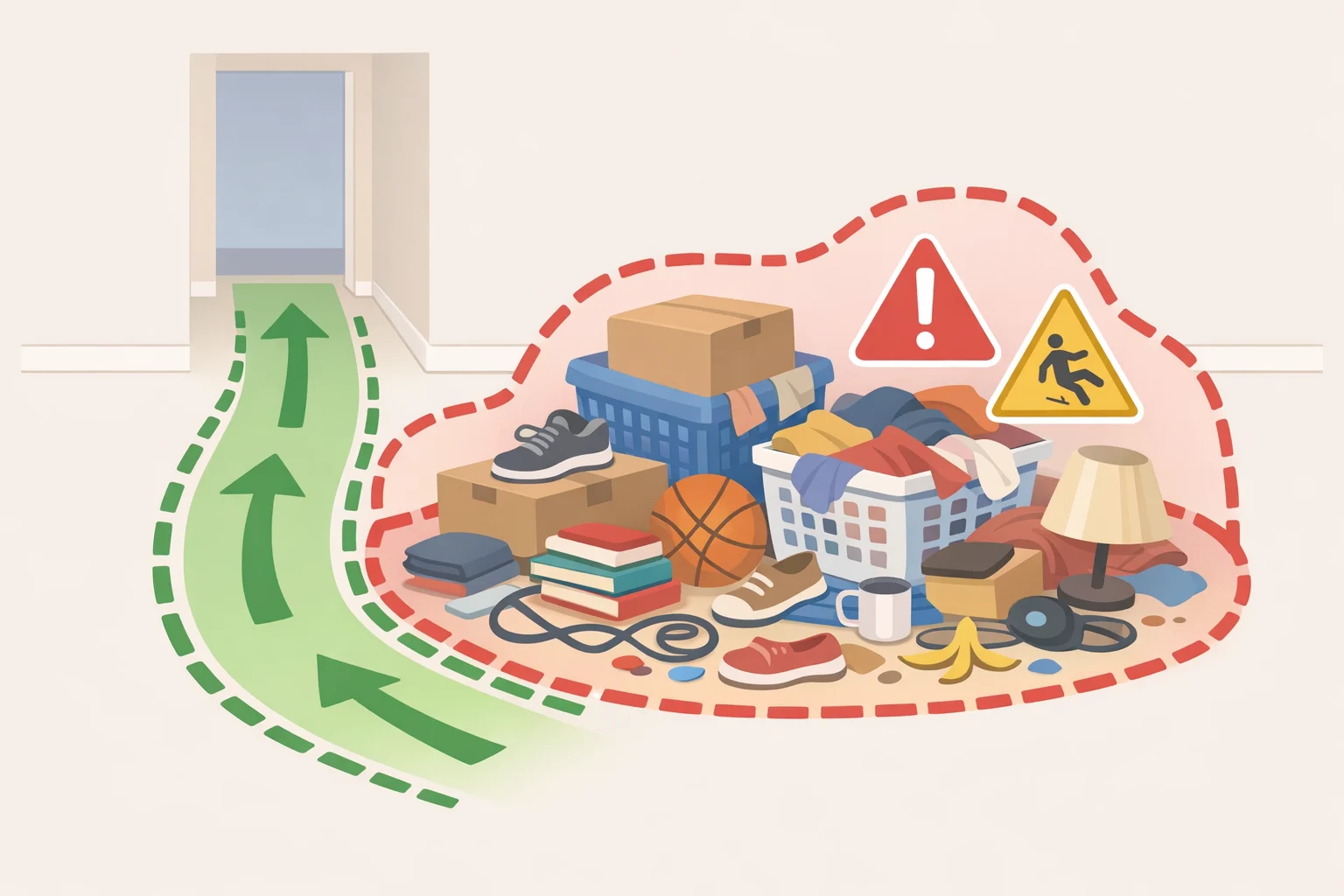
Most people reading this have a habituation problem, not a clinical one. But the distinction is worth understanding clearly.
The APA is explicit that everyday clutter and Hoarding Disorder are not the same thing, APA reported. Hoarding Disorder is a diagnosable condition involving persistent difficulty parting with possessions, regardless of their value, to a degree that compromises the safety and usability of living spaces and causes meaningful harm to health, relationships, or daily functioning. Roughly 2-3% of adults meet clinical criteria, ADAA reports.
Support may be warranted if your home is difficult or unsafe to move through due to clutter; if the thought of decluttering feels paralyzing rather than manageable; if loved ones have expressed consistent concern; if you avoid having visitors; or if acquiring new items feels compulsive and out of control, ADAA reports.
Professional organizers can help with the practical sorting work, but Hoarding Disorder has emotional and cognitive dimensions that require a trained therapist. Cognitive Behavioral Therapy is the established treatment approach, and the two roles work best in combination, ADAA reports. Their hoarding disorder resource page is a reasonable starting point for anyone who recognizes the more serious pattern: ADAA.
The short version
Clutter blindness is a perceptual process, not a character flaw. Brains habituate that's what they're built to do. The problem is that the clutter you've stopped seeing doesn't stop affecting you. A 2025 study found the association between home clutter and reduced well-being held across demographic groups, with the effects appearing partly explained by how cluttered spaces undermine the sense of home as a restorative place, though those findings are exploratory and need replication, Journal of Environmental Psychology reported.
The fix is deliberate disruption: a photograph, an outside opinion, one surface reset before the background has time to reassert itself. Small interventions, repeated regularly, before the scenery swallows everything again.


Comments
Be the first, drop a comment!