



What Time Is Too Early to Mow the Lawn? Mid-Morning Is Best
Any time the grass is still wet is too early to mow the lawn. That usually means mid-morning, after the dew has lifted. The clock is mostly beside the point; the condition of the grass is the real signal.
Most people frame this as a noise problem. It is, partly. But turf scientists have a more precise answer. Mow wet grass and you get an uneven cut, a clogged mower deck, and soil that ruts easily under the wheels. The clippings clump and mat on the surface instead of falling cleanly through the canopy.
A UGA extension turf specialist is direct about it: wait until the grass canopy is dry before mowing, which typically means mid-morning, even in the humid Southeast where dew can linger well past sunrise (UGA Today reports). Ohio State's mowing guidance backs that up: wet turf is harder to cut cleanly, clogs rotary mower decks, and prevents proper mulching (Ohioline/Ohio State explains). There is no universal clock time that applies everywhere; grass moisture and growth conditions are the real signals, not what hour the sun rose (Iowa State Yard and Garden notes).
Below, the article covers why wet grass causes the problems it does, when to mow and what to do when the ideal window isn't available, and the two habits that shape whether a lawn stays healthy across a full season.
Why wet grass is the real problem
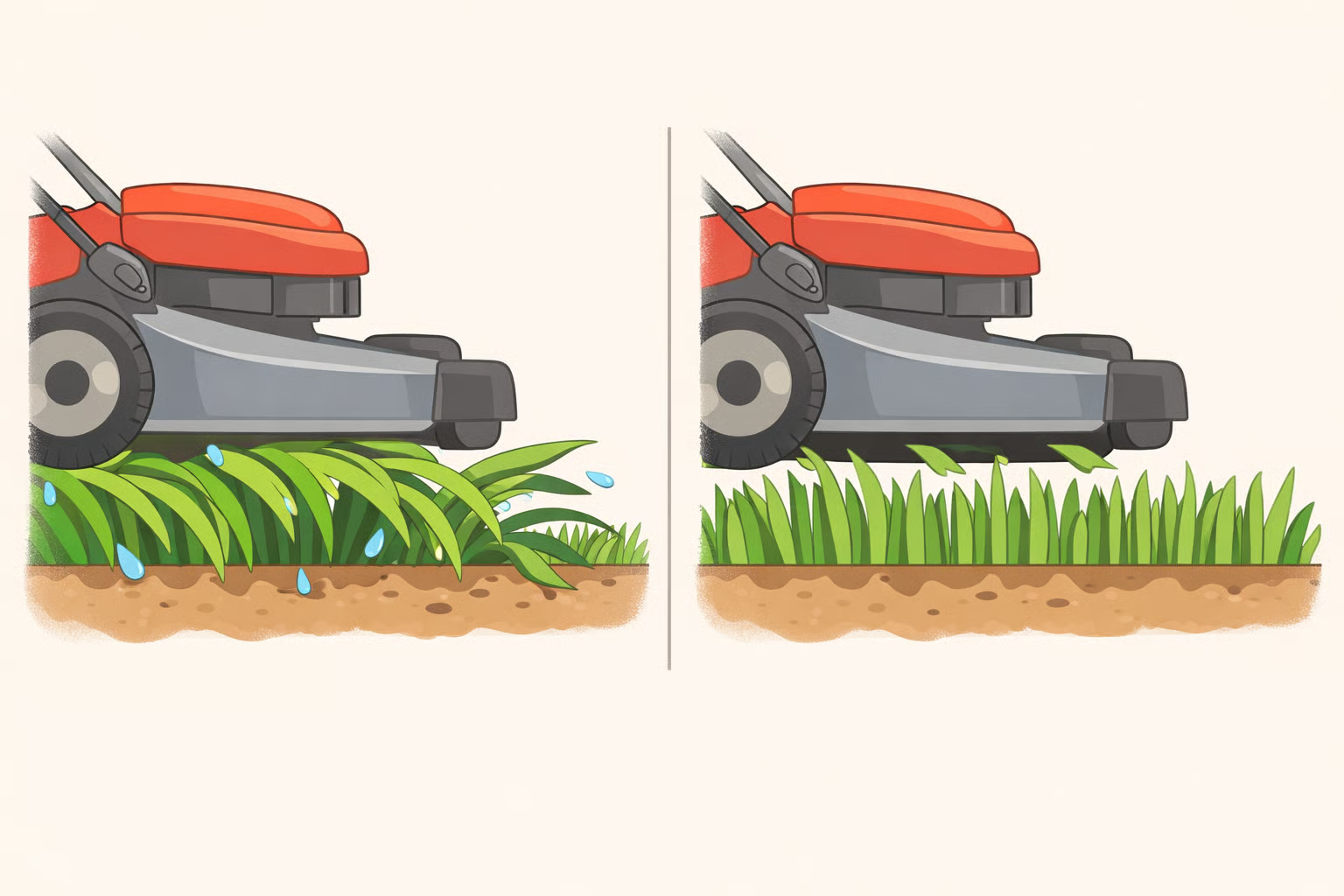
The mechanics are simple. Wet grass blades bend rather than stand upright, so a mower blade designed to clip a vertical surface shears unevenly. Some blades cut cleanly; others fold and tear. The surface comes out ragged, and the lawn is under stress it didn't need.
Wet grass also sticks to mower decks and discharge chutes, and saturated soil ruts far more easily under mower wheels (UGA Today notes). The clippings compound things by clumping and matting on the surface instead of filtering down into the turf; large piles left in place can smother and kill the grass underneath if not removed by raking or bagging (Iowa State Yard and Garden warns).
Dry conditions flip every one of those problems. A cleaner cut, smoother mower operation, and clippings that break down quickly and return nutrients to the soil (Ohioline/Ohio State confirms). Dryness is a prerequisite, not a preference.
What time is too early to mow the lawn? The morning vs. evening question
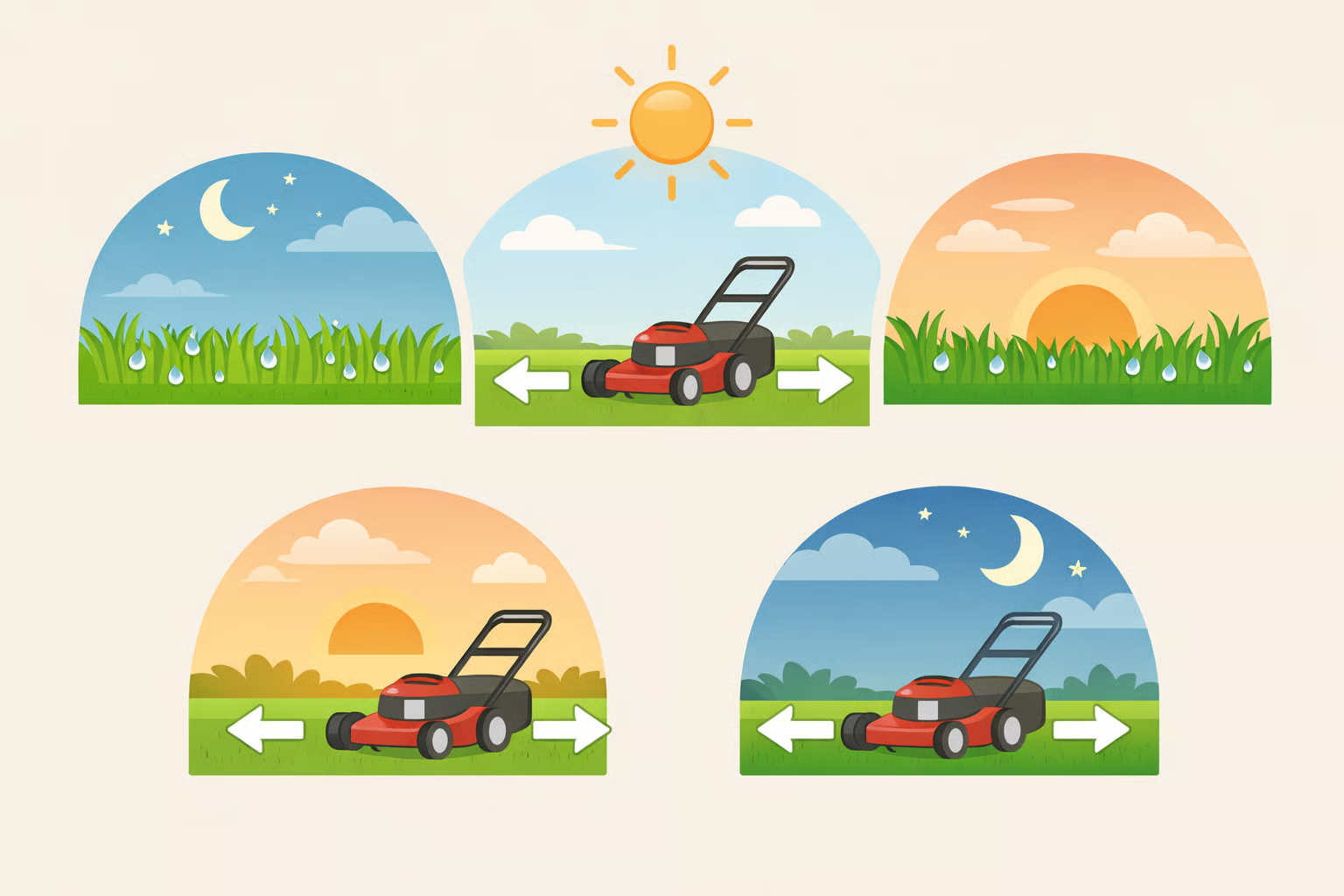
Mid-morning is the target. The dew has burned off, peak heat hasn't arrived, and the grass can be cut cleanly. Late afternoon, around 5:30 to 6 p.m., is a reliable second window: temperatures are falling, the grass has been dry for hours, and there's enough daylight left for the turf to settle before dark (UGA Today notes both windows).
Early morning and late evening share the same flaw: surface moisture from overnight dew or irrigation that produces the uneven cut and equipment problems described above (Ohioline/Ohio State advises against both). The two reliable windows sit between the damp bookends of the day. That's the morning vs. evening mowing question answered: it's not morning versus evening, it's mid-morning and mid-to-late afternoon versus everything else.
Touch the grass before you start. Wet, wait. Dry, go.
One note on noise ordinances: many local codes restrict early-morning use of loud power equipment, especially on weekends. The specifics vary and aren't covered in the turf research here, so a quick check of your local code is worth two minutes. The practical overlap is convenient: the hours most ordinances protect are generally the same hours the grass is still wet anyway.
Can you mow wet grass? Only if the lawn is overgrown
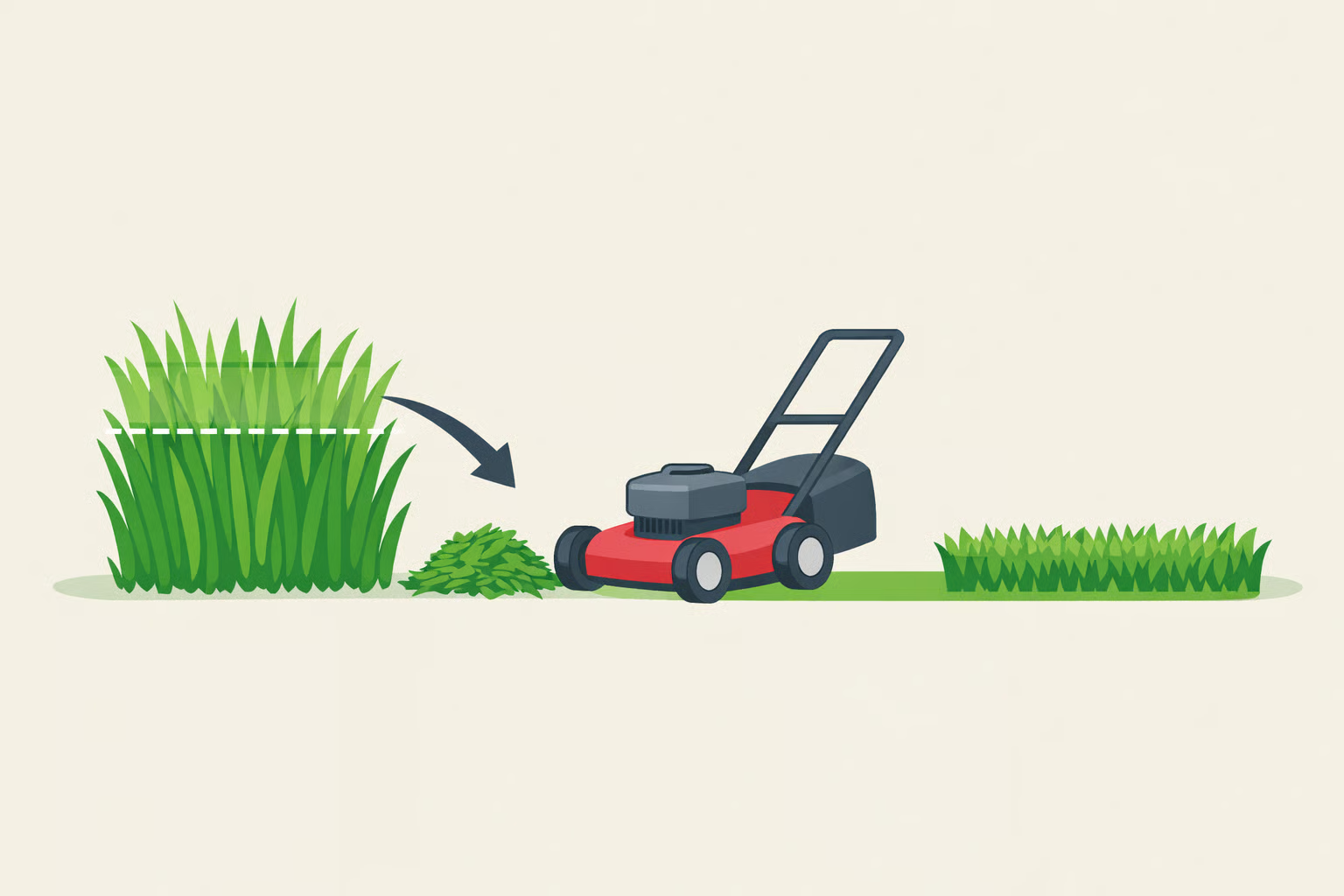
There's one case where the dryness rule gets complicated, and it comes down to the one-third rule.
Never remove more than a third of the blade in a single session. A lawn kept at 3 inches should be mowed before it reaches 4.5 inches; a lawn kept at 3.5 inches before it hits 5.25 (Ohioline/Ohio State; Iowa State Yard and Garden). Exceeding that threshold risks scalping, which means cutting past the green leaf tissue into the brown stem below. That can severely damage or kill sections of turf, particularly during summer stress (Ohioline/Ohio State).
When the dryness rule and the one-third rule pull in opposite directions, a judgment call is required. If skipping another day means an oversized cut that could damage the turf, mowing in damp rather than soaking conditions may be the lesser problem. Use a sharp blade, slow the pace, and bag or rake instead of mulching. That limits the damage from wet-grass conditions while avoiding the worse outcome of scalping.
During active spring growth, most lawns need cutting every five to seven days, and during fast-growth spurts more than once a week isn't unusual (Iowa State Yard and Garden). Staying on schedule is the simplest way to avoid the dilemma entirely.
Height and the one-third rule: what actually drives lawn health
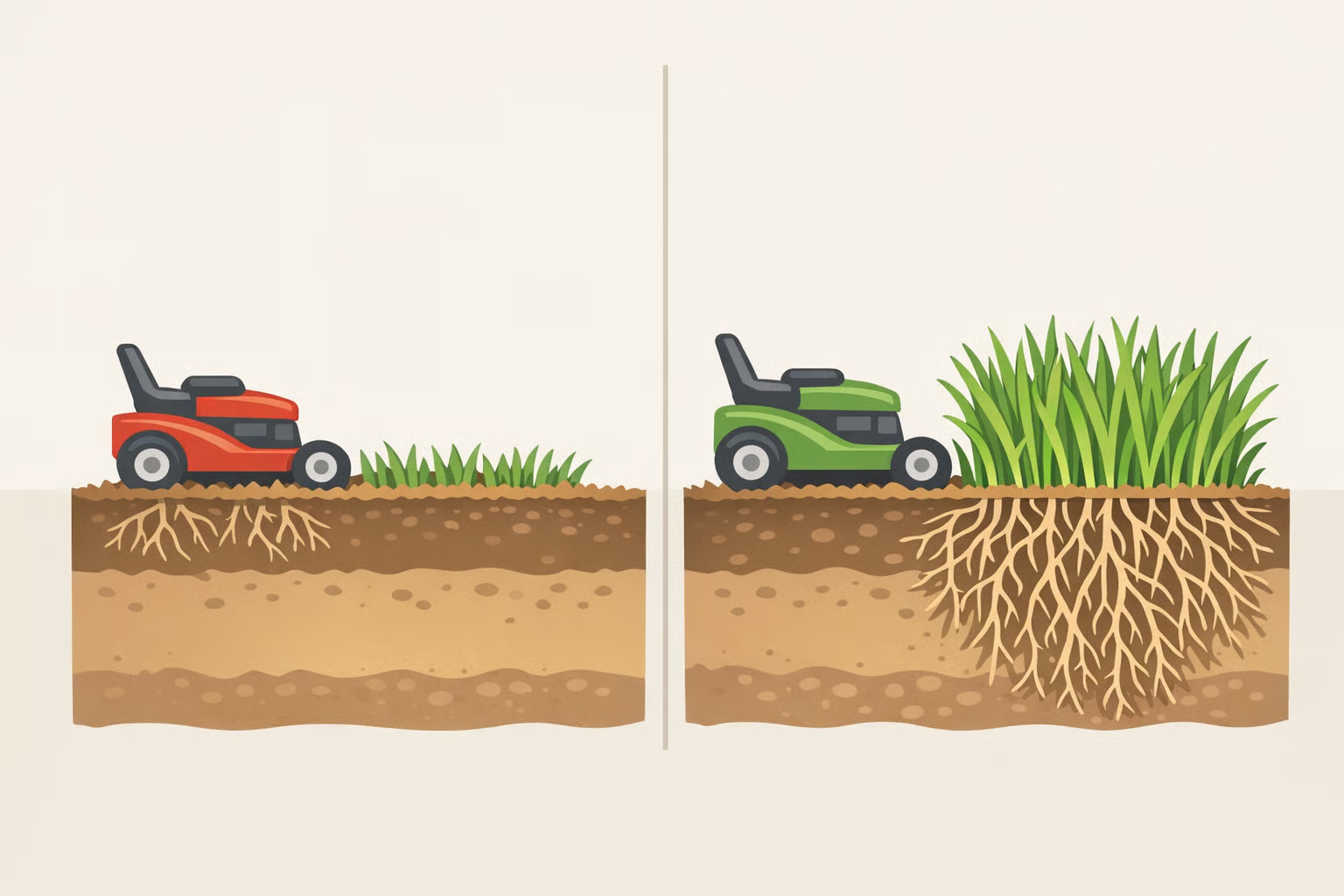
Timing matters less than most people think. The factors that determine whether a lawn holds up across a full season come down to how much you cut and how often.
Mowing height is the single most important variable in lawn care, according to Ohioline/Ohio State. Grass cut too short develops shallower root systems with less total mass, leaving it vulnerable when summer heat and drought arrive. The consequences show up most clearly during summer stress periods, when limited soil moisture can lead to signs of strain and increased risk of turfgrass loss in closely mowed lawns (Ohioline/Ohio State).
Raising the deck as summer approaches helps counteract this. Taller blades shade the soil, reducing surface temperature and slowing moisture loss during dry stretches (Ohioline/Ohio State). Proper height also optimizes canopy density and root depth, which means a more extensive root system that can pull water from greater depth to withstand drought and other stressors (UGA Today). Kentucky bluegrass and tall fescue, for example, are typically managed between 2 and 4 inches; warm-season grasses like bermudagrass and zoysiagrass run considerably lower, between 1 and 2.5 inches (Ohioline/Ohio State). Getting the height right for your grass type matters as much as the timing.
On clippings: when the one-third rule is followed, clippings are small enough to fall through the canopy and decompose quickly, returning nearly three-quarters of the lawn's applied nitrogen to the soil (Ohioline/Ohio State). Leave them on the lawn. The exception is when weeds are actively seeding or disease is present; bag in those cases to avoid spreading the problem.
When cool-season grass slips into summer dormancy and stops growing, mowing isn't strictly prohibited, but minimizing traffic on the lawn is the better call. Excessive activity on drought-stressed turf compounds the damage (Ohioline/Ohio State).
A usable decision framework
The timing question most people ask turns out to be the simplest part. Wet grass is the line. What follows from that, in order:
- Is the grass dry? If not, wait. Mid-morning and late afternoon are the two windows.
- Has the lawn grown past one-third above the target height? If so, mow even if conditions aren't ideal. Don't let it get badly overgrown.
- Is it summer, and is the lawn under heat or drought stress? Raise the deck slightly and limit traffic on dormant or struggling cool-season grass until conditions improve (Ohioline/Ohio State).
- Do local noise rules allow it? Check your local code if you're mowing during early-morning hours, particularly on weekends.
Get the dryness call right, follow the one-third rule consistently, and raise the deck as summer stress builds. That sequence, repeated through the season, is what separates lawns that recover well from those that don't.
For grass-type-specific height recommendations, Ohio State Extension covers Kentucky bluegrass, tall fescue, zoysiagrass, bermudagrass, and others in full. UGA's specialist guidance is the primary source for timing and worth reading if your climate runs humid.





Comments
Be the first, drop a comment!