




Do You Need Dryer Sheets? When to Skip and What to Use
Most people toss in fabric softener or a dryer sheet out of habit, not because they stopped to think about whether the load actually needs it. A survey from the American Cleaning Institute found that 68% of people add softener or sheets to their laundry, the most common listed practice in that survey, taken six months ago. So do you need dryer sheets every single time you run a load, or is that just muscle memory?
Consumer Reports' longtime laundry tester, Rich Handel, says he would never use liquid fabric softener, calling it a waste of money that can irritate skin and leave residue, Consumer Reports reported about four years ago. More recently, Consumer Reports told readers last year to skip dryer sheets too, whether or not the dryer has moisture sensors.
This guide covers which loads actually suffer from softener or sheets, which ones you can safely skip the products on, and what to reach for instead when static, stiffness, or lingering odor is the real complaint. Both products work by coating fabric rather than changing it. Liquid softener's coating causes problems specifically on towels, workout gear, and children's sleepwear. Dryer sheet residue causes a different problem: it can build up on a dryer's moisture sensor and affect how the machine reads a load, according to Consumer Reports.
None of this means banning either product. Consumer Reports says an occasional dryer sheet is a reasonable option when static is a genuine, recurring problem. The goal is to stop using them automatically, not to eliminate the category.
What to skip, what to keep
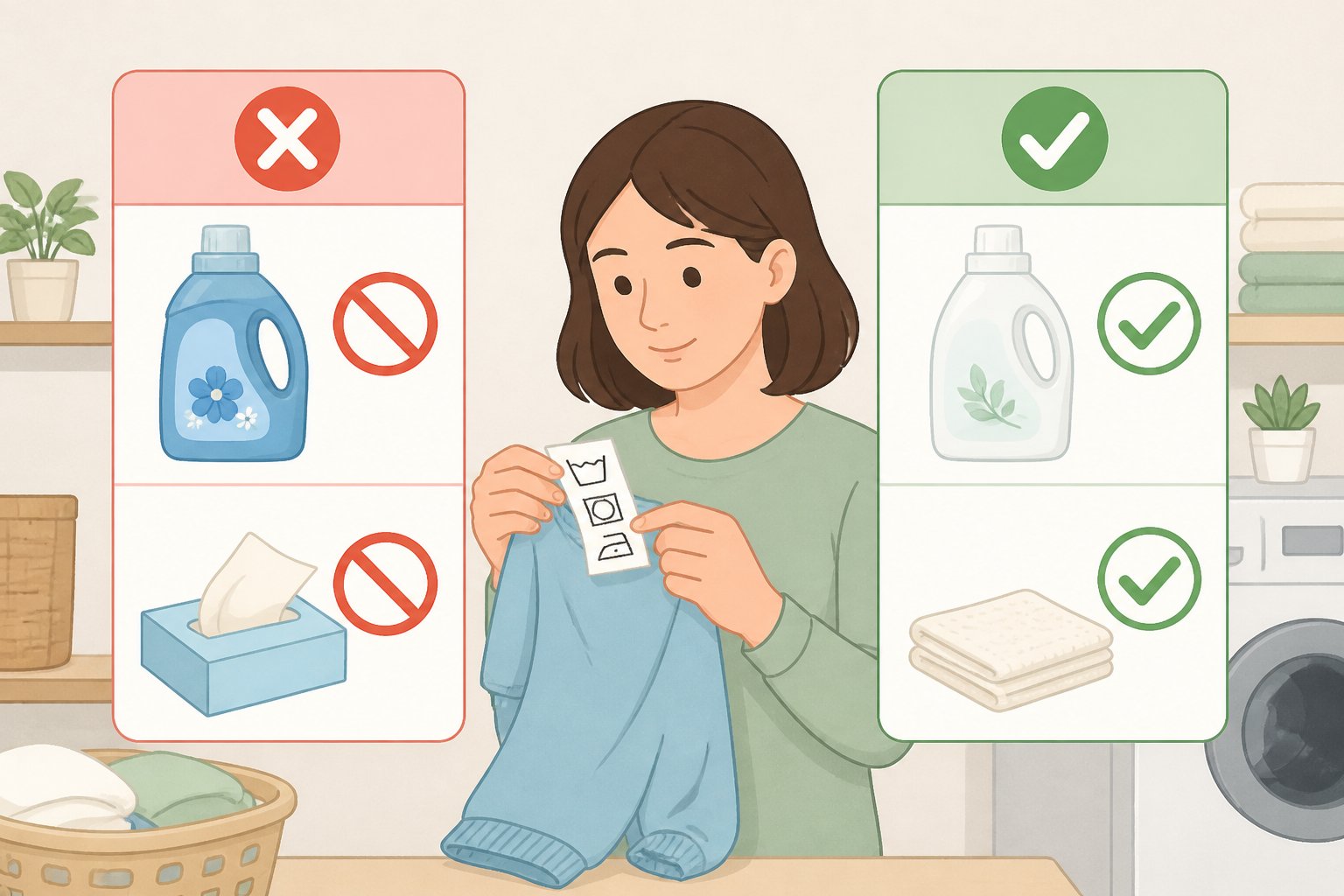
- Skip liquid fabric softener on towels, moisture-wicking workout clothes, and children's sleepwear. Residue reduces towel absorbency, cuts into wicking on activewear, and lowers flame resistance on kids' sleepwear specifically, per Consumer Reports.
- Skip dryer sheets as a default, especially if your dryer has moisture sensors. Do dryer sheets damage dryer sensors? Sheet residue can coat those sensor bars over time, and a sensor that can't read moisture accurately may leave clothes damp or keep the dryer running longer than necessary, per Consumer Reports.
- Keep one in reserve for loads where static sticks around after you've tried the fixes below. That's a fallback, not a routine add-in.
- Treat this as a starting point to test in your own home rather than a guaranteed rule for every fabric, water type, or climate. What works on one household's laundry won't necessarily carry over to another's.
What fabric softener and dryer sheets actually do
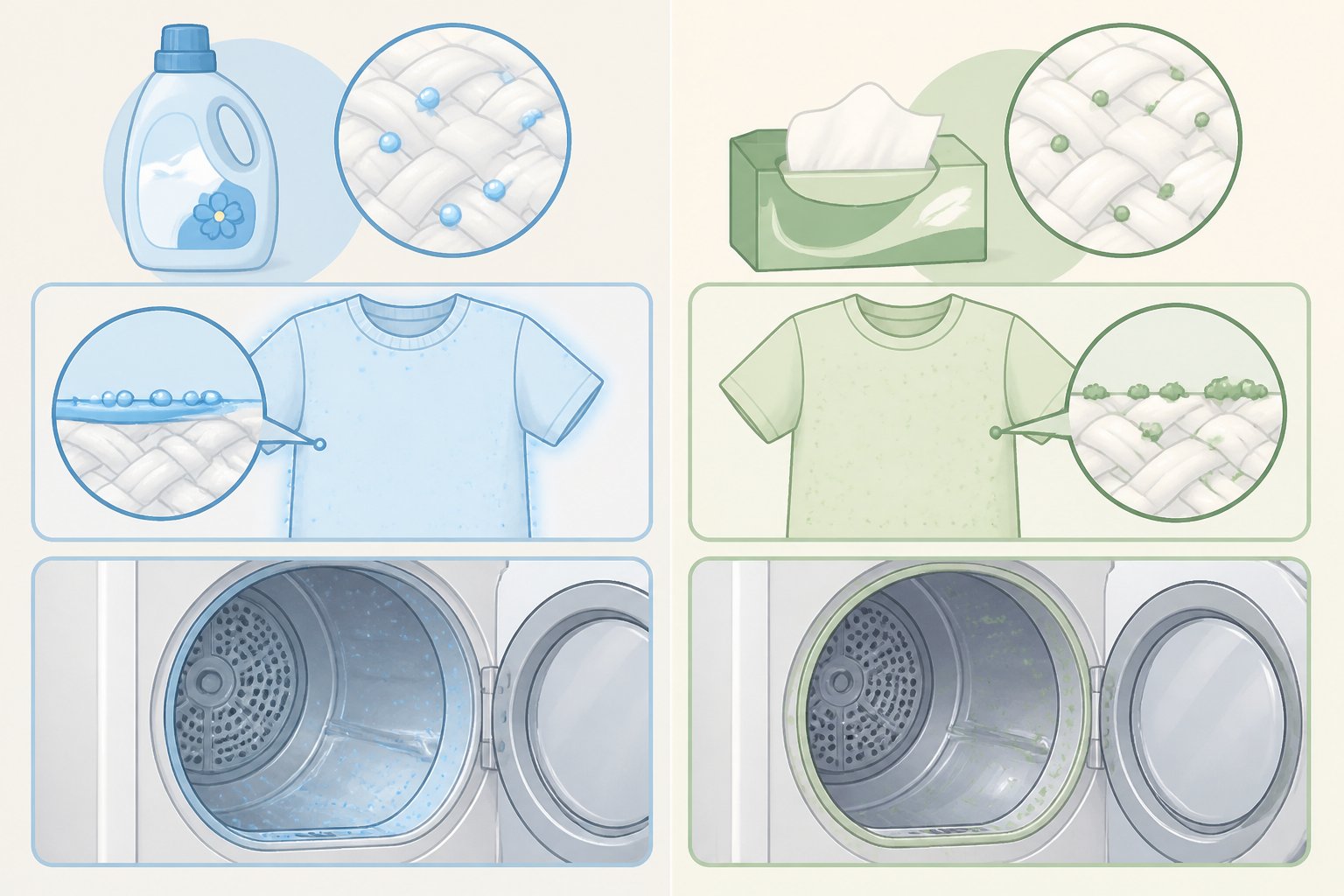
Liquid fabric softener works by depositing a layer of electrically charged chemical compounds onto fabric fibers, Consumer Reports explains. Dryer sheets work through heat instead: the dryer melts a chemical coating off the sheet and transfers it onto clothes as they tumble. The soft feel comes from that coating, not from any actual change to the fabric.
Softener's downsides land on specific items. It can reduce towel absorbency, diminish the wicking ability of workout gear, and lower flame resistance on children's sleepwear, per Consumer Reports. Using too much softener, or too much detergent alongside it, can also build up inside the washing machine and create conditions where mildew grows.
Dryer sheets fail differently. Their residue accumulates inside the dryer over time and can coat the moisture sensor, and a sensor that's coated in residue may leave laundry damp or run the dryer longer than the load needs, per Consumer Reports. Either outcome wastes electricity on top of the added wear.
Softener and sheets aren't the same product in two forms. They have different uses and different failure points, which is why skipping one doesn't automatically mean skipping the other.
What you'll need before you start
Start by running one ordinary load, everyday shirts and sheets work fine, without softener or sheets. Pay attention to how it feels coming out of the dryer and whether static shows up when you fold it. If it's close to what you're used to, that's your new baseline, and you've already answered the question for most of your laundry.
For troubleshooting specific complaints, it helps to have a few things on hand: a sheet of aluminum foil, a reusable wool dryer ball, and rubbing alcohol with a cotton ball. None of these are required upfront. Grab them only if a specific problem shows up.
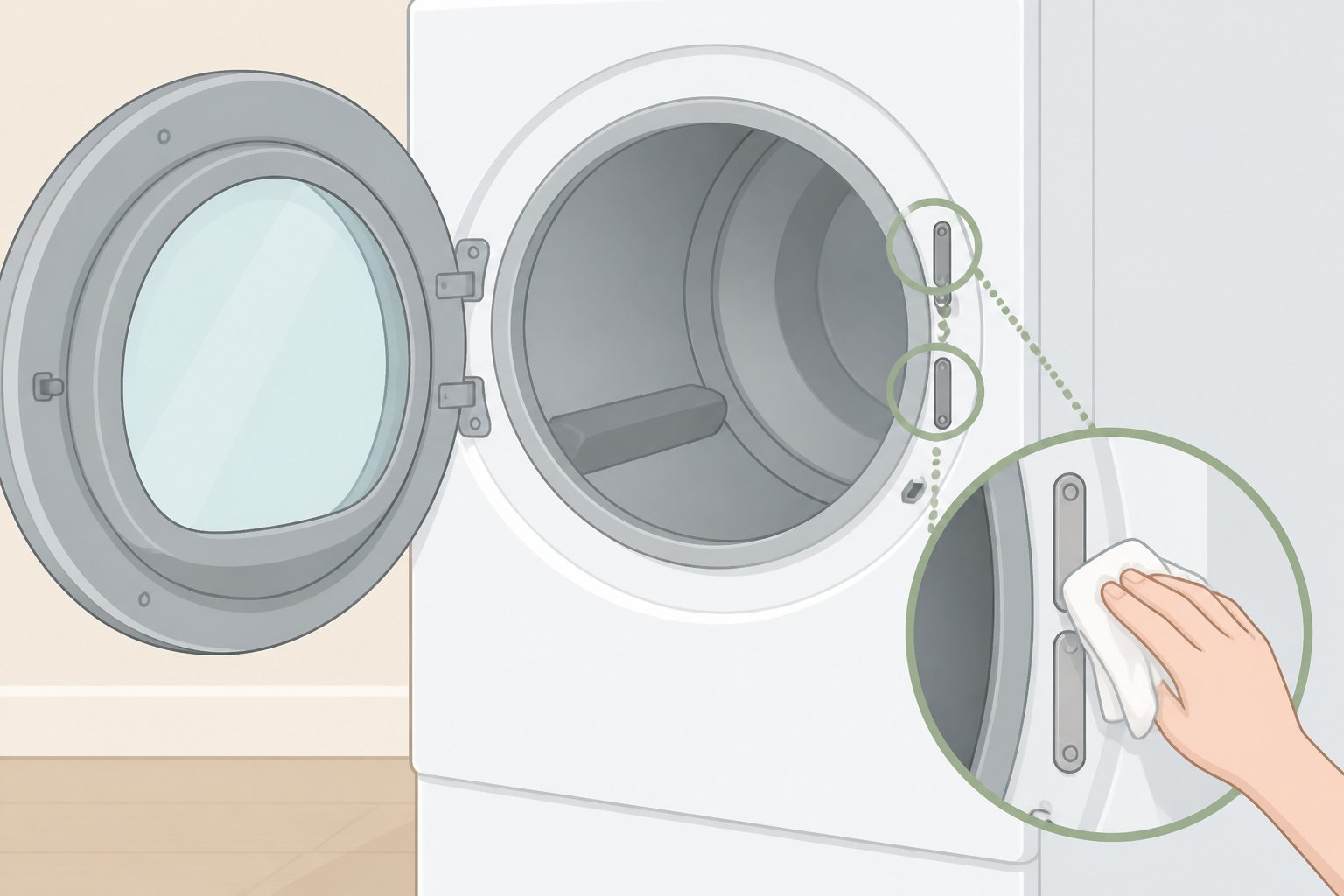
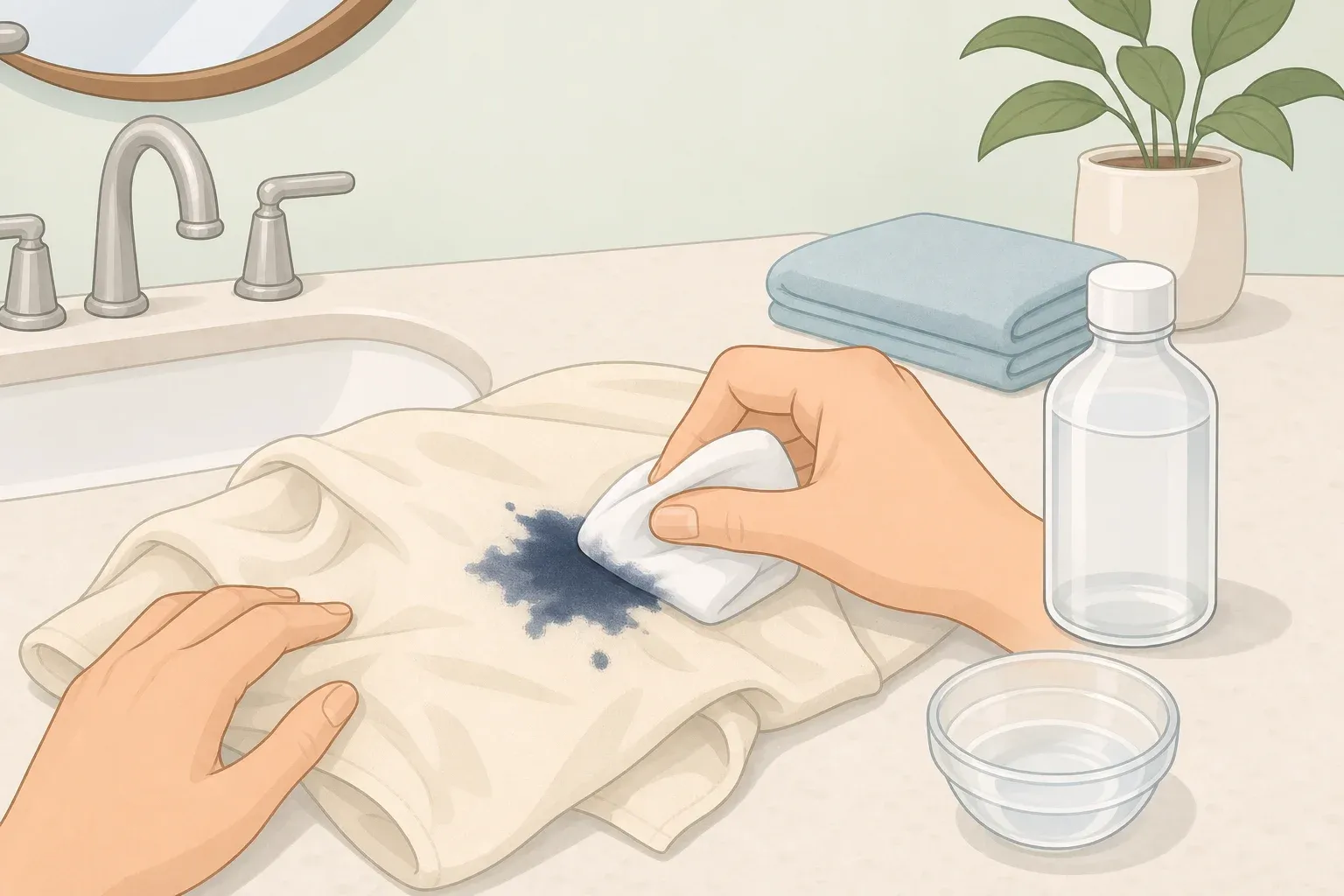
Two maintenance habits matter regardless of whether you use softener or sheets. Consumer Reports recommends cleaning the lint filter after every load. Occasionally, with the dryer off and cooled down, wipe the moisture sensor with a cotton ball dipped in rubbing alcohol, per Consumer Reports. Look for thin metal bars, about six inches long, just inside the dryer door. If nothing near the door matches that description, check the owner's manual instead of guessing. Do not open a dryer panel to look for it; this is a surface-level habit, not a repair.
This is beginner-friendly work from start to finish. None of the fixes below require opening a panel or taking anything apart.
Are dryer sheets necessary for every load? Diagnose the problem first
Before adding anything, name the actual complaint. Static cling, stiffness, lingering odor, and wanting a scent all have different causes, and softener doesn't solve all of them equally.
- Identify what's actually wrong. Static, roughness, smell, or just wanting your laundry to smell like something. Pin it down first, since the fix differs for each.
- If it's static, start with a low-cost trick before reaching for a sheet. Toss in a tightly scrunched 3- to 4-foot ball of aluminum foil, smooth with no sharp edges so it won't snag, or switch to line-drying, which won't generate static at all, per Consumer Reports. A wool dryer ball is another dryer sheet alternative worth trying: makers say the wool and its natural lanolin reduce static by separating clothes as they tumble, per Consumer Reports. Consumer Reports hasn't independently tested how well wool balls work, so treat them as a convenience option, not a proven fix. Replace one once it turns scratchy and hard, which typically happens after a year or two of regular use, per Consumer Reports. If static still won't quit after trying these, an occasional dryer sheet for that load is a reasonable fallback, per Consumer Reports, not a reason to go back to using one every time.
- If it's stiffness or roughness, consider hard water first. Hard water carries dissolved calcium and magnesium that can deposit on fabric during the wash, per Consumer Reports. A home water-test strip or your local utility's hardness report can confirm whether that's really what's going on before you treat every stiff load as a hard-water problem. Wool dryer balls double as a fabric softener alternative here, too; Consumer Reports describes them as a reusable option that works out stiffness by lightly beating against clothes in the dryer. If roughness doesn't ease up after a few loads with dryer balls, that's a sign the issue runs deeper than any one fix. For confirmed, persistent hard-water problems, Consumer Reports' Rich Handel recommends installing a whole-home water-softening system. That's a household-level decision, not something to chase with more laundry additives load after load.
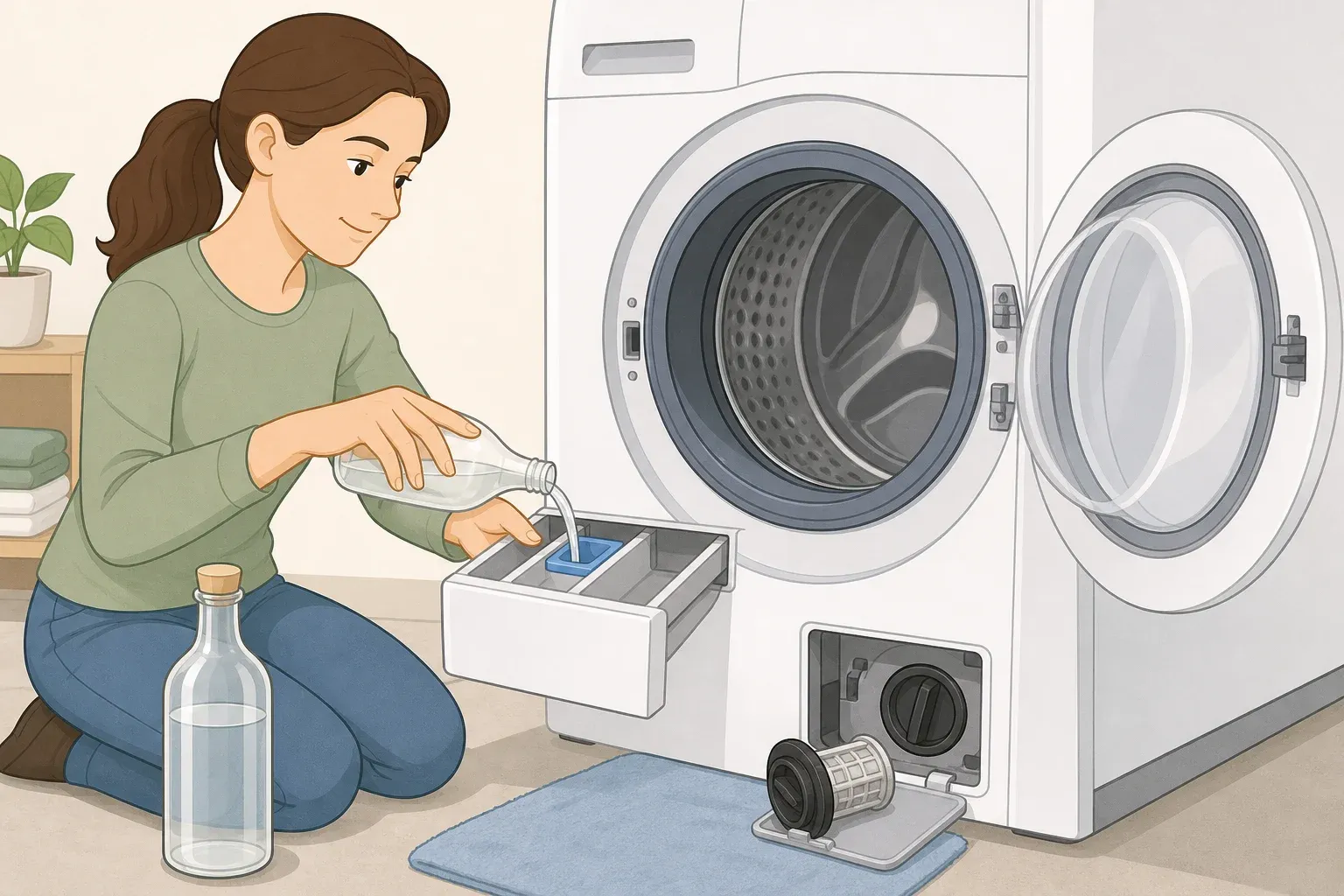
- If odor comes back after washing, mold or buildup inside the washer is a more likely cause than the detergent lacking scent, per Consumer Reports. Adding more scented detergent or softener won't clear buildup and can add to it. If the washer's manual recommends a cleaning cycle, use that procedure at the frequency it specifies for your model.
A mistake worth avoiding through all of this: piling on extra detergent or softener to mask a smell usually adds to the same residue buildup causing it, per Consumer Reports.
For fragrance preference specifically, treat scent as a personal choice rather than a laundry-performance issue. If a scent matters to you, Consumer Reports suggests switching to a scented laundry detergent rather than layering a second scented product on top of the wash.
What success looks like
A load run without softener or sheets can still feel acceptably soft and smell clean once the actual cause, whether that's static buildup, hard water, or buildup inside the machine, has been addressed instead of masked. If a load still doesn't feel right after trying the relevant fix above, move to the next option on the list rather than reaching back for softener out of habit.
Keep the lint filter and sensor habits going no matter what you decide about softener and sheets. Clean the filter after every load, and wipe the sensor bars with rubbing alcohol occasionally, following whatever your dryer's manual says about frequency.
Keep the two complaints separate when deciding what to try next. Persistent static calls for a foil ball, line-drying, dryer balls, or an occasional sheet, not a plumbing fix. Persistent stiffness that doesn't ease up with dryer balls is what points toward checking water hardness and considering a whole-home softening system. Skip liquid fabric softener specifically on towels, activewear, and kids' sleepwear every time, since the residue works directly against what those fabrics are supposed to do.
Test one ordinary load without either product this week, check how it feels and smells, and go from there. Reserve softener and sheets for the specific problem they actually solve instead of adding them by default.



Comments
Be the first, drop a comment!