



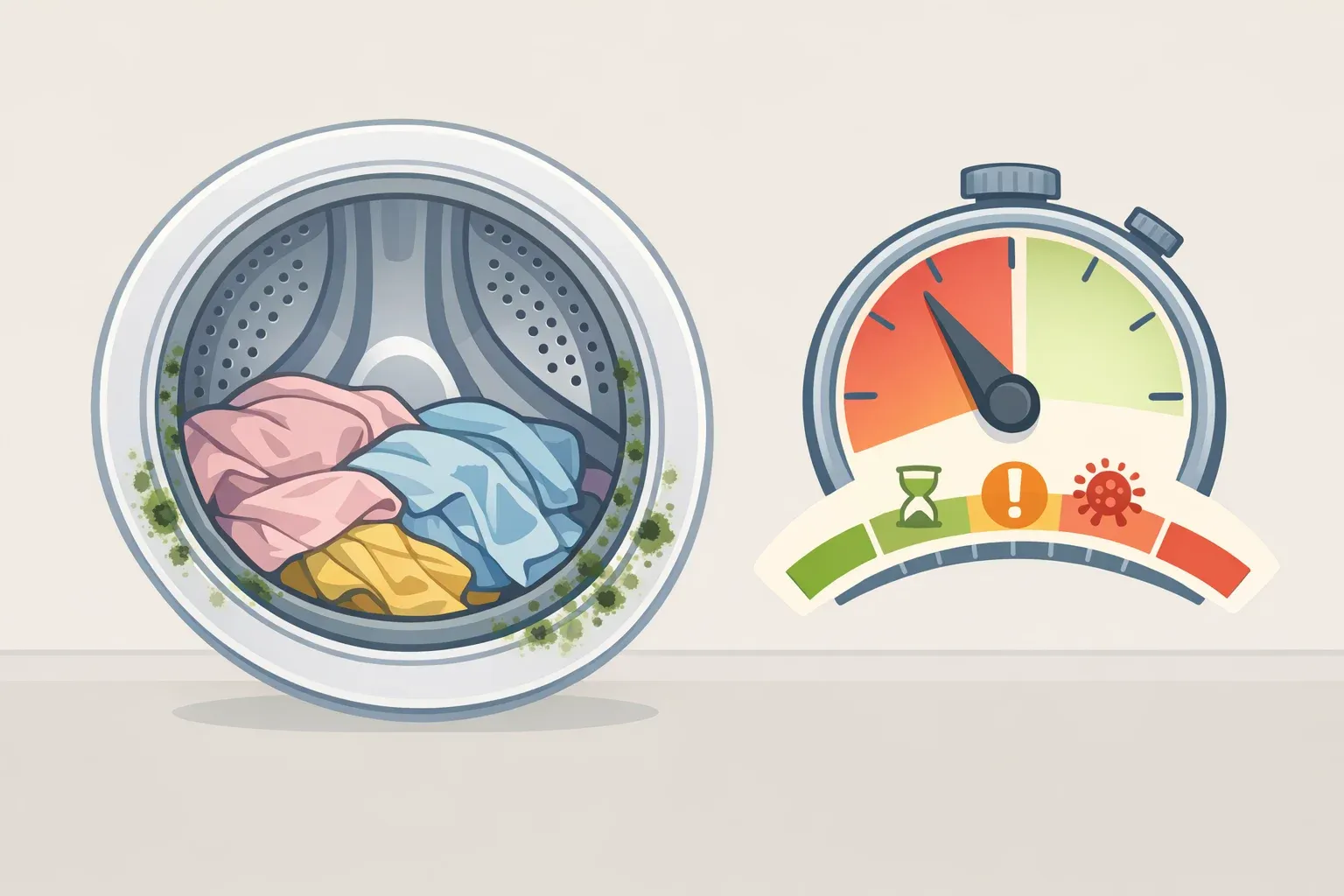
The research gives one hard number: two days. Anything wet for two or more days may already have mold growing on it, even when it looks and smells completely clean, according to Utah State University Extension. That guidance comes from flood-recovery research, not studies on forgotten laundry, but the underlying condition transfers: wet textiles are ideal breeding grounds for mold and mildew, and visible or olfactory cues become unreliable the longer fabric sits wet.
Everything before the two-day mark is practical household guidance, not research-backed prescription. The time windows below reflect that distinction. The two-day row is the only one with direct evidence behind it. The rest is calibrated common sense, labeled as such.
How long can wet clothes sit in the washer: a quick reference
Same day: Low risk. Rewash with regular detergent.
Overnight: Moderate risk. Rewash; consider mildew-fighting household remedies if there's a sour smell.
24–48 hours: High risk. Use a sanitizing wash and inspect fabrics afterward.
48 hours or more: Potential mold contamination. Use a sanitizing wash, then assess whether the item is salvageable.
Smell helps when it's there. A musty load is likely further along than a neutral-smelling one. But time is the more reliable guide, especially past the overnight window, where mold can develop before it's detectable.
What to do if wet clothes sit in the washer overnight or longer
Same day
A load left a few hours ago is low-stakes. Run a full rewash with your regular detergent before moving anything to the dryer. Clothes sitting in residual moisture aren't ready for heat yet, even if they smell fine. This is a precaution, not an emergency.
Overnight
This is where a rewash becomes more deliberate. Use the hottest water the care labels allow. Many households add white distilled vinegar or an oxygen-based laundry booster as a mildew treatment at this stage; those are common household approaches, not evidence-based prescriptions, but they're widely used for a reason. Whatever you use, do not mix vinegar and chlorine bleach in the same cycle.
If the smell persists after the first wash, run the treatment again before drying. Putting clothes that still smell musty into the dryer doesn't solve the problem. Heat doesn't eliminate the mildew odor that's still present in the fabric.
24–48 hours
At this range, the goal shifts from odor management to treating potential microbial buildup. A sanitizing wash with the hottest cycle the fabrics can tolerate is the appropriate response. Check care labels before applying high heat to delicates or synthetic performance fabrics.
Smell is especially unreliable here. A load that seems odor-free after sitting well into a second day still warrants aggressive treatment. Elapsed time is the better guide.
48 hours or more
This is where the research is direct. Items wet for two or more days may have mold growing on them even when they look and smell completely normal. Appearance and odor are not reliable indicators at this stage.
For most washable items, a sanitizing wash is the recommended path. For porous or heavily soiled fabrics that can't withstand treatment temperatures, the practical question is whether the item is realistically salvageable before investing more cycles. Some things aren't worth rescuing.
After the rewash: two steps that usually get skipped
A treatment wash handles the fabric. These two steps close the loop.
Dry completely and immediately. Transfer clothes to the dryer or hang them as soon as the rewash finishes. Leaving them to sit wet again restarts the problem from zero. If air-drying, use active airflow rather than still air in a closed room. For dense items like towels or heavy knits, check inner layers before folding. A garment can feel dry at the surface and still hold moisture at the core.
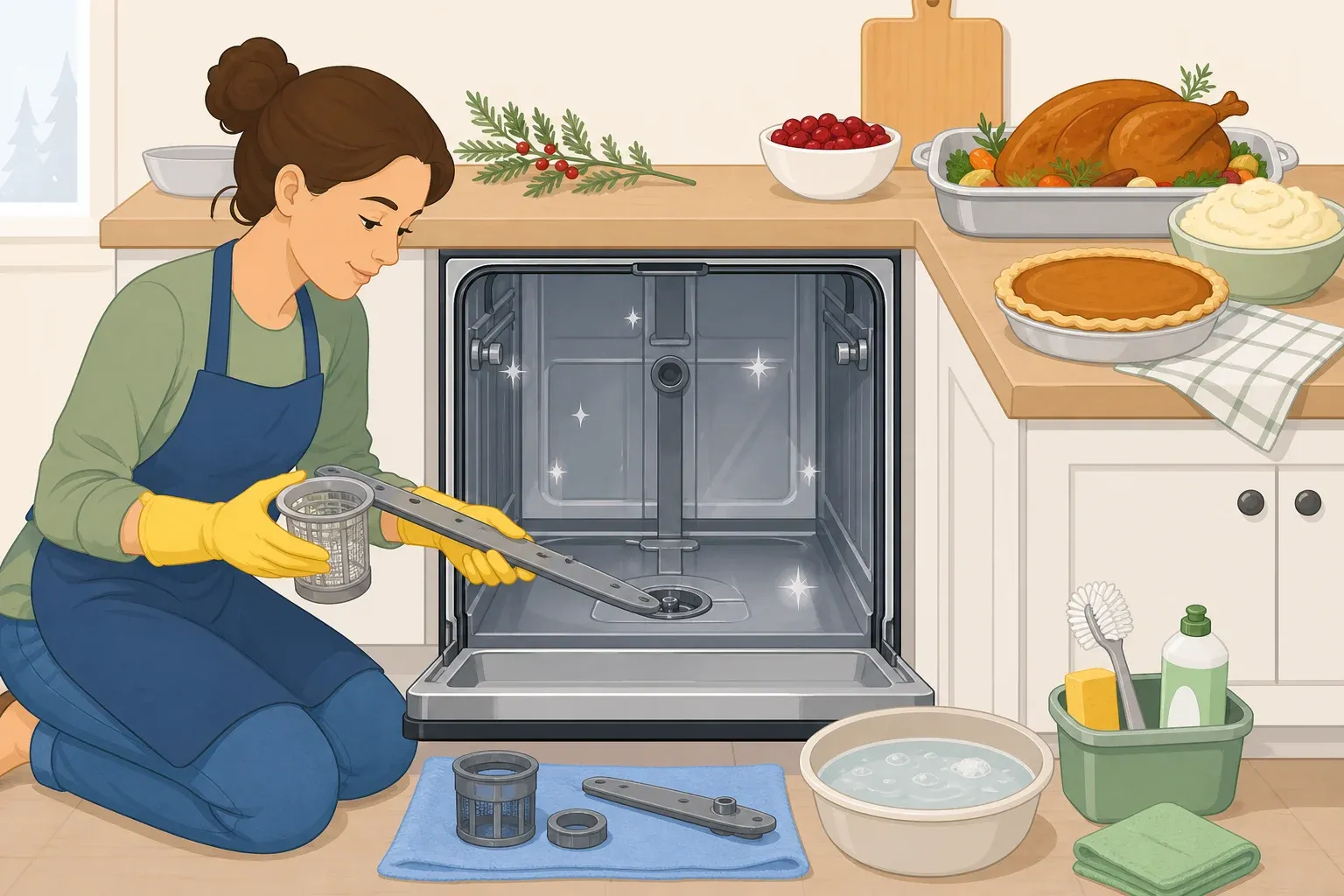
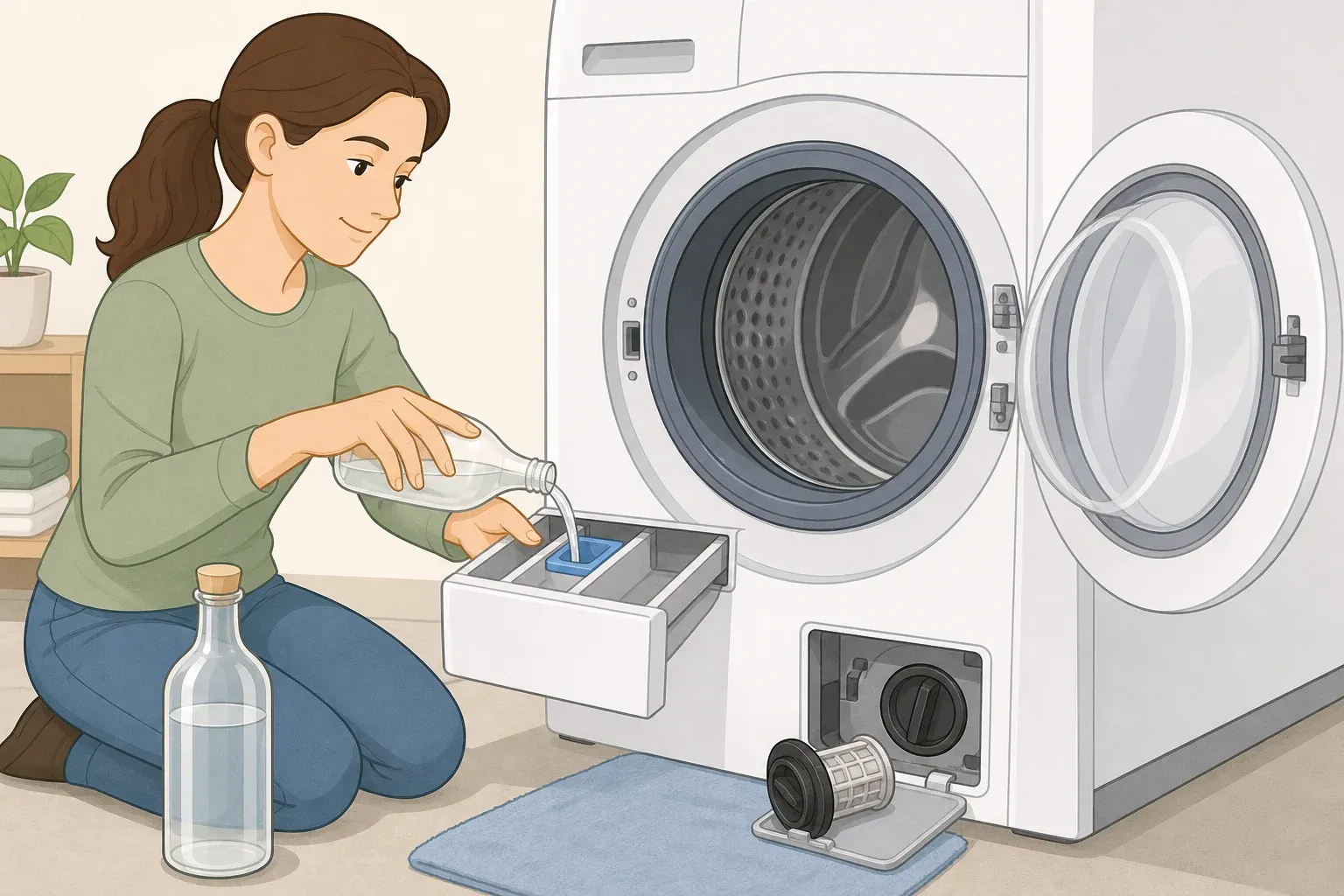
Clean the drum. The same conditions that allow mold to develop on wet textiles, moisture, warmth, and an enclosed space, apply to the machine interior. If the forgotten load developed any odor, run an empty hot cycle with a washer cleaning tablet or white vinegar before the next regular wash. On machines with a rubber door gasket, wipe down that seal directly. It traps moisture between uses and is easy to miss.
The one habit worth building
Move the load to the dryer promptly once the wash cycle ends. That single habit covers most of the scenarios above, because the same-day window is low-stakes and most forgotten loads fall there.
When timing does go wrong, calibrate the response to elapsed time rather than smell alone. The two-day threshold from USU Extension is the clearest benchmark available. It marks the point where the risk shifts from a smell problem to a potential health concern, even when the clothes look fine. Before that, you're working with practical guidance. After it, the research is specific about what you may be dealing with.



Comments
Be the first, drop a comment!