



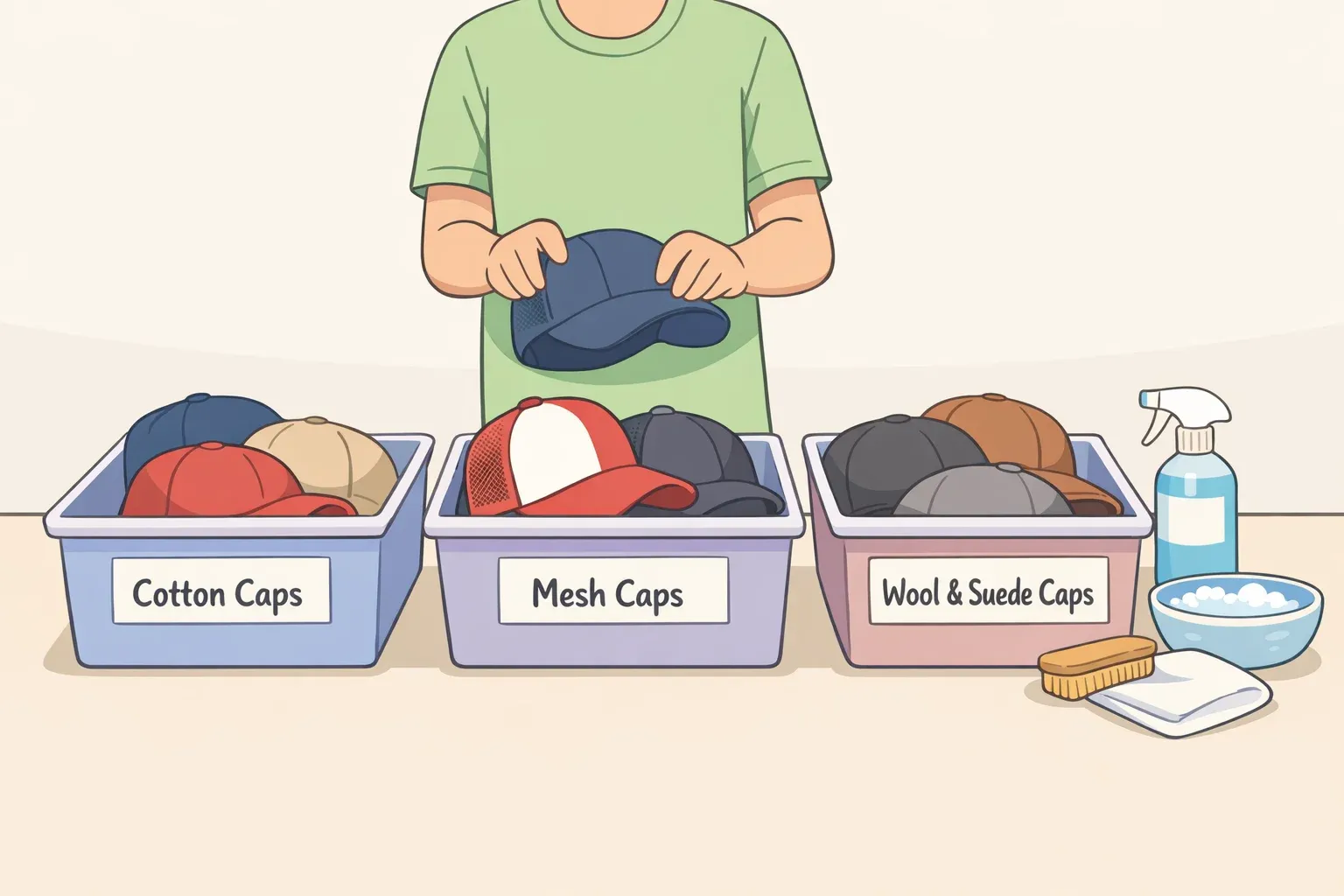
How to Clean a Baseball Cap by Cap Type and Material
The method that works for one baseball cap can permanently ruin another. Knowing how to clean a baseball cap without ruining it comes down to one thing first: identifying what you're working with. Use the wrong approach on a structured fitted hat and you'll get a warped brim or shrunken crown that no amount of reshaping will fix. This guide walks through how to identify your cap type, choose the right path, and execute it without wrecking the shape, fabric, or brim.
The short version:
Structured fitted caps and vintage caps with cardboard brims: Spot clean only. No submersion, no machine.
Most modern soft-structure caps (cotton, polyester, snapbacks, dad hats): Hand wash with cool water.
Machine washing: A limited option for certain soft modern caps only, with strict conditions.
Three facts that drive these choices:
Check the care label inside the sweatband first. A "dry clean only" instruction overrides everything here follow it or take the cap to a professional. James Joun of Rinse, via The Spruce, and Good Housekeeping both put this first.
Sweat odor and discoloration tend to originate at the sweatband, which means targeted treatment is often more effective than a full wash for the most common cleaning problem (402Fitted explains this in detail).
Protein-based stains sweat, mud, grass, blood become significantly harder to remove once they set into the fabric, so treat them promptly (Iowa State University Extension).
What you'll need regardless of method: cool water, mild detergent or dish soap (Dawn works well on sweat and oils without damaging most materials, per The Spruce), a soft toothbrush, and a clean lint-free towel.
Step 1: Identify your cap, then choose your path
The cap's construction not how dirty it is determines which cleaning method is safe. Run through this sequence before touching water.
Check the label. If it specifies a method, follow it. No label? Use the cap's build as your guide.
Press on the brim. A brim that feels stiff but slightly compressible, or soft and paper-like, likely contains cardboard or layered fiber rather than plastic. Those caps warp if soaked. When in doubt, treat the brim as cardboard and clean accordingly.
Identify the crown structure. A cap with a firm, sculpted crown that holds its shape off the head has internal buckram stiffening. The New Era 59Fifty uses this construction, along with a cardboard or layered fiber brim insert that absorbs water and warps permanently as it dries (402Fitted). These are spot-clean-only caps.
Check the fabric. Wool or wool-blend caps cannot tolerate heat or hot water, which causes felting and shrinkage. Enzyme-based cleaners are also off-limits for wool, since enzymes break down protein fibers and wool is a protein fiber (402Fitted).
Decision summary:
Cap typeSafe methodNever doStructured fitted (59Fifty, buckram crown)Spot clean onlySubmerge, machine washVintage / cardboard brim (pre-1980s)Spot clean onlyAny water on the brimWool or wool-blendSpot clean, cool water onlyHot water, enzyme cleanersSoft modern cap (cotton/poly, plastic brim)Hand wash; machine wash with conditionsDryer, hot water
For multi-color caps of any type: Do a colorfastness check before washing. Dab soapy water onto an inconspicuous interior section with a Q-tip, press for five seconds, and inspect. If dye transfers to the Q-tip, skip a full wash the bleeding dye will spread across the cap (Good Housekeeping; The Spruce). Go straight to spot cleaning instead.
Step 2: Spot cleaning the required method for structured and vintage caps
Spot cleaning is not a shortcut or a compromise. For structured fitted hats and vintage caps, it is the correct method the only one that doesn't risk permanent structural damage. It's also the most direct fix for the most common problem: a dirty sweatband.
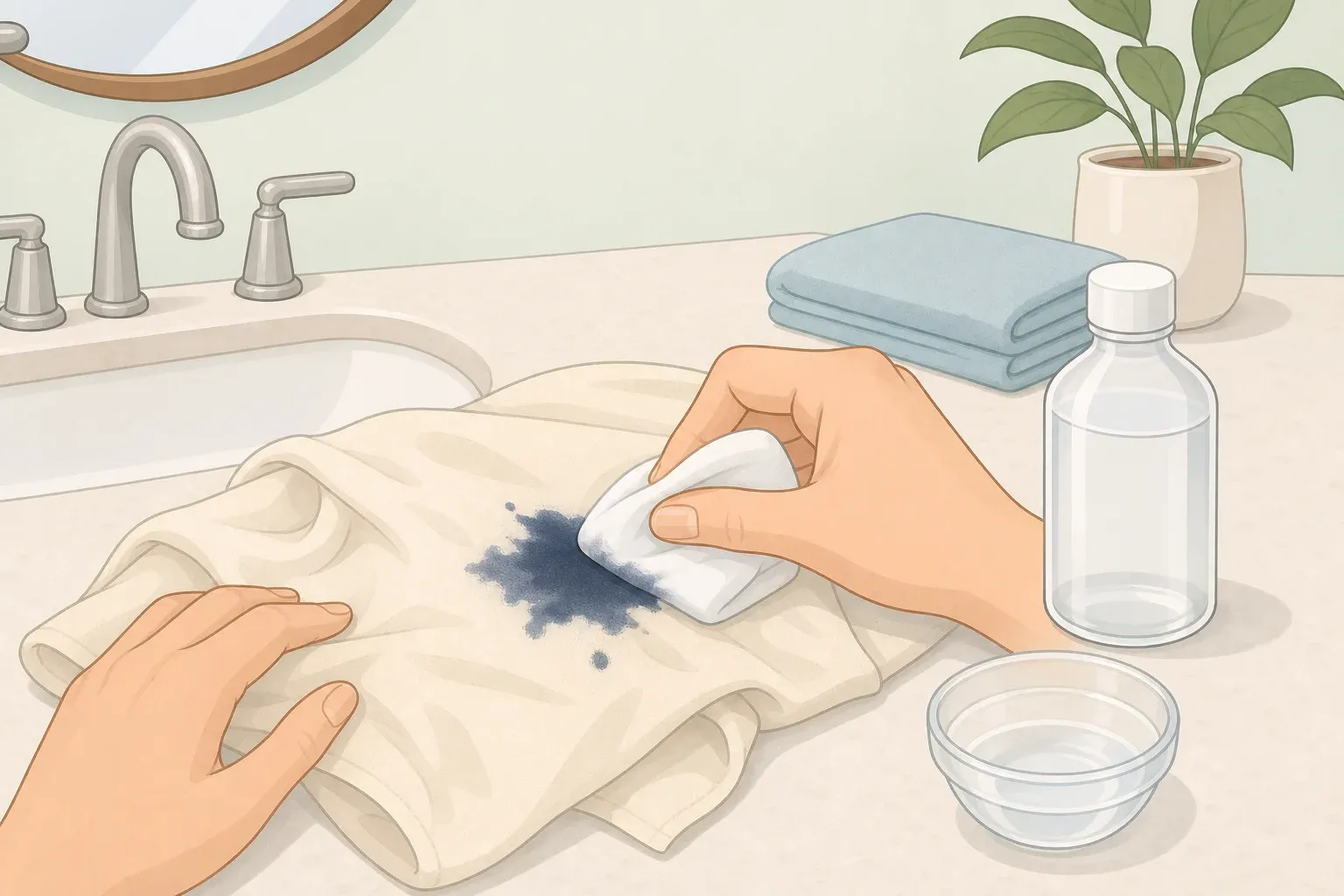
1. Start with the sweatband. Apply a small amount of mild detergent or dish soap to a soft toothbrush dampened with cool water. Scrub in small circular motions. For stubborn or yellowed staining, apply undiluted white vinegar directly to the affected area with a cotton swab, let it sit five minutes, then follow with the soap scrub. The acid in vinegar breaks down the alkaline sweat residue that causes yellowing (402Fitted). Don't use vinegar on the outer fabric of brightly colored caps without testing first.
2. Treat stained crown panels the same way. Apply soapy water with the toothbrush to the affected area only. Let it sit 10 to 15 minutes on stubborn spots before scrubbing (The Spruce). For oil stains, apply cornstarch or baking soda directly to the stain and leave it for an hour to draw out the oil before treating with soap (402Fitted). Keep the toothbrush away from embroidered logos the thread can unravel under pressure.
3. Rinse treated areas only. Use a damp cloth to wipe away soap residue. Don't pour water over the brim or soak the crown. Blot, don't rub.
4. Dry on a round form, away from heat. Place the cap crown-side up on a bowl or balled-up towel. No dryer, no hair dryer, no radiator, no prolonged direct sunlight. Plan for at least six hours the internal structure continues setting long after the outer fabric feels dry (402Fitted).
For daily-wear structured caps, cleaning the sweatband with soap and cool water every two to four weeks handles most odor and discoloration without needing anything more involved (402Fitted).
Step 3: How to hand wash a baseball cap the best method for most soft-structure caps
Hand washing gives you control over water exposure, pressure, and timing. It's the safest full-wash option for soft modern caps, and the approach recommended across the widest range of cap types by cleaning experts (Good Housekeeping). A machine can't course-correct mid-cycle when something starts going wrong.
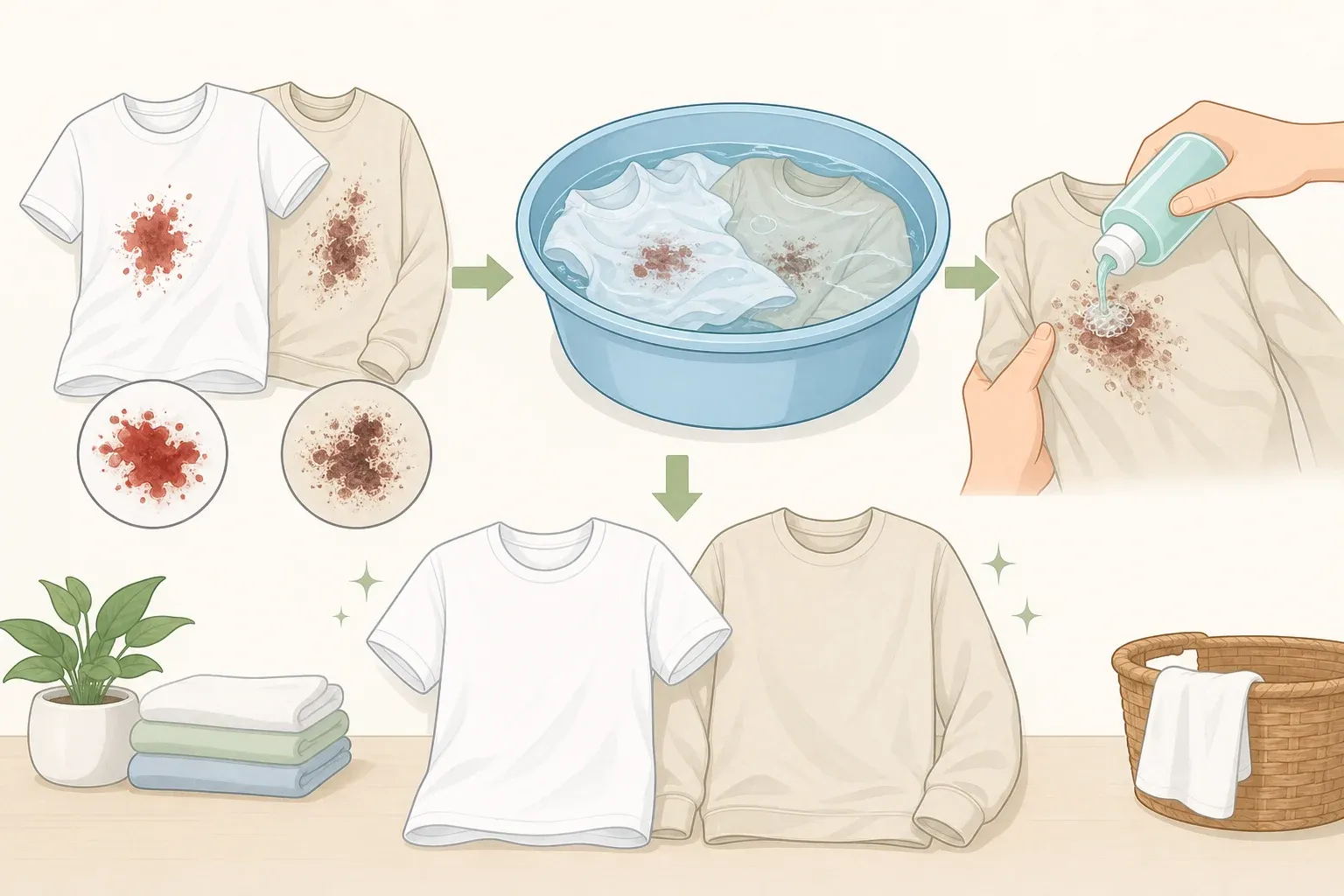
1. Pre-treat visible stains. Apply mild detergent or an enzyme-based laundry pretreatment directly to stained areas and let it sit five minutes before soaking. Enzyme pretreatments work well on protein stains like sweat, mud, and grass, but must not be used on wool caps (402Fitted; Iowa State University Extension).
2. Fill a sink with cool water and a few drops of mild detergent. Cold water only. Hot water is the primary cause of shrinkage, particularly with wool and older caps (The Spruce).
3. Submerge the cap and soak for 15 minutes. Gently agitate by hand. If spots remain after soaking, apply soap directly to those areas, let them sit another five to ten minutes, then return the cap to the water (Good Housekeeping).
4. Scrub the sweatband and stained areas with a soft toothbrush. This is where the cleaning work actually happens. Keep pressure away from embroidered logos.
5. Rinse thoroughly under cool running water until all soap is gone. Detergent left in the fabric attracts new dirt over time Joun at Rinse makes this point explicitly via The Spruce. A colander in the sink makes this easier to manage.
6. Squeeze out excess water from the crown only skip the brim. Pat dry with a lint-free towel. Don't wring or twist (Good Housekeeping).
7. Reshape and set the cap on a round form a bowl or balled-up towel works. Dry in a shaded, ventilated spot for at least six hours, away from direct heat and prolonged sunlight, which fades color (The Spruce).
Can you wash a baseball cap in the washing machine?
Machine washing works for a specific subset of caps: soft-structure modern cotton or polyester hats with plastic brims and no internal buckram stiffening. Even then, it's a calculated risk rather than a default recommendation. As Joun puts it via The Spruce, machine washing is best reserved for cotton or polyester caps without a cardboard brim. If the cap is structured, vintage, or wool, stop here and go back to spot cleaning.
For caps that qualify, every one of these conditions applies skip any of them and the risk increases substantially:
1. Pre-treat stains using the same approach as hand washing.
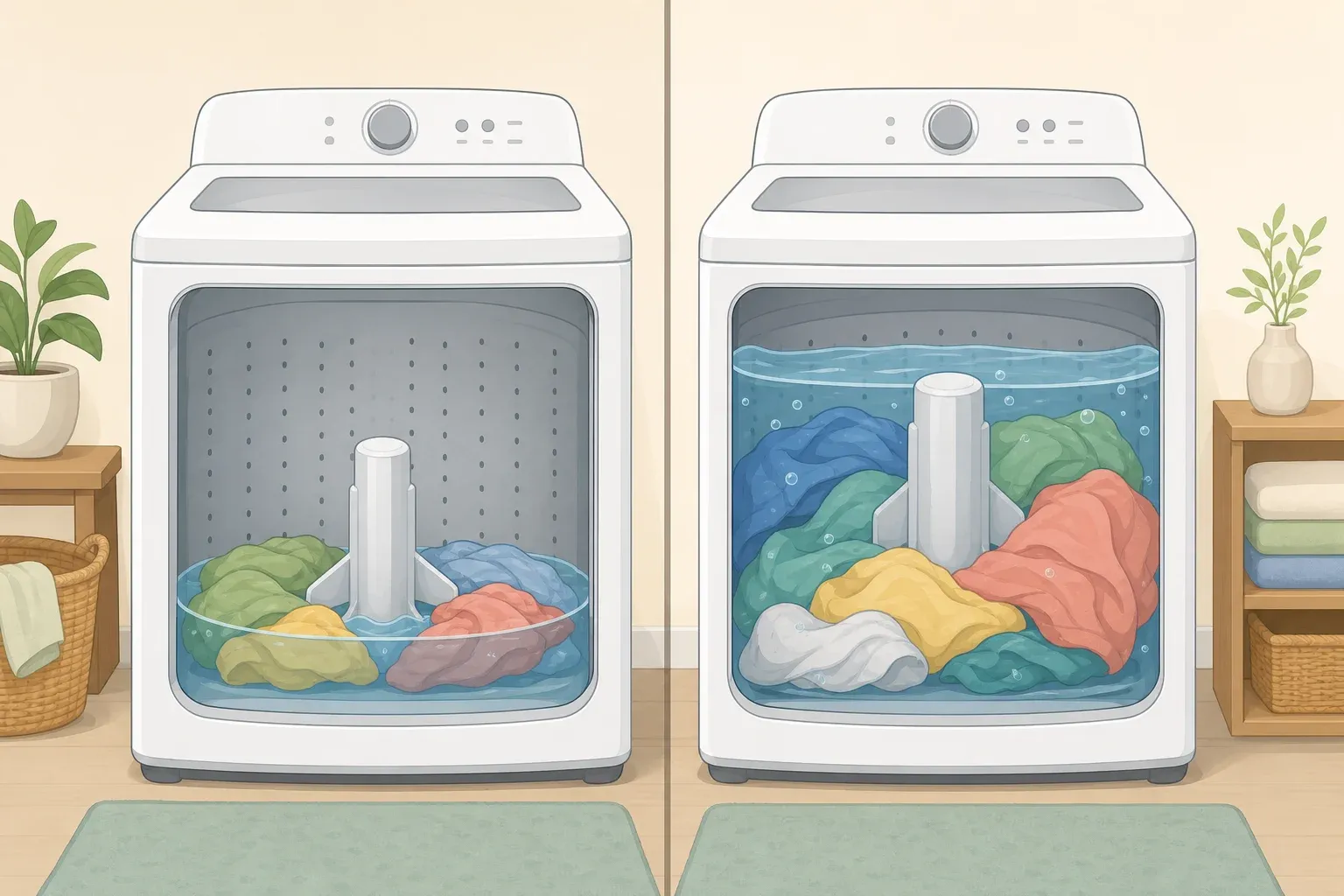
2. Place the cap in a mesh laundry bag or hat cage. This limits the agitation that bends the brim against other items in the drum (The Spruce).
3. Select the delicate or gentle cycle, cold water, slowest available spin speed. Warm water shrinks; a fast spin deforms (Good Housekeeping).
4. Set a timer and pull the cap out the moment the cycle ends. The longer it sits in the drum afterward, the harder reshaping becomes (Good Housekeeping).
5. Dry on a round form never the dryer. Heat warps brims and shrinks sweatbands, even on caps that handled the wash cycle without issue (Good Housekeeping).
Common mistakes that ruin caps:
Putting any cap in the dryer
Using hot water
Machine washing a structured or vintage cap
Scrubbing embroidered areas aggressively
Using bleach or harsh chemicals (bleach fades color and degrades wool and synthetic fibers)
Leaving soap residue in the fabric
Storing a cap before it's fully dry
Troubleshooting: sweat stains, dye bleed, and mold
Some situations call for a different approach than the standard steps above.
Sweat stains that won't budge. If yellowing on a sweatband or crown panel doesn't respond to soap alone, the vinegar pretreatment from Step 2 is the right escalation for most cap types. For persistent staining on polyester caps specifically, an enzyme-based cleaner like OxiClean applied directly to the stain, left for 15 minutes, then scrubbed and rinsed, can clear what soap can't (402Fitted). Don't use this on wool.
Dye bleed after washing. If color ran during a hand wash, don't put the cap back in water. Pat it dry with a white cloth to absorb what you can, then let it air dry fully before assessing. A re-wash won't reverse the bleed it will spread it further. Future washes should be cold and brief, or skipped in favor of spot cleaning only (Good Housekeeping).
Mold or mildew smell. This usually means the cap was stored damp. Mix equal parts white vinegar and water, apply to the affected area, and let it sit 15 to 20 minutes (402Fitted). Scrub lightly, wipe clean with a damp cloth, and dry thoroughly on a round form before storing. Keep sun exposure under two hours to avoid fading.
When to hand it to a professional. If the care label specifies dry cleaning, that instruction isn't optional. The same applies to any cap where the brim material or fabric content is genuinely unclear, or where a stain has set deeply into wool. Guessing wrong on a structured fitted hat produces damage that isn't fixable at home.
Drying, storage, and maintenance between washes
A carefully washed cap stored incorrectly while still damp can develop odor and lose its shape within days.
After every wear: Air the cap out before storing it. Hang it on a hook with the crown facing out for at least an hour. Trapped moisture accelerates bacterial growth that's the source of hat odor, not the sweat itself (402Fitted). A quick wipe of the sweatband with a damp cloth removes surface oils before they absorb into the fabric, taking about ten seconds and preventing the buildup that makes deep cleaning necessary.
Between full washes: A baby wipe or damp cloth catches small spots before they set (The Spruce). It takes seconds and extends the time between deep cleans considerably.
For storage: Keep caps on a hook or rack, not stacked. Stacking transfers weight downward and flattens the crown over time (402Fitted). Don't store a cap in a gym bag or anywhere that crushes the brim (The Spruce).
How often to wash: For daily-wear caps, a light cleaning every two to three weeks; occasional-wear caps need attention only every few months (Good Housekeeping). Consistent between-wash habits reduce how often a full wash becomes necessary.
The cap determines the method
Identify what you're working with, choose the appropriate path, and the rest is straightforward. Structured fitted hats and vintage caps with cardboard or fiber brims get spot treatment only no water on the brim, no submersion, ever. The brim stiffener in caps like the New Era 59Fifty absorbs water and warps permanently as it dries, and that damage is not recoverable (402Fitted). Most modern soft caps are safe to hand wash with cool water and mild detergent, then air dry on a round form. Machine washing is available for a narrow category of soft modern caps under strict conditions, but it's not the starting point.
If there's any genuine doubt about which category a cap falls into, spot clean with cool water and mild soap. Safe across every cap type, effective on the most common problems, and it leaves no room for irreversible mistakes.



Comments
Be the first, drop a comment!