



Laundry Rules You Can Break: What the Evidence Actually Shows
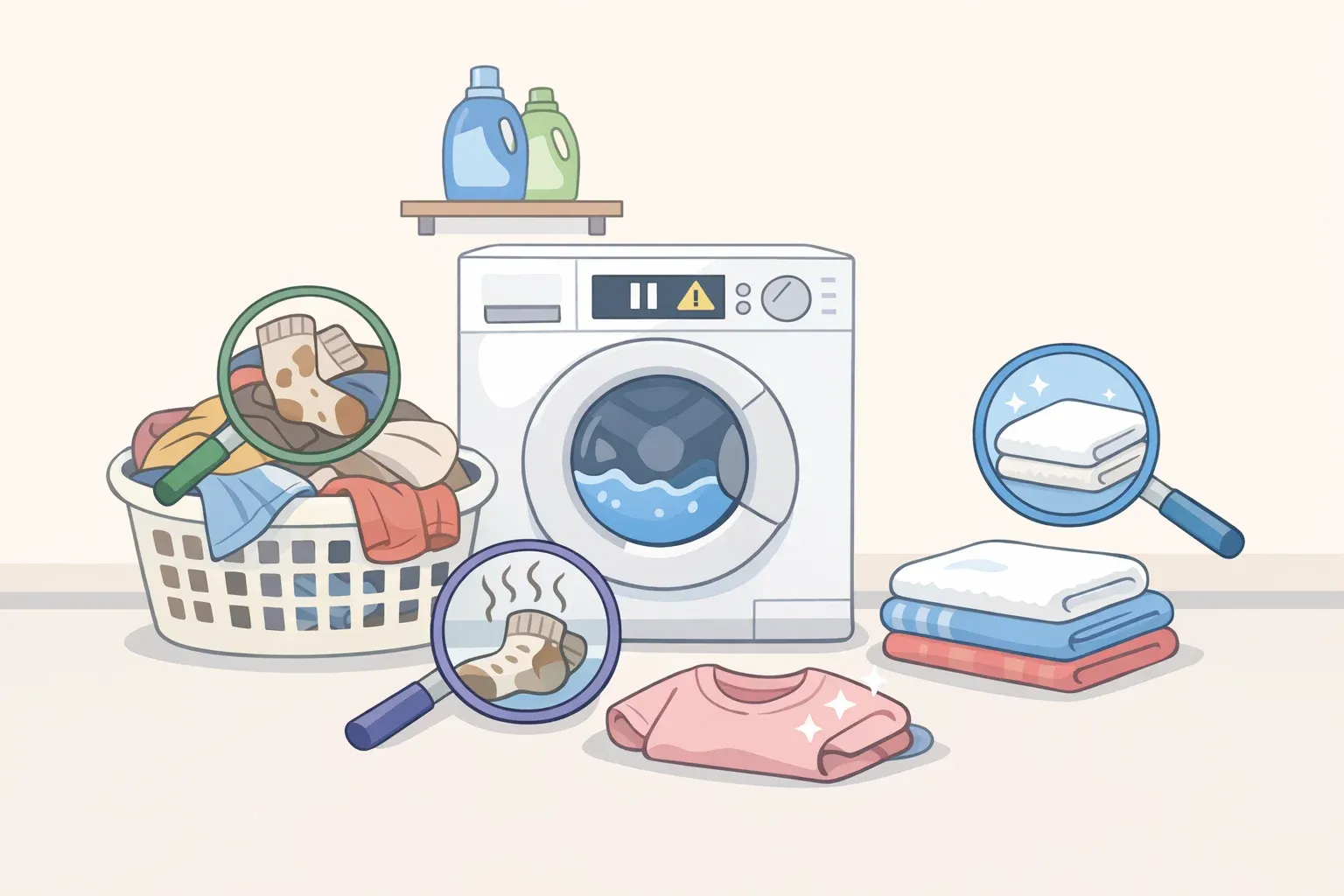
Loading the machine after every wear is the default nobody has questioned. That's the real problem, not dirty clothes. A peer-reviewed review published in the Textile Research Journal earlier last year found that only 11% of surveyed people cited odor as their primary reason for laundering, with visible dirt as the other main trigger. Habit is running the laundry room.
Those unnecessary cycles carry real costs. Life-cycle assessments cited in the same review found that laundering accounts for the largest share of a garment's environmental footprint, roughly 14 kg CO2-equivalent per kilogram of polyester or cotton, and each wash sheds plastic microfibers under 5mm that accumulate as marine microplastics. Washing clothes that don't need it is measurably wasteful.
The same logic runs through product use: more detergent, more softener, more time soaking in the bathtub. None of it produces cleaner results. What follows covers six laundry rules you can break and three you genuinely can't, all grounded in what the evidence actually shows.
One note upfront: everything here applies to standard household laundry. Households managing illness, infants, compromised immune systems, or significant skin conditions should follow specific guidance for those circumstances.
How often should you wash clothes?
Start with a decision filter, because the rest of this article depends on it.
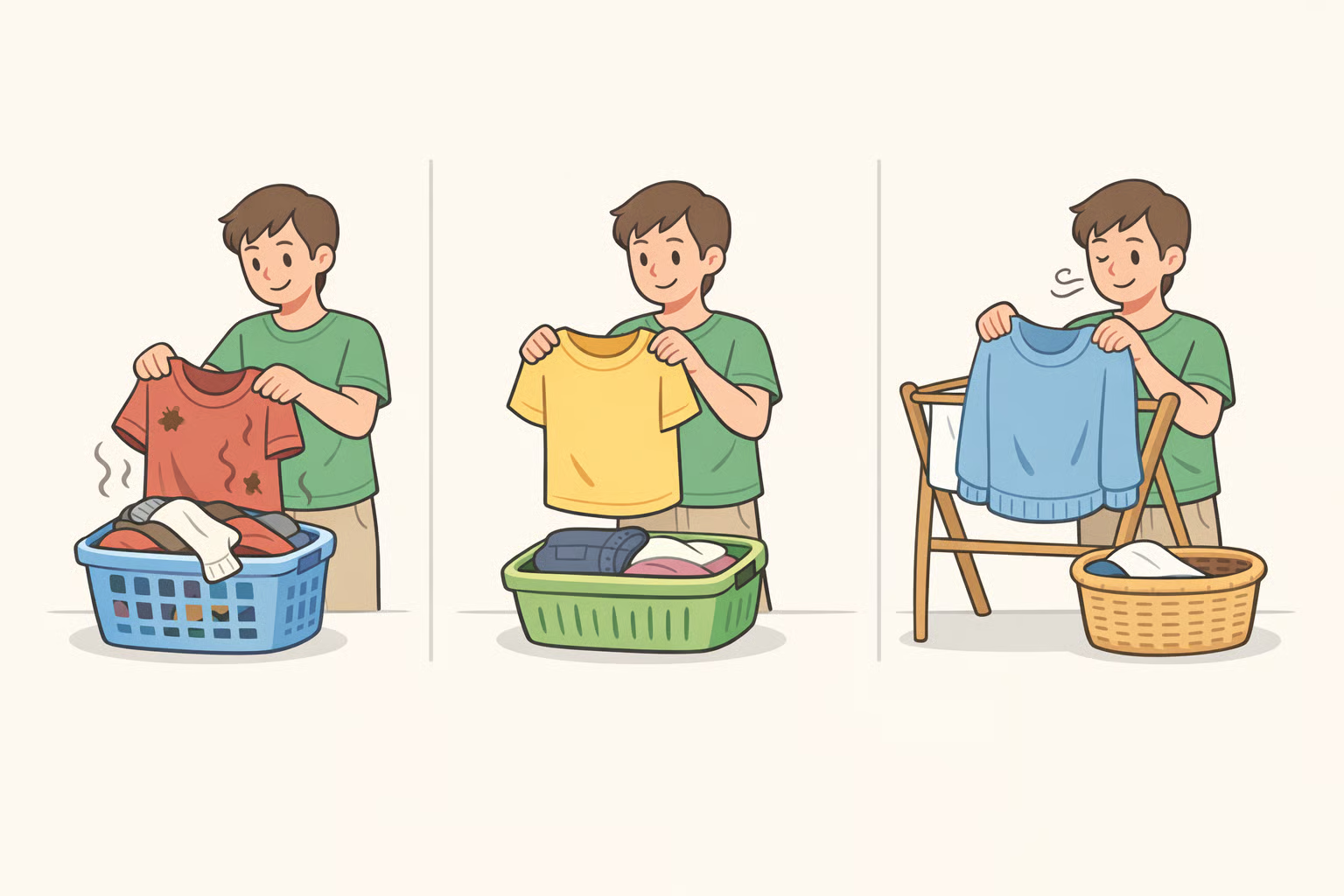
Every item in the hamper falls into one of three situations:
- Wash now: visible dirt or staining, detectable odor, worn during intense activity or in hot and humid conditions.
- Rewear: no odor, no visible marks, worn in low-sweat conditions, not against skin during exertion.
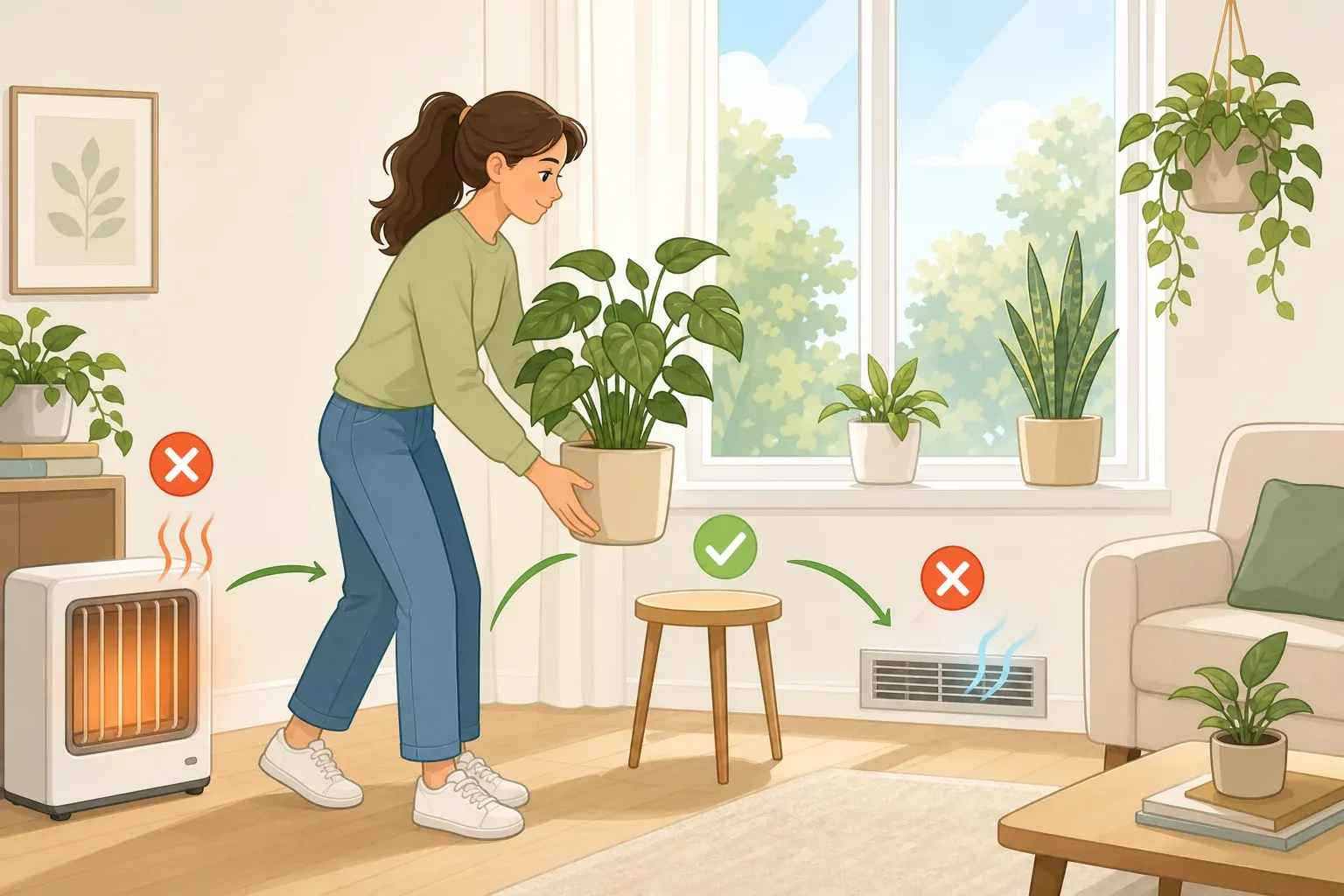
- Air it first: worn for a full day but no obvious odor. Hang it open, ideally near natural light. If it still smells clean after airing, wear it again. If it doesn't, wash it.
The underlying science is simple. Sweat itself is odorless; smell develops only when perspiration meets bacteria on the skin's surface, according to the Textile Research Journal review. Low sweat output means less bacterial activity, which means less odor, which means less reason to wash. Sunlight helps too: UV rays carry natural antibacterial properties that can reduce odor-causing microbes on fabric, per the same review. Hanging a garment near a window isn't wishful thinking.
Hot and humid conditions shift the calculation. Higher sweat output accelerates bacterial activity, so the wash threshold drops, per the review. Everything below assumes temperate, climate-controlled conditions unless noted.
Laundry rules you can break: how often to wash
Rule 1: Not every garment needs the machine after one wear
Between 61% and 76% of participants in a large-sample study summarized by the Textile Research Journal review said odor rarely drove their decision to wash, even in cases where garments had been worn ten or more times and carried detectable odor. The review's conclusion: odor-free garments can generally be worn multiple times before laundering.
How many times depends on the garment's relationship to skin, sweat, and exertion. A structured jacket worn over a shirt is a different case from a cotton tee worn on a humid commute. Working down the hierarchy:
- Hard outer layers, structured trousers, and anything worn over other clothing can typically go several wears absent visible soiling.
- Mid-layer knits worn over a base layer can often go multiple wears.
- Casual tops worn directly against the skin warrant closer scrutiny. One or two wears, adjusted for conditions.
- Underwear, socks, and anything worn against skin during heat or activity: see the non-negotiables below. These are not candidates for rewearing.
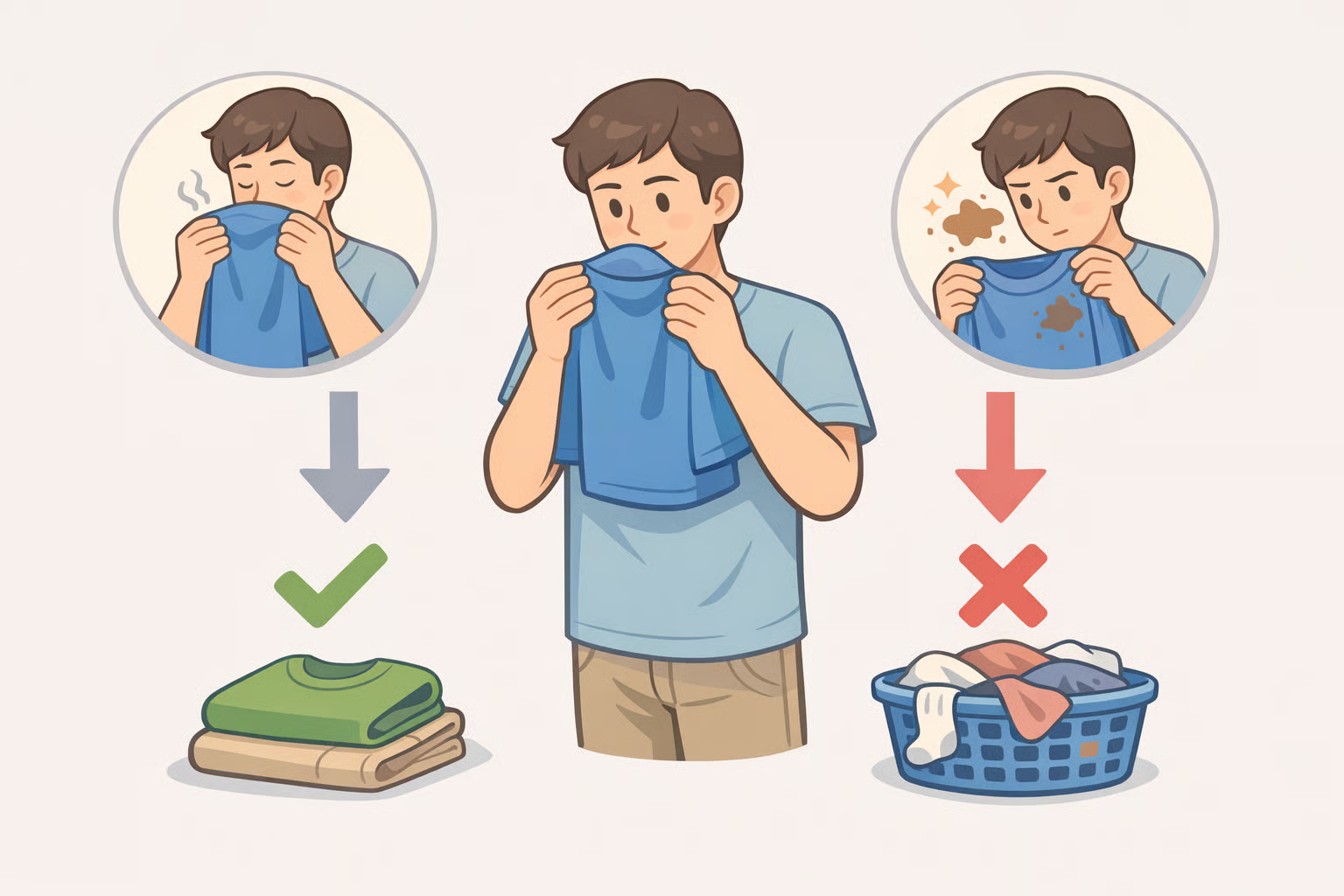
The actual test is always the decision framework above. Smell it, look at it, think about how you wore it.
One override applies to all of it: visible staining. A sweater with a coffee stain gets washed regardless of when it was last cleaned. That part isn't negotiable.
Rule 2: Workout clothes are a separate category, and they get washed more
This isn't about doing less laundry. It's about being accurate. Activewear and everyday clothing are simply not the same case.
The contrast in the data is sharp. For ordinary garments, only a small fraction of people say odor drives their wash decision. For athletic shirts and pants, more than 70% of participants said odor is always their reason for washing, per the Textile Research Journal review. Human skin hosts roughly one trillion microorganisms, according to the same review. Activewear traps sweat, heat, and that microbial activity against the skin through extended exertion. Fast odor development is the predictable result.
Wool is the useful exception. Wool fibers can absorb moisture up to 33% of their own weight before feeling damp, and the outer fiber layer is speculated by some researchers to carry antibacterial properties, per the review. Worth knowing, but not a reason to skip washing.
One thing that changes nothing: odor-control textiles. A consumer study cited in the same review found no meaningful difference in washing frequency between people who owned odor-control garments and those who didn't. Buy them for comfort if you want. Don't buy them expecting to skip wash cycles.
Common laundry myths about detergent and softener
Rule 3: More detergent doesn't mean cleaner clothes
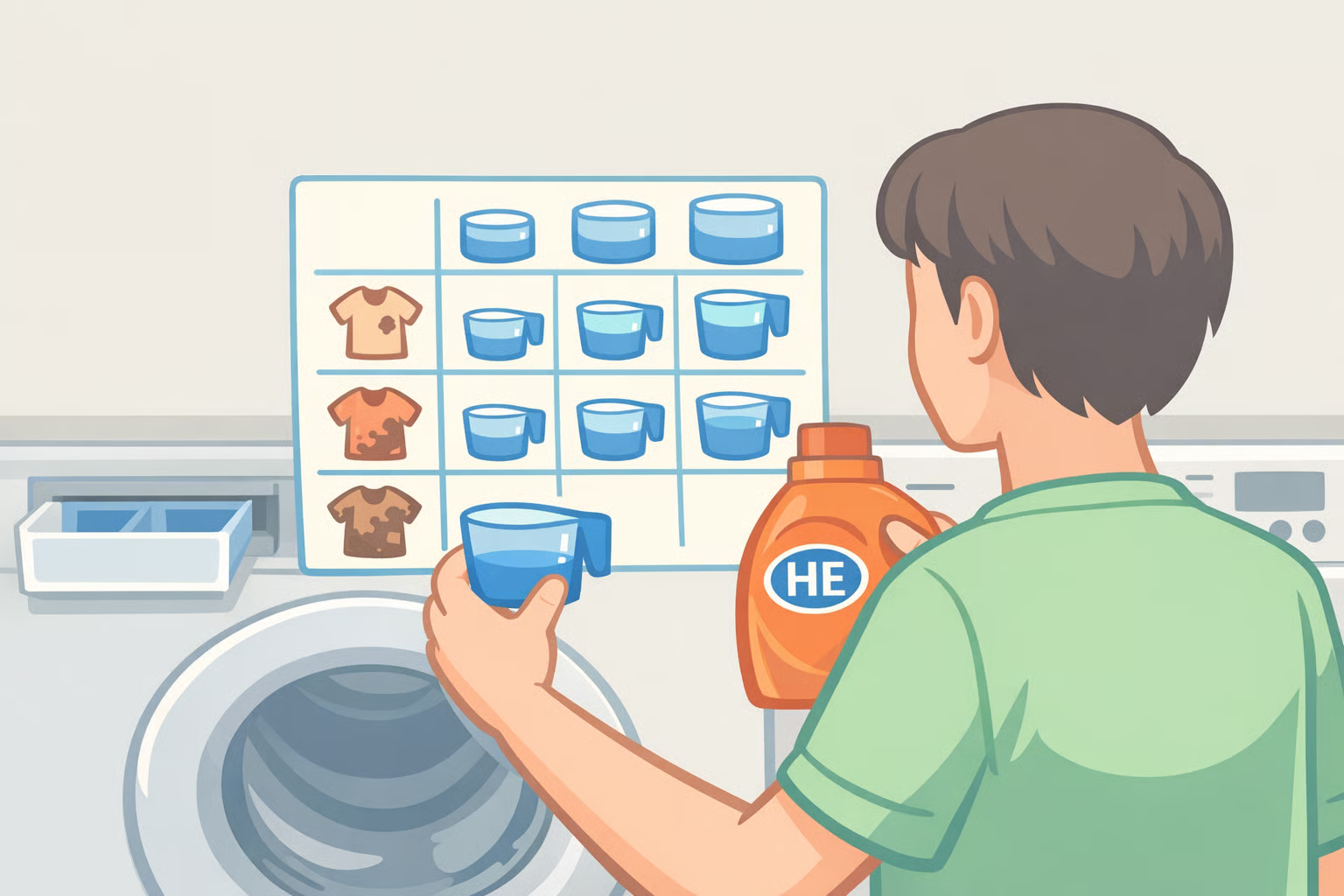
Most people use roughly twice as much detergent as their load actually needs, according to Consumer Reports. With concentrated modern formulas, the excess doesn't rinse out cleanly. It stays on the fabric as residue, leaving clothes feeling dull or stiff after washing.
In HE machines, the problem compounds. Excess suds can force the washer to reduce spin speed, leaving loads wetter than normal and potentially triggering error codes, per Whirlpool product guidance. The machine works harder and cleans worse.
Follow the manufacturer's dosage for soil level and load size, per Whirlpool. In soft water, scale down: soft water activates suds more aggressively, so the standard dose already runs high. One practical gotcha: HE detergents come in 2x, 4x, and 8x concentrations, per Whirlpool. The right dose for a 2x formula is not the right dose for an 8x product. Read the label on the current bottle.
Rule 4: Fabric softener isn't doing what you think
A Consumer Reports laundry tester concluded that fabric softener is a waste of money for most households. It can irritate sensitive skin, leave a waxy residue on fabric, and measurably reduce towel absorbency. Towels that feel plush early but stop absorbing after a few months have usually been over-softened.
Skip it by default. On towels specifically, the absorbency problem alone makes it counterproductive.
Rule 5: Bathtub laundry stripping is just an extra rinse cycle with extra steps
The bathtub-soaking ritual that circulates online as "laundry stripping" produces the same result as running an extra rinse or rinse-and-spin cycle in the washing machine, with significantly less effort and no mess, according to Consumer Reports. If clothes feel stiff or dull after washing, run an extra rinse before drying. No tub, no soak time, no additives required.
More detergent, added softener, bathtub soaking: all feel like doing something productive. None outperform the simpler alternative.
Three laundry rules that stay
Not everything here has been up for negotiation. Three rules hold regardless of what else gets dropped.
Wash underwear, socks, and skin-contact items worn in heat after every use. Sweat interacts with the dense microbial population on the skin's surface to produce odor quickly in garments worn directly against skin during activity or heat, per the Textile Research Journal review. The rewear logic from the sections above doesn't transfer here. One wear is one wear.
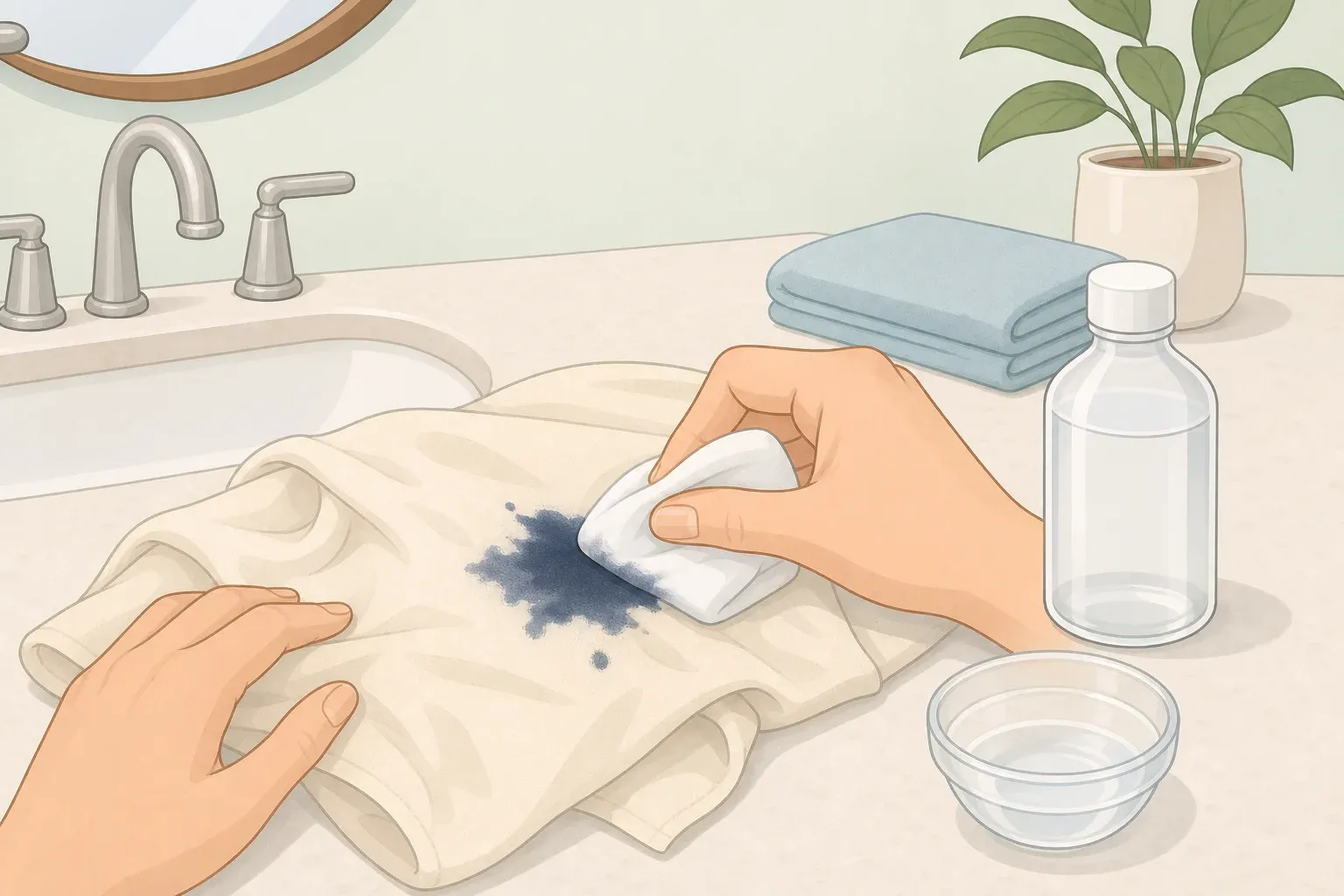
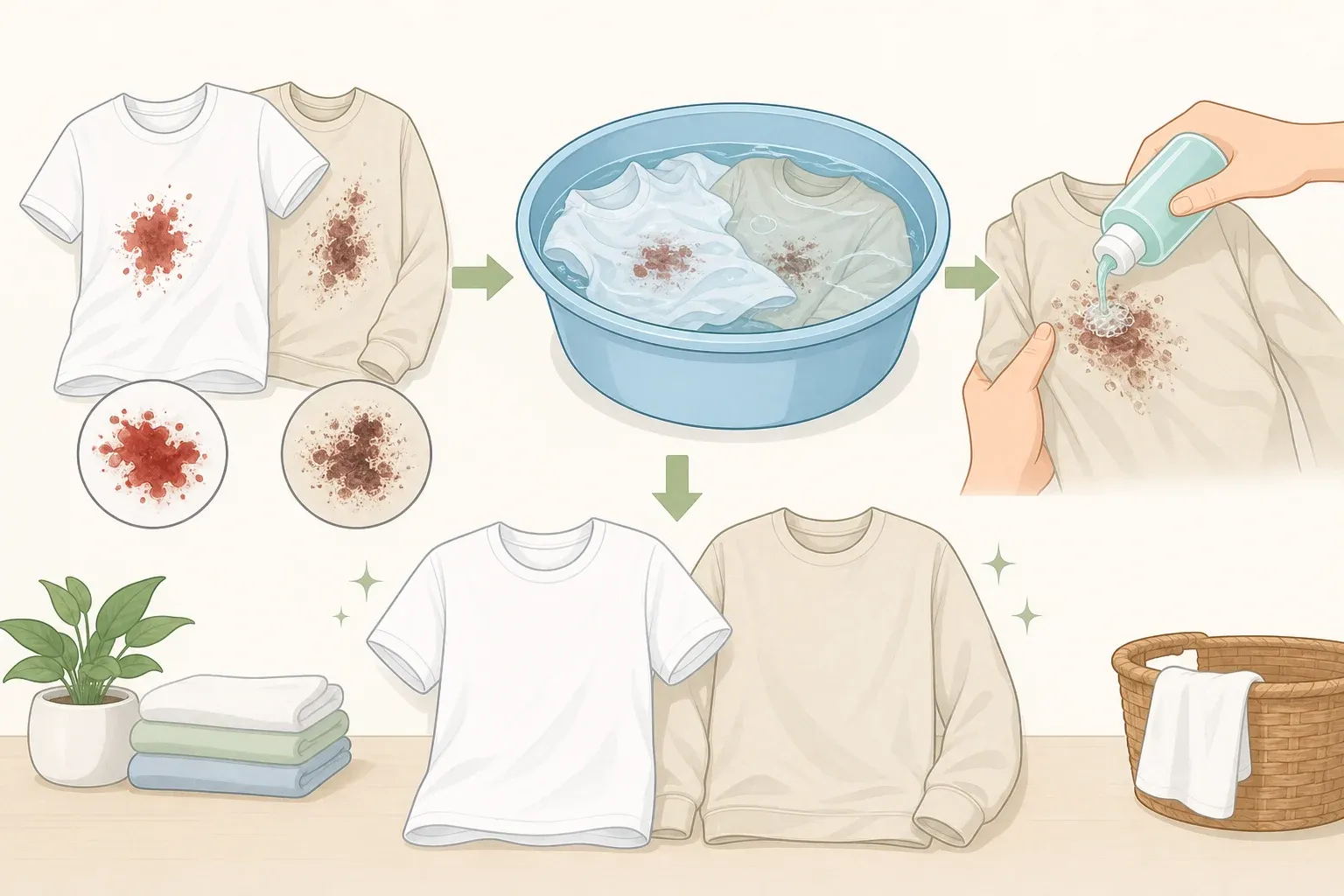
Don't put stained clothes in the dryer until the stain is out. Dryer heat sets stains permanently, making removal significantly harder, sometimes impossible, per Consumer Reports. This is the one laundry mistake with no reliable recovery. Air-dry the item, re-treat if needed, and confirm the stain is gone before it goes near heat.
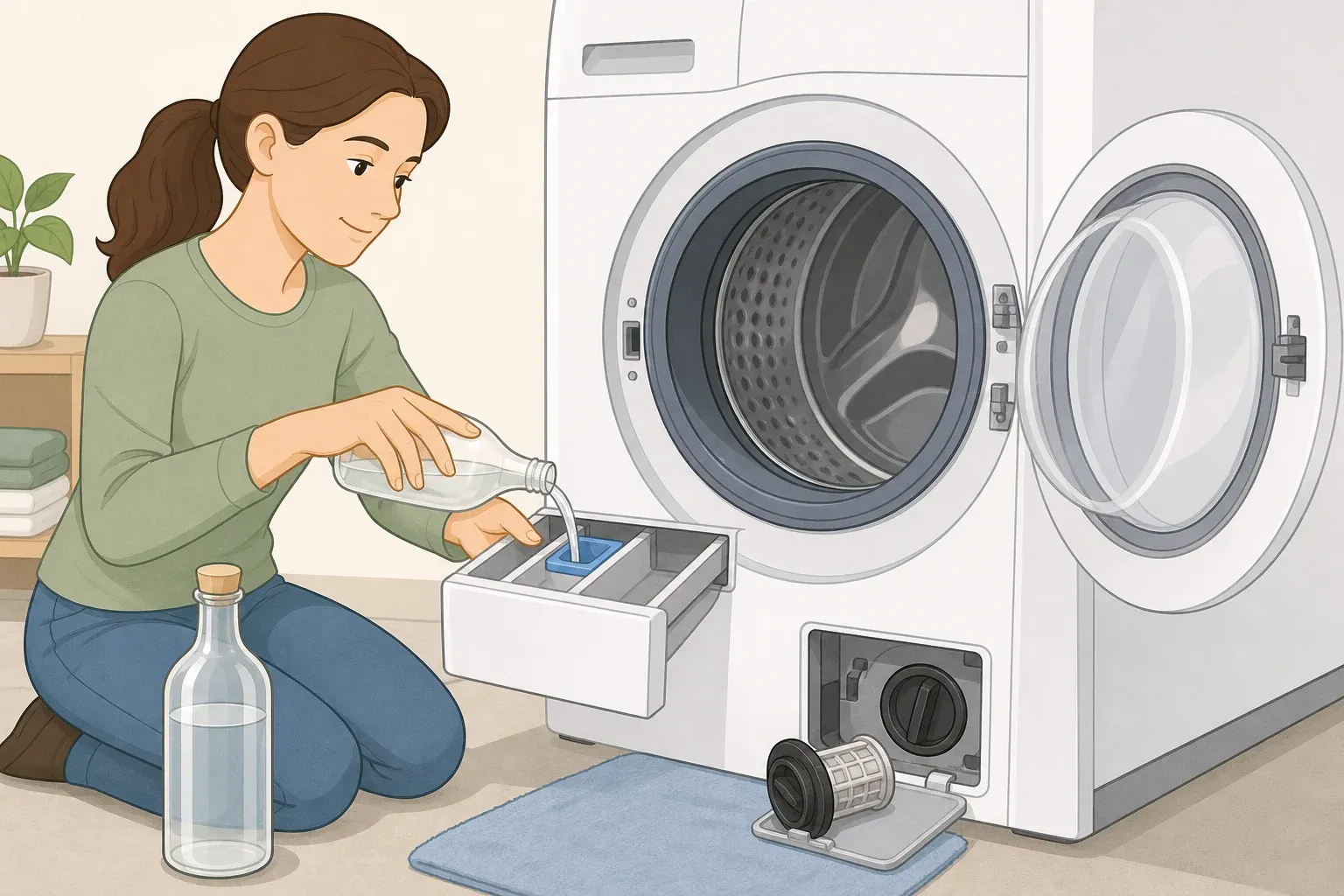
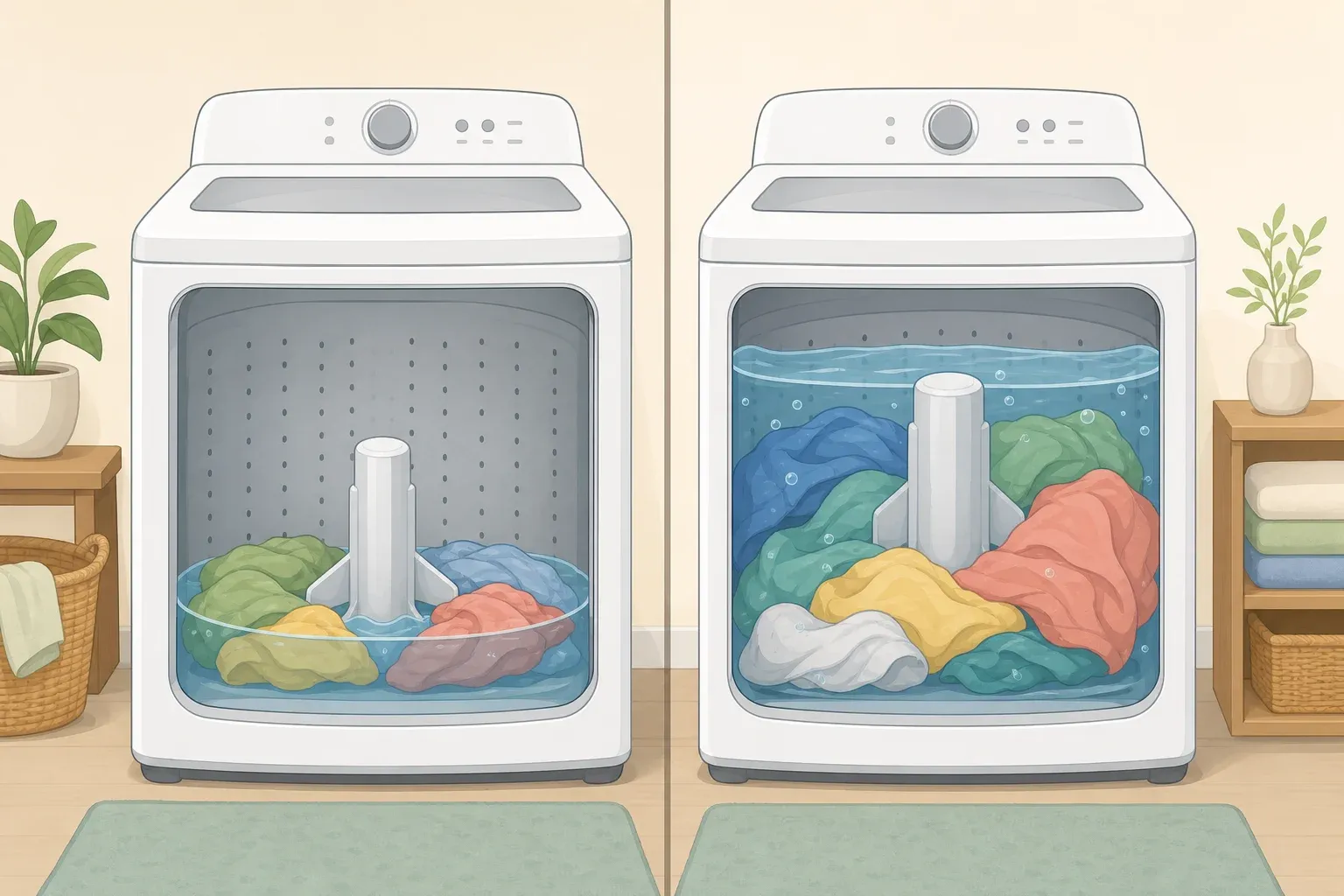
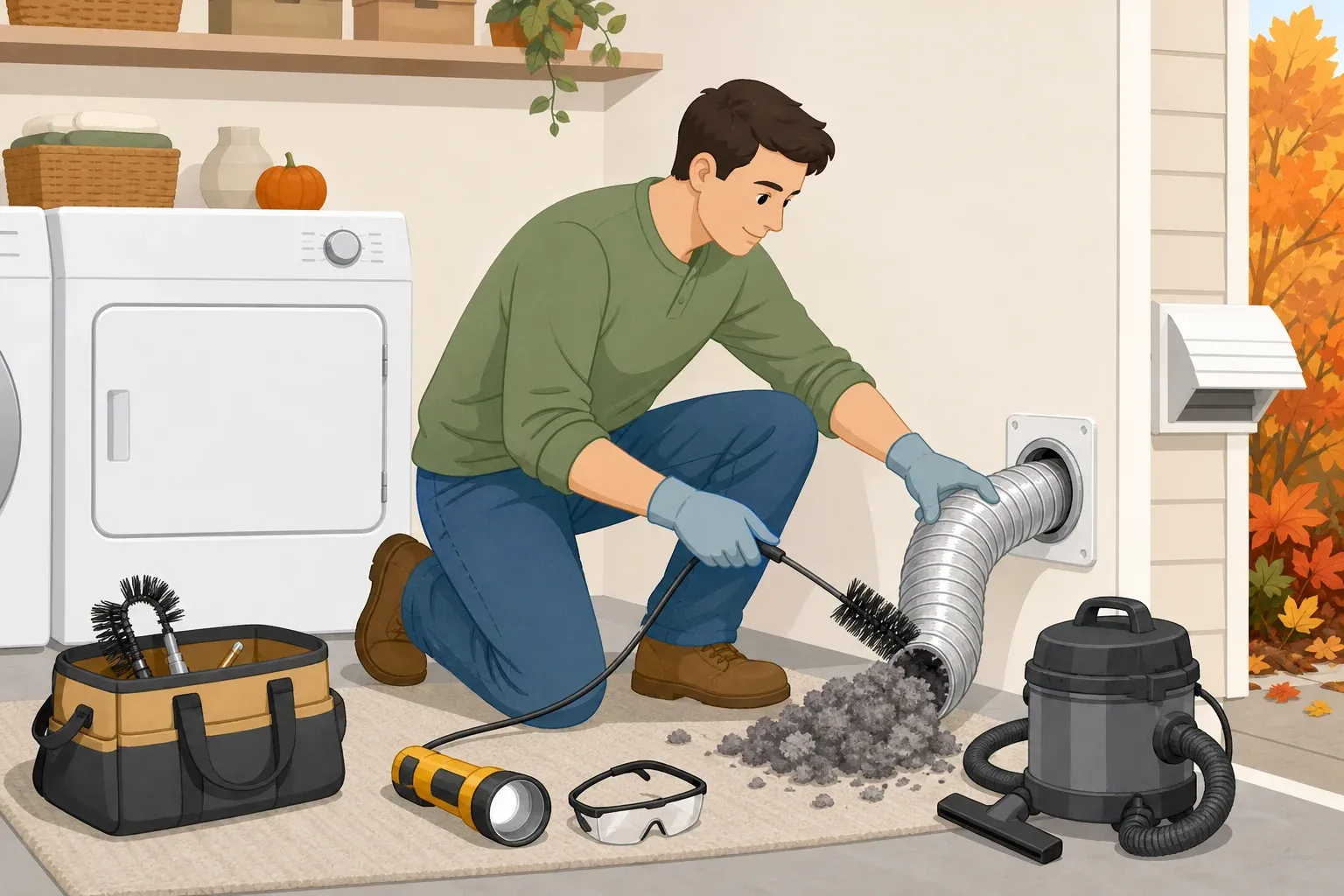
Don't overstuff your machines, and run a clean cycle monthly. Overloading a washer prevents clothes and detergent solution from circulating properly; overloading a dryer blocks airflow and leaves loads damp, per Consumer Reports. Neither machine works correctly when packed too full. Running the built-in clean cycle every month keeps odor from building inside the drum, a problem that detergent residue accelerates, per Whirlpool. The households most prone to a smelly washer are often the ones overdosing detergent in the first place.
What to do before you load the machine
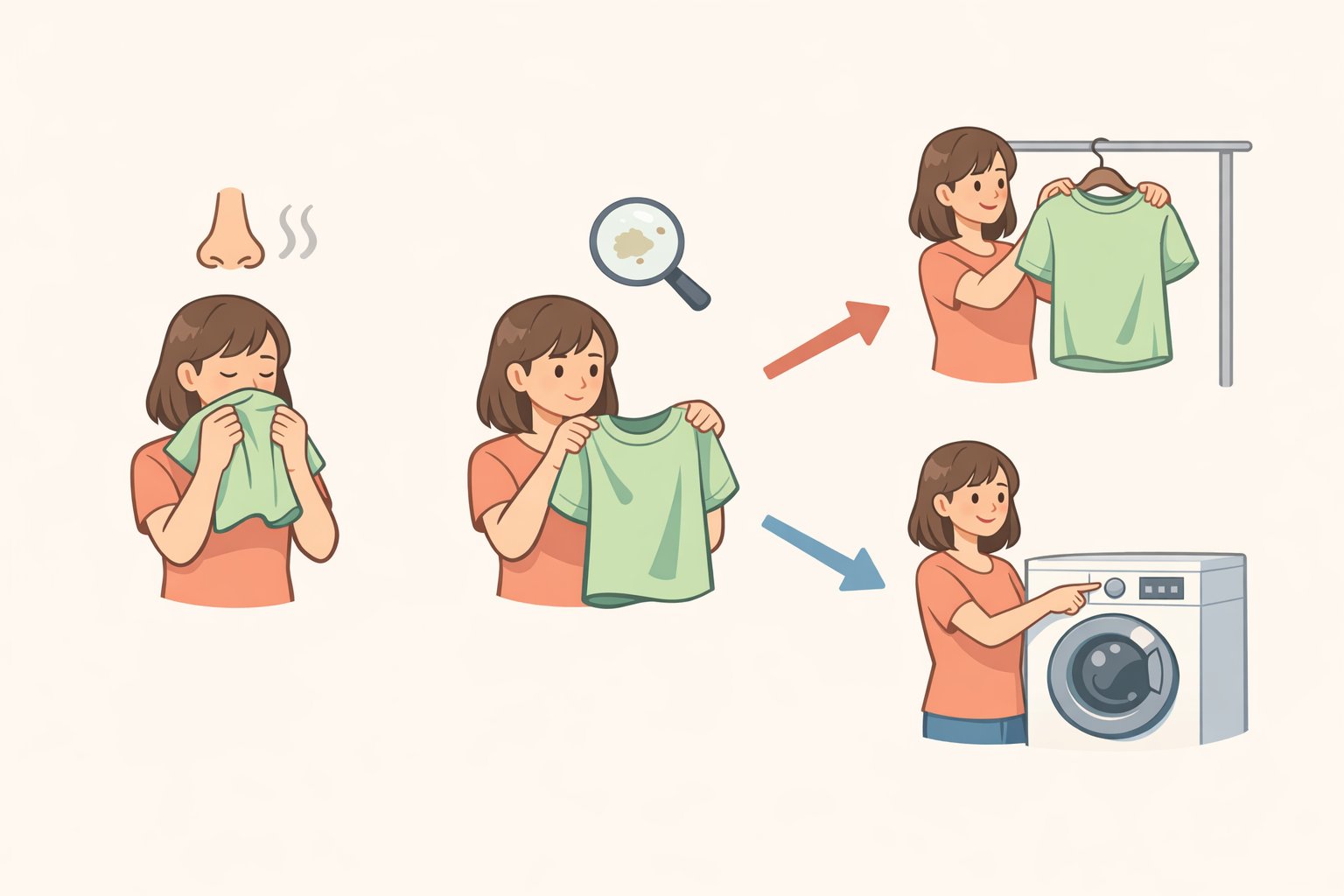
Smell the item. Look at it. Think about how you wore it. If nothing flags, hang it up.
That ten-second check replaces a lot of unnecessary washing. The Textile Research Journal review and Consumer Reports point in the same direction: minimum effective action consistently outperforms habitual excess, whether that's wash cycles or product volume.
What's actually under scrutiny here isn't laundry. It's the habit of doing more because doing more feels responsible. Most of the change this article suggests is about stopping things, not starting them: skipping the automatic post-wear cycle, putting down the measuring cap after the first line, leaving the fabric softener on the shelf. The decision framework handles the rest.






Comments
Be the first, drop a comment!