



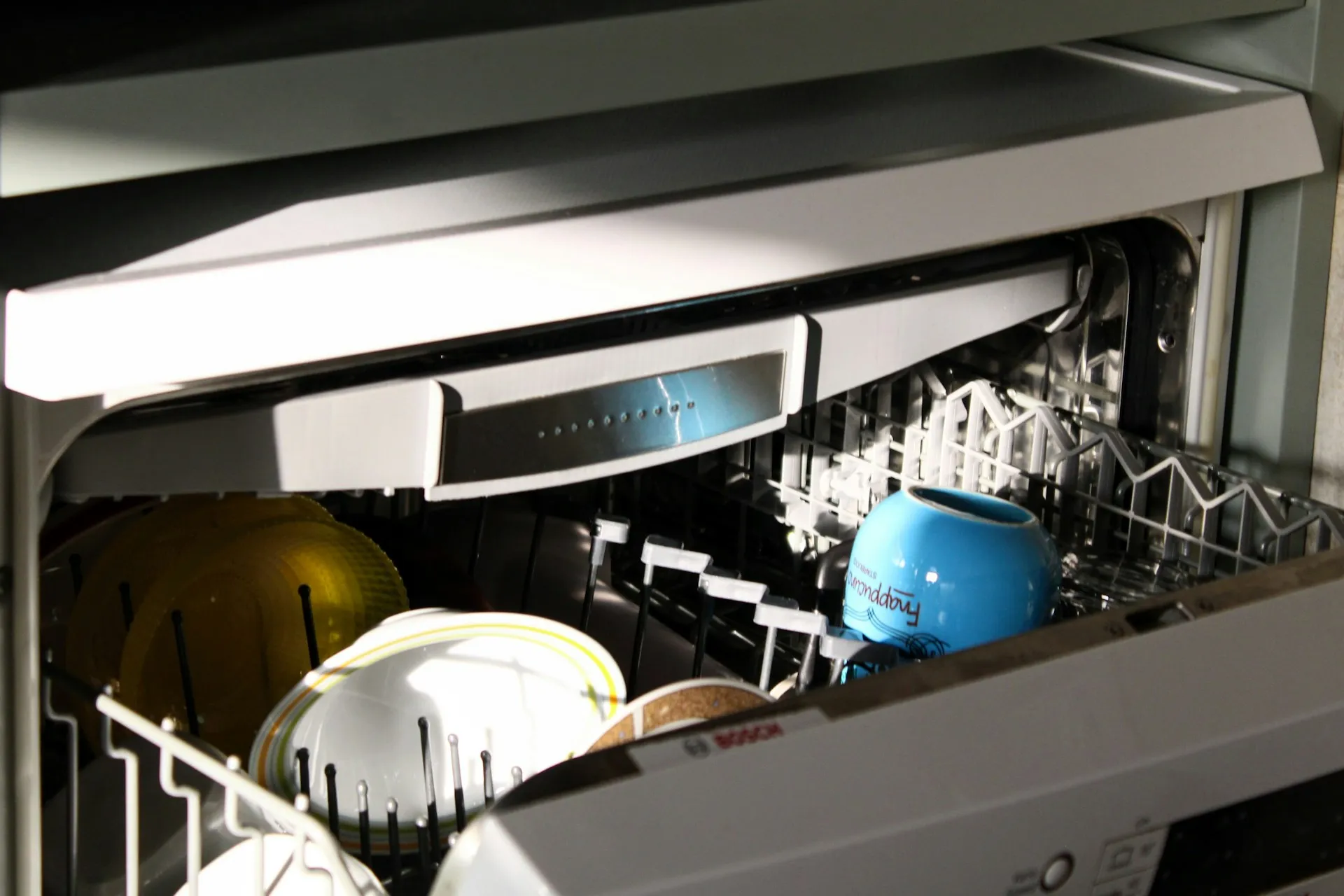
Stop Wet Dishes Forever: Master Your Dishwasher's Hidden Drying Features
Difficulty: Novice
Time: 30-45 minutes (setup and first test cycle)
Cost: $5-15 (rinse aid and cleaning supplies)
Why You'll Like This
Tired of opening your dishwasher to puddles in bowls and water-spotted glassware? You're not dealing with a broken machine. You just need to know where to find the right settings. Most dishwashers come equipped with enhanced drying options that many users never discover, plus most dishwashers today offer options to boost drying performance. With strategic adjustments to settings, loading technique, and maintenance, you'll transform those frustrating wet dish moments into consistently perfect results.
What You'll Need
Materials
Rinse aid (liquid, any brand)
White vinegar (for cleaning)
Soft brush or old toothbrush
Tools
Your dishwasher's owner's manual (or model number for online lookup)
Clean cloth or towel
Small bowl for mixing cleaning solution
Safety First
Ensure the dishwasher has completed its cycle and cooled before handling internal components
Always power off the dishwasher at the breaker when cleaning filters or inspecting heating elements
Use caution with hot dishes immediately after cycles
Steps
1. Locate Your Dishwasher's Enhanced Drying Settings
Check your control panel for settings labeled "Dry+," "Pro Dry," or "Extended Dry." These represent different approaches to moisture removal.
Tip: If labels aren't clear, consult your manual or search online using your model number.
2. Test Enhanced Settings on a Mixed Load
Start by finding Extra Dry and try it on a mixed load that includes plastic containers (the ultimate drying test).
These settings work by bumping the water temperature during the final rinse or using internal heating elements to improve evaporation.
Note: Plastic containers that usually come out dripping finish dry when the extra setting is on.
3. Set Up Automatic or Manual Door Opening
If your dishwasher has automatic door opening, ensure it's activated—many newer dishwashers feature automatic door-opening technology that pops the door slightly ajar after the cycle completes.
Manual alternative: Open the dishwasher door an inch or two after the cycle ends to allow moist air to escape.
Why it works: The hot dishes will evaporate the water and the steam will escape through the open door.
Timing: Generally, flash drying only takes a couple of minutes with most dishwashers.
4. Add Rinse Aid to Dedicated Dispenser
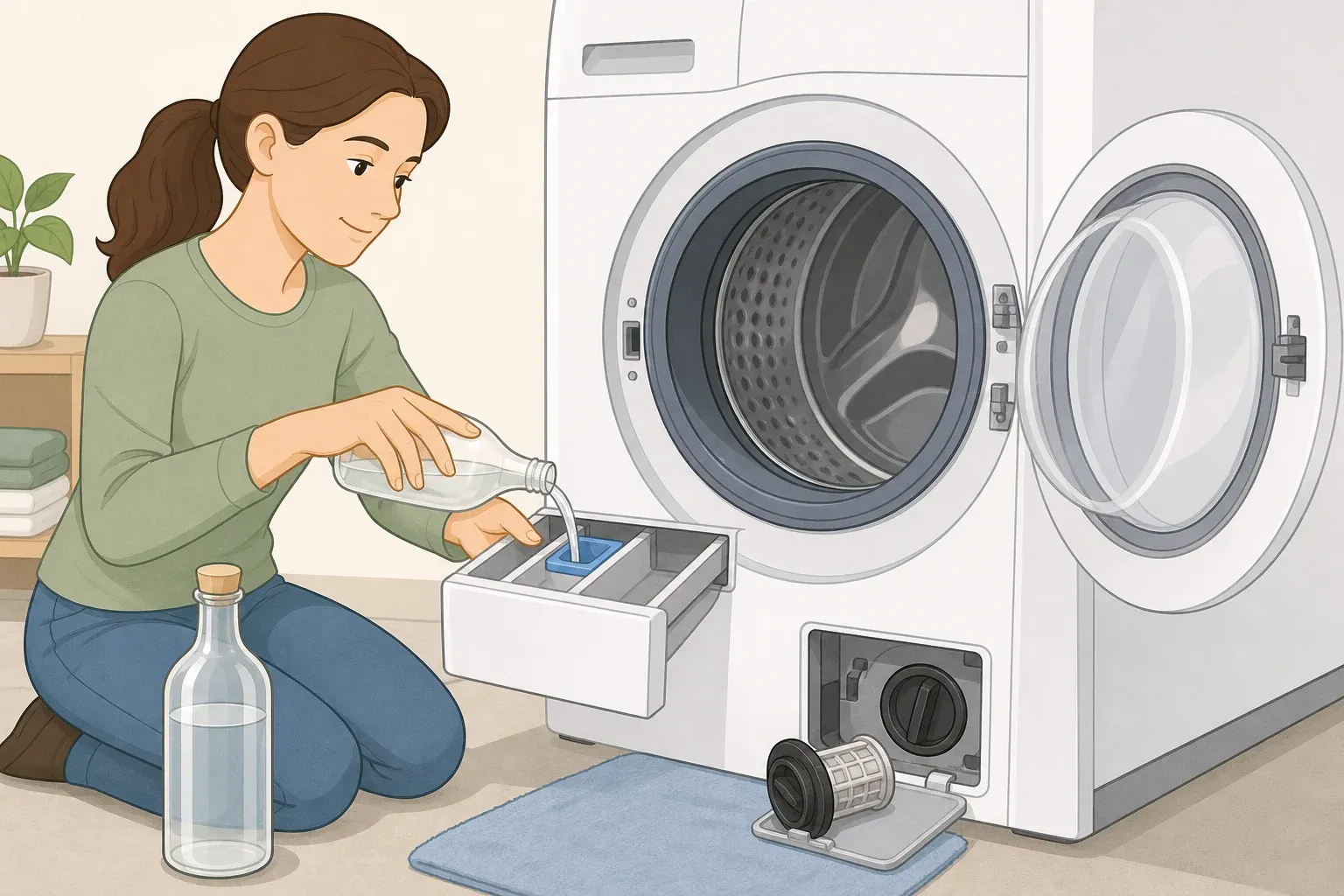
Locate the rinse aid compartment (usually next to the detergent dispenser) and fill according to the manufacturer's instructions.
Rinse aid works by breaking the bond between molecules of water and your dishes so that the water sheets off.
Important: Even if your detergent contains rinse aid, adding the liquid to the small compartment next to the detergent dispenser will help items dry more thoroughly.
5. Master Strategic Loading Technique
Make sure items, especially cups and glasses, are angled or tilted so excess water runs off them.
Use your machine's cup shelves or glassware holders, if you have them, and load plastic storage lids with the lips facing downward.
Lightweight items that often flip upside down and fill with water should be anchored securely in place or hand-washed.
Unloading tip: Always start with the bottom rack to prevent water from dripping onto other dishes.
6. Select the Right Cycle for Your Load
Match the cycle to the job: light dishes don't need Heavy Duty, while baked-on cheese does.
Eco mode savings: Switching from Auto to Eco mode could save up to about $60 to $80, depending on local rates, though Eco runs longer at lower temps.
Heavy duty: Heavy Duty or Intensive runs at around 70°C, 158°F, and uses much more water and energy for casserole dishes with cheese stuck on, scorched pans, or heavily soiled loads.
7. Establish Monthly Maintenance Routine
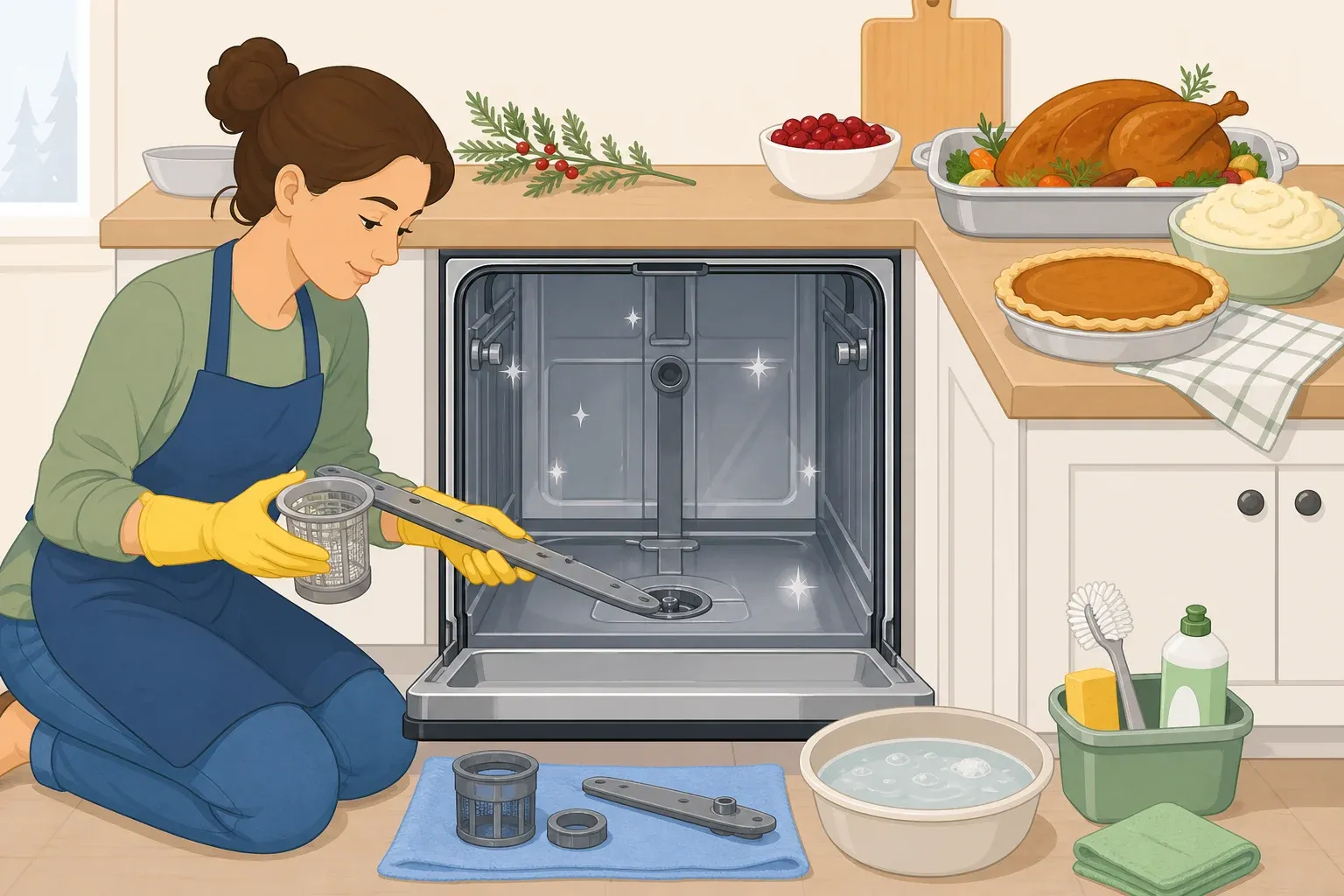
Clean the filter monthly—a five-minute job: twist, wash, scrub, rinse, and replace.
Filters trap food, grease, and debris, but they clog over time and reduce cleaning performance.
Run Self-Clean every 1–3 months to keep spray pressure strong and coverage even.
Why it works: Enhanced drying settings extend the final wash phase with higher temperatures or longer heating periods, while rinse aid reduces water's surface tension so it sheets off rather than beading up on surfaces.
Cleanup & Disposal
Wipe down the dishwasher exterior and control panel with a damp cloth
Store rinse aid in a cool, dry location away from children
Dispose of old or expired cleaning supplies according to local guidelines
Troubleshooting
Problem: Dishes still wet after using enhanced settings → Fix: Check that the rinse aid dispenser isn't empty and verify the cycle is completed fully before opening the door
Problem: Enhanced setting extends cycle too long → Fix: Use Eco when not in a rush and observe its effectiveness on different messes
Problem: Plastic items remain wet → Fix: Ensure these items are angled for drainage and consider hand-drying plastic immediately after the cycle
Variations & Upgrades
Budget option: Skip enhanced settings and focus on proper loading plus manual door opening
Energy-conscious: Pair Air Dry with Eco, and you can reduce per-load costs dramatically
Maximum performance: Combine enhanced dry setting with rinse aid and strategic loading for restaurant-quality results
FAQ
Can I use white vinegar instead of commercial rinse aid? White vinegar can work temporarily, but commercial rinse aid is specifically formulated for optimal water sheeting and won't leave any residual odor.
Will enhanced settings damage my dishes? No—these settings use temperatures and methods designed for safe dish cleaning and are gentler than hand-washing with very hot water.
How do I know if my dishwasher has automatic door opening? Check your manual or run a cycle and observe—some dishwashers automatically pop the door open a couple of inches after the dry cycle to release moist air.
The next time you open your dishwasher door, instead of sighing at wet dishes and reaching for a towel, you'll find completely dry, spot-free dishes ready to put away immediately. Regular cleaning reduces mechanical strain and can extend dishwasher lifespan, avoiding expensive repairs—making these simple adjustments an investment in both convenience and your appliance's longevity.









Comments
Be the first, drop a comment!