



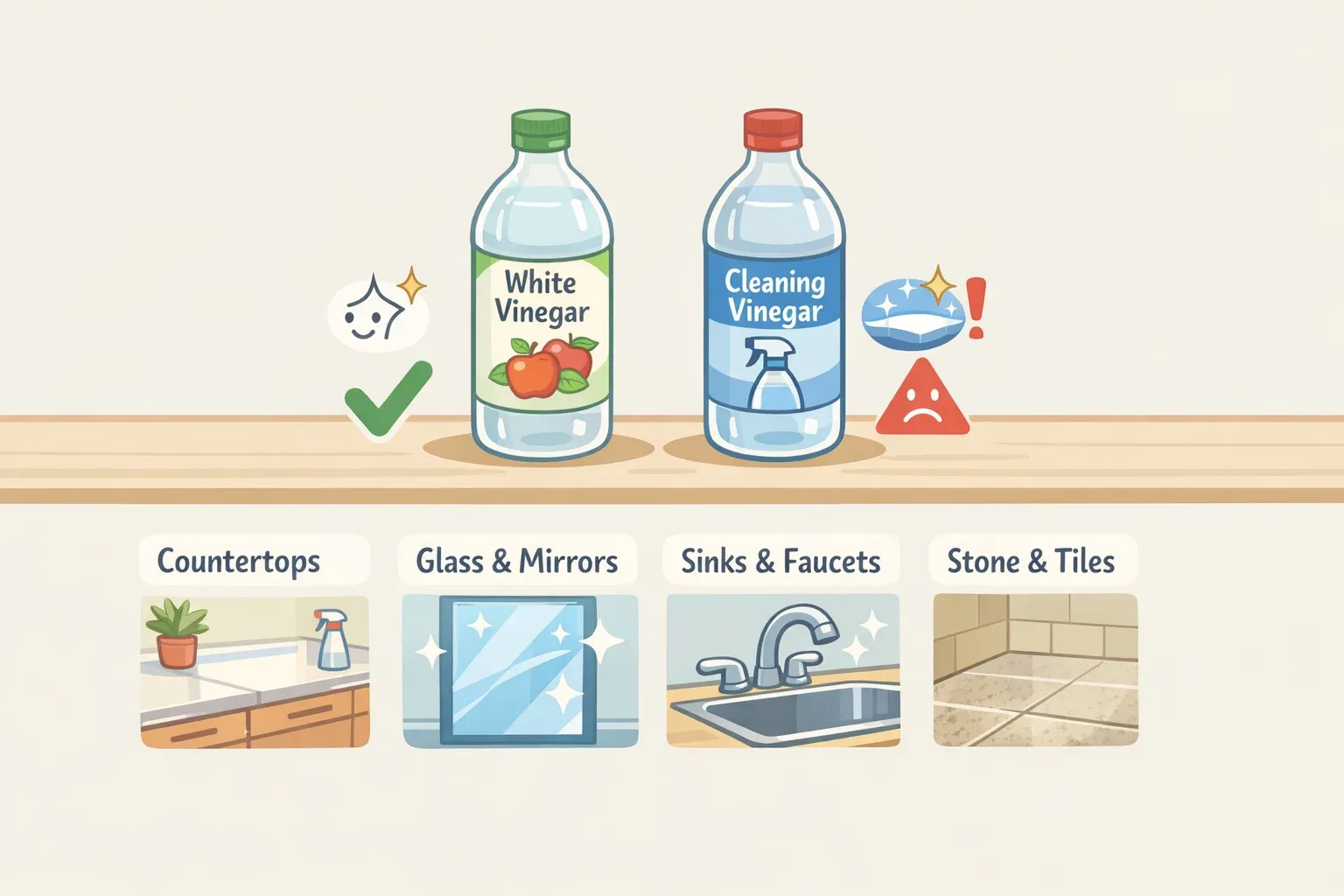
Cleaning Vinegar vs White Vinegar: Uses, Limits, and Risks
Most people keep white vinegar in the kitchen and assume it doubles as a cleaning powerhouse. Walk down the cleaning aisle and you'll find a slightly stronger version "cleaning vinegar" whose existence implies the kitchen kind isn't quite up to the job. Neither assumption holds up under scrutiny.
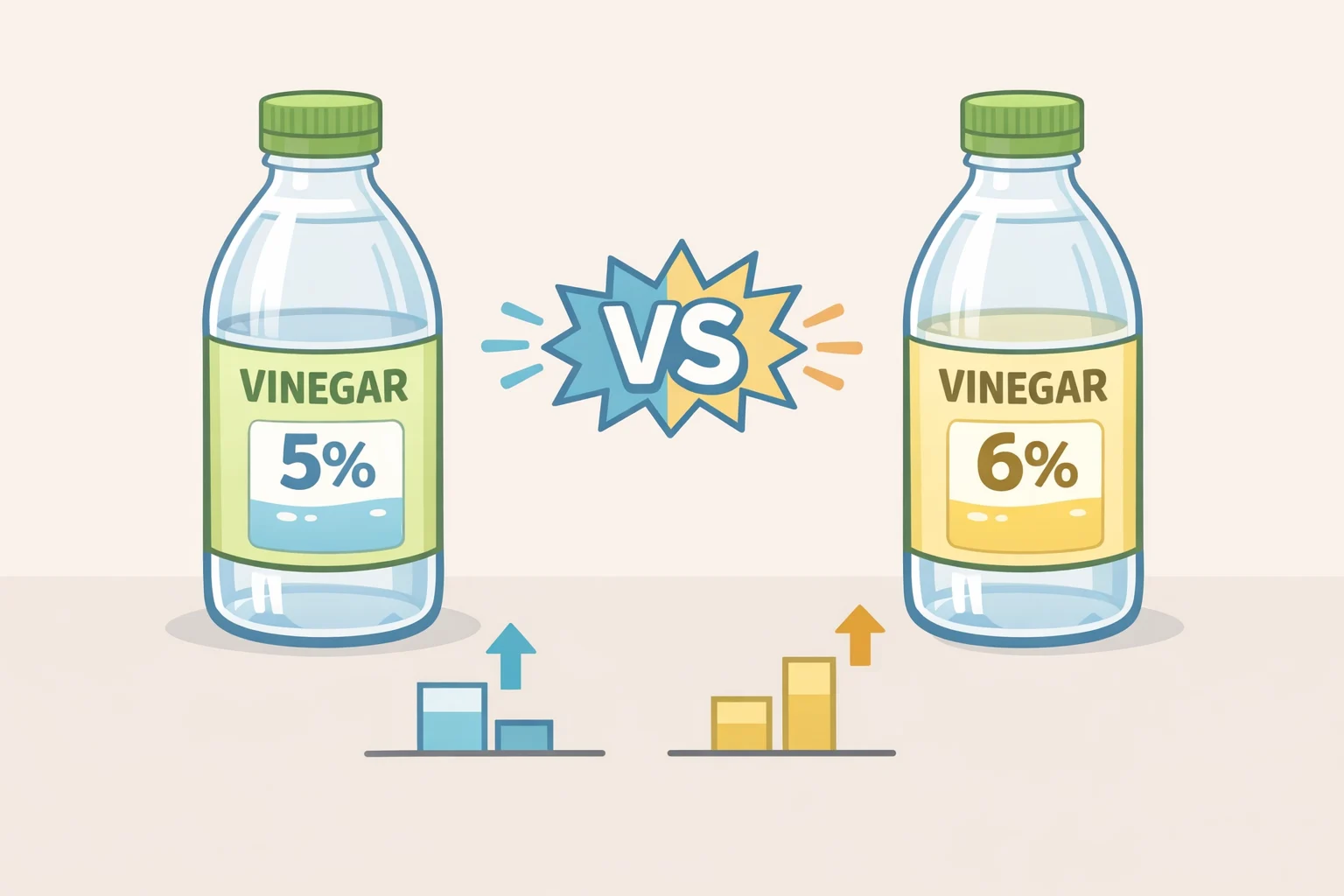
The core distinction in the cleaning vinegar vs white vinegar debate comes down to acetic acid concentration. White vinegar runs about 5%; cleaning vinegar sits at roughly 6%. That gap is real but modest, and it's the smallest part of the story. Vinegar at either strength is a highly specialized tool with a short list of jobs it handles well, a longer list of surfaces it quietly damages, and almost no value as a general-purpose cleaner.
Chemistry professor May Nyman of Oregon State University notes that vinegar is a weak acid, weaker than many carbonated soft drinks, which explains both its narrow effectiveness and how quickly purpose-made cleaners outperform it (Consumer Reports, early 2020). Despite its reputation as a natural cleaning workhorse, distilled white vinegar has been called an "overrated household cleaner" that can actively damage many surfaces, per Consumer Reports (spring 2023).
Quick answer: Both products are diluted acetic acid. White vinegar is the food-grade option and works fine for occasional descaling. Cleaning vinegar's extra acidity may help on stubborn mineral buildup, but on the wrong surface, that extra strength makes it more damaging, not more useful. The surface you're cleaning matters far more than which bottle you reach for.
Is cleaning vinegar the same as white vinegar?
Both are acetic acid dissolved in water. The chemistry is identical; the concentrations differ.
White vinegar is produced and sold as a food product, running around 5% acetic acid. Cleaning vinegar is marketed for household cleaning and sits at approximately 6% not a food-grade product, so keep it off anything you'd eat from without a thorough rinse first.
That 1% difference represents roughly 20% more acidity by concentration. On heavy limescale the crusty white buildup inside a kettle that's been neglected for months the higher concentration could help deposits dissolve somewhat faster. For routine surface wiping or light buildup, any practical difference is unlikely to be noticeable. The available research documents each product's properties separately; there's no comparative performance data showing a measurable real-world gap between the two.
Think of it like two mild citrus juices, one slightly more tart. Both dissolve the same things; one might take marginally less time on the toughest jobs. Neither belongs on a marble countertop.
The descaling mechanism works the same way in both cases. Pouring vinegar on hard-water deposits lowers the minerals' pH, causing them to dissolve more easily in water a chemistry point explained by engineering professor Eric Beckman of the University of Pittsburgh, as cited by Consumer Reports (spring 2023).
For most households, white vinegar is sufficient. Cleaning vinegar is a reasonable option if you live in a hard-water area and regularly deal with serious mineral buildup in appliances. Beyond that specific scenario, it's not a more powerful version of a universal cleaner it's the same tool with the same limitations and marginally higher risk on delicate surfaces.
Where vinegar earns its place: descaling tasks that work
Vinegar's genuine cleaning value is specific: it dissolves alkaline mineral deposits the chalky, cloudy residue hard water leaves on durable, nonporous surfaces. When a surface fits that profile, vinegar is a cheap, low-toxicity option that does the job well.
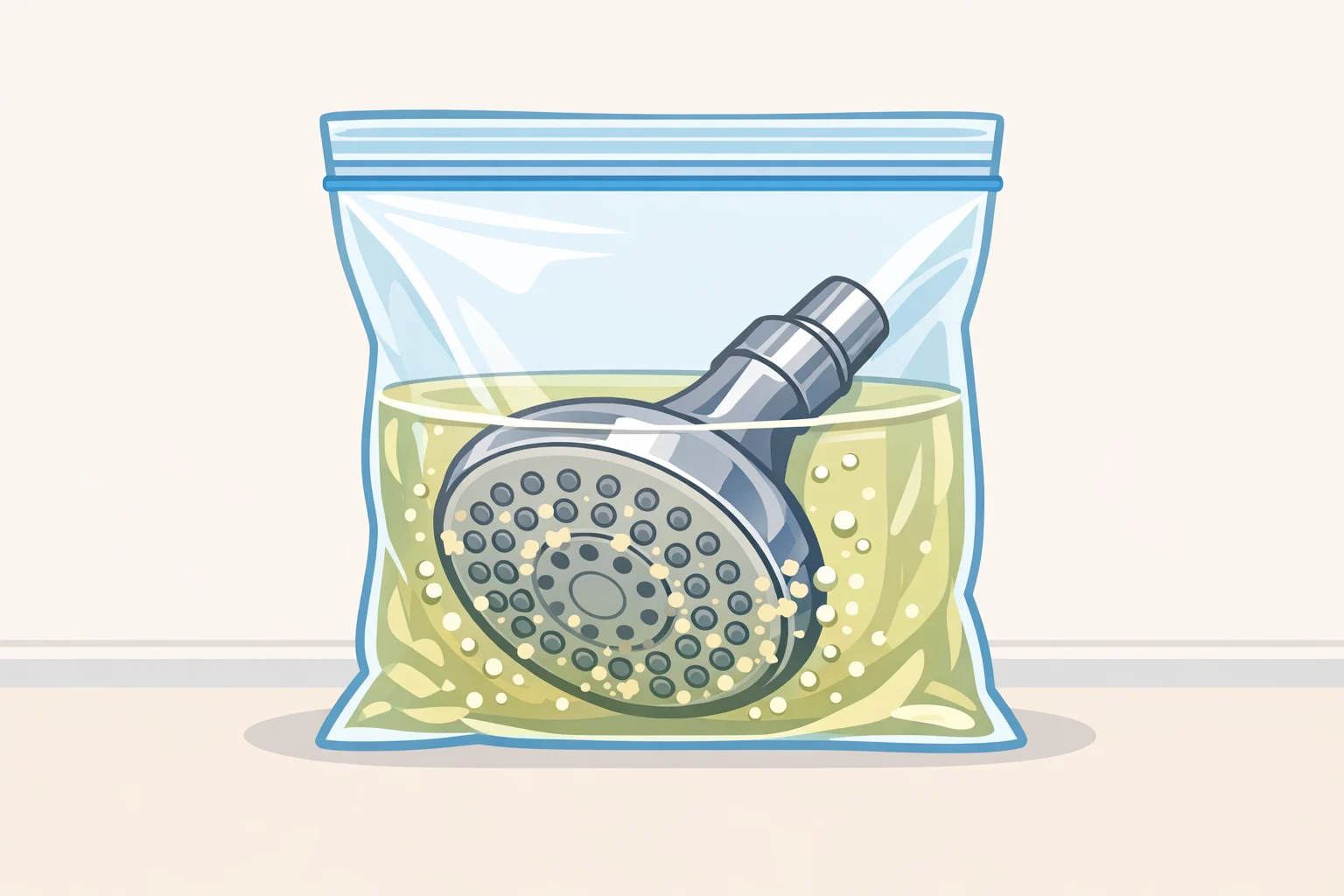
Showerheads: Mineral buildup clogs nozzles and redirects spray. Fill a plastic bag with distilled white vinegar, submerge the showerhead, secure with a rubber band, and soak for one to three hours. Remove, rinse, and run the water briefly to flush remaining deposits. Consumer Reports (spring 2023) recommends this method specifically because there's no finish or sealant for the acid to damage.
Kettles: Fill three-quarters with water, bring to a boil, remove from heat, add white vinegar to the fill line, and leave overnight. Drain and rinse well before use. The overnight soak gives the acid time to break down heavy limescale that a quick wipe won't touch (Consumer Reports, spring 2023).
Humidifiers: Weekly descaling prevents mineral crust from building up in the base. Add equal parts white vinegar and water to the base well; fill the tank with a 50/50 solution, swish for 20 minutes, drain, and rinse until no vinegar smell remains (Consumer Reports, spring 2023).
Glass with mineral deposits: Cloudy spots on shower doors, drinking glasses, and windows respond well to diluted vinegar. Window manufacturer Pella recommends a 1:10 vinegar-to-water ratio applied by microfiber cloth. Keep the solution off surrounding frames, which can discolor (Consumer Reports, spring 2023).
A note on disinfection: Two 2025 studies found acetic acid has real antibacterial activity. A peer-reviewed study found it inhibited both gram-positive and gram-negative bacteria isolated from hospital high-touch surfaces, with performance that surpassed phenol against several strains (Hindawi/Sci5, early 2025). A separate preprint not yet peer-reviewed found 5% acetic acid produced log-reduction values of 2.1 to 2.9 on household surfaces under controlled conditions, using a single 5-minute contact time, a limitation the authors flag explicitly (preprint, spring 2025). Both findings are worth noting. Neither changes vinegar's status as an unregistered disinfectant, and lab results against specific bacterial strains don't carry over automatically to real-world use against viruses, mold, or mixed household contamination. The same preprint also found cold water scrubbing alone produced log-reduction values of 1.3 to 1.9 substantially more microbial reduction than passive wiping a reminder that the mechanical act of cleaning often matters as much as the chemical used.
Where vinegar damages surfaces, and what to use instead
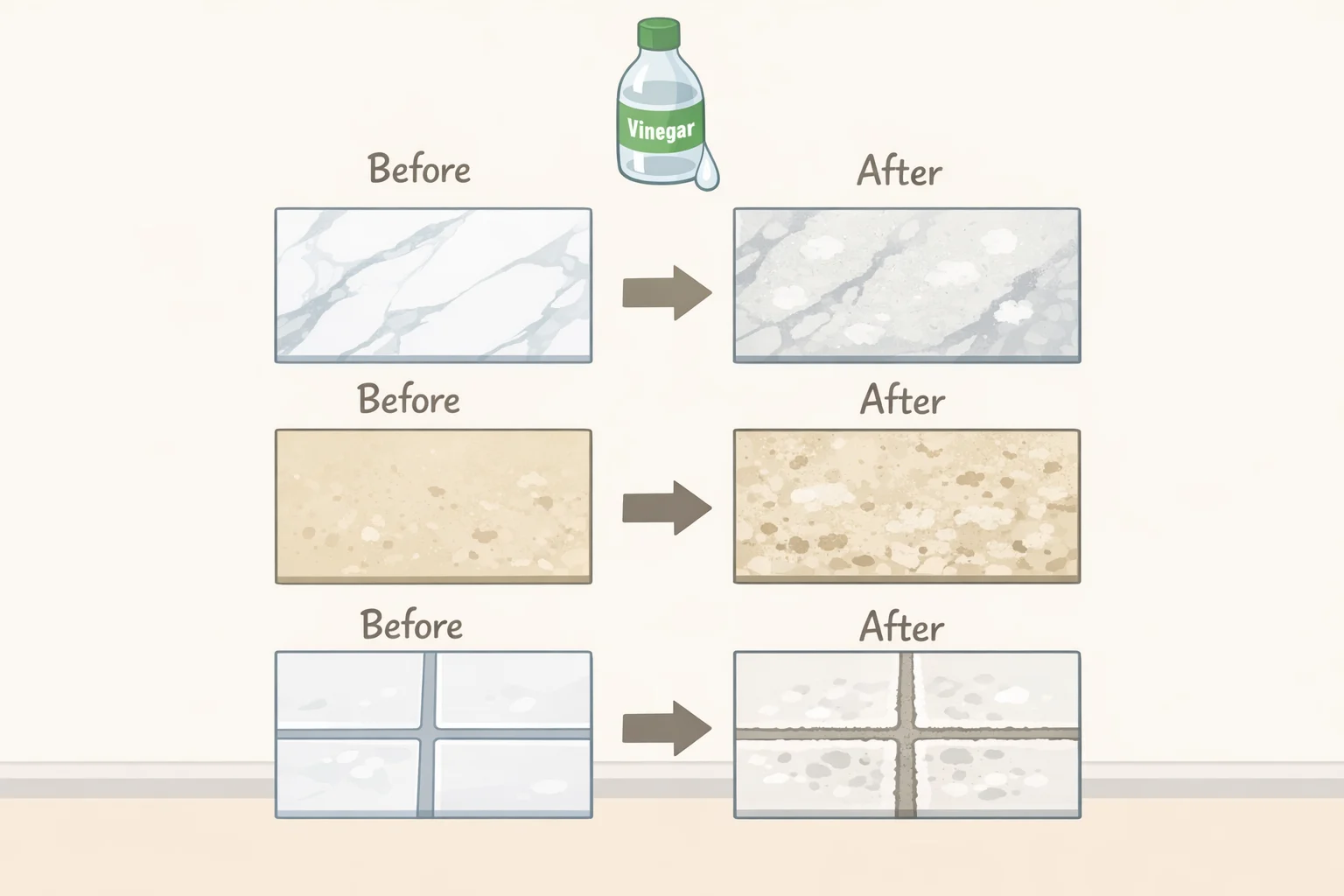
Vinegar's acidity is the source of its usefulness and the reason it can quietly destroy certain surfaces over time. The higher concentration in cleaning vinegar doesn't create new problems it accelerates the same ones.
Surfaces that etch or dissolve: stone and grout
Marble, limestone, and similar stones are chemically related to the minerals vinegar dissolves, which is exactly the problem. The acid etches and dulls the surface directly. On granite, it strips the protective sealant, leaving the stone vulnerable to staining. Tile grout particularly unsealed or aging grout erodes the same way, per Good Housekeeping (last month) and Consumer Reports (early 2020). This applies at any concentration. Use a pH-neutral stone cleaner for countertops and diluted bleach with a stiff brush for grout and if you've used vinegar near grout before reaching for bleach, rinse thoroughly between the two. Mixing them is not an option.
Finishes and coatings that degrade: wood, stainless steel, electronic screens
Diluted vinegar dissolves the protective finish on hardwood floors and wood furniture over repeated use, leaving surfaces dull and cloudy. Several flooring manufacturers void warranties if vinegar use is detected Consumer Reports (early 2020) names this explicitly. Unsealed wood absorbs the liquid and swells. On stainless steel, lower-grade alloys common in small appliances are less resistant to acid-induced rust; Consumer Reports (early 2020) recommends skipping vinegar and using a dedicated stainless steel cleaner. Electronic screens are another casualty: vinegar degrades anti-glare coatings and can reduce touchscreen responsiveness, per Good Housekeeping (last month) and Consumer Reports (early 2020). Acer has suggested a diluted vinegar solution for computer screens, but expert consensus from both sources points to a damp microfiber cloth with plain water as the safer choice.
Appliances with rubber or internal parts: dishwashers, washing machines, irons
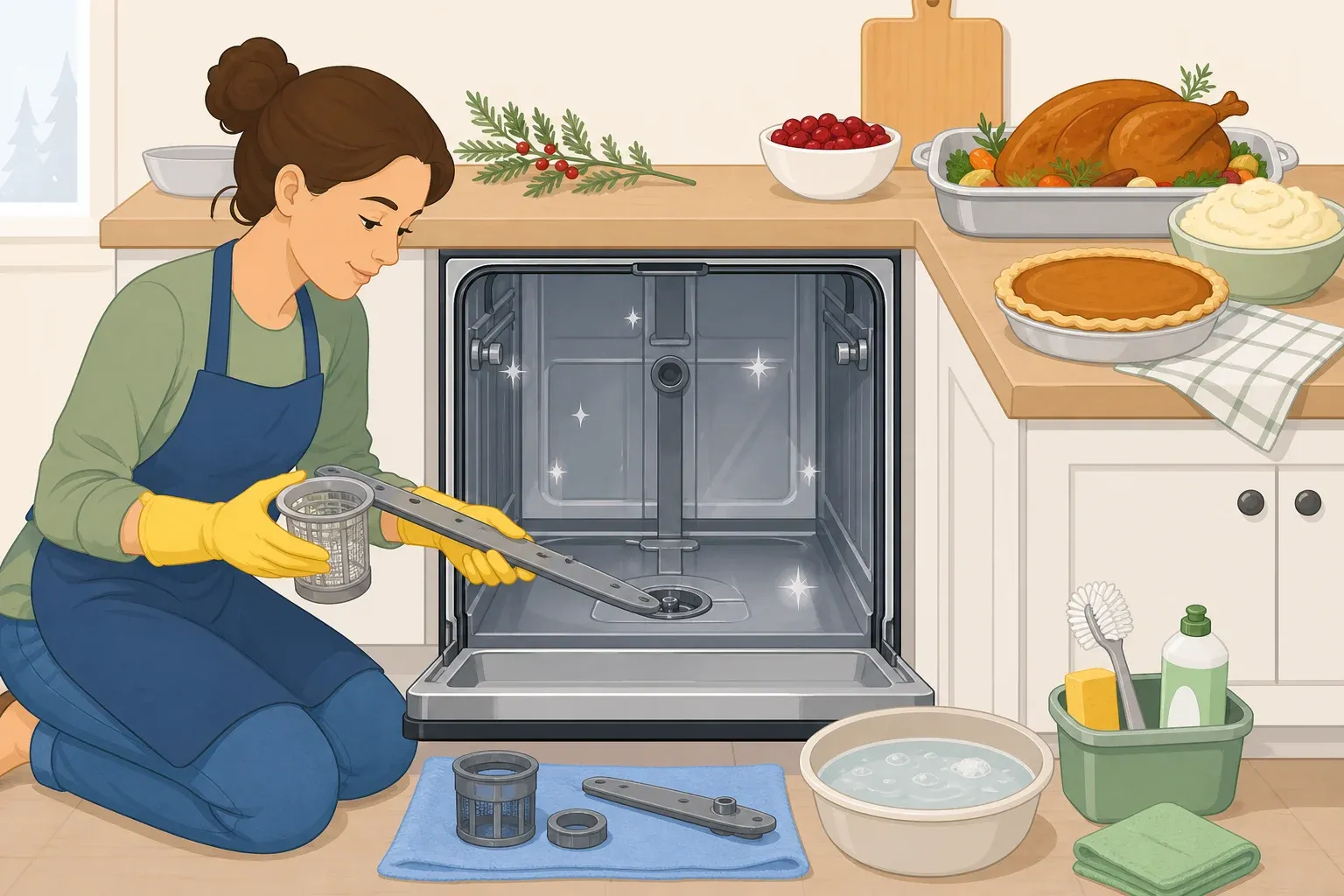
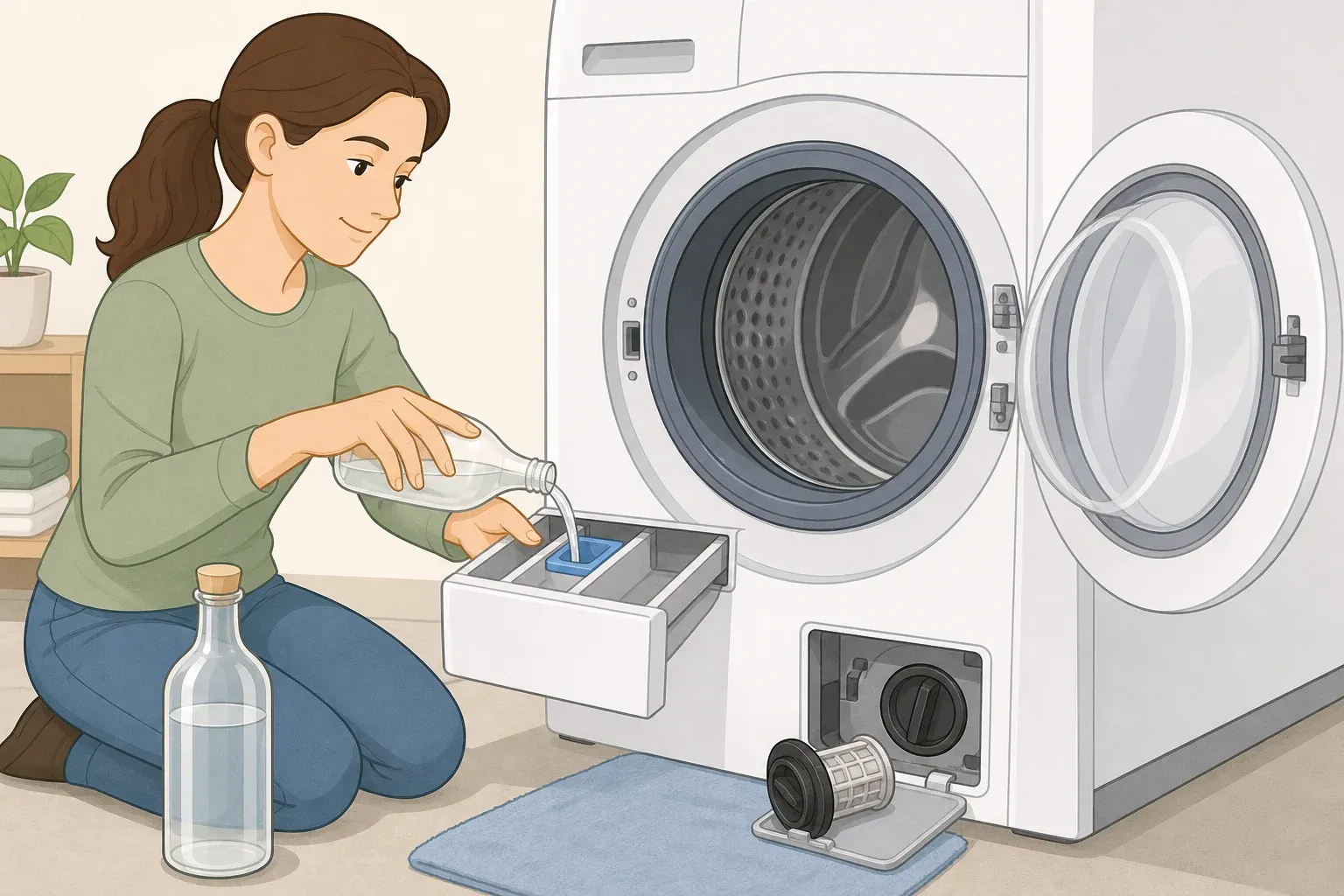
Consumer Reports tested vinegar in a dishwasher and found it accomplished nothing and it can degrade rubber gaskets over time (Consumer Reports, early 2020). Regular use in washing machines can corrode seals and hoses; front-loaders are especially susceptible (Good Housekeeping, last month). For irons and steamers, Carolyn Forté, former executive director of the Good Housekeeping Institute cleaning lab, recommends plain water only fill the chamber, set to the highest steam setting, and blast mineral deposits out with heat (Good Housekeeping, last month). Use a citric-acid dishwasher cleaner such as Affresh or Lemi Shine for dishwashers; the manufacturer-recommended drum cleaner for washing machines.
Jobs vinegar is chemically wrong for: grease, set stains, kitchen knives
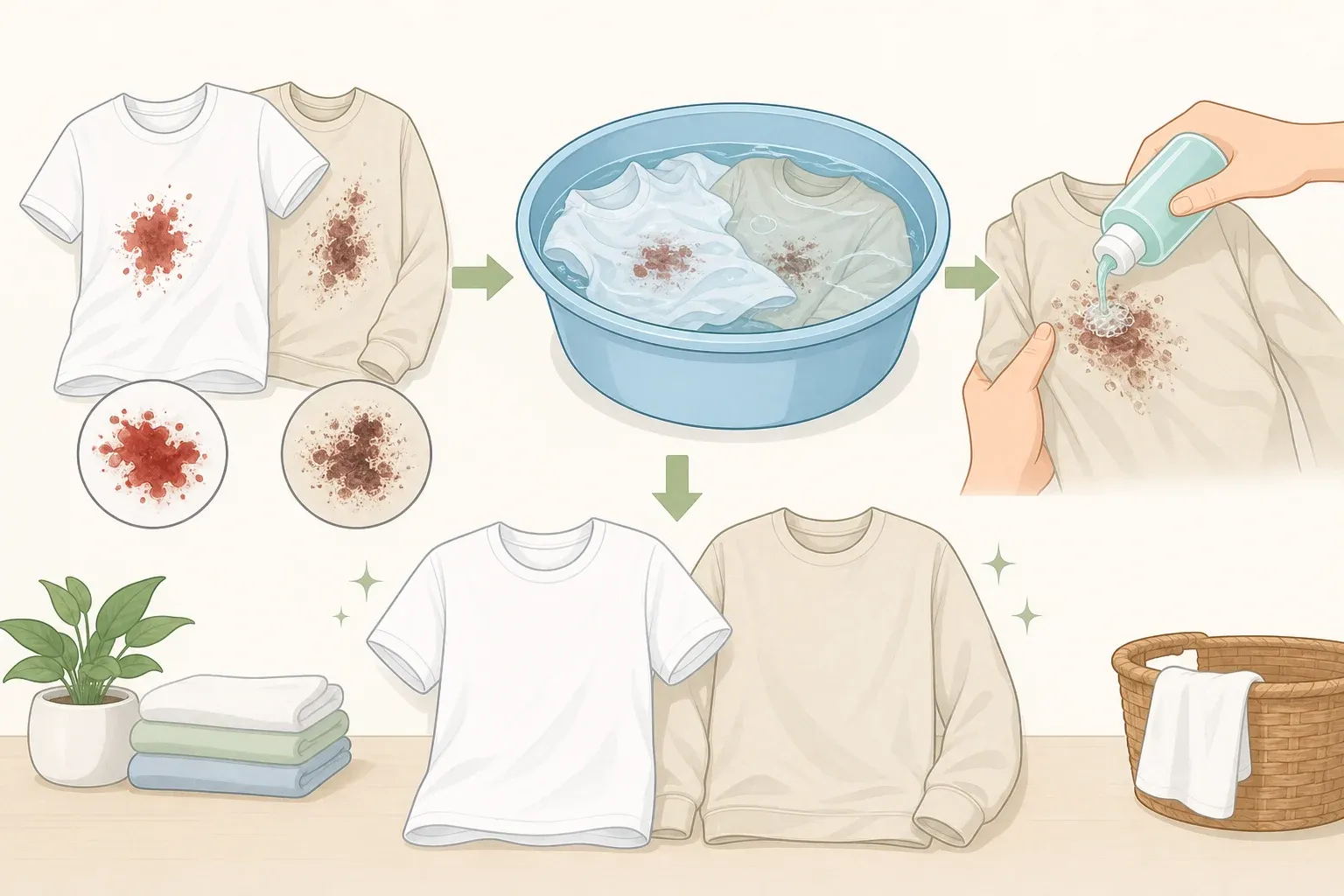
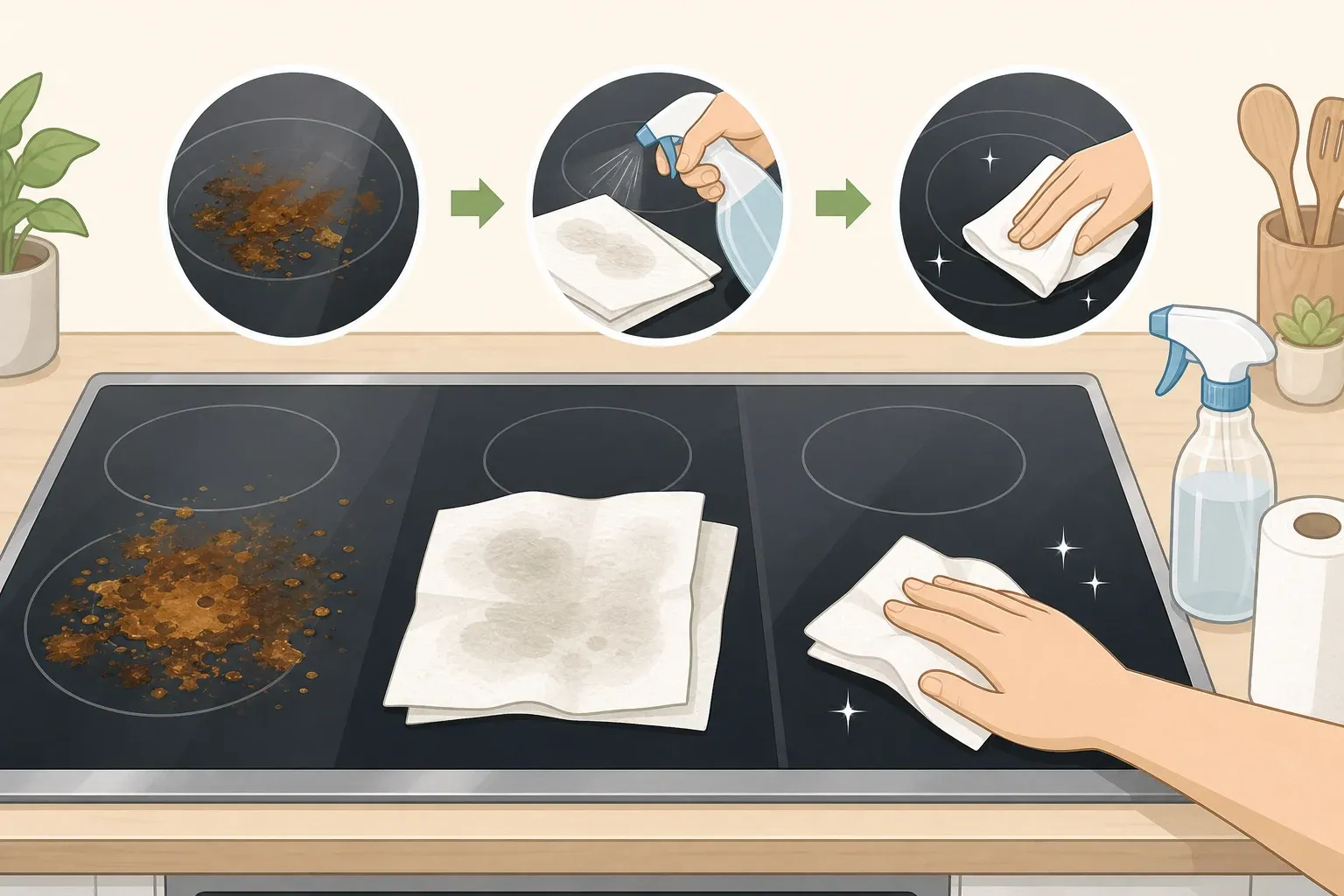
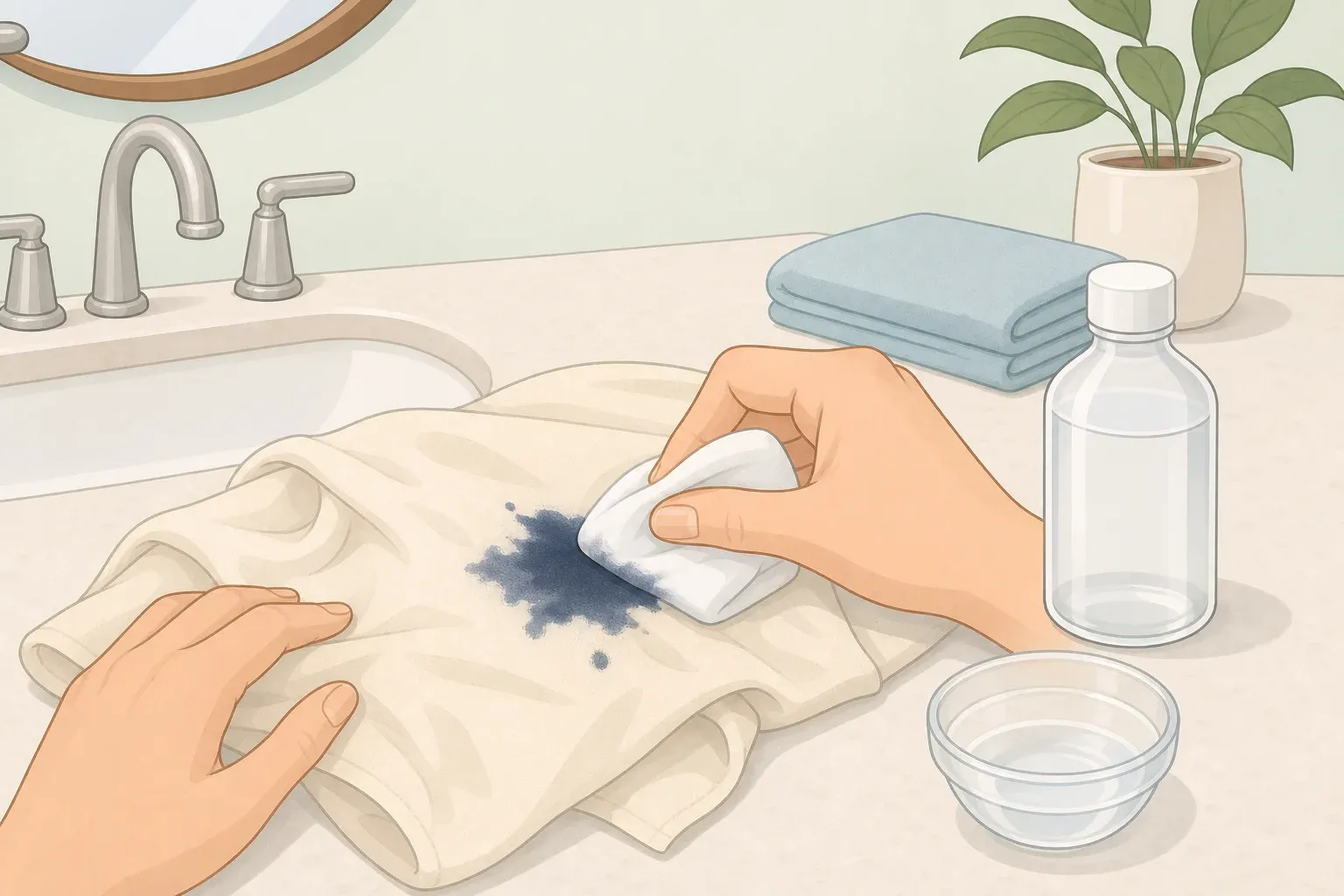
Grease already contains acids, so adding more acid does little to dissolve it. Vinegar won't clean a greasy stovetop effectively, per Professor Beckman as cited by Consumer Reports (early 2020). Baking soda a mild base is the suggested alternative for grease, though its value is mechanical abrasion rather than sanitization; a 2025 preprint found baking soda had negligible antibacterial activity, barely above a plain water wipe (preprint, spring 2025). Vinegar is also ineffective on set clothing stains, according to the American Cleaning Institute as cited by Consumer Reports (early 2020). Kitchen knives and aluminum or copper cookware belong in the same category the acid can pit knife edges and corrode soft metals. Dish soap and warm water handles all of these better.
One absolute safety rule: Never mix vinegar with bleach. The reaction produces chlorine gas, which is toxic and potentially lethal regardless of vinegar type, dilution, or concentration (Good Housekeeping, last month).
Quick-reference: cleaning vinegar vs white vinegar by task
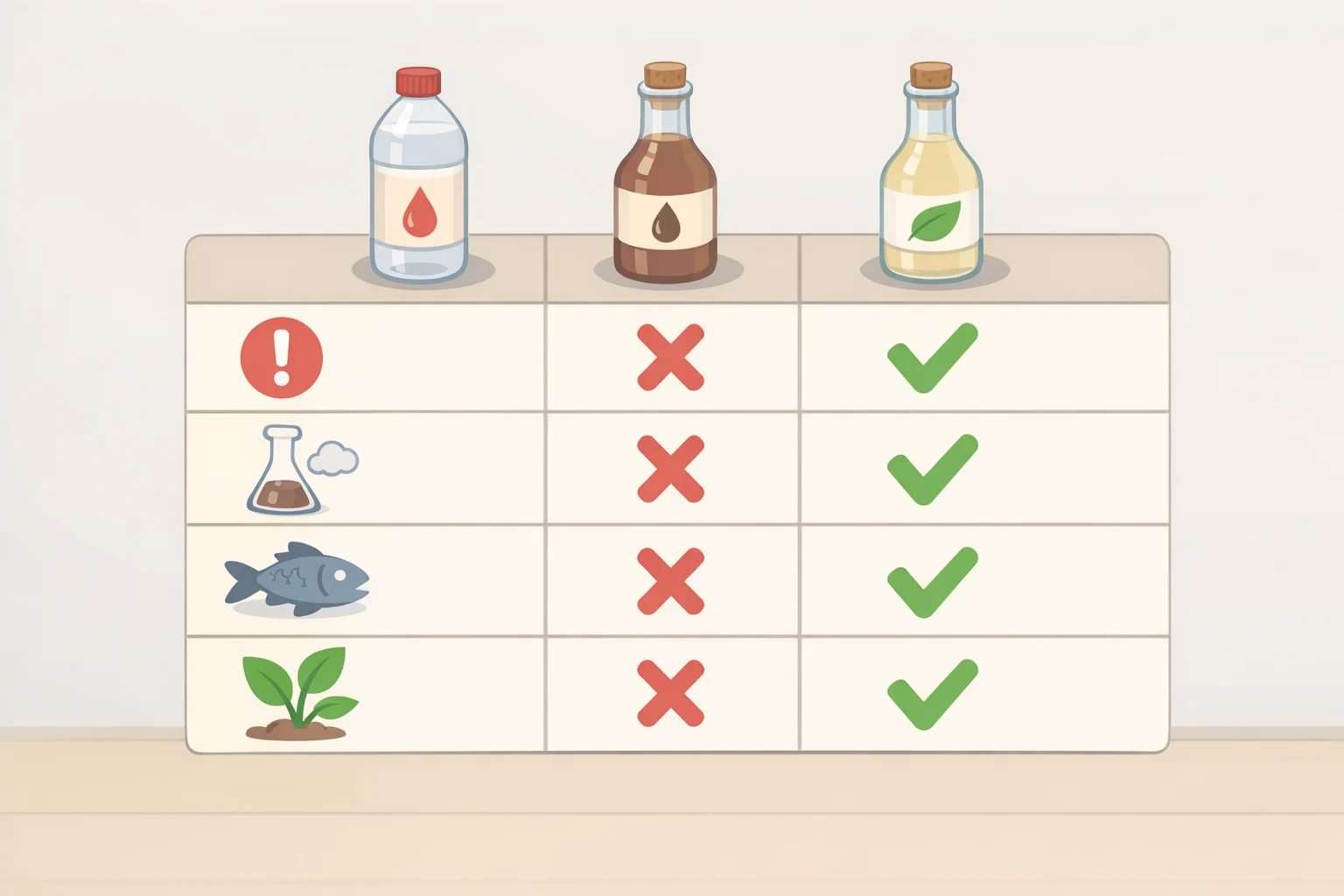
| Task | White vinegar | Cleaning vinegar | Better alternative |
|---|---|---|---|
| Descaling kettle/showerhead | ✓ Good | ✓ Slightly stronger | |
| Mineral deposits on glass | ✓ Good | ✓ Fine | |
| Greasy stovetop | ✗ Ineffective | ✗ Ineffective | Baking soda + dish soap |
| Stone countertops | ✗ Damages | ✗ Damages | pH-neutral stone cleaner |
| Hardwood floors | ✗ Damages | ✗ Damages | Hardwood-specific cleaner |
| Dishwasher | ✗ Doesn't work | ✗ Doesn't work | Citric-acid cleaner |
| Electronic screens | ✗ Damages | ✗ Damages | Damp microfiber cloth |
| Tile grout | ✗ Erodes | ✗ Erodes | Diluted bleach + brush |
| Washing machine (regular use) | ✗ Corrodes | ✗ Corrodes | Drum cleaner |
| Set laundry stains | ✗ Ineffective | ✗ Ineffective | Purpose-made stain remover |
Putting it together
Vinegar is a cheap, low-toxicity acid with one reliable strength dissolving mineral deposits and a long list of surfaces it doesn't belong on. The gap between cleaning vinegar and white vinegar is real but modest: the chemistry suggests a marginal edge on heavy limescale; everywhere else, the distinction is irrelevant.
Reserve white vinegar for showerheads, kettles, humidifiers, and mineral-clouded glass. If you're in a hard-water area dealing with serious appliance buildup, cleaning vinegar's slightly higher concentration is a defensible upgrade for those specific jobs. Beyond that narrow category, it's the same tool with the same limitations not a different class of product.
The principle worth carrying forward: match the cleaner to the chemistry of the problem. Mineral deposits respond to acid. Grease doesn't. Wood finishes, stone sealants, rubber gaskets, and screen coatings are damaged by it. Choosing based on what a surface is actually made of rather than what's in the "natural cleaning hacks" corner of the internet is the faster route to surfaces that last.
For surface-specific alternatives backed by testing, Consumer Reports' cleaner recommendations and the Good Housekeeping Institute's product reviews are the most practical places to go deeper.


Comments
Be the first, drop a comment!