




Running your dryer at night can save money, but only if your electric plan charges less during off-peak hours. If you're on a flat-rate plan, there is no cheaper time of day on your bill. Your savings come from running fewer cycles, using the right settings, and keeping the dryer working efficiently.
The first step is not changing your laundry schedule. It is checking your rate plan. That one detail tells you whether dryer timing matters or whether you will save more by cutting cycles and improving efficiency.
One safety note before the steps: Delay start can help you hit off-peak windows, but do not set the dryer to run while you are asleep or away from home. Set cycles to finish while you are awake, clean the lint filter after every load, and check the vent periodically so airflow stays clear.
Step 1: Check your rate plan first
Before changing your laundry routine, confirm how your utility charges for electricity. Log in to your utility account, check a recent bill, or call customer service and ask whether you are on a flat-rate, time-of-use, tiered, demand-based, or solar/export plan.
If your price changes by time of day, Step 2 matters. If it does not, skip to Step 3.
Under time-of-use pricing, often shortened to TOU, the per-kilowatt-hour rate changes by time of day. Peak windows and off-peak discounts vary by utility, season, day of the week, and sometimes holiday schedule. There is no universal cheapest hour.
Use this path:
On a TOU plan? Go to Step 2.
Have solar panels? Read the solar note in Step 2, then continue to Step 3. If you are on TOU and have solar, compare your panels' peak production window with your utility's peak, off-peak, and export-credit rules.
On a flat-rate plan? Skip to Step 3. Timing your dryer will not change the per-kWh price, but efficiency habits can still lower your costs.
Step 2: Use your utility's off-peak window
The target is your utility's off-peak window, not a generic "after dinner" rule. Some plans get cheaper late at night. Others do not reach the lowest tier until much later. Check the exact start and end times before scheduling a load.
A utility-specific schedule can change the answer. If a plan's cheapest window starts at midnight, running the dryer at 10 p.m. may still land in a higher-priced tier. Look up your utility's exact tier boundaries before assuming a late-evening load will save money.
The upside is useful but modest. Dryer timing is worth trying if your plan supports it, especially because it costs nothing to change when you run a load. Just do not expect timing alone to transform the bill.
Solar note: If your home has solar panels, midday may be the better window. The dryer can use power while your panels are producing it, but the best timing depends on your export credit, battery setup, and TOU schedule.
If your dryer has delay start, use it to begin a cycle after your utility's peak window closes and finish while you are still awake. ENERGY STAR notes that delayed start may help lower energy costs when a utility offers time-of-use pricing.
Step 3: Lower dryer costs on any plan
These habits save money whether your rate changes by the hour or not.
Use the dryer less. Fewer cycles save more than perfect timing. A drying rack for sheets, towels, and T-shirts can eliminate entire dryer loads, and the Department of Energy recommends air-drying clothes on clotheslines or drying racks when practical.
Use automatic sensor cycles, not timed cycles. Timed drying runs until the clock stops, whether clothes are dry or not. If your dryer has a moisture sensor, use it so the machine can stop when the load is dry.
Avoid stacking heavy appliances. Try not to run the dryer at the same time as the oven, dishwasher, EV charger, or air conditioner during peak-rate hours. On a TOU plan, that timing can cost more. On a flat-rate plan, it can still add heat indoors and make your air conditioner work harder on hot days.
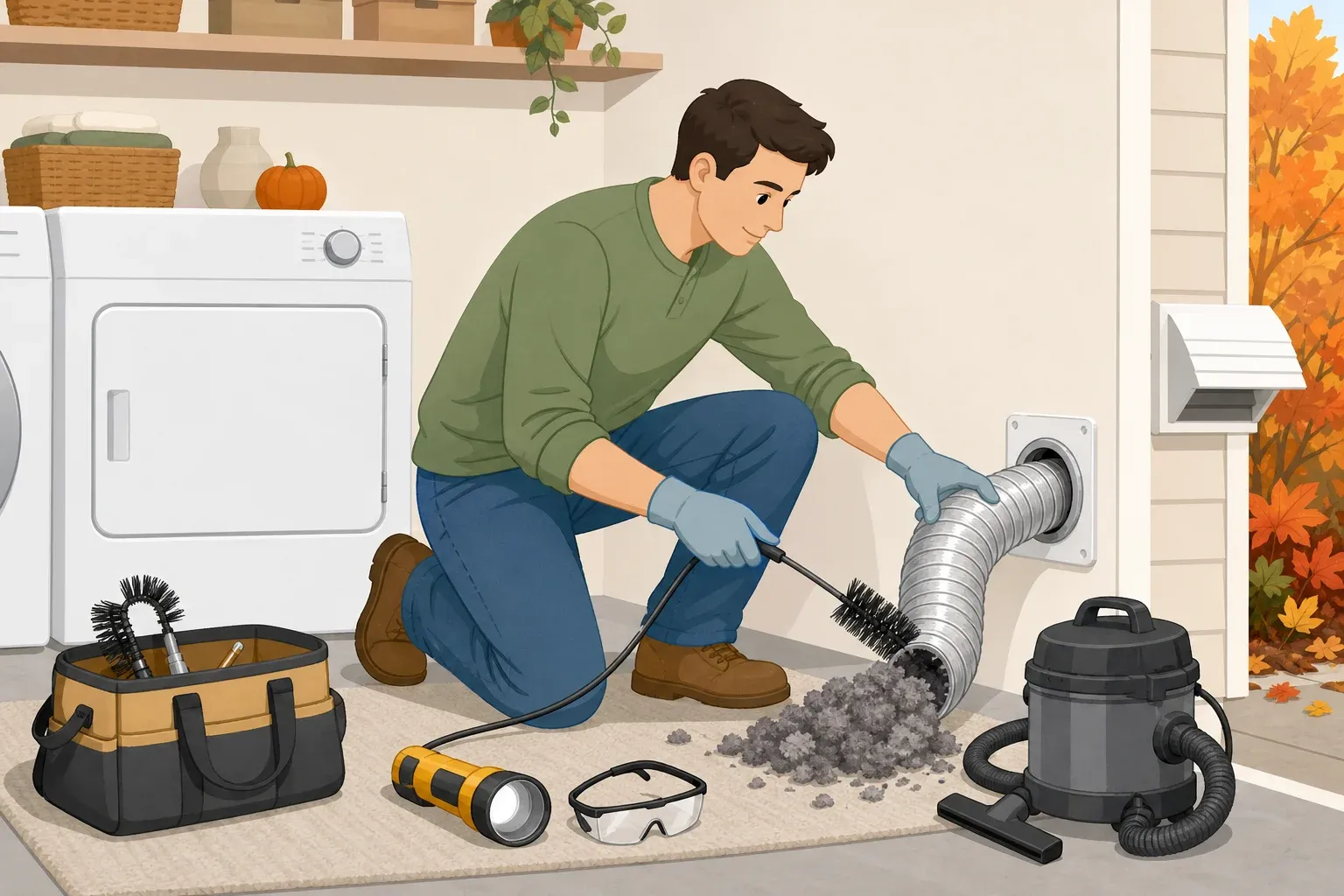
Clean the lint filter after every load. Restricted airflow makes the dryer run longer and use more energy. The Department of Energy also recommends periodically checking the dryer vent for blockages, which can save energy and help prevent a fire.
Load the dryer correctly. Clothes need room to tumble, so do not pack the drum tightly. Dry towels and heavier cottons separately from lighter clothes so one fabric type does not over-dry while another stays damp.
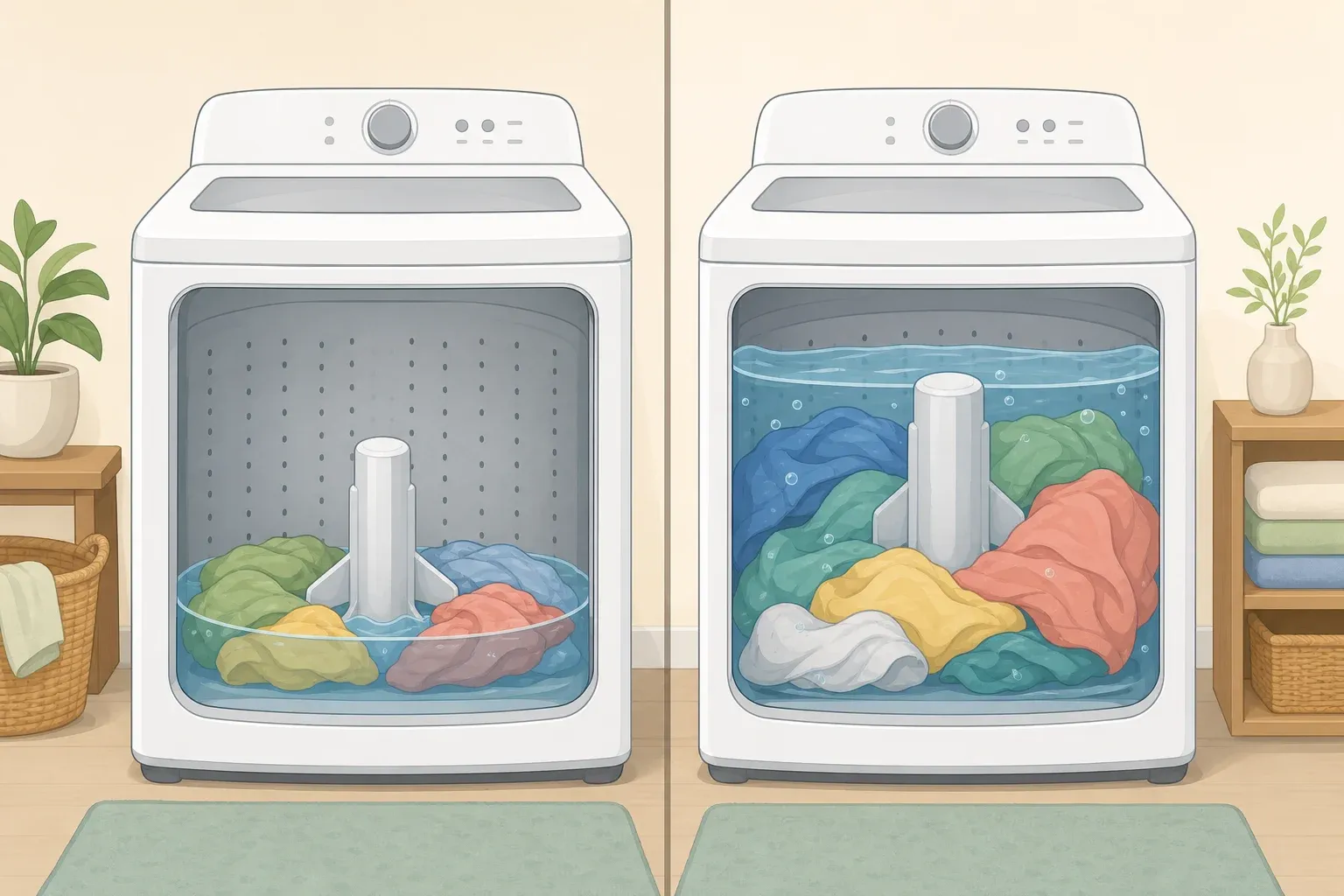
Use a strong washer spin cycle. The more water your washer removes, the less time the dryer needs.
Try dryer balls. Wool or rubber dryer balls can help separate clothes in the drum, reduce static, and may shorten drying time.
The Department of Energy lists several of these habits in its laundry energy-saving guidance, including using moisture sensors, cleaning the lint screen after every load, checking dryer vents, separating heavy fabrics, and considering air-drying.
What to do based on your rate plan
Use this shortcut:
TOU customer: Find your utility's off-peak window, use delay start while you are awake, and expect modest savings. It is worth doing, but not worth overstating.
Solar household: Midday may beat midnight if your panels are producing enough power and your export-credit rules make self-use more valuable.
Flat-rate customer: Timing will not change the per-kWh price. Air-drying, sensor cycles, and clear airflow matter more.
Demand-charge customer: Do not run the dryer at the same time as other large electric loads. Your goal is to avoid creating a higher household demand spike.
The biggest long-term savings may come when you replace the appliance. ENERGY STAR says certified heat pump dryers use around 70 percent less energy than conventional dryers, so they are worth considering if you already plan to buy a new dryer. They usually cost more upfront, but households that dry frequent loads or pay high electricity rates may recover more of that cost over time.
Check your electric bill first. If your price changes by time of day, move dryer loads into off-peak windows while you are awake. If it does not, focus on fewer loads, sensor cycles, and clean airflow.






Comments
Be the first, drop a comment!