




Here's the July 2026 schedule, laid out by week, with specific dates, reset days, and one mid-month deep-clean block. The structure comes from university extension research on what actually keeps homes healthy, so there's a reason behind every layer, explained briefly where it matters.
What you'll need before starting:
Basic supplies: a mop, a vacuum (HEPA-filter preferred; more on this in Week 2), a bucket, sponges, and a general-purpose surface cleaner
Roughly 10–15 minutes per day for daily tasks
One block of 45–60 minutes per week for the weekly reset, which can be split across two days
One two-hour block in mid-July for the monthly deep-clean
If your home was built before 1978, read the older-homes section before tackling the monthly task
July 2026 cleaning calendar at a glance
The schedule runs on three layers. Every task below comes from NC State Extension's healthy-home cleaning framework.
Daily (every day):
Wash dishes
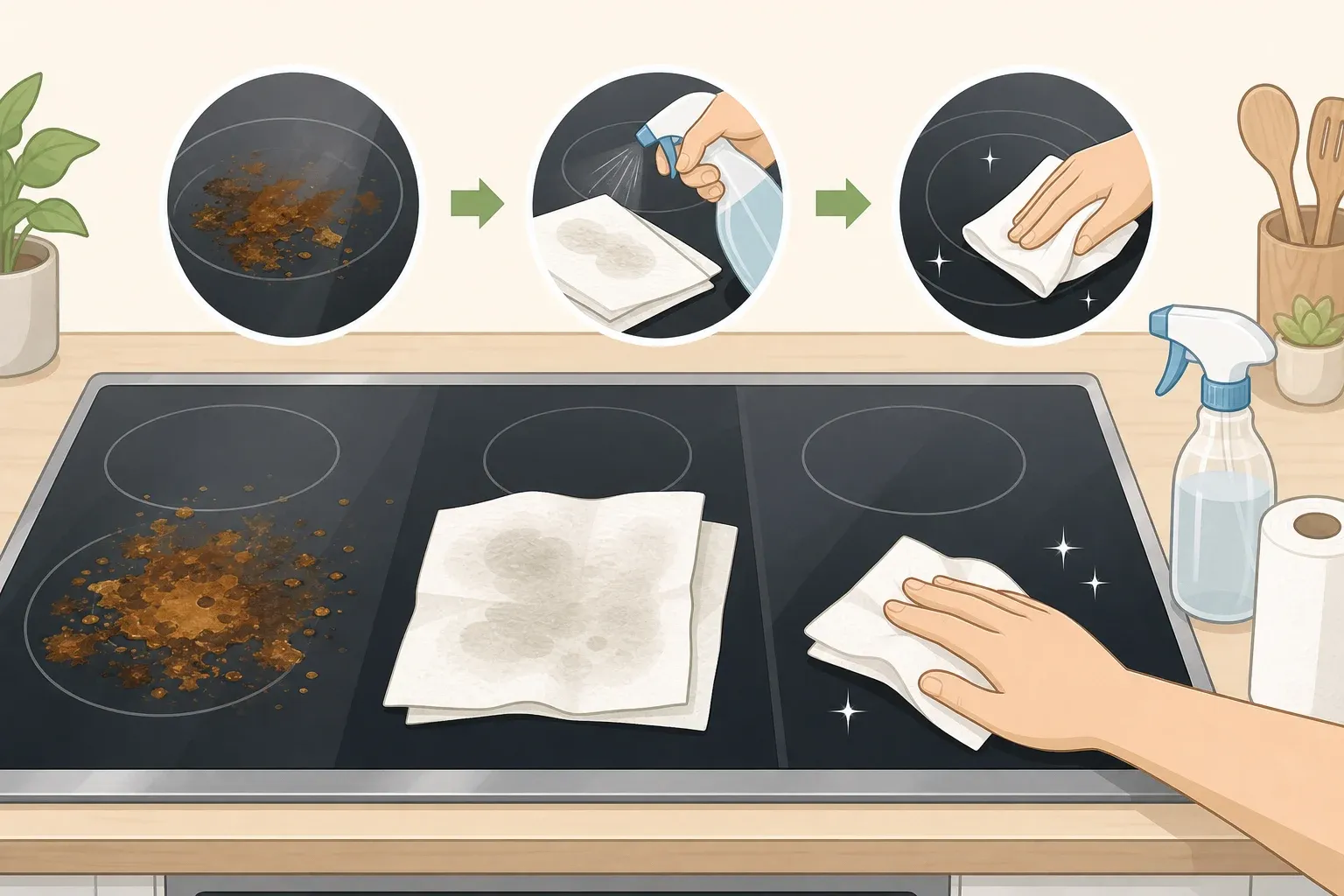
Wipe kitchen countertops, cooktop, and sink
Sweep the kitchen floor
Empty trash
Weekly (once per week):
Vacuum floors with a HEPA-filter vacuum
Mop floors
Wash sheets and pillowcases in hot water (130°F or hotter)
Check the refrigerator and discard spoiled food
Scrub the kitchen sink
Disinfect kitchen sponges
Wash and rinse the trash can
Monthly (once, mid-July):
Deep-clean the refrigerator and microwave
Wipe down cabinet faces and wash out cupboards
Wash curtains and light fixtures
Clean oven; wipe walls and woodwork
The daily tasks function as pest control as much as hygiene. Washing dishes and wiping kitchen surfaces after each meal removes the food access that keeps pests in a home; clearing clutter removes their shelter. Weekly vacuuming targets allergen accumulation; the mechanism is covered in Week 2. The monthly tasks address surfaces that see only a brief pass during the weekly reset.
July 2026 schedule overview:
Week 1: July 1–5
Reset day: Sunday, July 5
Notes: Holiday backup: Thursday, July 3, or Friday, July 4 morning
Week 2: July 6–12
Reset day: Sunday, July 12
Notes: First full uninterrupted week
Week 3: July 13–20
Reset day: Tuesday–Wednesday, July 14–15
Notes: Deep-clean weekend: July 19–20
Week 4: July 21–27
Reset day: Sunday, July 26
Notes: Standard week; monthly task complete
Week 5: July 28–31
Reset day: Wednesday, July 29, or Thursday, July 30
Notes: Short week, no Sunday
Daily tasks run every day throughout. The monthly deep-clean doesn't replace the weekly reset — it runs alongside it, split across two mornings the same weekend.
How to use the calendar: week-by-week breakdown
Week 1: July 1–5 (holiday week)
Daily tasks run July 1–5 as normal. The weekly reset falls on Sunday, July 5, the day after Independence Day for most readers.
If July 4th gatherings make Sunday impractical, move the reset to Thursday, July 3, or Friday morning before the day gets away from you. Skipping Week 1's reset entirely means two weeks of accumulated dust and kitchen buildup before the next scheduled Sunday, a worse position than simply shifting the day.
Holiday gatherings also mean more kitchen use, more dishes left out, more trash. The daily tasks matter more during holiday weeks, not less. Wash dishes and wipe surfaces the same night, even if a full cleanup waits until morning. Regular cleaning using proper technique can keep a home free of many allergens. That mechanism makes it easier to protect the habit when the holiday tempts you to let things slide.
Week 2: July 6–12
Standard weekly reset on Sunday, July 12. No schedule complications. If Week 1 was disrupted by the holiday, this is the week to establish the rhythm.
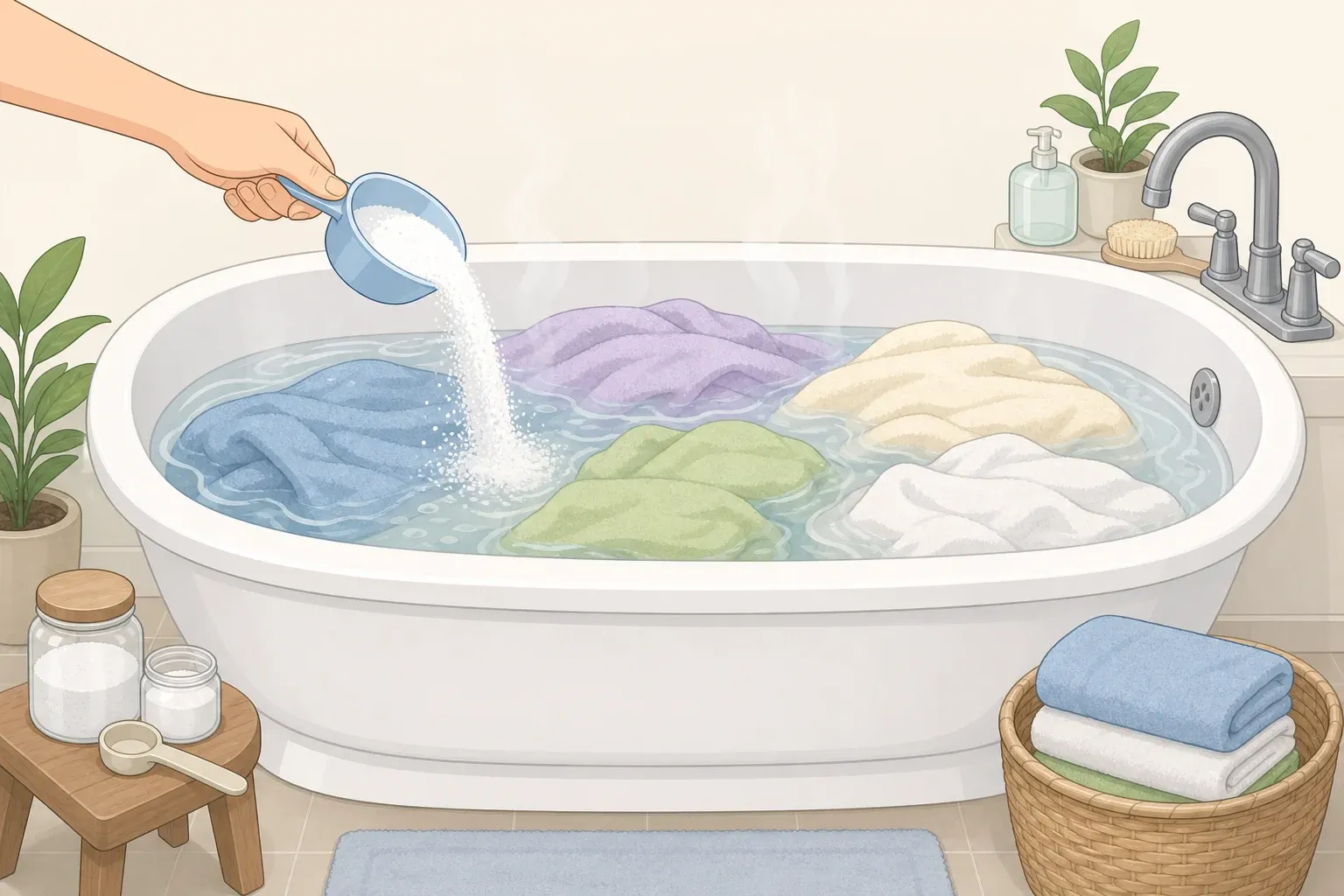
Bedding deserves specific attention here. Dust mites live in mattresses and pillows, feed on shed human skin cells, and produce fecal pellets that are potent allergens and asthma triggers. The primary control is washing sheets and pillowcases weekly in water at 130°F or hotter. Allergy-proof encasements over pillows and mattresses add a physical barrier, and those encasements need to be washed on the same weekly cycle, not monthly.
On vacuums: a HEPA vacuum or a conventional vacuum fitted with a HEPA bag can trap almost all the dust it picks up, preventing it from being exhausted back into the room through the vacuum's exhaust port. That said, adding a HEPA bag to a conventional vacuum isn't always as effective as a purpose-built HEPA machine. Loose fittings can still release dust during operation even with the bag in place. Either option beats a standard vacuum for managing allergen load.
Minimum viable version for time-pressed weeks: If 60 minutes is genuinely unavailable, the non-negotiable tasks are vacuuming and bedding. These two directly address allergen accumulation that happens regardless of visible dirt. The kitchen tasks, such as sink scrubbing, sponge disinfection, and trash can wash can shift to Monday without meaningful consequence.
Week 3: July 13–20 (deep-clean weekend)
Weekly reset: earlier in the week, Tuesday or Wednesday, before the deep-clean weekend arrives. Don't let it stack.
Monthly deep-clean: Saturday–Sunday, July 19–20, roughly one hour each day.
Day 1 (July 19): Refrigerator and microwave. Pull everything out of the refrigerator, wipe shelves and drawers, check door seals, and remove expired items. Wipe down the microwave interior, turntable, and exterior. Estimated time: 45–60 minutes.
Day 2 (July 20): Cabinet faces, cupboard interiors, oven, curtains, light fixtures, walls, and woodwork. Work room by room rather than task by task — it's more efficient and easier to call "done" clearly. Estimated time: 90 minutes.
The point of splitting the deep-clean across two mornings is pacing. Three hours of cleaning across a weekend is workable; stack it with the weekly reset into a single day, and it becomes a marathon. Clear the weekly reset by midweek so the weekend stays bounded.
For surface cleaning during the deep-clean, white vinegar, baking soda, isopropyl alcohol, and liquid detergent are among practical general-purpose options. The research doesn't compare their performance against each other, so product choice follows preference and surface type.
Week 4: July 21–27
Standard weekly reset on Sunday, July 26. The monthly task is done, and the reset returns to its standard scope. A reasonable week to check whether the daily habit has held through the month's disruptions and consider what to carry into August.
Week 5: July 28–31 (short week)
July ends on a Friday. No Sunday in Week 5. Move the final weekly reset to Wednesday, July 29, or Thursday, July 30.
This short week also points forward: the three-to-six-month deep-clean cycle means the next quarterly task falls in October or November. Worth setting up a fall homekeeping calendar before August is over.
One caution for homes built before 1978
Lead is a common component of household dust in older homes. Homes built before 1978 often have lead-painted surfaces, and normal daily use of friction surfaces, such as doors, windows, and floors generates lead-containing dust that settles throughout the home. Painting and remodeling work amplify that risk significantly.
Until 1986, gasoline used by motor vehicles contained lead additives. When catalytic converters became mandatory, lead was removed from fuel because it destroys the converters, but by then, millions of tons of lead had been released into the environment along highways and streets across the United States, settling on lawns and gardens surrounding homes. When dirt and dust get tracked indoors, they often carry some of it along.
Regular cleaning helps prevent children's exposure to lead-contaminated household dust, but standard cleaning methods are not sufficient for pre-1978 homes; special cleaning methods apply. Before completing the July deep-clean, particularly any tasks involving painted walls, woodwork, or window surfaces, consult the EPA's lead information page for current guidance. Use the July schedule as the timing framework, but adjust the methods.
Putting the July 2026 homekeeping schedule to work
The three-layer structure of daily kitchen hygiene, a weekly reset anchored to a consistent day, and one bounded deep-clean block in mid-July maps directly to what extension researchers identify as the recurring actions that can keep many allergens under control, limit pest access to food and shelter, and prevent contamination buildup in high-use areas. Keeping a home clean can prevent upper respiratory diseases, asthma, and allergies.
The daily tasks take 10–15 minutes. The weekly reset is 45–60 minutes. The monthly deep-clean is two hours across a weekend. What makes it work is deciding at the start of July what gets done and when, rather than cleaning reactively when things look bad enough to force the issue.
Print the calendar. Fill in the reset days. Pick a Sunday and start.
Related guides worth having before fall: allergy-proofing the bedroom, lead-safe cleaning methods for older homes, and a fall home maintenance checklist for exterior and systems tasks.


Comments
Be the first, drop a comment!