




How often should you wash your pajamas? A 3-tier framework
One question sorts most people before any other variable comes into play: are pajamas your only sleep layer, or do you wear something underneath?
If pajamas touch bare skin directly, treat them like underwear and wash after every wear. Laundry experts are consistent on this point, according to Real Simple (late 2025). If pajamas function as a second layer over an underlayer, that same source puts the window at every two to three days. Carolyn Forté, executive director of the Good Housekeeping Institute's Home Care & Cleaning Lab, offers a slightly broader baseline: 3–4 wears is generally fine, with a pre-bed shower pushing toward the longer end (Good Housekeeping, late 2025). Those are separate rules from separate sources, not a single sliding scale.
Why does any of this matter? Pajamas average seven to eight hours of skin contact per night (Real Simple, late 2025). That sustained contact exceeds what most daytime clothes manage, which is why the same logic governing underwear or workout gear applies here. Skip too many washes and body oils, sweat, and dead skin cells accumulate, producing odor and, in more extreme cases, aggravated allergies, rashes, or infections (Real Simple, late 2025). Wash too aggressively with wrong settings or detergent and the fabric pays for it over time (Singhvis, late 2025).
This guide covers the three-tier frequency framework, what shifts someone up or down a tier, how to wash pajamas without shortening their life, and a separate section for anyone managing eczema or sensitive skin.
How often should pajamas be washed? A three-tier framework
Tier 1: Wash after every wear
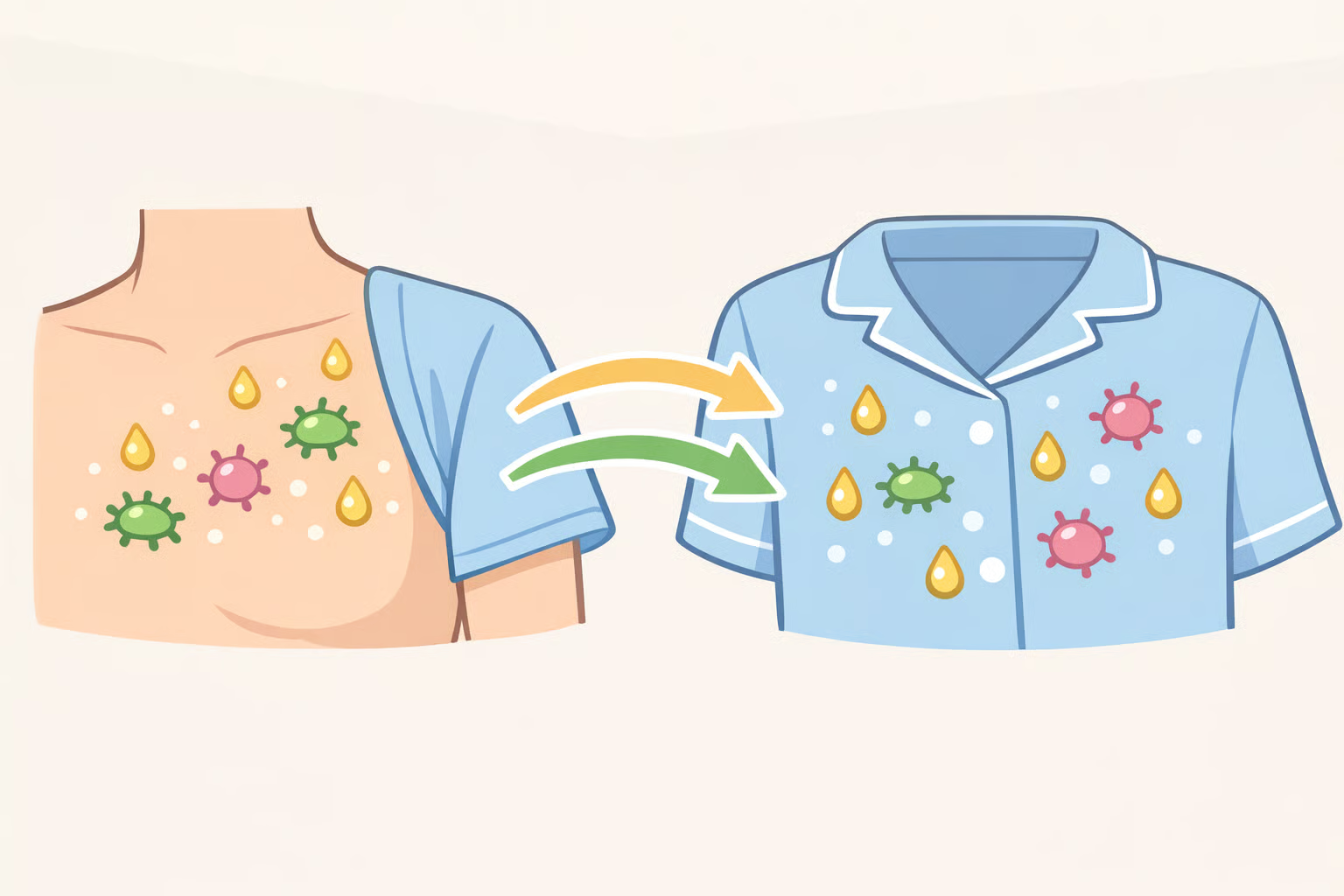
Pajamas worn without an underlayer sit directly against bare skin and pick up oils and bacteria at roughly the same rate underwear does. Wash them daily that's the consistent guidance from laundry experts at Real Simple (late 2025).
Several other conditions trigger the same rule. Forté at Good Housekeeping is direct: hitting the gym before bed or snacking in bed means washing after each wear (Good Housekeeping, late 2025). So does wearing pajamas all day as loungewear, sweating heavily at night, or applying heavy body lotion beforehand (Real Simple, late 2025). Any of those conditions loads enough soil into the fabric that another wear is a hygiene issue, not a preference call.
Tier 2: Wash every 2–3 wears
This middle range covers people who usually skip the pre-bed shower, sleep warm but not soaked through, or occasionally wear pajamas outside sleep hours. Lindsey Boyd, co-founder of The Laundress, notes that showering at night before putting on pajamas can extend the wash cycle to two to three times (Real Simple, late 2025) which means skipping that shower compresses the window back toward the lower end of the range.
Tier 3: Wash every 3–4 wears
The longest interval applies to consistent shower-before-bed habits, cool and dry sleepers, and pajamas used strictly during sleep hours. Forté's personal rule of thumb: 3–4 wears is fine, with a pre-bed shower and low sweat level supporting the longer end (Good Housekeeping, late 2025). Singhvis (late 2025) puts the same number on it for sleepwear generally, unless the garment is soiled.
One practical habit that sustains freshness across multiple wears: hang pajamas between uses rather than folding them into a drawer.
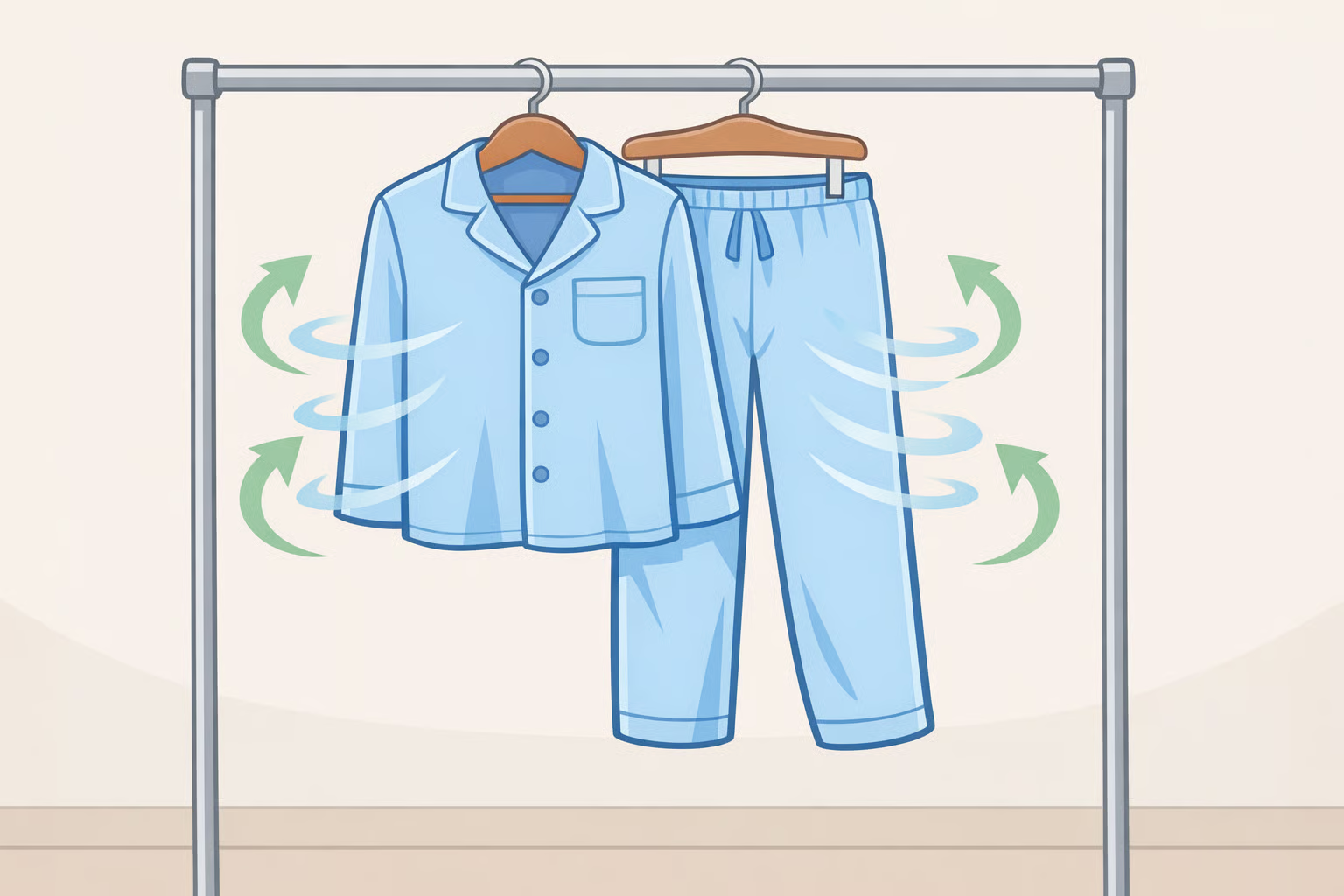
Airflow slows odor buildup, and Singhvis notes that frequent washing accelerates fiber wear, so a bit of airing goes a long way toward both hygiene and garment longevity.
How many times can you wear pajamas before washing?
| Situation | Wash frequency |
|---|---|
| No underlayer / bare skin contact | After every wear |
| Heavy night sweating | After every wear |
| Wearing pajamas all day | After every wear |
| Gym before bed or snacking in bed | After every wear |
| Heavy lotion or skincare applied first | After every wear |
| No pre-bed shower, moderate activity | Every 2–3 wears |
| Shower before bed, sleep cool, underlayer worn | Every 3–4 wears |
What goes wrong at both extremes
Under-washing has a clear, well-documented consequence: odor. Kimberly Romine, a fabric care scientist at P&G, identifies the buildup of body oils, sweat, and skin cells as the direct driver (Good Housekeeping, late 2025). Beyond that, infrequent washing can aggravate allergies and, in more extreme cases, contribute to rashes or infections though those outcomes are edge cases rather than typical results for healthy adults operating within normal washing ranges (Real Simple, late 2025).
Over-washing carries different costs. Using the wrong temperature settings or an incompatible detergent too frequently degrades fabric faster, and for sensitive skin, can leave residue that irritates more than a missed wash would (Singhvis, late 2025; Nella Vosk, early 2026). Frequency and method aren't separate questions; get one wrong and the other stops mattering.
Best way to wash pajamas without wrecking them
Step 1: Read the care label before the first wash
Cotton, flannel, synthetics, and silk have meaningfully different tolerances. The label is the authoritative source for each specific garment, not general advice or fabric type alone. Romine puts it plainly: always check care instructions before washing or drying (Good Housekeeping, late 2025). That's where most fabric damage starts.
Step 2: Match water temperature to the fabric
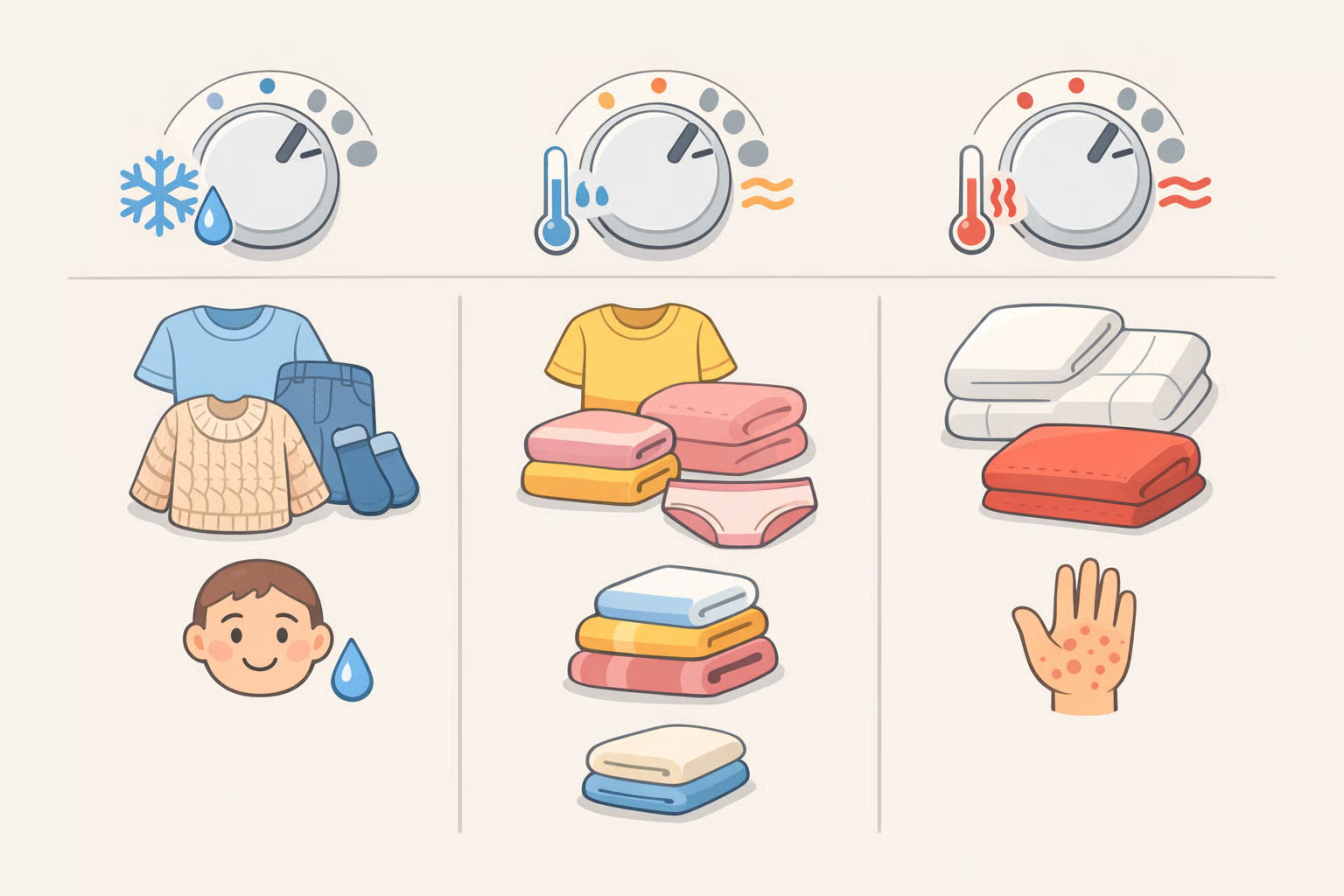
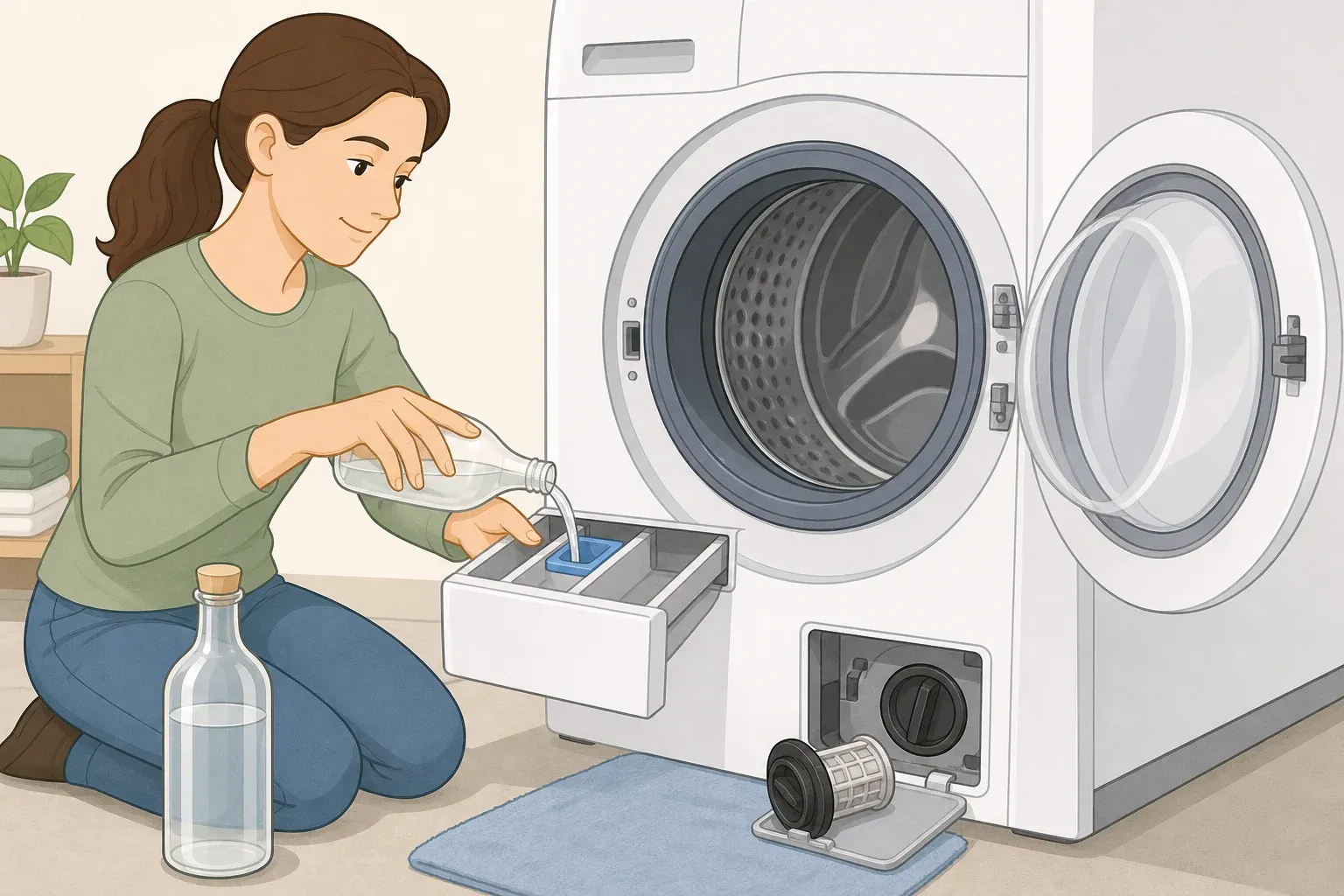
Cold water is the right default for most pajamas. Romine notes it preserves color, reduces shrinkage risk, and is energy-efficient without sacrificing cleaning quality (Good Housekeeping, late 2025).
The guidance gets more specific for eczema-affected skin. A 40°C warm cycle hits a reasonable middle ground, offering effective cleaning without excessive fabric stress (Nella Vosk, early 2026). Hot washing at 60°C is more effective against bacteria and dust mites but risks shrinking or stressing fabric; reserve it for cases where the label permits and the situation genuinely calls for it (Nella Vosk, early 2026). For standard pajamas without a skin condition in play, cold water remains the sensible starting point.
Step 3: Use the right detergent and enough rinse
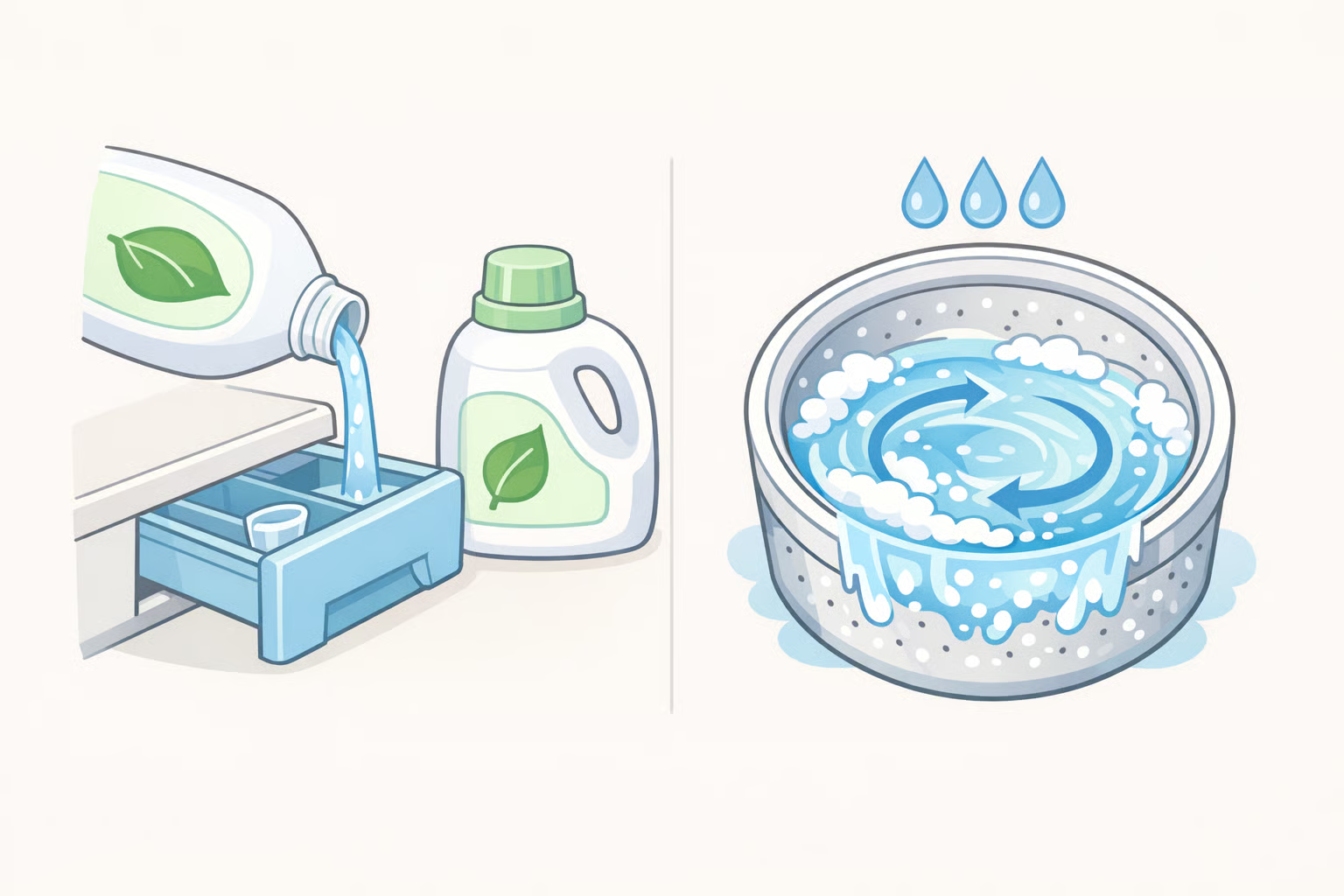
Standard pajamas handle a quality regular detergent without issue. For sensitive skin, use a fragrance-free liquid detergent and run an extra rinse cycle. Residue that leaves fabric feeling fine can still deposit irritants that compound over multiple wears (Nella Vosk, early 2026).
Washing after every wear won't damage pajamas. Forté confirms there's no meaningful harm in daily washing, provided the settings and detergent suit the fabric (Good Housekeeping, late 2025). The damage comes from wrong temperature or harsh detergents, not from frequency itself.
Eczema and sensitive skin: a different set of rules
The general 3–4 wear baseline doesn't apply here. Sleepwear sits against skin for 10–12 hours (Nella Vosk, early 2026), and for people managing eczema, both bacterial accumulation and detergent residue carry consequences that go beyond comfort. The right frequency depends on current condition status, how much the wearer sweats overnight, and whether emollients were applied before bed.
Nella Vosk (early 2026) outlines a tiered protocol built around condition status: fresh sleepwear every night during active flares; every one to two nights during maintenance periods; every two to three nights in remission. The rationale is grounded in clinical context. Research cited in the British Journal of Dermatology found Staphylococcus aureus colonization in up to 90% of people with atopic dermatitis, which is why cleanliness carries different stakes for this group than for healthy adults running standard laundry cycles.
Worth noting: this guidance comes from brand-published content, not direct dermatology-organization guidance. It reflects reasonable consensus for eczema care, but anyone managing the condition should confirm the approach with a dermatologist. Detergent selection and the extra rinse cycle matter as much as wash frequency in this context.
What to take away
Start with the bare-skin question. Pajamas sitting directly against skin with no underlayer get washed after every wear. Functioning as a second layer, two to three days is the sound baseline according to Real Simple (late 2025), and a consistent pre-bed shower habit can support the longer end of Forté's 3–4 wear range from Good Housekeeping (late 2025). Those two numbers come from different sources with slightly different framings; both are defensible depending on the sleeper's habits.
Getting the frequency right is half the job. Cold water, a detergent suited to the fabric, and care-label compliance round out the routine and keep pajamas in usable condition long enough that premature replacement isn't on the table.
Related guides: how often to wash bed sheets, laundry care for delicate fabrics, detergent guide for sensitive skin.


Comments
Be the first, drop a comment!