



Reviewed by: Y. Garcia
You've probably scrolled past those oddly satisfying TikTok videos where someone dunks their "clean" towels into a tub, only to watch the water turn an alarming shade of brown. That viral moment is laundry stripping in action — and honestly, it's pretty gross to realize how much hidden gunk was lurking in those supposedly clean fabrics.
Here's what's actually happening: laundry stripping removes accumulated detergent residue, body oils, and mineral deposits that regular washing leaves behind. It's not just some social media gimmick — there's real chemistry at work. The stripping solution creates a highly alkaline mixture that opens up fabric fibers and dissolves stubborn buildup, releasing it into the water.
With nearly 4,000 TikTok videos tagged #laundrystripping, this phenomenon clearly resonates with people who've discovered their supposedly clean laundry was harboring years of invisible buildup.
Understanding this science helps you decide whether the dramatic results justify the significant time investment. Before you rush to fill your bathtub with hot water and cleaning agents, let's dig into whether this intensive process actually delivers results worth the effort.
The science behind that murky water
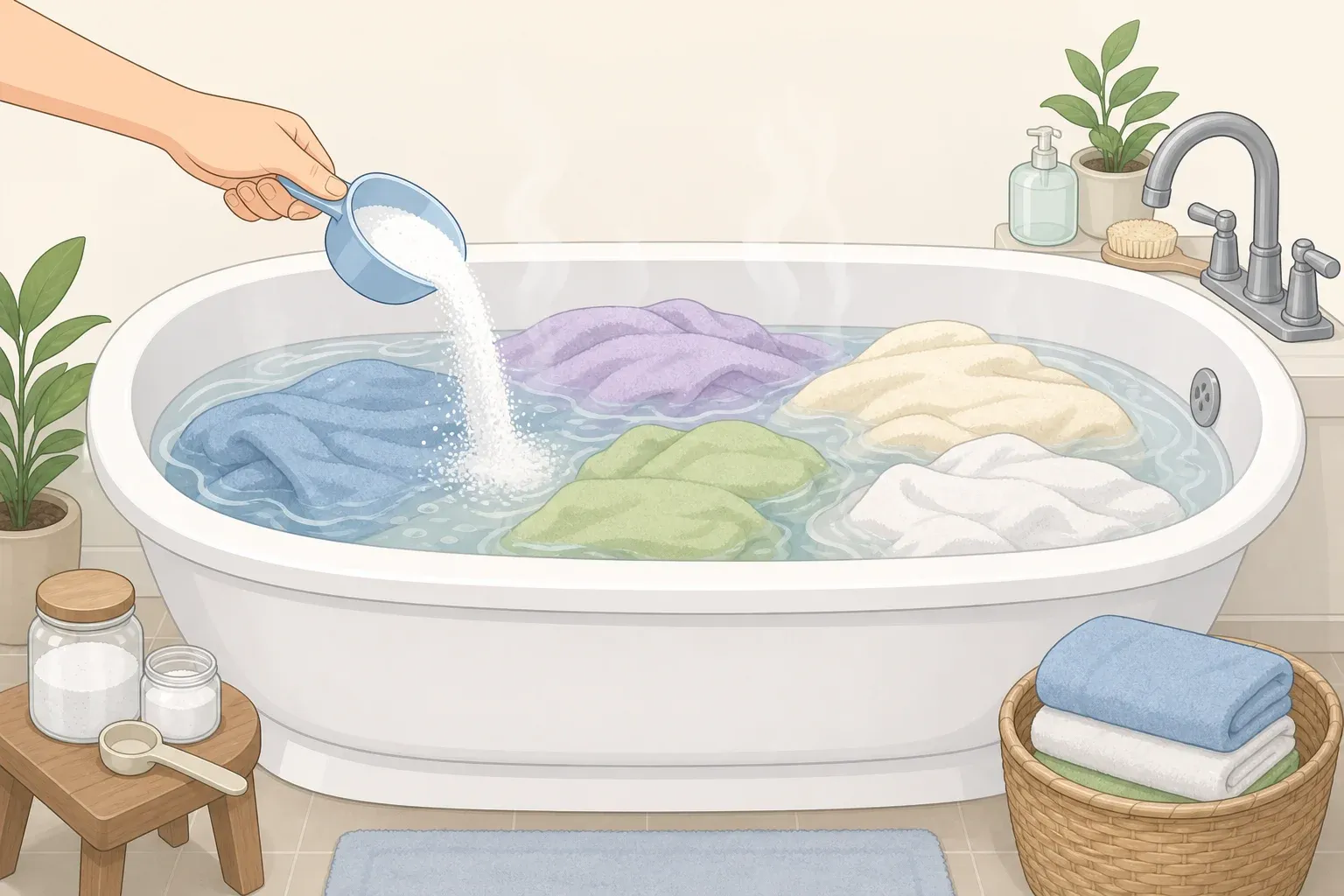
Strip washing works through basic chemistry — combining borax, washing soda, and powdered detergent to create a highly alkaline solution. Water softeners in the mixture grab onto hard water minerals like calcium and magnesium, allowing the detergent to pull grime and residues from fabric fibers more effectively.
The hot water is essential because heat opens up fabric fibers, making trapped substances easier to remove. It's like giving your fabrics a deep tissue massage — all those pores open up and release what's been stuck inside for months or even years.
Now here's the reality check about that dramatic color change everyone gets so excited about: part of that murky water isn't just dirt — it's also fabric dyes running due to the prolonged exposure to hot water. This means that impressive before-and-after photos might be less about hidden dirt and more about color loss. While you are pulling out genuine buildup, some of that brown soup is actually your towels bleeding pigment.
When stripping actually makes sense
The technique works best on heavily used cotton items like bath towels, bed sheets, and kitchen towels that accumulate significant buildup over time (The Spruce). These high-contact items trap more than regular clothes because they absorb body oils, sweat, and cleaning product residue in ways that synthetic fabrics don't — creating the perfect environment for layered buildup.
If you live somewhere with hard water (which covers most of the U.S.), your clothes can appear dingy and feel stiff due to mineral deposits. You might not even realize this is happening until you strip a load and see the difference. What's particularly eye-opening: fabric softeners can reduce towel absorbency by up to 80 percent. That's why your "fluffy" towels sometimes feel like they're just pushing water around instead of soaking it up.
The process also helps with persistent odors that won't disappear through regular washing. You know those workout clothes that smell fine coming out of the wash but start reeking the moment you sweat? That's trapped bacteria and oil that regular detergent couldn't budge.
The reality check: time, effort, and limitations
Let's be real about what you're signing up for. Laundry stripping demands at least 4-6 hours of soaking time until the water cools completely. This isn't a quick fix you can squeeze in before dinner.
The process is inconvenient, time-consuming, and messy when done in a bathtub. You'll be hauling soaking wet towels from your tub to the washing machine, and trust me — wet towels are heavy and drippy. Plus, you've essentially lost your bathtub for most of the day.
It's only safe for sturdy white, off-white, or colorfast fabrics. Delicate items, anything prone to shrinking, or fabrics with unstable dyes are off-limits. This intensive treatment can be harsh on fibers if done too frequently, so experts recommend limiting it to every 4-6 months.
The truth is, if you've been using proper laundry habits all along, your results might be pretty underwhelming — especially compared to those viral videos from people who've been over-soaping their towels for years.
Prevention beats the cure
Here's what's probably causing most buildup issues in the first place: we're terrible at measuring detergent. Most detergent buildup happens because we use more than necessary — just two tablespoons of regular detergent is sufficient for a large load. More soap doesn't equal cleaner clothes.
Excess suds prevent clothes from rubbing against each other properly, reducing cleaning effectiveness and leaving residue behind. It's counterintuitive, but those mountains of bubbles are actually working against you. If you're seeing suds in your washer tub after the final rinse, that's your signal that you've used too much detergent.
Skip fabric softener every few loads to prevent waxy buildup, especially on towels, where you should only use it every three to four washes. I know we all love that fresh-from-the-dryer softness, but your towels will thank you for the break.
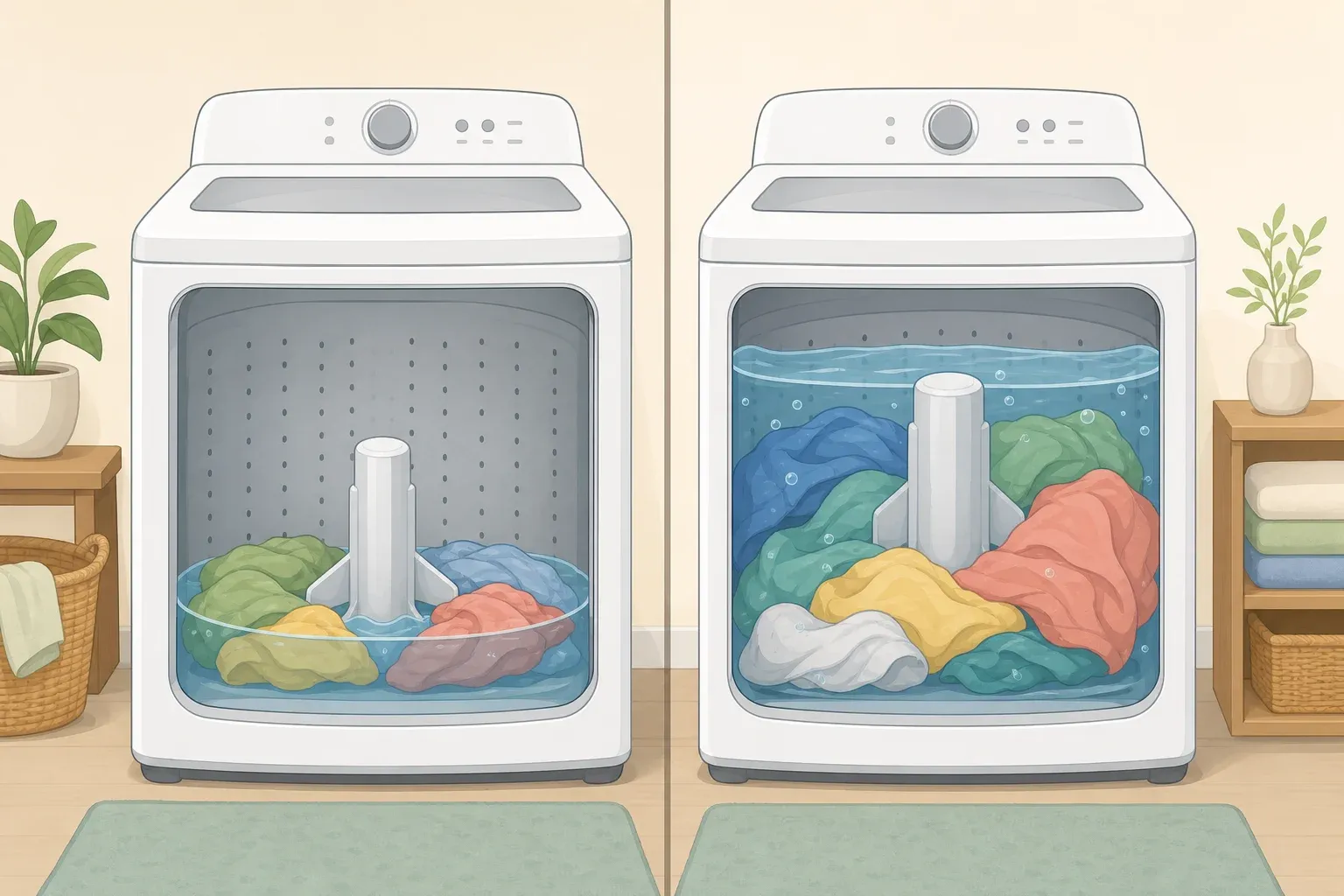
Other simple prevention tactics: don't overload your machine (clothes need room to move around), use the hottest water safe for your fabrics, and if you see suds left in the washer tub after a cycle, run an extra rinse.
The bottom line on stripping
Laundry stripping isn't necessary if you're following good washing practices, but it can be effective for tackling accumulated buildup on heavily used items. Think of it as a reset button rather than a regular maintenance routine.
If you have a lot of towels or sheets that need help, stripping provides a way to tackle them quickly. When I first stripped towels that seemed clean, the water turned brown within the first hour — but my properly maintained linens barely changed the water color, proving that good daily habits make all the difference.
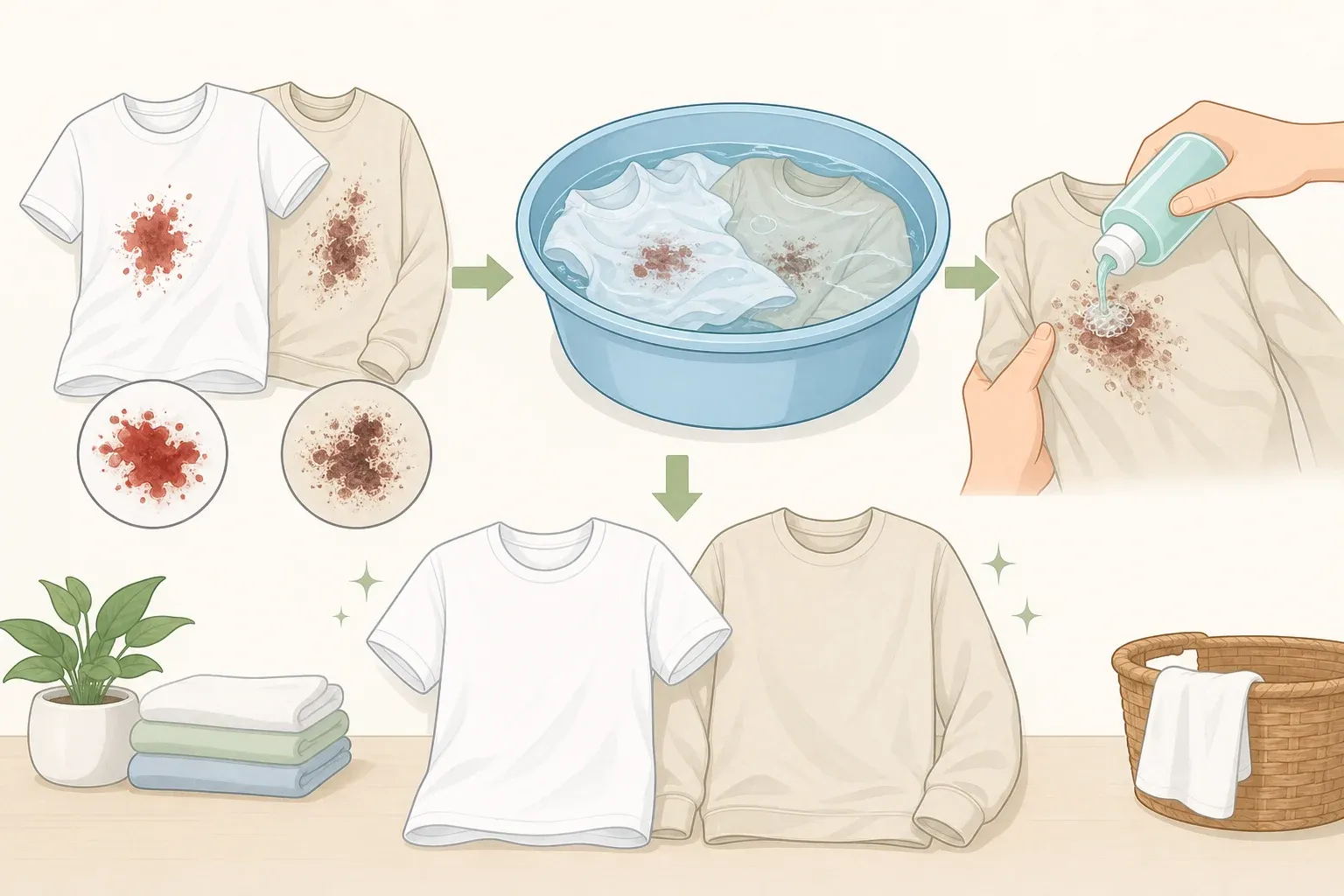
For those dealing with minor detergent buildup, there's a simpler alternative: soaking clothes in a vinegar-water mixture — one cup of vinegar per quart of water for up to an hour, then washing normally. Choose the vinegar method first for minor detergent buildup or if you're unsure whether full stripping is necessary.
The key is using stripping as an occasional reset tool while maintaining proper daily laundry habits to prevent future buildup. Choose stripping for heavily used items that feel stiff or smell musty despite regular washing. Save the viral TikTok treatment for when you actually need it, not just because the internet made it look satisfying.

Comments
Be the first, drop a comment!