



Reviewed by: Y. Garcia
Difficulty: Novice
Time: 15 minutes per task
Cost: $0 (using what you have)
When you're feeling drained and your space feels chaotic, traditional decluttering advice can feel overwhelming. Who has energy for a complete room makeover when you're barely keeping up with daily life? Here's where micro-decluttering becomes your secret weapon — quick 15-minute sessions that create meaningful changes without the stress.
The beauty of these mini tasks lies in their simplicity. Small actions can create meaningful changes when time is tight and energy is low, especially during stressful periods. These brief bursts of organization boost motivation and give your brain the sense of completion it craves — exactly the dopamine hit you need to build momentum.
Why micro-actions work when you're drained
When you're overwhelmed, the last thing you want is another massive project on your to-do list. Micro-actions are purposefully small and time-bound, requiring very little planning or motivation. They're designed for real life, when plans fall apart, and schedules get derailed.
Here's what makes these sessions so effective: visual clutter pulls attention in multiple directions at once, making concentration difficult. But clearing even one small area can boost focus and create momentum for your day. These brief bursts of organization function as in-the-moment regulation tools that help calm anxiety.
Why it works: The 10-15 minute timeframe prevents overwhelm while allowing meaningful progress. Even on your busiest days, you can find a quarter-hour to tackle one small area and remind yourself that you still have agency over your environment.
Kitchen quick wins (5-10 minutes each)
Your kitchen counters probably see the most action — and accumulate clutter fastest — in your entire home. The kitchen is where clutter piles up the fastest, making it perfect for quick wins that deliver immediate satisfaction.
Start simple: remove obvious trash first, then relocate items that don't belong, like toys or school projects. You'll be amazed at how much cleaner things look just from this first step. Then return spice jars, kitchen tools, and small appliances to their designated spots.
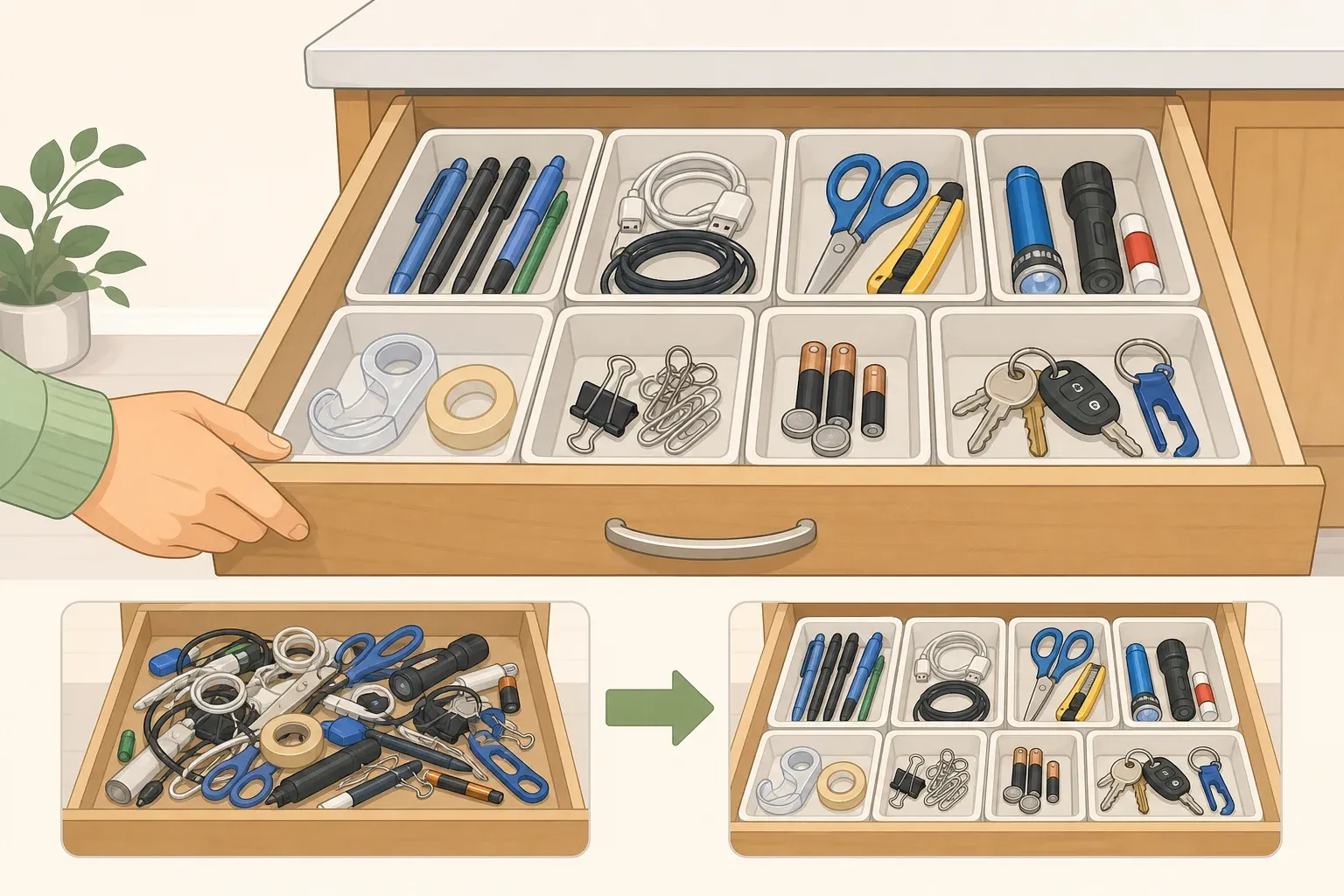
Your junk drawer deserves attention, too. Dump everything onto a clean surface — use your newly cleared countertops, but place a dish towel down first. Discard broken rubber bands, dead batteries, and obvious trash. Relocate misplaced items like makeup or art supplies to their proper rooms.
While you're in the zone, check expiration dates on spices and pantry items — expired products steal valuable space and create visual chaos without adding any value to your cooking.
Bathroom and bedroom breakthroughs
Bathroom vanities are clutter magnets, especially during busy mornings and evenings. The fix? Return toiletries to medicine cabinets or vanity drawers after each use instead of leaving them scattered across limited counter space.
Pro tip: Add a sleek tray or lazy Susan in one corner of the vanity to store daily essentials like toothpaste, face wash, and deodorant. This keeps them neat but accessible during rushed mornings when you can't afford to hunt for basics.
Your nightstand directly impacts your sleep quality. Your nightstand should promote restful sleep, not add to your stress. Empty the drawer completely and sort contents — discard expired medications, crumpled tissues, and old cords.
Keep only bedtime necessities like reading glasses, a book, or sleep mask. Use small dividers to separate categories so items stay findable even in darkness. Include a small flashlight so you can navigate without disturbing your sleep partner.
Living spaces that actually function
Coffee tables become dumping grounds faster than any other furniture piece. If the family gathers around the TV nightly, the coffee table likely collects remotes, drinkware, controllers, books, and other items.
Clear everything from the table in one sweep — family members can help make this even faster. Rehome items that belong elsewhere, throw away trash, bring dishes to the kitchen, and wipe down the table.
Keep it organized going forward: Add a low basket for remotes and controllers, limit magazines to a single stack, and use a tray to organize coasters and candles. This prevents items from spreading across the surface and makes weekly resets much quicker.
Your workspace needs similar daily attention. A clear workspace helps our brains focus better, but busy days can create a mess before lunch. Take five minutes midday and another five at day's end to reset.
File or toss loose papers immediately — if filing takes too long, create desktop folders with clear labels as temporary holding spots. This prevents the paper avalanche that makes productive work feel impossible.
Making it stick without the stress
Here's the key to sustainable micro-decluttering: choose tasks that genuinely feel good rather than becoming another obligation. When these sessions start feeling like homework, you lose their power as a stress-relief tool.
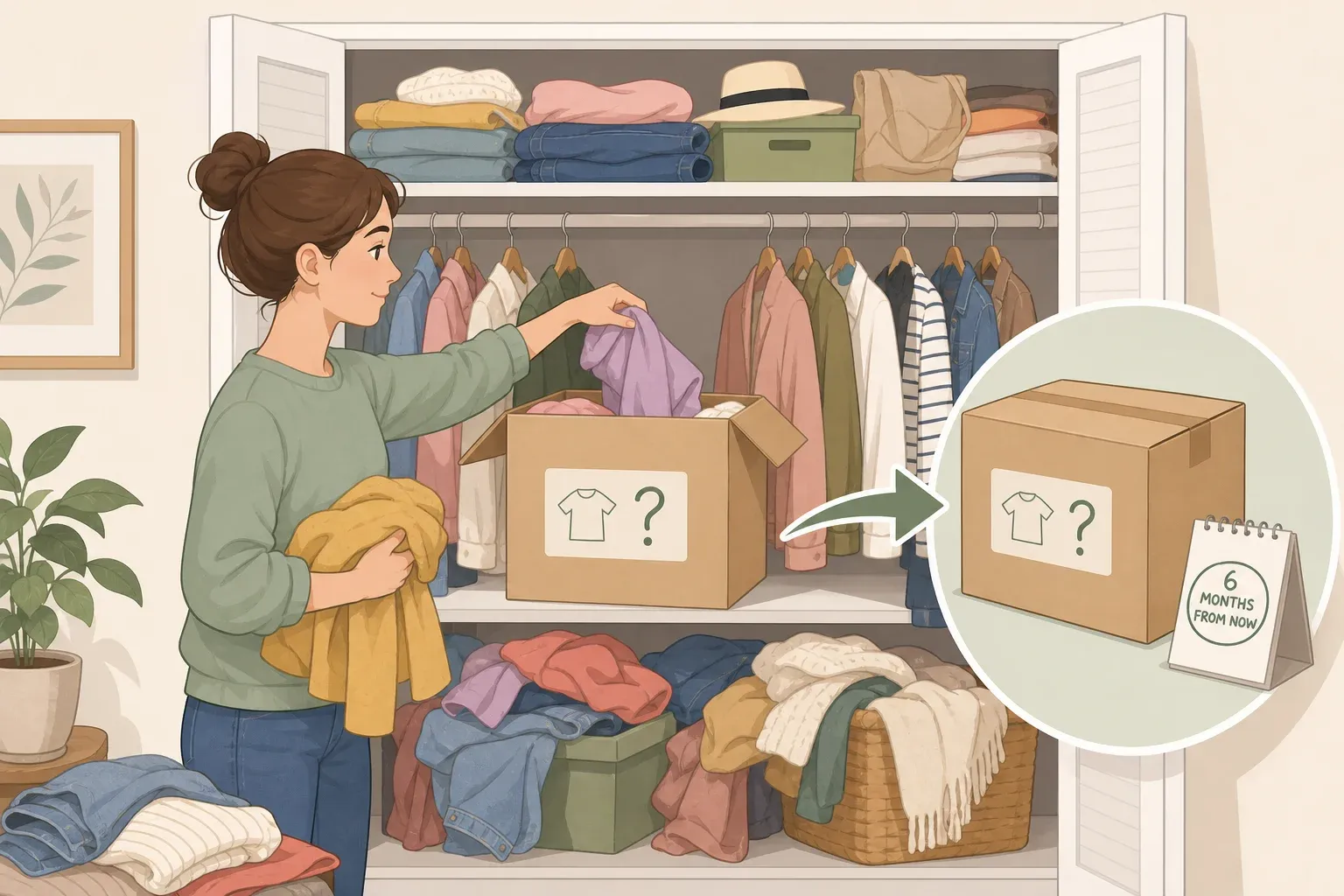
Keep decisions simple during these sessions — items either stay or go. Set up a permanent donation box so unwanted items have an immediate destination. This makes the process quick and effortless, without requiring you to make complex sorting decisions when energy is already low.
Focus your efforts where they'll create the biggest daily improvements. Target spaces where quick resets reduce daily frustrations most effectively — your entry table, kitchen island, and desk see constant use throughout the week.
Remember: Even maintaining one clutter-free sanctuary space can ease anxiety and inspire further progress throughout your home. Pick one countertop or corner that stays pristine — it becomes your visual reminder that calm, organized spaces are possible, even when life feels chaotic. This small success often motivates family members to help maintain other areas, too.
Comments
Be the first, drop a comment!