



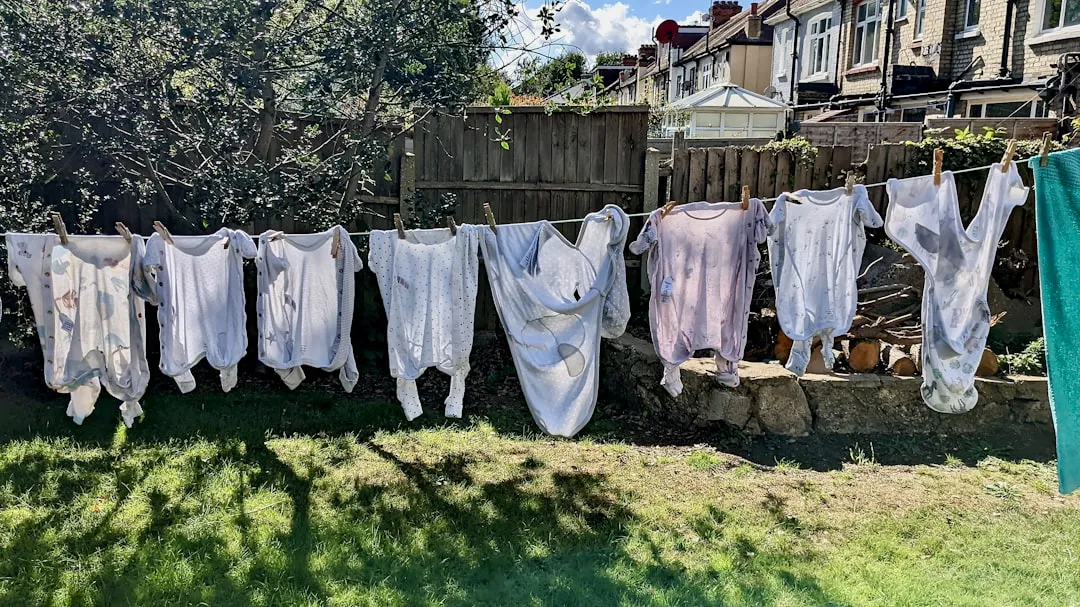
Stop Clothes Wearing Out Fast: The 77°F Washing Machine Hack That Makes Everything Last 50% Longer
Difficulty: Novice
Time: 10 minutes to adjust settings
Cost: Free (using existing machine settings)
Why You'll Like This
Got clothes that fade after just a few washes or jeans that look worn out in months? Here's a simple laundry hack that could extend your wardrobe's life by over 50% while slashing your energy bill. A 2020 University of Leeds study reveals something that changes everything about how you should wash clothes: switching to cooler, shorter cycles keeps fabrics looking newer for longer while cutting energy use by around 66%.
The best part? You already have everything you need—just different button presses on your existing machine.
What You'll Need
Materials
Your current laundry detergent (no special products required)
Clothes that need washing
Tools
Your existing washing machine
Pre-treatment spray or stick (for stubborn stains)
Safety First
No special safety gear required for this hack
Note: Reserve hot water cycles only for items needing sanitization (healthcare uniforms, heavily soiled work clothes)
Always check care labels before making dramatic temperature changes
Steps
Set your default temperature to cold (77°F/25°C or lower).
Look for "Cold," "Cool," or temperature adjustment buttons on your machine panel.
Tip: Nearly 30% of users don't realize they can change default settings, so check your manual if needed.
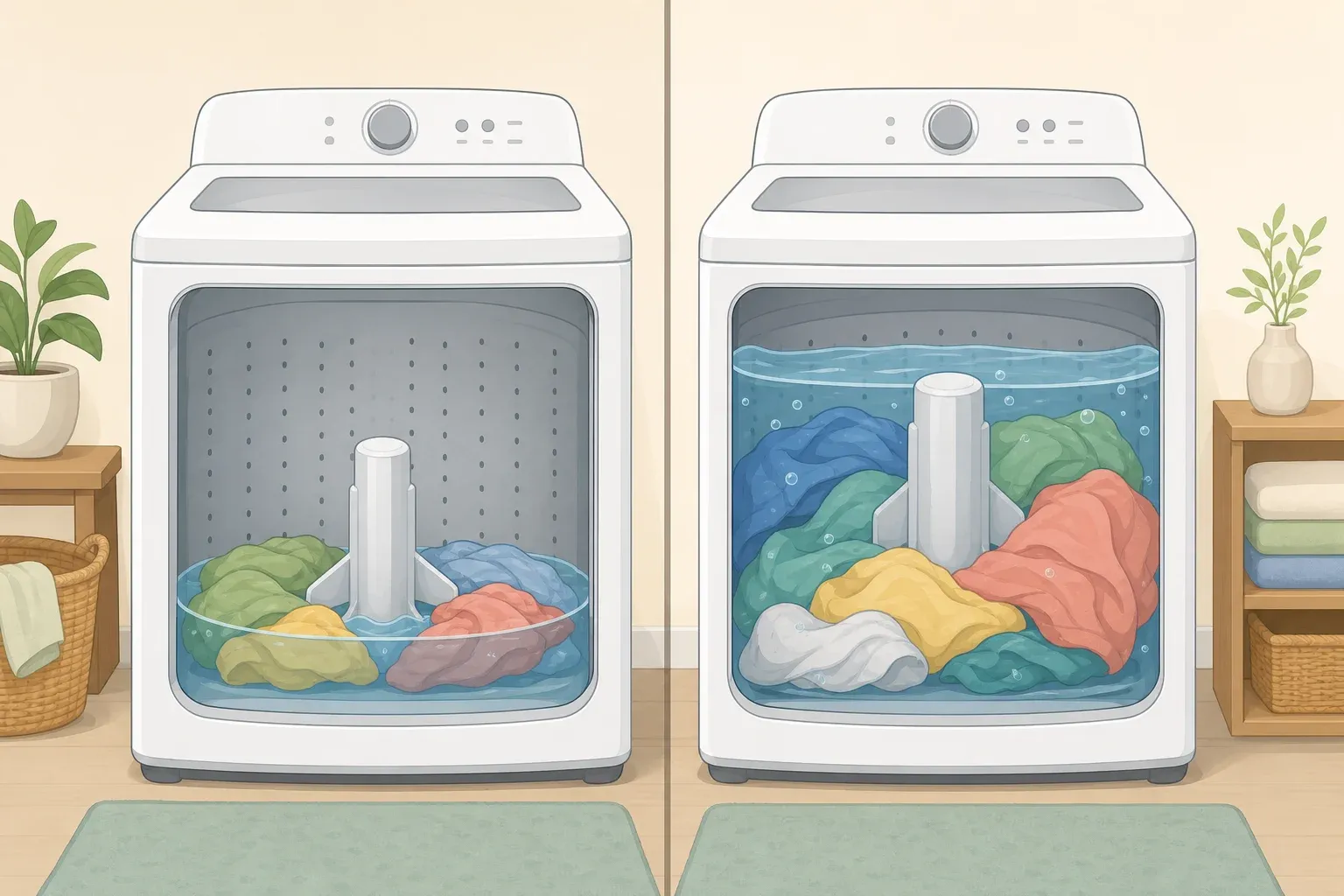
Select "Quick Wash," "Express," or "Speed Wash" for lightly soiled items.
These cycles typically run 30-45 minutes instead of 90-120 minutes.
Why it works: A 30-minute wash at 25°C (77°F) reduced microfibre release by up to 52% and cut dye release by up to 74% compared with an 85-minute wash at 40°C (104°F).
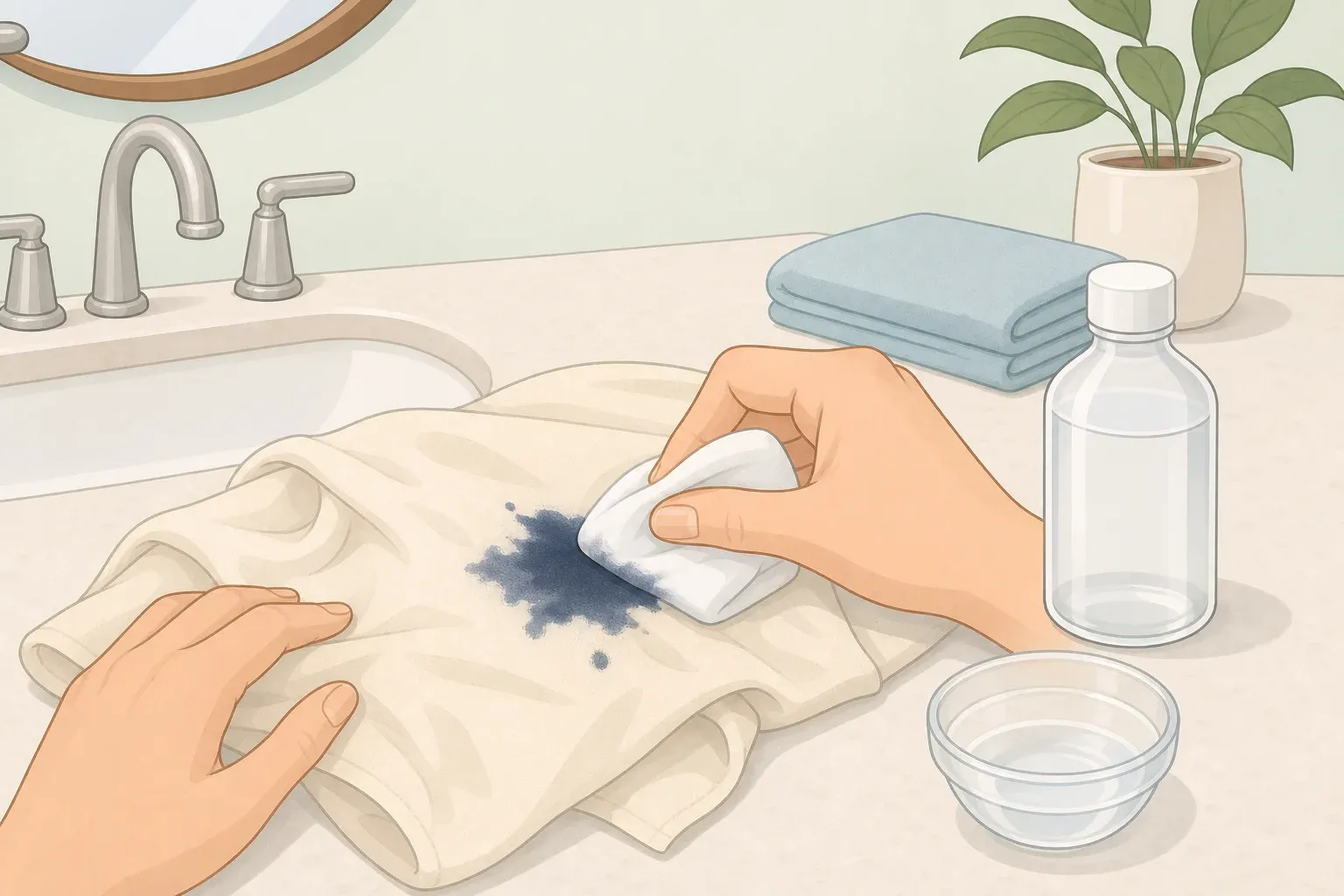
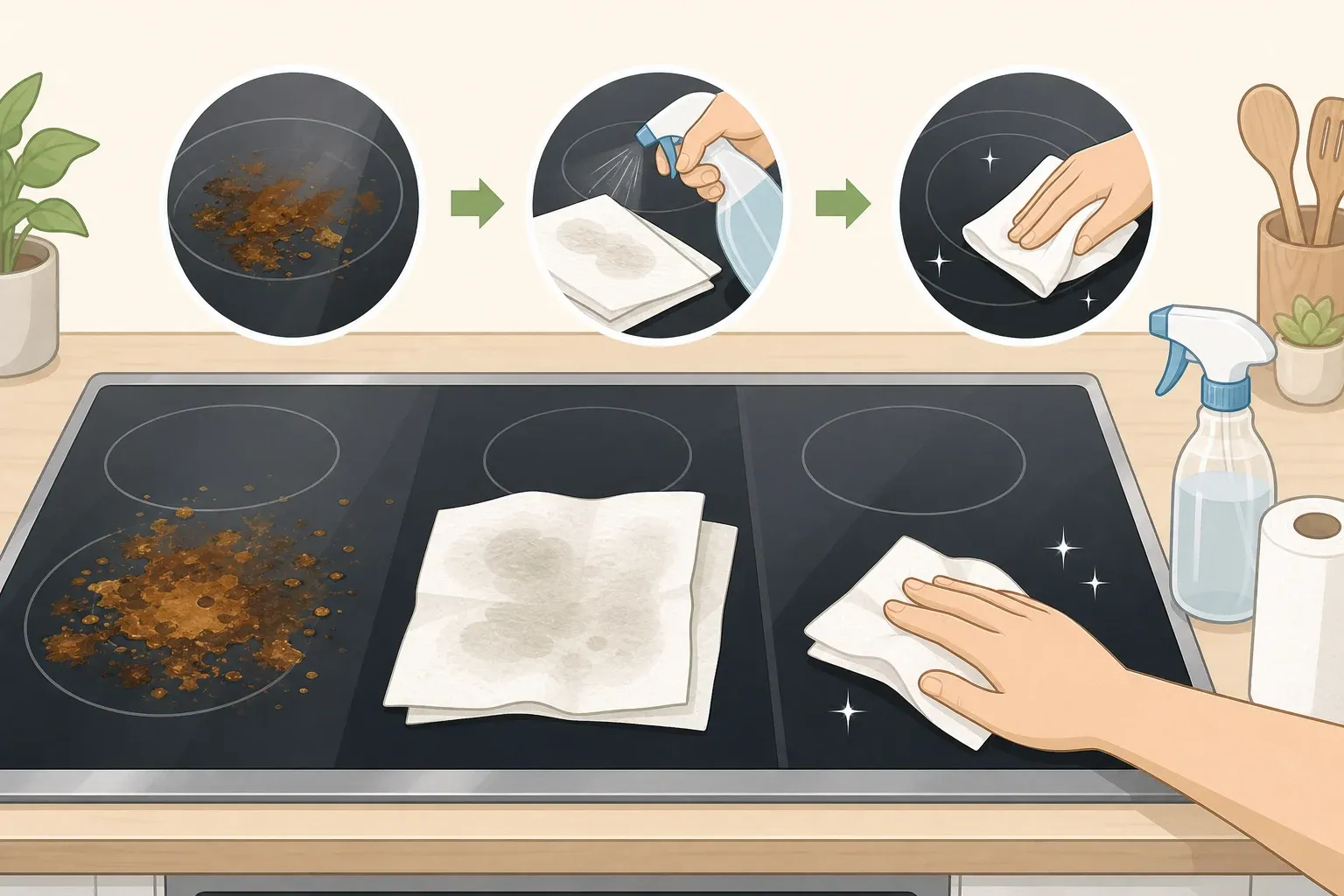
Pre-treat stains before washing instead of using hot water.
Apply stain remover 5-10 minutes before starting the cycle.
If this happens: Stain doesn't come out → Repeat pre-treatment and rewash rather than switching to hot water.
Use gentle or permanent press cycles for most clothing.
Gentle cycles limit agitation time and reduce how rapidly clothes pill and colors fade.
Reserve normal or heavy-duty cycles only for sturdy fabrics like towels and work clothes.
Check your results after the first few loads.
Most consumers report satisfaction with 86°F (30°C) washing, with only 12% claiming inadequate cleaning results.
Why it works: Scientists found that dye loss increases significantly between 68°F and 104°F. Modern detergents contain enzymes discovered in frigid climates like Iceland and Antarctica that actually work better in cold water—these enzymes can't survive warmer temperatures.
Troubleshooting
Problem: Clothes don't smell as fresh as usual → Fix: Add an extra rinse cycle or slightly increase detergent amount (not temperature).
Problem: Stubborn stains remain → Fix: Pre-treat longer (15-20 minutes) or use an enzyme-based stain remover before washing.
Problem: Colors still seem to fade → Fix: Separate darks and lights more strictly, and consider switching to detergent without bleach alternatives.
Variations & Upgrades
Budget-Friendly: Stick with your current detergent—most cold-water cycles yield excellent results without special products.
Enhanced Results: Look for detergents specifically formulated for cold water, though regular detergents work fine.
Environmental Upgrade: Every laundry load releases hundreds of thousands of microfibers into waterways. This method reduces that by over 50%.
Time-Saver: Over 70% of programs in modern washing machines default to 86°F (30°C) or 68°F (20°C), so your machine may already be optimized.
The Science Behind Your Savings
Research shows that a cotton T-shirt washed at 86°F (30°C) for 59 minutes lasts over 50% longer than when washed on a regular 104°F (40°C) cycle lasting up to 120 minutes. Extended washing creates mechanical stress through constant agitation, while higher temperatures break down fabric fibers and release dyes.
University researchers tested dozens of t-shirts from brands like Gildan, Russell, and Hanes and consistently found better results with shorter, cooler washes regardless of fabric composition. The difference? Microfiber shedding remains significant even after 16 washes, meaning gentle treatment from day one preserves long-term garment structure.
Your Triple Win
This simple switch delivers three major benefits:
Clothes last longer: Lowering wash temperature slashes energy use per load by around 66% while preserving fabric integrity.
Lower bills: Your water heater uses less energy, shrinking utility costs.
Environmental impact: Extending clothing life presents the single largest opportunity to reduce the carbon, water and waste footprints of clothes.
FAQ
Can I use this method for all fabrics? Cold water works best for dark colors and delicate fabrics, and colored clothing—particularly bright and bold colors—should always be washed in cold water. Reserve warmer cycles only for items requiring deep sanitization.
Will my clothes get clean enough? Scientists from the University of Leeds conclude that the best way to keep clothes looking fresh is using the coldest, shortest wash cycle available. Pre-treating stains handles the heavy lifting that temperature used to do.
Start with your next load—choose cold water, select the shortest appropriate cycle, and watch your favorite clothes stay vibrant longer while your energy bill shrinks. Generally, cooler and shorter washes help extend garment life while supporting environmental sustainability. Your clothes will thank you for years to come.




Comments
Be the first, drop a comment!