



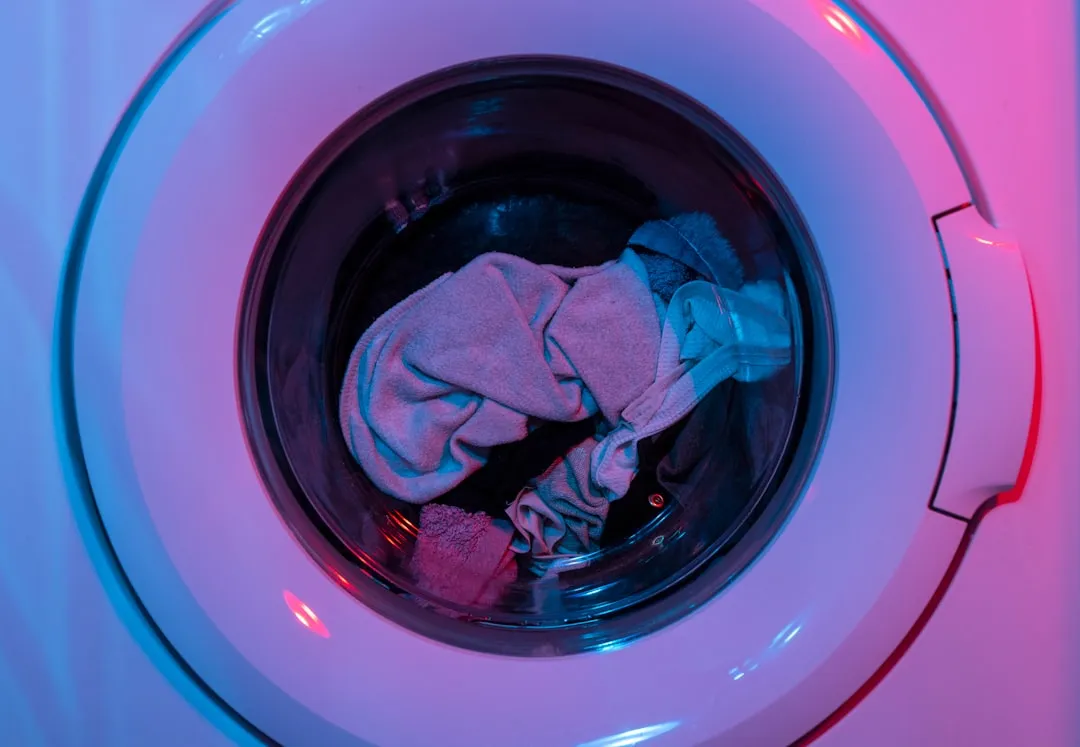
When you're standing there with a hamper full of clothes, thinking about how laundry somehow multiplies faster than rabbits, you're not alone. This chore has a sneaky way of expanding to fill whatever time you give it. But here's the thing—a cleaning expert from the Good Housekeeping Institute's Home Care & Cleaning Lab has shared practical strategies that can help streamline laundry day. These aren't fancy tricks requiring special gadgets—they're simple changes that actually work.
The real payoff? With smart techniques, you could save more than $1400 annually just by tweaking your habits. Instead of spending entire Saturdays sorting and washing, you'll handle laundry in 15-minute chunks throughout the week. That's money back in your pocket and well-earned downtime on weekends for doing things you actually enjoy.
Smart sorting: set it up once, save time forever
Here's the thing about sorting—most people do it at the worst possible time. You know that moment when you're standing in your bedroom with a basket of mixed clothes, separating darks from lights while your washing machine sits there waiting? That's backwards thinking.
Place a double bin in every bedroom for light and dark clothing. This one change eliminates the most time-consuming part of laundry day. Your clothes get sorted as they get dirty, which means when laundry day arrives, you just grab a bin and go. No standing around playing the "is this shirt light enough to go with whites?" game. For a family of three, consider investing $30-50 in quality sorting bins—they'll pay for themselves in time saved within the first month.
And let's talk about the sock situation—because we all have one. Keep a bowl of sock clips next to the hamper so socks stay paired through the entire wash and dry cycle. No more hunting through the dryer for that missing sock or dealing with the mystery of where single socks disappear to.
For those small items that seem to vanish into thin air, mesh laundry bags work great for socks, robe belts, and delicate items like bras. Think of them as protective bubbles that keep your small stuff contained and easy to find.
Temperature tricks that save money and time
Now here's where things get interesting. Most of us grew up thinking hotter water equals cleaner clothes, but that's old-school thinking that's costing you money. Switching from warm to cold water can save you $181.14 annually. That's real money for making one simple dial adjustment.
But here's the surprising part—cold water isn't just cheaper, it's often better for your clothes. Washing in hot water can make stains worse by setting them in, while cold water provides similar cleaning power to warm washes. Modern detergents are specifically formulated to work in cold water, so you're not sacrificing cleanliness for savings. Plus, your colors stay brighter longer, and fabrics maintain their texture.
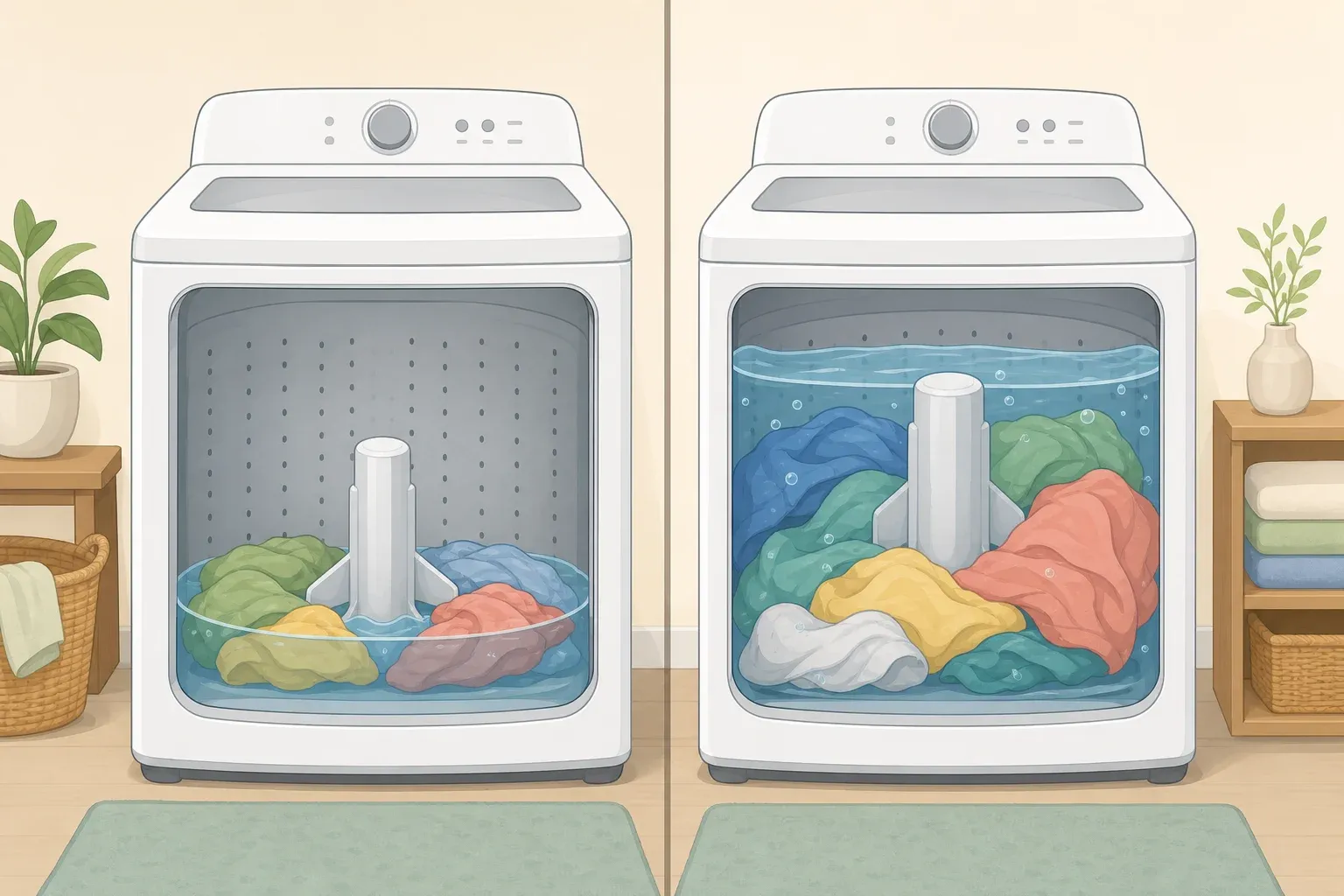
Beyond temperature, load size is another area where small changes create big savings. Filling your washing machine to capacity by weight saves water, detergent, and electricity. Most people underload their machines because they're eyeballing it wrong. Most washing machines can handle much more than the typical 3.5kg laundry basket—your machine probably has more capacity than you're using.
Stain strategy: treat now, wash later
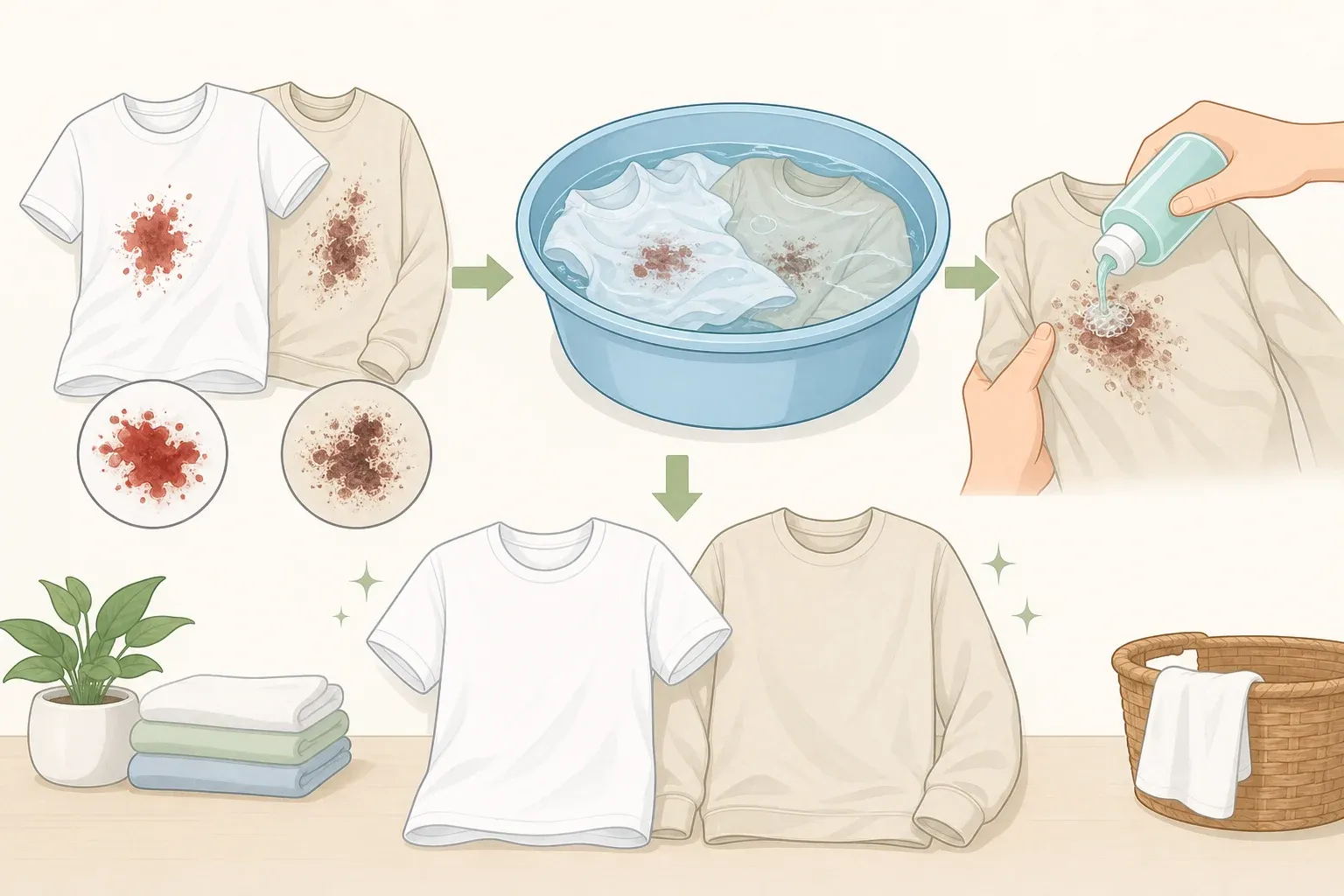
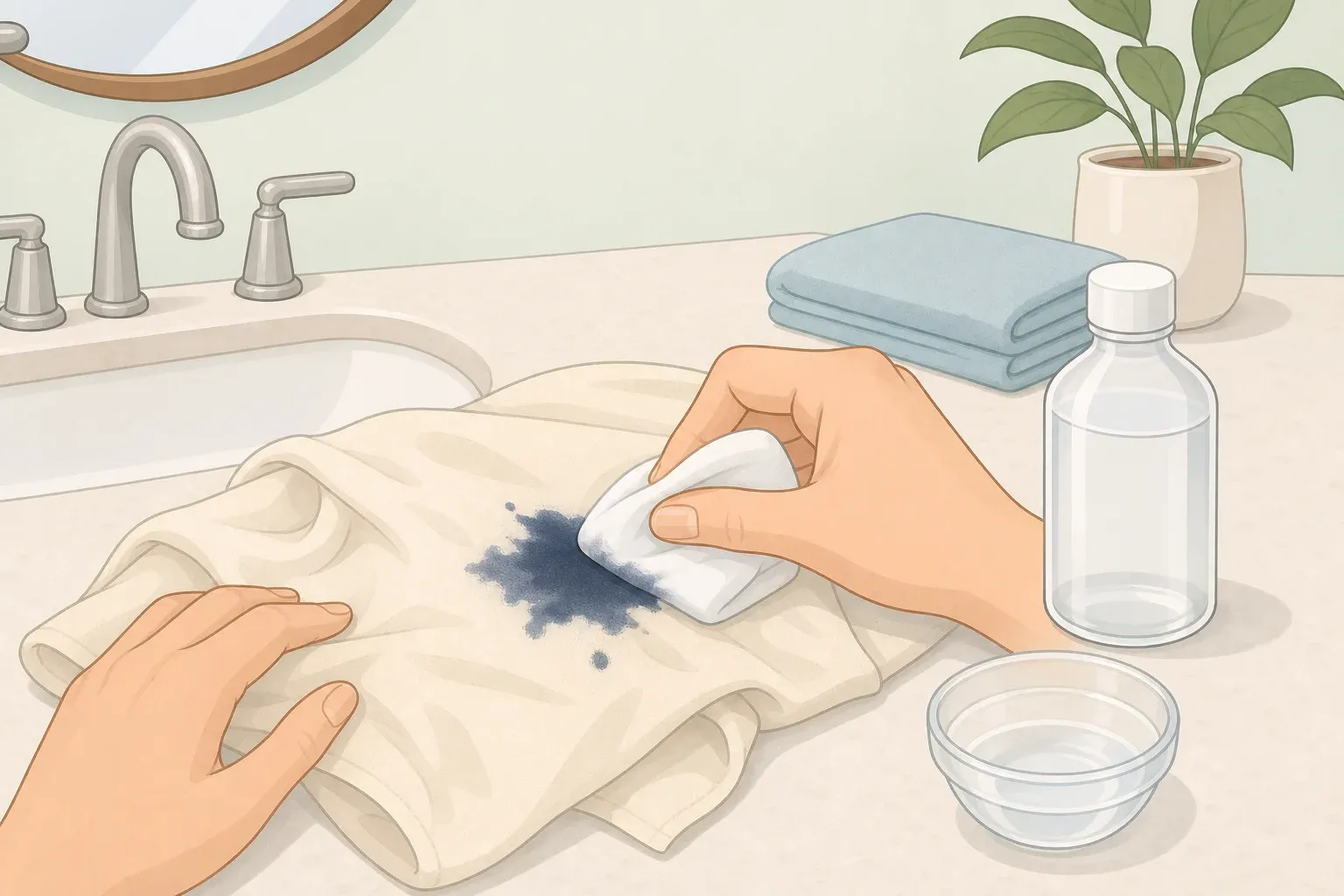
Stains don't have to derail your whole schedule. The key is having a system that works with your life, not against it. Use a stain pre-treater that can be applied up to a week before washing. This is a game-changer because you can deal with that pasta sauce splatter the moment it happens, then toss the shirt in the hamper until your next laundry day.
You have about 24-48 hours before most stains become permanent, but the sooner you act, the less scrubbing you'll need later. Treating stains as soon as they happen is the best way to ensure they come out. Even if you can't wash the item right away, treating it quickly makes all the difference.
For greasy spots, your dishwashing liquid is your friend. Liquid dish soap works effectively—just rub it in, rinse, and wash as usual. It makes sense when you think about it—dish soap is designed to cut through grease on your dishes, so it works the same magic on your clothes.
When you're dealing with tougher challenges like food spills or mud, OxiClean paired with a scrub brush acts like a secret weapon. Keep these supplies in a convenient spot so you can tackle stains without hunting around for the right products.
Detergent wisdom: less is actually more
Here's where most people go wrong—they pour detergent like they're making soup. More suds don't equal cleaner clothes. In fact, using a third of the recommended detergent amount still provides excellent results. Those recommended amounts on the bottle? They're often inflated because, let's be honest, the company wants you to buy more detergent.
Consumer Reports testing reveals that 1.5 ounces of detergent are plenty for an average load. That's about two tablespoons—probably half what you've been using.
Too much detergent actually works against you in multiple ways. Overdoing it can cause build-up that reduces washing machine performance, and excess detergent could leave residue on clothes. Instead of getting cleaner clothes, you end up with dingy, sticky fabric that traps dirt instead of releasing it.
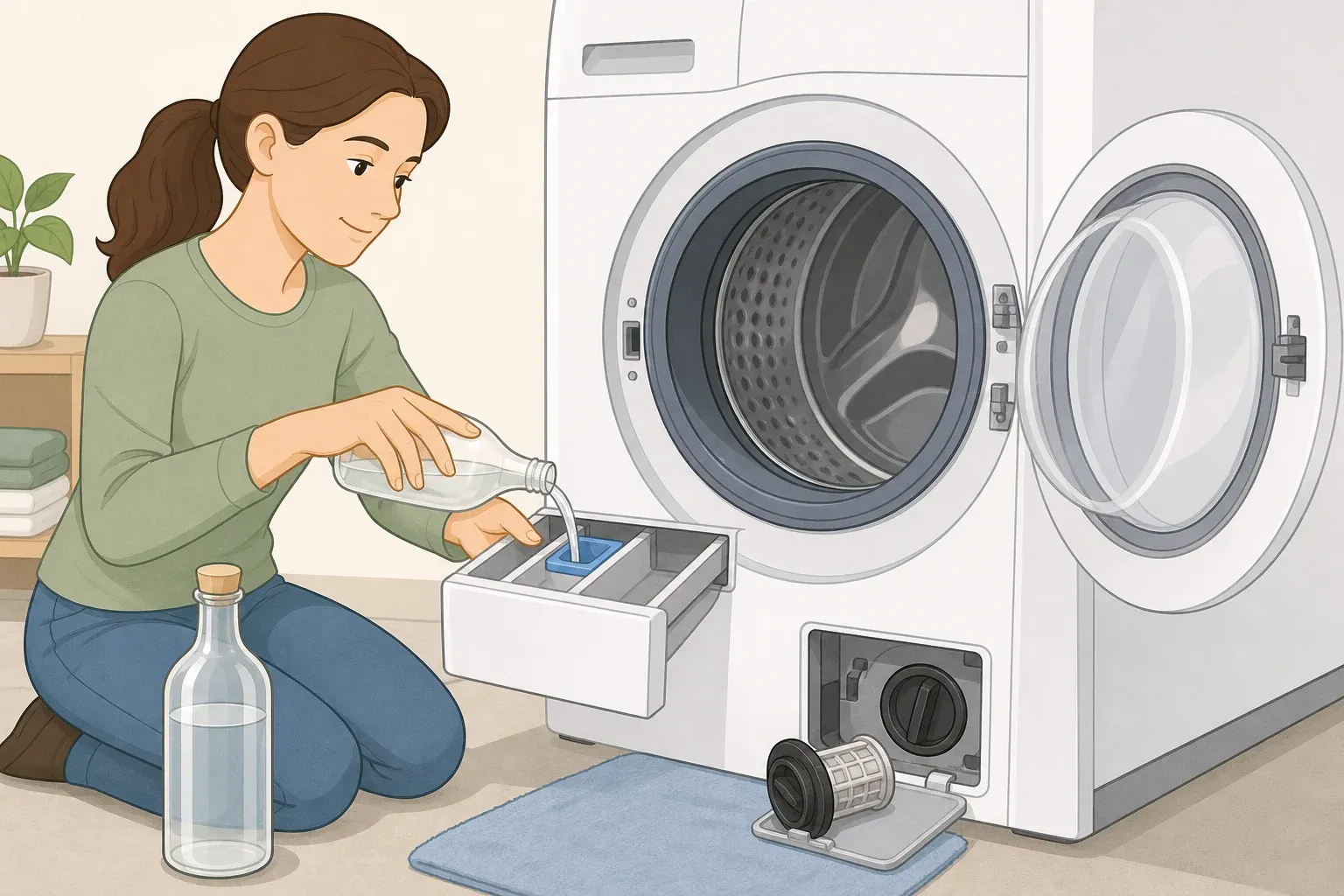
And fabric softener? You can probably skip it entirely. It's considered expensive and unnecessary by laundry experts and can actually reduce moisture absorbency and decrease fire retardancy. If you love that soft feeling, try white vinegar in the rinse cycle instead.
Drying hacks that prevent tangled messes
Nothing's more frustrating than opening the dryer to find your sheets twisted into an impossible knot. The solution starts before you even close the dryer door. Shake them out before throwing them in the dryer—the more spread out they are, the better they'll tumble. These steps add 30 seconds of prep but save 5 minutes of untangling.
Don't overload your dryer, especially with bulky items. Decrease the amount of sheets you wash per cycle to create more room in the dryer, because overloading prevents proper tumbling and creates unevenly dried sheets. Your dryer needs space to work its magic.
Here's a simple trick that really works: toss in a couple of dryer balls or tennis balls to help break up fabric. They bounce around, separating the fabric and allowing better air circulation. Plus, they absorb extra moisture and speed up drying time—often cutting 10-15 minutes off your cycle.
For those really stubborn sheets that seem determined to tangle no matter what you do, there's actually a product for that. Attach the Wad-Free gadget to flat or fitted sheets to prevent them from getting tangled or balling up. Sometimes the right tool really does make all the difference.
Technology that works while you sleep
Modern washing machines are basically computers that happen to clean clothes. Many washing machine models are equipped with bulk detergent dispensing features that automatically measure the right amount of detergent for each load. No more guessing, no more overdoing it, and the precision often improves cleaning results while reducing costs.
Smart features can actually save you time and mental energy. You can shop for machines that send alerts to your phone at the end of a cycle, so you never have to worry about wet clothes sitting in the washer overnight (and developing that funky smell we all know too well).
If you're in the market for new machines, consider exploring combo washer and dryer units that eliminate the need for transferring wet clothes. The machine automatically starts drying after washing completes. It's like having a laundry assistant that never takes a day off.
Even without smart features, you can use basic timing strategies to your advantage. Consider tackling a few loads during the week to free up weekend hours. Throw in a load before work, move it to the dryer at lunch (if you work from home), or set up a load to run while you're making dinner. Laundry doesn't have to be a weekend event.
Making it stick: your new laundry routine
Here's the truth about laundry hacks—they only work if they become habits. Start with the sorting bins this week, switch to cold water next week, then tackle the stain pre-treatment system. Taking on one change at a time makes it more likely to stick than trying to overhaul everything at once.
Creating a set routine prevents laundry from piling up and helps you stay on top of it all. This doesn't mean you need a rigid schedule—it means having a loose plan that fits your life. Maybe it's dedicating specific days to tackle your loads—whites on Monday, darks on Wednesday, or whatever works for your schedule.
The goal isn't perfection. It's making laundry fit into your life instead of taking over your weekends. Some weeks you'll nail it, other weeks you'll find yourself doing the laundry shuffle on Sunday night. That's normal. The key is having systems in place that make the good weeks easier and the chaotic weeks more manageable.
Start with sorting bins—that single change eliminates the biggest time-waster in the whole process. Add cold water savings, then layer in the stain treatment system. Each improvement compounds with the others, creating a laundry routine that's less of a weekend destroyer and more of a manageable part of life that practically runs itself.






Comments
Be the first, drop a comment!