



Reviewed by: Y. Garcia
When you're juggling work, family, and everything else life throws your way, keeping a clean home can feel like an impossible task. But here's the thing — you don't need to choose between having a life and having a tidy space. The most effective approach isn't about perfection or marathon cleaning sessions. Instead, it's about building small, consistent habits that prevent problems before they become overwhelming.
Melissa Dilkes Pateras, author of "A Dirty Guide to a Clean Home," discovered a community on TikTok eager for her practical advice (Random House). Her central philosophy? Keep up instead of constantly catching up, focusing on manageable systems that work for real lifestyles rather than idealized versions of them. Publishers Weekly notes that she made chores enjoyable in her debut (Random House), proving that effective housekeeping can actually fit into your busy schedule.
Start with the fundamentals: essential tools and smart shopping
Difficulty: Novice
Time: 30 minutes to assess and organize
Cost: $25-50 for basics
Building an effective cleaning arsenal doesn't require filling closets with every advertised gadget. Smart shoppers focus on versatile, reusable tools that deliver consistent results without breaking the bank.
What You'll Need
Essential Tools
1 quality mop (avoid models requiring expensive disposable pads)
1 broom and dustpan
1 window squeegee
2-3 spray bottles
1 cleaning bucket
6-8 washable microfiber cloths or cotton rags
Cleaning Products
1 all-purpose cleaner (generic brands work fine)
1 bottle white vinegar
1 box baking soda
Safety First
Store all cleaning products in cool, dark locations away from children and pets
Never mix different cleaning products — especially avoid combining bleach with ammonia or vinegar
Use child-safe locks on storage cabinets if needed
A simple toolkit including a mop, broom, dustpan, window squeegee, cleaning bucket, spray bottles, and folded cloths handles most household jobs (Living on the Cheap). The real game-changer lies in choosing reusable options over disposables — swap paper towels for washable rags and avoid mops requiring expensive disposable pads (Living on the Cheap).
Here's a money-saving trick that works better than expensive refills: grab a pair of stretch chenille socks, slip one over your mop head, and use it with a vinegar spray for wet mopping — then flip to a dry sock to polish it off (Living on the Cheap).
Why smart shopping matters: Generic or store brands often match the effectiveness of big-name products you see advertised (Living on the Cheap). Compare ingredient lists — you'll find the active components are frequently identical, just without the premium price tag.
TroubleshootingProblem: Tools feel cheap or break quickly → Fix: Invest in mid-range quality tools that feel comfortable in your hands
Problem: Running out of cleaning cloths → Fix: Buy microfiber cloths in bulk and designate different colors for different tasks
Master the art of prevention over perfection
Difficulty: Novice
Time: 5-10 minutes daily
Cost: Free (using existing habits)
The most effective cleaning strategy prevents messes from becoming major problems. This mindset shift saves more time and energy than any expensive product ever could.
What You'll Need
Daily Prevention Materials
Dish soap and sponge
Microfiber cloth for quick wipes
Small basket for collecting misplaced items
Safety First
Wipe spills immediately to prevent slips and falls
Keep walkways clear of clutter
Address water leaks promptly to prevent mold growth
Fresh spills respond to simple soap and water, while neglected messes demand heavy-duty cleaners and serious elbow grease (Living on the Cheap). The difference between a quick wipe and a major scrubbing session often comes down to timing — tackle problems when they're still manageable.
Steps for Daily Prevention
Address spills immediately with soap and water — this prevents staining and eliminates the need for harsh chemicals later.
Work from top to bottom in any space to ensure dust and debris don't fall onto already-cleaned surfaces, making your efforts more efficient (Homes and Gardens).
Implement the "one-minute rule" — if a task takes less than 60 seconds (wiping a counter, putting away an item), do it immediately rather than adding it to your to-do list.
Use transition moments — wipe bathroom counters while brushing teeth, load the dishwasher while coffee brews, or tidy the living room during commercial breaks.
Weekly routines prevent dirt buildup that makes each cleaning session easier and faster (Good Housekeeping). Small daily and weekly tasks not only help keep your space healthier, but can also help prevent dirt and grime from building up, ultimately making each cleaning session easier and faster (Good Housekeeping).
Why prevention works: Consistent small actions compound over time, creating momentum that makes larger tasks feel less overwhelming. When you keep up with basics, deep cleaning becomes maintenance rather than crisis management.
Tackle specific challenges with targeted solutions
Difficulty: Moderate
Time: 15-45 minutes depending on task
Cost: $5-15 for specialized products when needed
Different surfaces and problems require specific approaches, but understanding the science behind cleaning helps you choose the right solution for each situation.
What You'll Need
For Bathroom Challenges
Citric acid or vinegar for mineral deposits
Baking soda for scrubbing
Microfiber cloths
Toilet bowl cleaner
Disinfectant
For Kitchen Tasks
Degreasing dish soap
Glass cleaner or vinegar solution
Soft scrub brush
Safety First
Ensure adequate ventilation when using any cleaning products
Wear gloves when using stronger cleaners
Never mix cleaning products together
Test cleaners on inconspicuous areas first
Understanding the root cause of problems helps you choose effective treatments. For example, most bathtub rust stains start in the water, not the tub (Everyday Cheapskate). If your water contains dissolved iron (common with well water and older plumbing), it oxidizes when it meets air and moisture, creating those stubborn orange stains.
Steps for Smart Escalation
Start mild with baking soda or vinegar for basic cleaning tasks — these handle most everyday grime without damaging surfaces.
Escalate gradually to specialized products only when needed. Starting with mild solutions and escalating only when needed prevents surface damage while achieving better results (Everyday Cheapskate).
Focus weekly maintenance on high-traffic areas for maximum visual impact. Countertops, sinks, and toilets in bathrooms benefit from consistent attention (Good Housekeeping). In kitchens, wipe down high-touch appliances like the refrigerator, cooktop, microwave and coffee maker (Good Housekeeping).
Troubleshooting Specific ChallengesProblem: Toilet cleaner isn't working → Fix: Apply cleaner and let it soak for 5-10 minutes before scrubbing — dwell time does most of the work
Problem: Mirror streaks persist → Fix: Try hot water alone before reaching for glass cleaner — it melts away hairspray and toothpaste splatters effectively
Problem: Grout looks dingy → Fix: Use a bleach pen for targeted application without getting bleach on tiles (avoid on colored grout)
Why this approach works: By understanding what causes different types of dirt and stains, you can prevent many problems and treat existing ones more effectively, saving both time and money on unnecessary products.
Create sustainable systems that actually work
Difficulty: Moderate
Time: 20-30 minutes to set up systems
Cost: Minimal (mostly reorganizing existing routines)
The most successful housekeeping emphasizes consistency over intensity. Rather than exhausting weekend marathons, build manageable routines that fit your actual lifestyle and energy levels.
What You'll Need
System Setup Materials
Timer or smartphone for tracking tasks
Notebook or app for tracking what works
Laundry basket for collecting items that belong in other rooms
Safety First
Build realistic expectations to prevent burnout
Include rest periods in your schedule
Adjust systems based on your physical capabilities and health
Pateras prioritizes cleaning a little every day, noting that small daily tasks like washing dishes make less frequent deep cleans much easier (Publishers Weekly). Her book's central theme advocates keeping up instead of constantly catching up (Maria Shriver's Sunday Paper).
Steps for Building Sustainable Systems
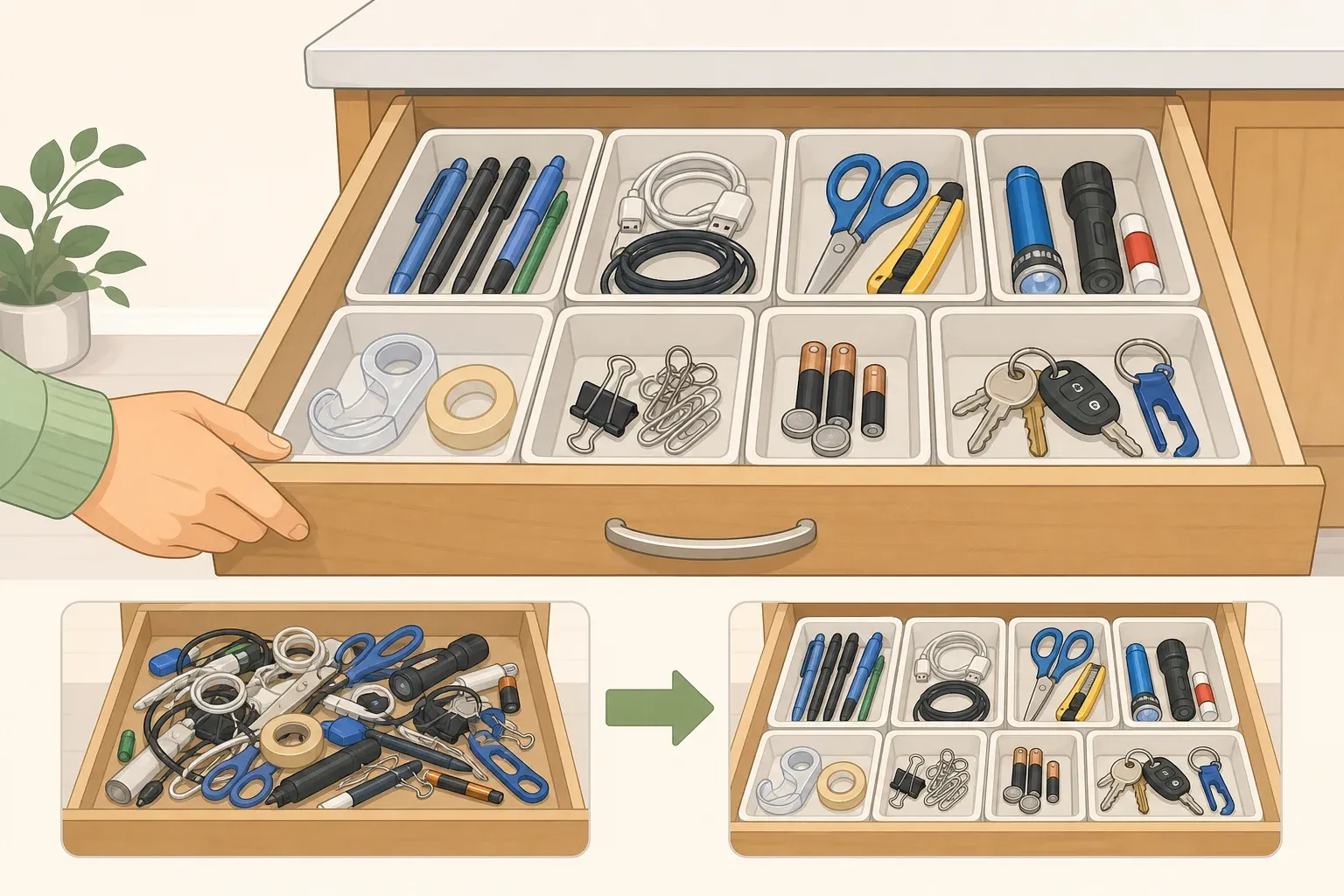
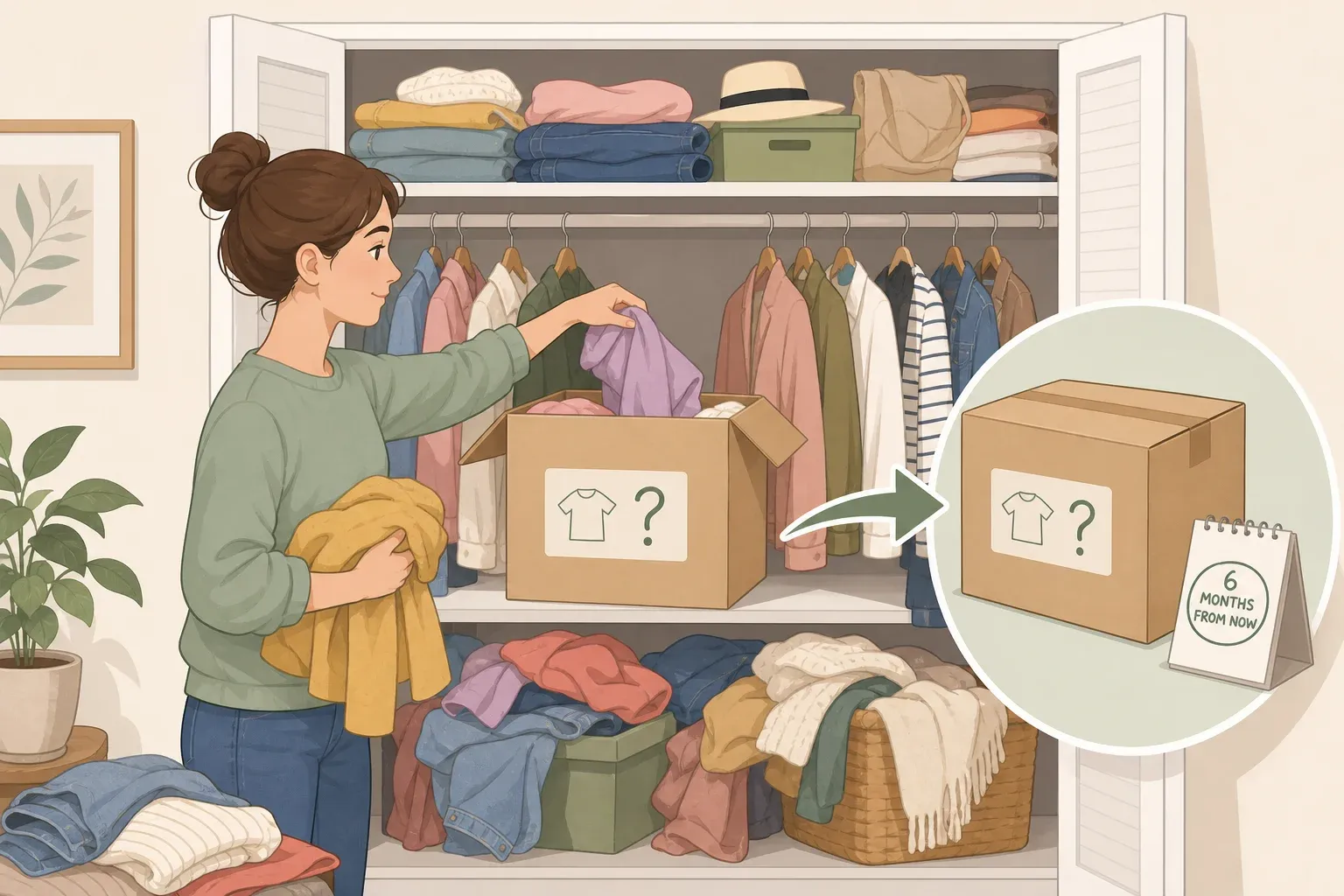
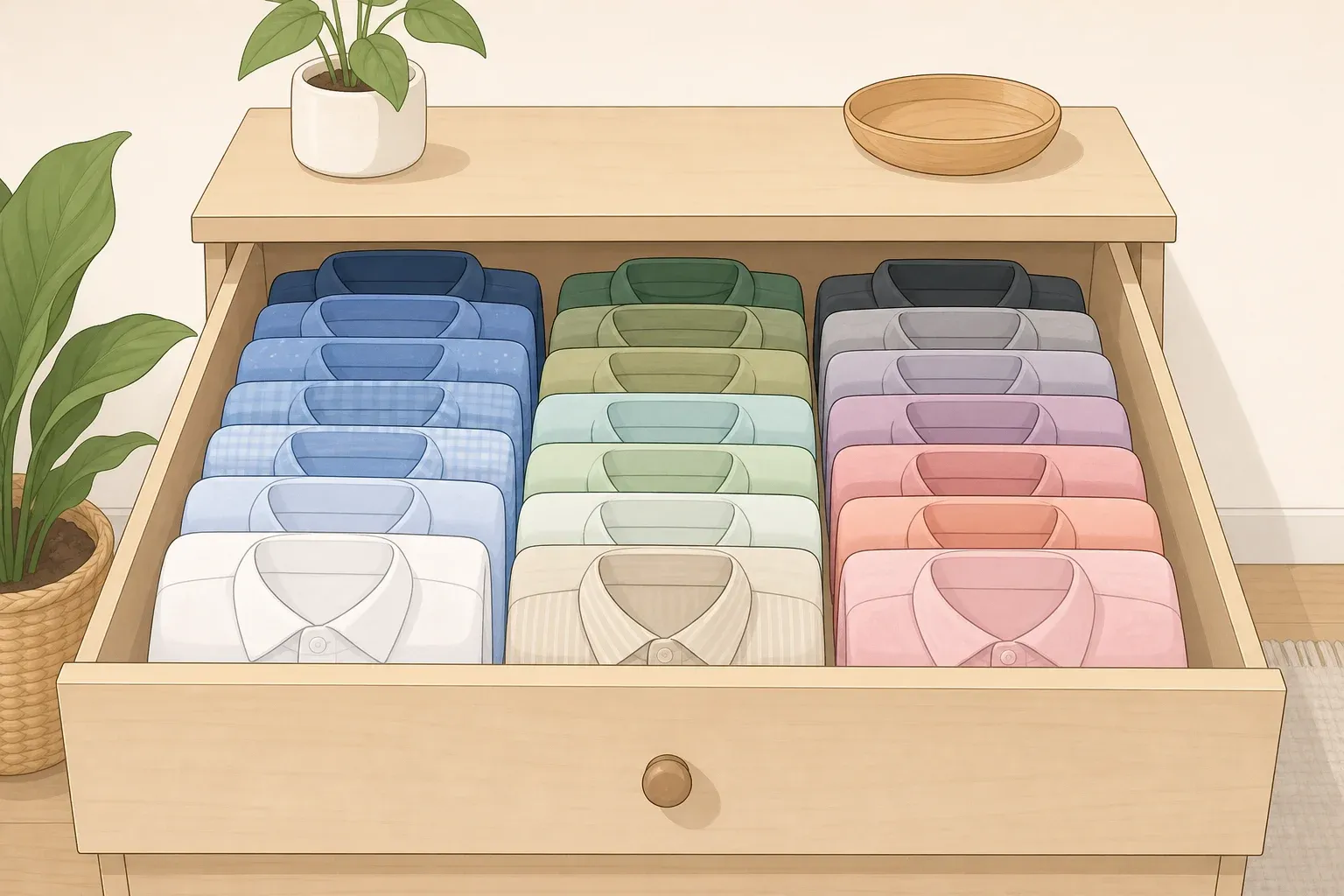
Break large projects into manageable pieces to prevent overwhelm and build momentum. Instead of tackling an entire closet, start with one drawer — maybe your junk drawer in the kitchen or T-shirt drawer in the bedroom (Maria Shriver's Sunday Paper).
Establish daily non-negotiables that become automatic habits:
Make beds each morning
Wash dishes after meals
Wipe bathroom counters after use
Spend 10 minutes tidying main living areas
Design weekly focus areas that distribute work evenly:
Monday: Kitchen deep clean
Tuesday: Bathroom maintenance
Wednesday: Laundry catch-up
Thursday: Living areas
Friday: Quick whole-house pickup
Customize for your life circumstances — whether you're a single parent juggling work and kids, dealing with health issues, or simply someone who values weekend downtime. The goal isn't Instagram-perfect spaces but homes that feel good and support your daily life (Maria Shriver's Sunday Paper).
Why sustainable systems work: When you prevent overwhelming buildup through small daily actions, every cleaning session becomes manageable maintenance rather than crisis intervention. This approach builds confidence and momentum instead of exhaustion and avoidance.
Variations for Different Lifestyles
Busy professionals: Focus on 15-minute daily sessions and batch similar tasks
Parents with small children: Involve kids in age-appropriate tasks and embrace "good enough" standards
Shift workers: Adjust timing to match your schedule rather than forcing conventional routines
Your path to a cleaner, calmer home starts now
Effective housekeeping isn't about achieving magazine-worthy perfection — it's about creating systems that work for your unique situation and schedule. The goal is homes that support daily life and reduce stress, not spaces that look good for social media.
Start small and build momentum gradually. Pateras emphasizes beginning with one drawer or a single cleaning task, then building from there (Maria Shriver's Sunday Paper). The key is being thoughtful about your belongings and routines rather than following someone else's definition of clean (Maria Shriver's Sunday Paper).
Remember that learning happens through practice and adjustment — even simple tasks like caulking improve with experience (Maria Shriver's Sunday Paper). You don't need to master everything immediately. The only way to develop these skills is through trying, making mistakes, and refining your approach based on what you discover.
Your cleaning routine should serve your life, not dominate it. Start where you are, use what you have, and focus on building habits that reduce daily friction. Whether that means organizing one drawer, establishing a simple morning routine, or just changing how you think about home maintenance, the perfect time to begin is now. Your future self will thank you for taking that first small step toward a home that feels calm, functional, and genuinely yours.

Comments
Be the first, drop a comment!