




By the end of this guide, you'll know exactly how to wash bedding of every type, how often each layer needs washing, and which settings apply to each fabric. There's also a reference table at the end that puts frequency, temperature, cycle, and drying method in one place.
First, a definition that changes everything: a duvet is a plain fabric shell filled with down, feathers, wool, or synthetic fibers, designed to be used inside a removable cover. A comforter, more common in North America, has the fill sewn directly into a decorative outer fabric with no separate cover. That distinction determines how often each needs a full wash, and which one is doing all the protective work on its own.
The bigger insight: washing bedding incorrectly does more damage than washing it infrequently. Heat, overloaded drums, and detergent residue are the main culprits. A budget sheet set washed correctly will outlast an expensive one treated carelessly.
Every recommendation in this guide follows the same logic: identify the skin contact level, set the lowest effective temperature for that fabric, use the gentlest cycle that gets the job done, and never put anything back on the bed until it is completely dry.
You'll need: a washing machine with a gentle or delicate cycle, mild liquid detergent, and access to a large-capacity machine or laundromat for bulky items like duvets and king-size comforters.
How to wash bedding on the right schedule
Washing frequency follows one rule: the closer something is to your skin each night, the more often it needs washing. A duvet cover or top sheet acts as a barrier for everything beneath it, and items with that protection can go significantly longer between full washes.
Weekly
Sheets and pillowcases: once a week is the minimum for most people; every three to four days for hot sleepers, those with skin conditions, acne-prone skin, or anyone sleeping without pajamas
Duvet covers used without a top sheet: weekly, since the cover is the only barrier between skin and the insert
Comforters used without any cover: weekly, because direct skin contact puts them on the same schedule as sheets
Every one to two weeks
Duvet covers used with a top sheet: the top sheet absorbs most of the contact, which extends the cover's cycle
Monthly
Pillow protectors: even when the pillow beneath can last longer, the protector itself needs monthly washing
Mattress protectors: monthly to every two months; high heat degrades waterproof coatings, so use low-to-medium heat
Blankets used nightly: once or twice a month
Every two to four months
Duvet inserts and protected comforters: two to four times per year is the consensus range
Every three to six months
Pillows with protectors: about three times per year; without protectors, move to monthly or every other month. The protector carries most of the load (The Spruce; Clean Mama)
Skip the calendar and wash immediately when:
Any visible stain or spill occurs
A stale or musty smell is present
Sheets or a duvet cover haven't been washed in more than two weeks; at that point, oils and dead skin have set in enough that a single wash may not fully restore freshness
A pest infestation has occurred; high-heat washing and drying are required for affected items, and delicates that cannot tolerate heat should be soaked in laundry detergent
When standard frequency isn't enough: Pets sleeping on the bed, allergy or asthma sufferers, heavy sweaters, and anyone with active skin conditions should treat every item as one tier more frequently than the standard schedule.
Dust mites thrive in warm, humid bedding, and airing out the bed for a few minutes before making it each morning reduces that humidity. Allergy sufferers should also wash bed skirts, canopies, and decorative items every two to three months rather than once or twice a year.
How to wash sheets and pillowcases by fabric type
Check the care label first. No label? Default to cold water, gentle cycle, low heat. The instructions below reflect what labels typically say, and why it matters.
Step 1: Match your fabric to one of these categories
Standard cotton (percale, upland, flannel, twill)
Wash weekly at 40°C routinely. Once a month, a wash at 60°C handles dust mite and allergen control, but LuxClub notes that repeated exposure above 60°C breaks down the hydrogen bonds within cotton fibers, accelerating the splitting and pilling that shortens sheet life. Reserve the higher heat for that monthly cycle only.
Gentle or permanent-press cycle; avoid heavy-duty, which adds agitation without improving cleaning
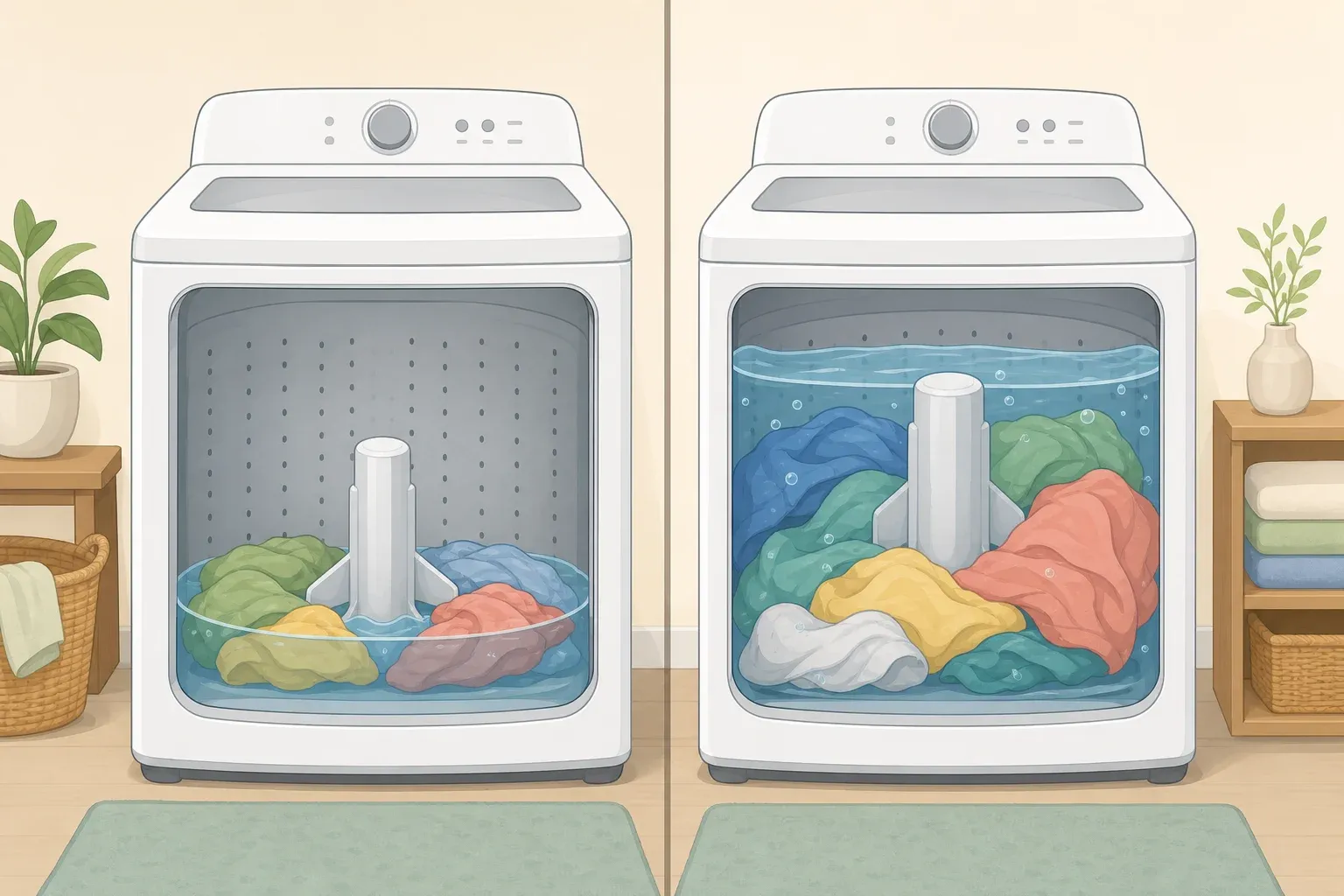
One sheet set per load; a queen duvet cover alone fills most standard home drums
Never wash with towels; towel loops abrade sheet fabric and accelerate pilling
Dry on medium-to-low heat; remove while slightly damp and spread on the bed to finish, which reduces shrinkage and wrinkles
Sateen variation: turn inside-out before washing to protect the high-sheen face weave from drum abrasion; cold water, delicate cycle; no bleach or fabric softener
Bamboo/lyocell (Tencel)
Cold wash only, 30°C maximum. Bamboo-derived fibers lose tensile strength significantly when wet, making agitation particularly damaging, and heat causes irreversible shrinkage and surface pilling.
Delicate or hand-wash cycle; skip fabric softener, which coats lyocell fibers and reduces their moisture-wicking performance
Line dry or use the lowest available dryer setting; remove promptly to prevent creases
Linen
Machine-wash cold or hand-wash with mild detergent; avoid high temperatures and bleach. Linen gets softer with each correct wash. High heat and aggressive drying will lock in its shape and prevent that softening. If line-drying in the sun, turn inside-out to prevent UV discoloration.
Microfiber/polyester
Cold water, gentle cycle, lowest dryer heat only. LuxClub notes that polyester microfiber can fuse at the molecular level at dryer temperatures above 70°C, permanently creating the rough, scratchy texture associated with worn synthetic bedding damage that cannot be undone. Wash alone; microfiber picks up lint from other fabrics during the cycle. Never iron.
Silk and specialty fabrics (satin, jersey, flannel)
Silk: hand-wash with a silk-safe detergent; air-dry indoors, never in direct sunlight (House Digest)
Satin (polyester-based): machine-wash cold, gentle cycle, air-dry indoors to prevent fading (House Digest)
Flannel and jersey: cold or lukewarm water, gentle cycle, no bleach or fabric softener; wash inside-out to prevent pilling
When in doubt about any fabric with an unfamiliar composition, cold water and a gentle cycle is the safe default.
Step 2: Get detergent right
Use a liquid enzyme-based detergent. Powder detergents can leave residue trapped in the weave if not fully dissolved (LuxClub). Use less than the cap suggests: residue causes rough texture, dullness, skin irritation, and attracts more dirt between washes (Whiteleys Cleaners).
Routine chlorine bleach on cotton is worth avoiding. A study cited by LuxClub in the Textile Research Journal documented a 35% reduction in tensile strength in cotton fabric after just eight bleach wash cycles at standard household concentrations. Skip fabric softener on bamboo/lyocell, flannel, microfiber, and weighted blankets entirely, as it coats fibers or clumps.
How to wash duvets, comforters, pillows, and special cases
For every item in this section, drying is more critical than washing. A duvet or pillow that goes back on the bed still damp can develop mold inside the fill within 24 to 48 hours, a problem that produces a persistent smell and is very difficult to reverse.
Duvet inserts and comforters
Step 1: Check machine capacity. A standard 7–8kg home drum handles a single or double duvet. King-size duvets need a minimum of 9–10 kg. If the duvet fills more than three-quarters of the drum uncompressed, take it to a laundromat. Top-load agitator machines can tear baffle stitching and redistribute fill unevenly, and front-load only for bulky inserts.
Step 2: Inspect before loading. Check for torn seams or loose stitching. A damaged duvet sheds fill into the machine during washing. Confirm the fill type: wool duvets need a wool cycle and cool water; synthetic fills are forgiving; down fills need warm water at 40°C, and hot water can shrink the shell fabric and damage down clusters.
Step 3: Wash gently and warm, with minimal detergent. Run an extra rinse cycle afterward; residue left in the fill causes clumping and a stale smell that subsequent washes won't fix. Follow with an extra spin cycle to pull out as much water as possible before drying.
Step 4: Dry completely on low heat with dryer balls. A duvet can take two to three hours. Stop every 20 to 30 minutes to shake and redistribute the fill. Two or three dryer balls or clean tennis balls help restore loft. To test dryness, squeeze different sections firmly. Any area that feels cool, dense, or damp needs more time. Don't put it back on the bed until it's completely dry throughout, not just on the surface.
Between washes: tumble on low heat with dryer balls for 30 to 40 minutes, stopping every 10 minutes to redistribute fill.
Pillows
Step 1: Identify fill type. Synthetic and down/feather pillows are machine washable; wash two at a time to keep the drum balanced. Memory foam and latex pillows should not be machine-washed under any circumstances, as immersion destroys foam structure. Spot-clean with a damp cloth and mild soap, then air dry completely.
Step 2: Wash gentle, warm, with an extra rinse cycle. Same principle as the duvet: detergent residue in the fill causes clumping and odor.
Step 3: Dry on low heat with dryer balls until completely dry. Pillows take longer than expected, and damp fill inside a pillowcase molds quickly. To check whether a pillow still has life in it: fold it in half and let go. If it springs back, the fill is intact. If it stays folded, replace it.
Mattress protectors and pillow protectors
Wash mattress protectors monthly to every two months on a gentle cycle with cold or warm water. Low-to-medium heat drying only: high heat degrades waterproof coatings, which is the one thing that shortens their useful life. Pillow protectors should be unzipped and washed monthly, even when the pillow itself can go longer.
Weighted blankets
Check fill type before washing. Glass bead fills tolerate machine washing; plastic pellet fills can melt at high dryer temperatures. Most home machines handle up to 8kg; a 9kg weighted blanket requires a commercial machine. Cold water, gentle cycle, no fabric softener. Low heat or air dry flat.
Heirloom and antique quilts
Do not machine wash. Hand washing or taking to a professional cleaning machine, agitation damages stitching and distorts the structure of older quilts.
Quick reference: bedding care by item
Sheets/pillowcases (cotton): Wash weekly at 40°C for routine cleaning and 60°C monthly. Use a gentle or permanent-press cycle. Dry on low–medium heat and remove slightly damp. Commercial machine not needed.
Sheets (bamboo/lyocell): Wash weekly in cold water, 30°C max. Use a delicate cycle. Dry on the lowest heat or line dry. Commercial machine not needed.
Sheets (microfiber): Wash weekly in cold water. Use a gentle cycle. Dry on the lowest heat only. Commercial machine not needed.
Duvet cover, no top sheet: Wash weekly at 40°C. Use a gentle cycle. Dry on low–medium heat. Commercial machine not needed.
Duvet cover, with top sheet: Wash every 1–2 weeks at 40°C. Use a gentle cycle. Dry on low–medium heat. Commercial machine not needed.
Pillow protectors: Wash monthly in cold or warm water. Use a gentle cycle. Dry on low heat. Commercial machine not needed.
Mattress protectors: Wash every 1–2 months in cold or warm water. Use a gentle cycle. Dry on low–medium heat. Commercial machine not needed.
Blankets used nightly: Wash monthly in cold or warm water. Use a gentle cycle. Dry on low heat. Commercial machine not needed.
Duvet insert, with cover: Wash 2–4 times per year in warm water, around 40°C. Use a gentle cycle. Dry on low heat for 2–3 hours with dryer balls. A commercial machine may be needed for king-size or larger inserts.
Comforter, no cover, direct skin contact: Wash weekly in warm water, around 40°C. Use a gentle cycle. Dry on low heat with dryer balls. A commercial machine is often useful.
Comforter, no cover, limited skin contact: Wash monthly in warm water, around 40°C. Use a gentle cycle. Dry on low heat with dryer balls. A commercial machine is often useful.
Pillows, synthetic/down: Wash every 3–6 months in warm water. Use a gentle cycle. Dry on low heat with dryer balls. Commercial machine not needed.
Pillows, memory foam/latex: Spot clean as needed. Do not machine wash. Air dry completely.
Weighted blanket: Wash every 2–4 weeks in cold water. Use a gentle cycle. Dry on low heat or air dry flat. A commercial machine may be needed if the blanket is heavy.
What extends bedding life and when to replace it
The care protocol described here is what separates bedding that softens and improves over time from bedding that thins, pills, and yellows ahead of schedule. Right temperature, measured detergent, correct load size, fully dried before use, that's the whole system.
Knowing when to replace is the other side of that equation. Lifespan benchmarks from LuxClub: cotton percale sheets last two to three years; bamboo/lyocell sheets one and a half to two years; down comforters up to ten to fifteen years with correct care; mattress protectors around two years or when waterproofing visibly fails. Pillows of all fill types fall in the one-to-three-year range run the fold test every six months, and replace immediately if the pillow stays folded.
One note worth making before spending extra on "antimicrobial" bedding: the CDC states that no evidence is available to suggest these products make consumers healthier or prevent disease, and that properly laundered textiles are rendered hygienically clean through a combination of soil removal, pathogen removal, and pathogen inactivation. The premium isn't supported.
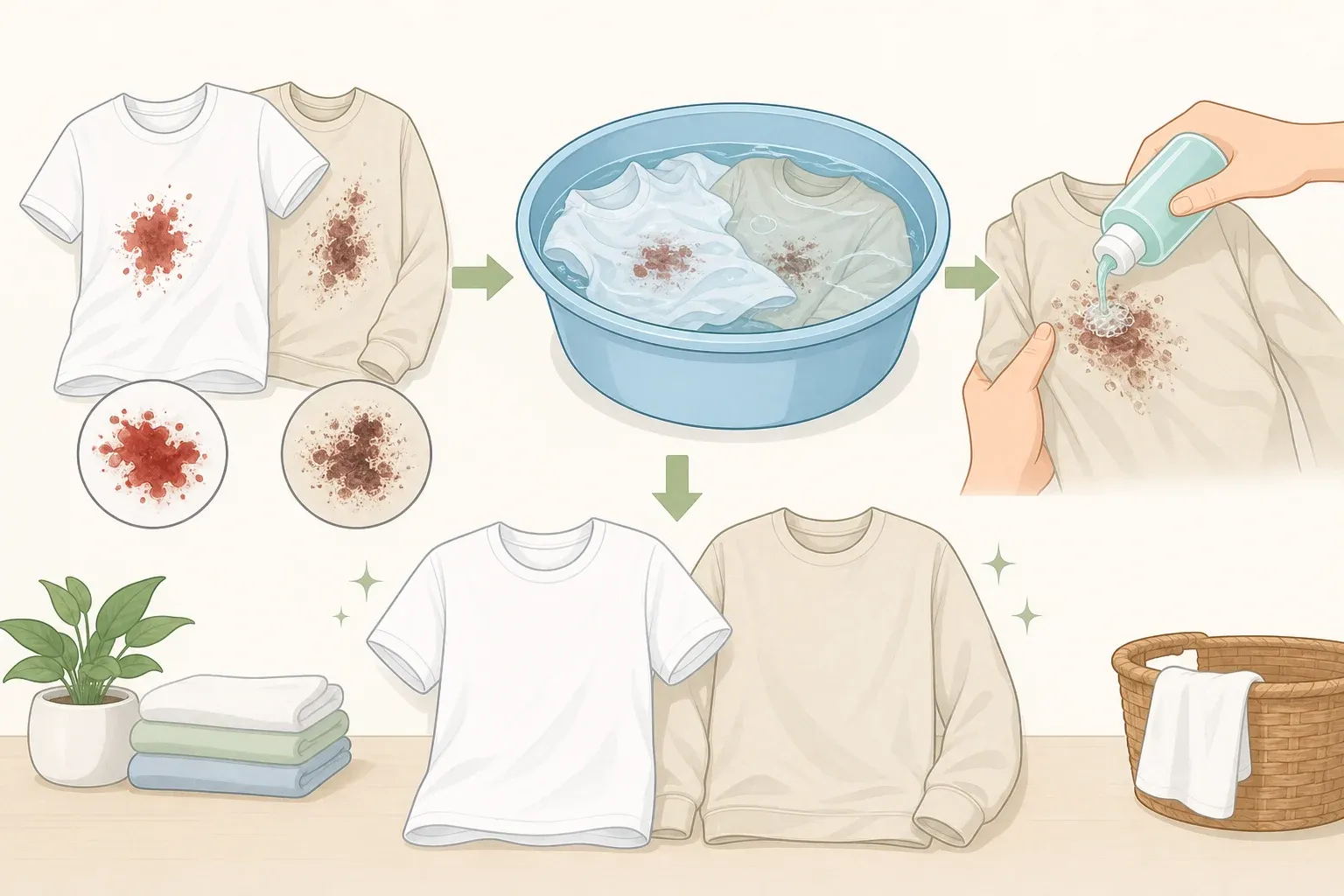
If yellowing, sweat stains, oil buildup, or mildew smell persist after a standard wash, those require targeted pre-treatment before the cycle, a topic for a separate guide. When storing clean bedding, use breathable cotton bags or open shelves. Sealed plastic traps residual moisture and produces the yellowing and stale smell it's meant to prevent.









Comments
Be the first, drop a comment!