



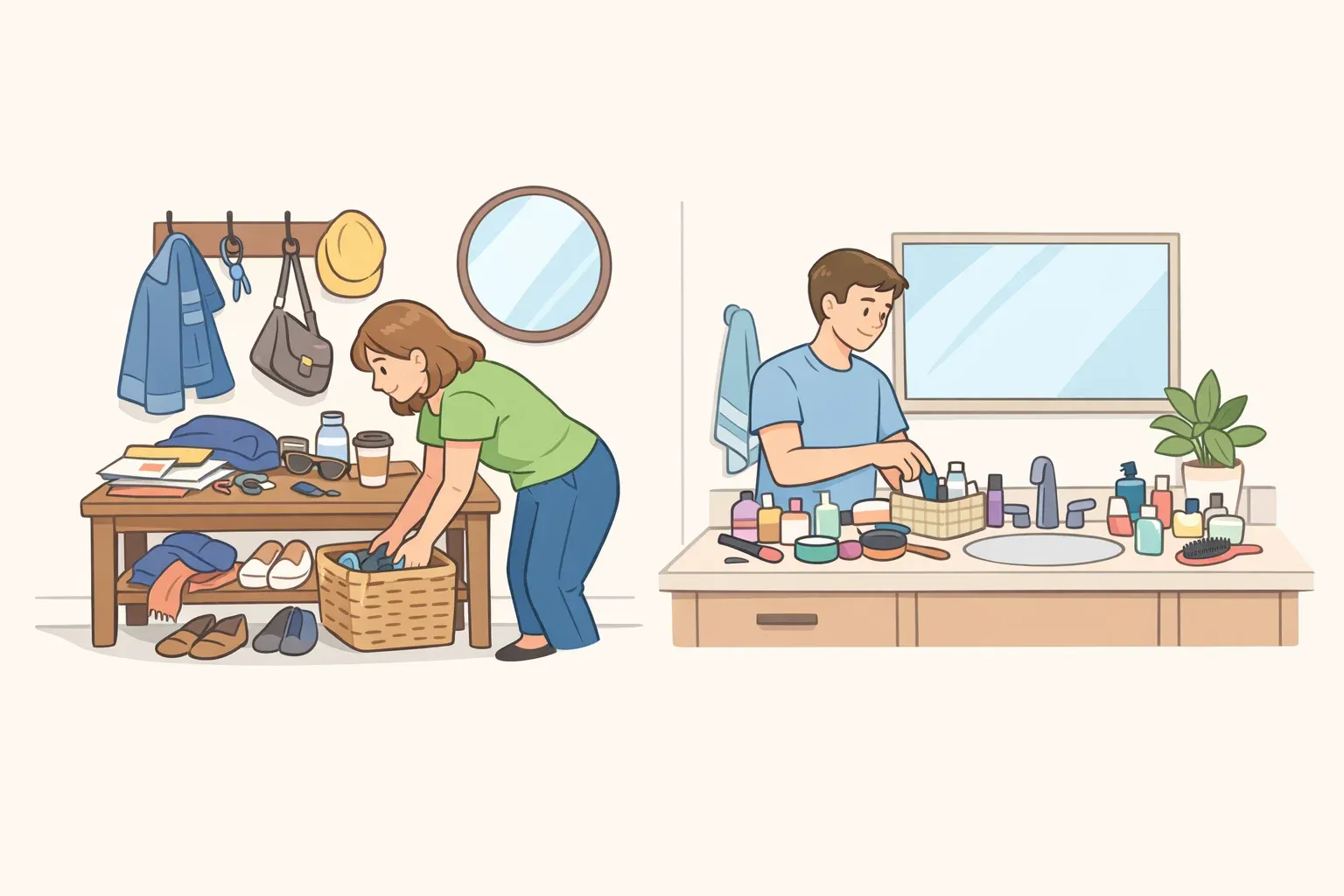
Overlooked places to declutter that experts tackle first
Most people burn their first burst of decluttering energy on a linen closet or the top shelf of a bedroom closet. Dana K. White, author of Decluttering at the Speed of Life, explains why that backfires: you exhaust yourself on an obscure corner and the home doesn't actually look or function any better. Her visibility rule is blunter than most advice in this space go to the most visible room first, the place where guests would enter, because that's where you'll see and feel the return on your effort (NHPR reported last year).
This guide covers the overlooked places to declutter that professional organizers identify as the highest-friction zones in most homes. Not storage closets the spaces used constantly. The entryway walked through twice a day. The kitchen counter that absorbs everything without a home. The bathroom cabinet opened every morning, where the products actually used sit buried behind ones abandoned months ago. Each section identifies what accumulates, why it accumulates, and gives a specific reset method tied to something already in the routine.
If you have 15 minutes right now, start here:
- Fastest visible win: entryway
- Biggest practical return on spending and health: bathroom cabinet or refrigerator
- Lowest daily friction from a small investment: nightstand or kitchen counters
How to choose where to start
Pick the zone that slows down something you do every single day. If two spaces feel equally bad, go with the one that has a habit already built around it the end of the evening, a grocery run, making the bed because a reset borrowed from an existing habit will outlast any session you have to schedule from scratch. If the choice still feels frozen, ignore both rules and pick the smallest visible surface available. Laura Kinsella of Urban OrgaNYze puts the logic plainly: "Focusing on one pain point, like a drawer or cabinet, will help you build your decluttering confidence through small, quick wins" (Good Housekeeping earlier this month).
Step 1: Most overlooked decluttering spots in daily use
The entryway, kitchen counters, and nightstand share one structural flaw: they're touched constantly, clutter builds in layers too thin to notice individually, and there's no obvious moment that signals time to reset. That invisibility is exactly why organizers go here first.
Decluttering the entryway and landing zone
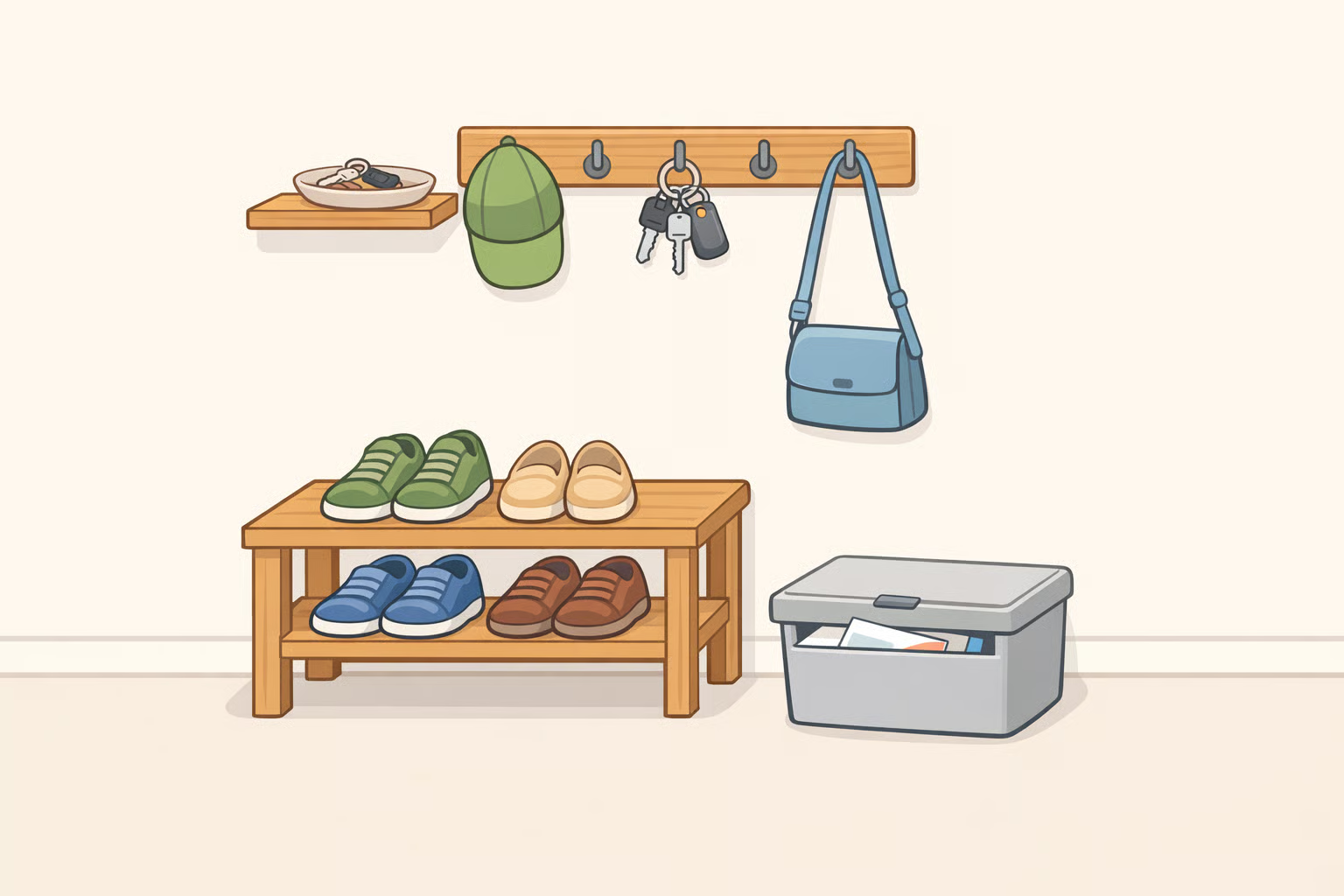
The entryway is a small space asked to do two incompatible jobs. Kenna Lee of Calm Spaces Professional Organizing draws a hard line between them: "The landing zone should be a functional drop spot, not a storage area." When those functions blur, the space stops working as either (Good Housekeeping this week).
C. Lee Cawley of Simplify You Inc. puts the cost plainly: "It's where you enter your home every day, and you don't want to open the door to a mess that makes you want to run in the opposite direction." Her rule: keep only clothing worn regularly, storing everything else elsewhere. The usual offenders are shoes not in current rotation, accumulated reusable shopping bags, unread mail, and seasonal items that never made it to seasonal storage (Good Housekeeping this week; Good Housekeeping checklist earlier this month).
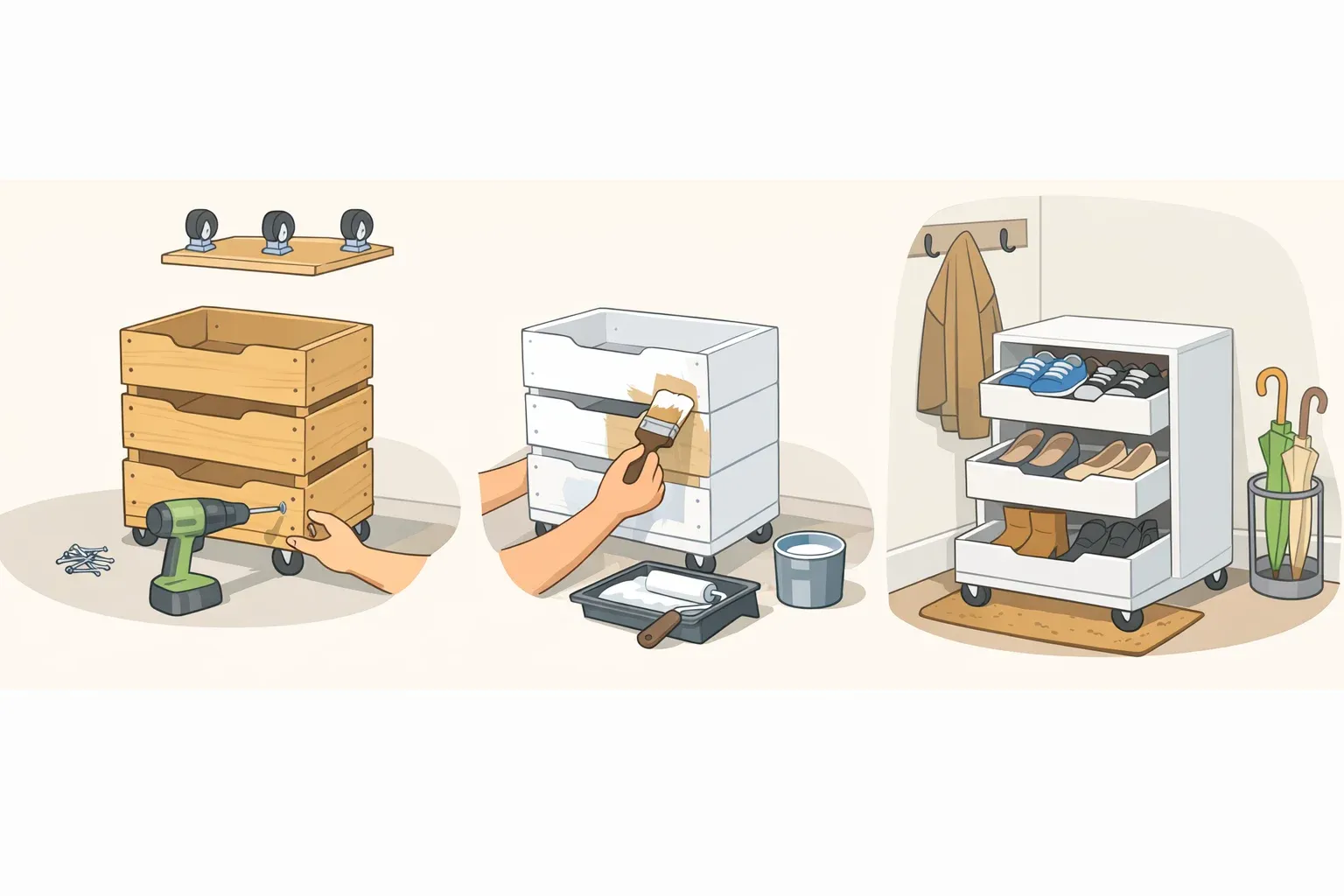
Bergman's containment setup prevents the zone from refilling: a small trash receptacle near the door to intercept junk mail before it migrates inside, wall hooks for keys and one or two daily-use items, and a single basket or rack for footwear in active rotation (The Spruce earlier this month). Paper gets one lidded bin mail, bills, receipts, school forms sorted during a fixed 30-minute weekly pass. Switching to paperless billing cuts the influx at the source.
Lee's rule on frequency: reset the landing zone at least weekly, more often in households with children, before it becomes what she calls a "dysfunctional doom pile."
Reset trigger: Every time you walk in. If it doesn't fit the defined containers, it doesn't stay.
Kitchen counters
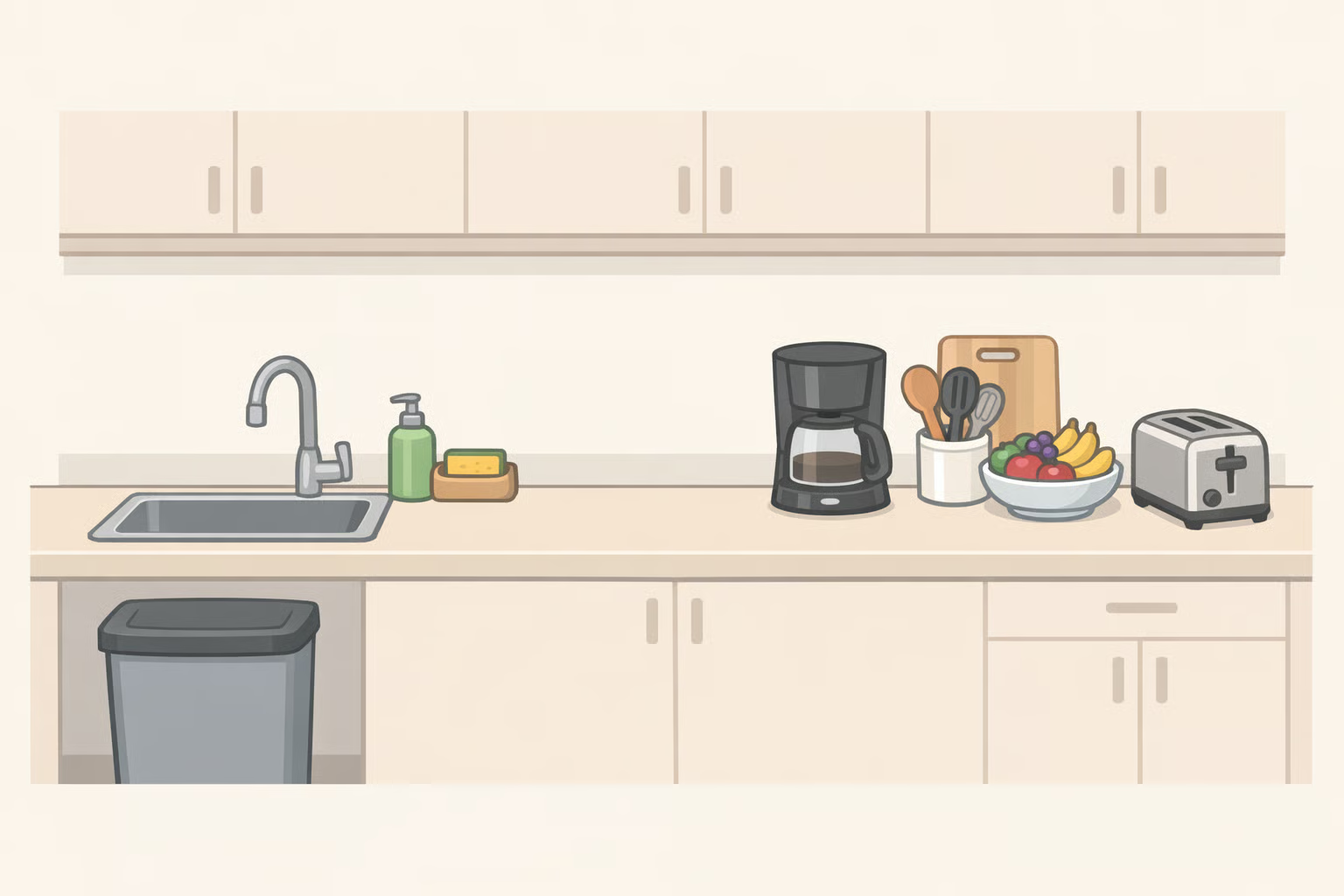
"When items don't have a clear home, they tend to end up everywhere," Bergman says a polite description of what happens to a kitchen counter after a week of normal life (The Spruce earlier this month). The usual accumulations: extra water bottles, specialty appliances used once a year (panini press, holiday waffle maker), takeout utensils from delivery orders, extra coffee mugs, plastic bags that never leave. Anything without an assigned home elsewhere either gets one or it goes (Good Housekeeping checklist earlier this month).
Bergman's fix is a 10 to 15 minute evening reset: clear surfaces, toss trash, return items to where they actually live. "Spend 10 to 15 minutes clearing counters, tossing trash, and putting items back where they belong so you're not starting from scratch the next day," she says (The Spruce earlier this month). Done consistently, the morning starts from order rather than last night's residue.
Reset trigger: End of the evening. The counter is the limit anything that doesn't live there by design has a home elsewhere, or it leaves.
Nightstand
Small spaces are deceptive. The nightstand is easy to clear in five minutes and equally easy to refill without noticing. Bergman's approach: define the surface with a small tray or bowl containing only genuine daily essentials a charging cord, one piece of jewelry if needed. The tray is the physical boundary. Anything outside it gets cleared (The Spruce earlier this month).
Cawley's recommended inventory is spare: the book currently being read, one hand cream, a glass of water, a reading light, a clock, and tissues. What organizers consistently find instead: spare eyeglasses, stray accessories, outdated magazines, gadgets without clear purpose, and medications that belong in the bathroom. "Clear all the other clutter, and I promise you will sleep better," Cawley tells clients (Good Housekeeping this week). That's practitioner observation from client work, not clinical evidence but it's consistent enough across organizers to be worth noting.
Reset trigger: When making the bed or setting an alarm. Under two minutes once the tray defines the limit.
Step 2: Hidden places to declutter in your home bathroom, refrigerator, and wardrobe
These three zones have a different problem from the high-traffic surfaces above. They're regularly replenished, which means clutter here is almost always expired, duplicated, or buried behind newer additions. One thorough initial pass plus a habit-linked maintenance step keeps all three stable.
Bathroom personal care products
Lee frames bathroom decluttering as an efficiency trade: fewer products on the shelf means faster routines, clearer access to what's actually in use, and less decision fatigue during morning rush. "Editing your personal care items regularly will keep your morning and evening routines quick and efficient," she says. The recommendation: remove anything sticky, irritating, expired, or untouched cosmetic samples that were never opened, excess packaging left after a product ran out, duplicate hair tools, old medications (Good Housekeeping this week; Good Housekeeping checklist earlier this month).
Bathroom buildup has a specific downstream cost: it drives duplicate purchases. As mattbaier.com noted earlier this year, bathroom clutter quietly leads to buying things already owned the moisturizer that couldn't be found becomes three half-used bottles of the same product. Baier's working heuristic: if it hasn't been touched in six months, it goes. Adjust for items used seasonally rather than applying the rule mechanically.
Gently used toiletries in good condition can often be donated. Old medications require proper disposal pharmacy take-back programs are the right first stop, not the trash or the sink.
Reset trigger: Each time a product is finished and discarded, check what's beside it.
Refrigerator
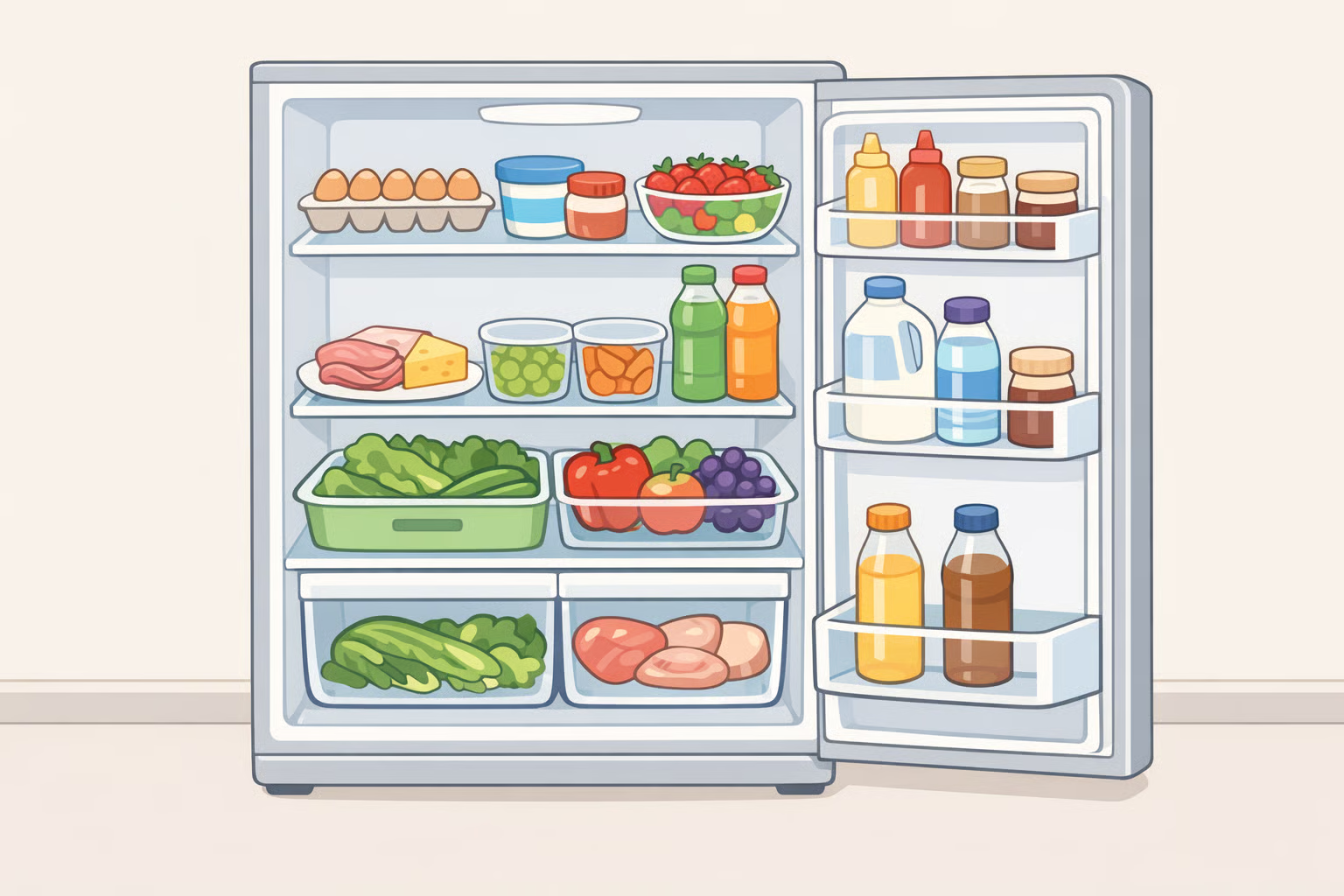
Lee's visibility test: if every item in the refrigerator can't be identified within seconds of opening the door, it needs attention. "Start with a full declutter and deep clean, then commit to mini-declutters every time you grocery shop to keep things under control," she says. Pull anything expired, reposition what remains, then load new food (Good Housekeeping this week).
"Decluttering your refrigerator regularly can benefit your health and your wallet," Lee says. Committing to that brief scan before each grocery run makes it much harder to buy what's already on the shelf. The same pass extends naturally to the pantry expired foods and spices, forgotten freezer items, and duplicate dry goods all belong on the same sweep (Good Housekeeping checklist earlier this month).
Reset trigger: Every grocery run. Scan and remove before anything new goes in.
Wardrobe
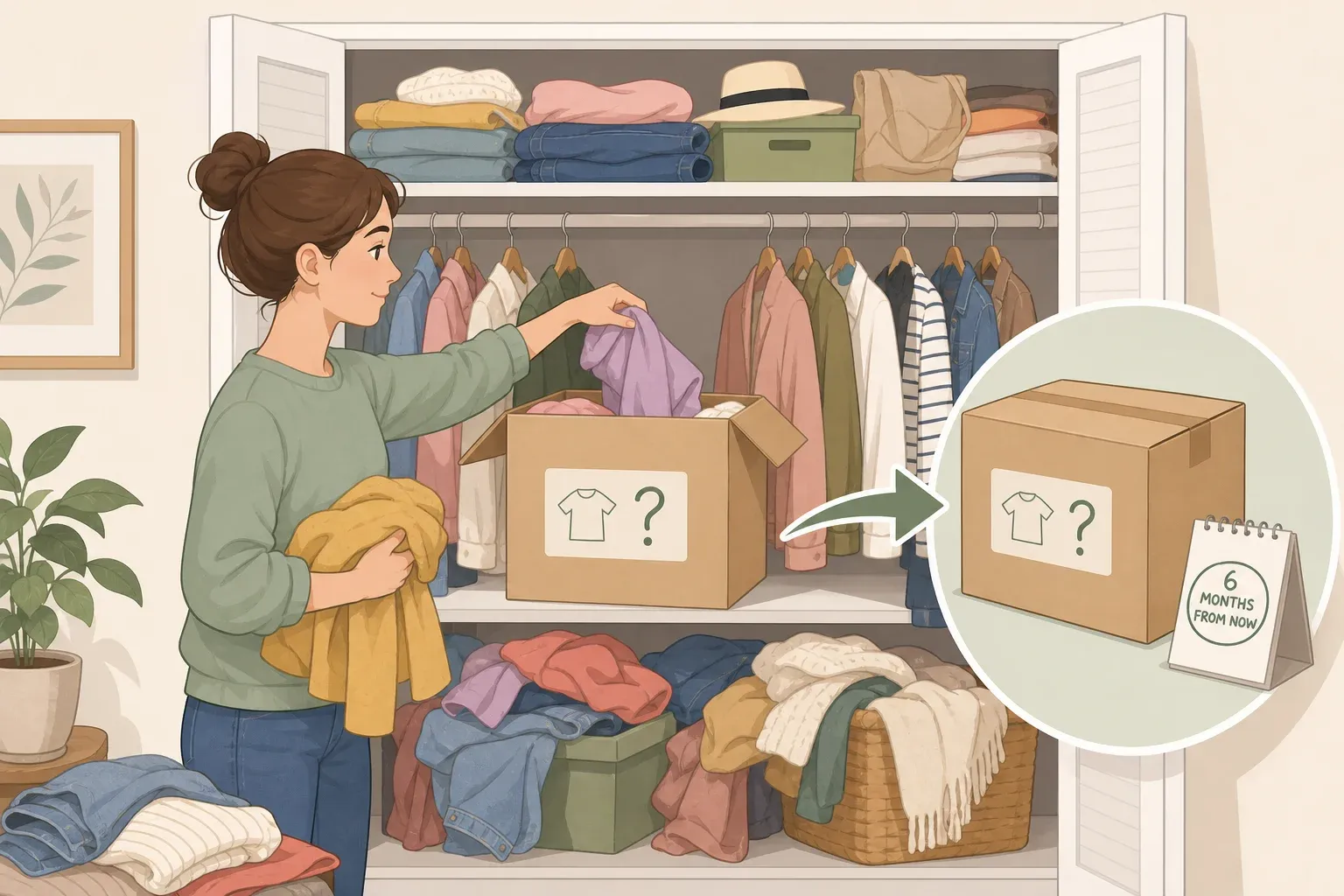
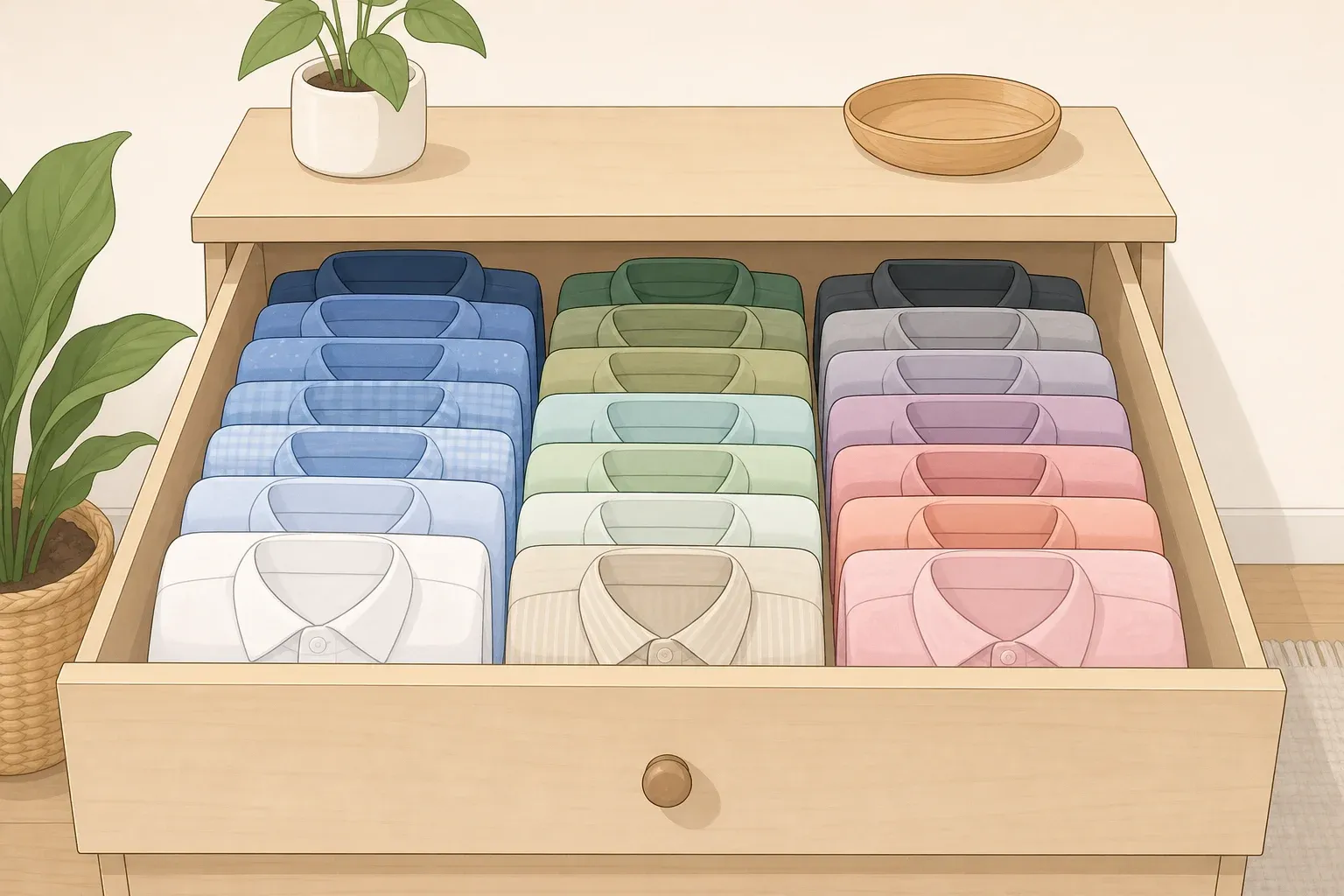
Lee's wardrobe method is designed to avoid the all-day overhaul entirely. "The easiest approach is to declutter as you go," she says. Keep a donation bag or bin inside the closet at all times when something no longer fits, keeps getting skipped, or stops working, it goes directly into the bag (Good Housekeeping this week).
The quick scan targets: clothing that doesn't fit, uncomfortable shoes kept out of vague obligation, accessories untouched for a year, mismatched hangers that signal disorganized sections, and worn or damaged items (Good Housekeeping checklist earlier this month).
Reset trigger: Each time something unworn gets returned to the closet. The bag is always open. When it's full, it leaves.
Step 3: Underrated quick wins laundry room and car
These two spaces get skipped because they feel peripheral. Organizers name them repeatedly because the clutter is predictable, the reset is fast, and the friction they generate is out of proportion to the time required to fix it.
Laundry room
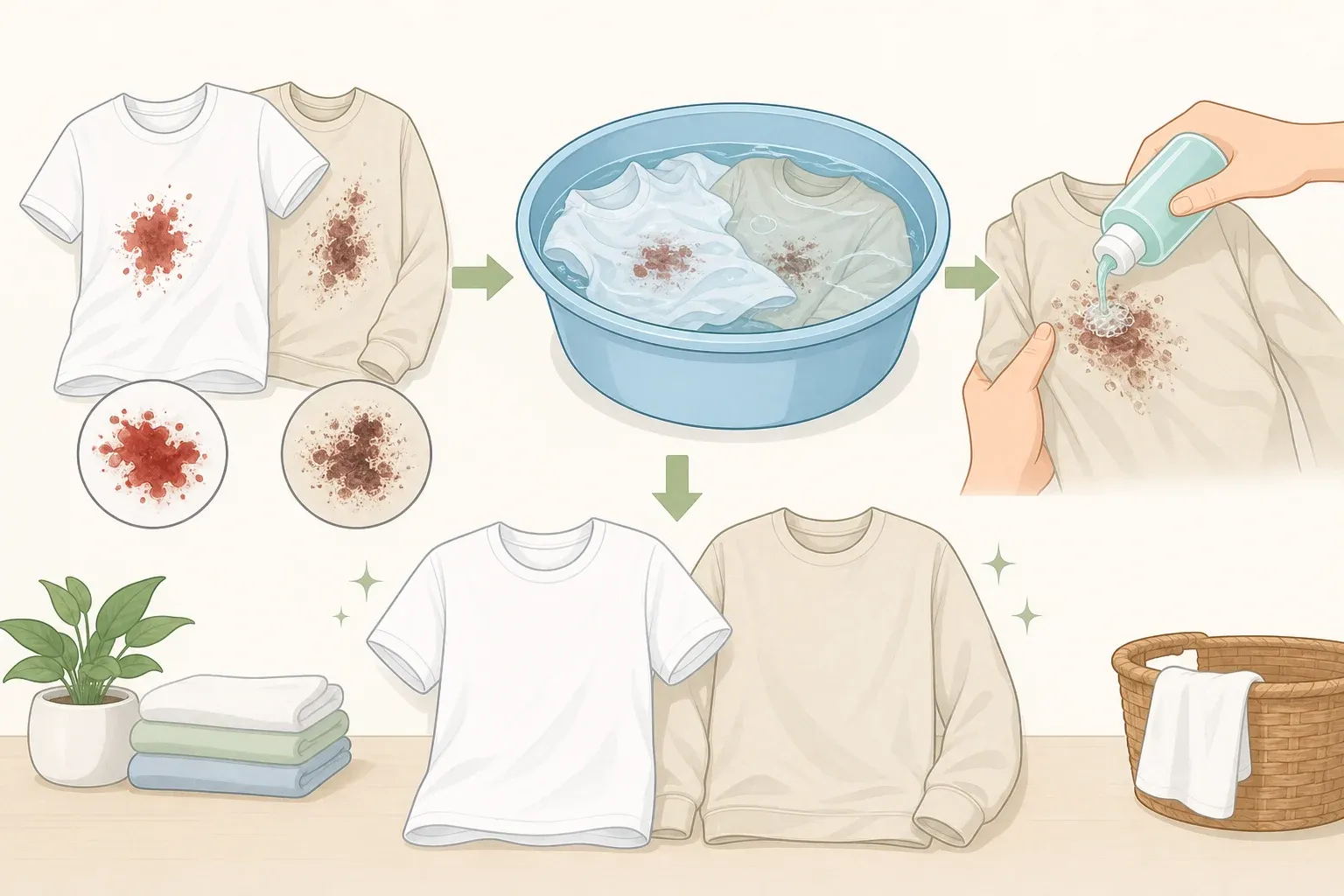
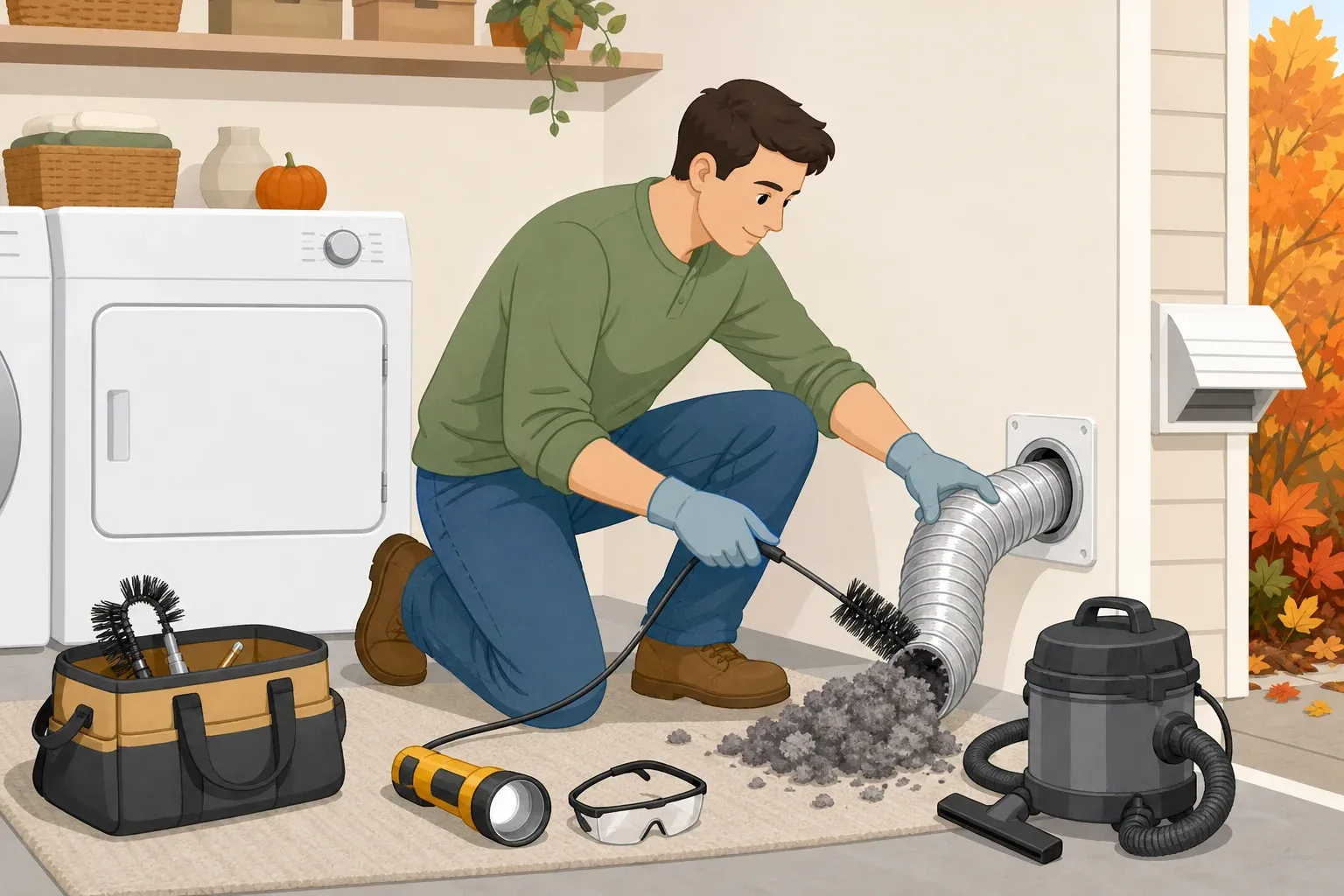
Cawley calls this a quick win because the clutter is both predictable and small-scale. The most visible: dryer lint and empty detergent containers. Filling in around them: orphaned socks, excess dryer sheets, leftover stain treatments, and supplies with no fixed spot. "Get rid of the dryer lint and empty detergent bottles. Create a dedicated spot for the orphaned socks, stain treatments, dryer sheets, laundry pods, and lingerie bags," she says. Assigning every supply a dedicated place removes the friction that makes an already uninspiring chore feel worse than it needs to (Good Housekeeping this week).
One thing worth checking: expired laundry products accumulate here the same way bathroom products do. The Good Housekeeping checklist (earlier this month) flags expired detergent, fabric softener, and stain removers as standard laundry room clutter targets products occupying space that a working replacement could use.
Reset trigger: Every time a load starts. Thirty seconds to clear lint and return anything out of place.
Car
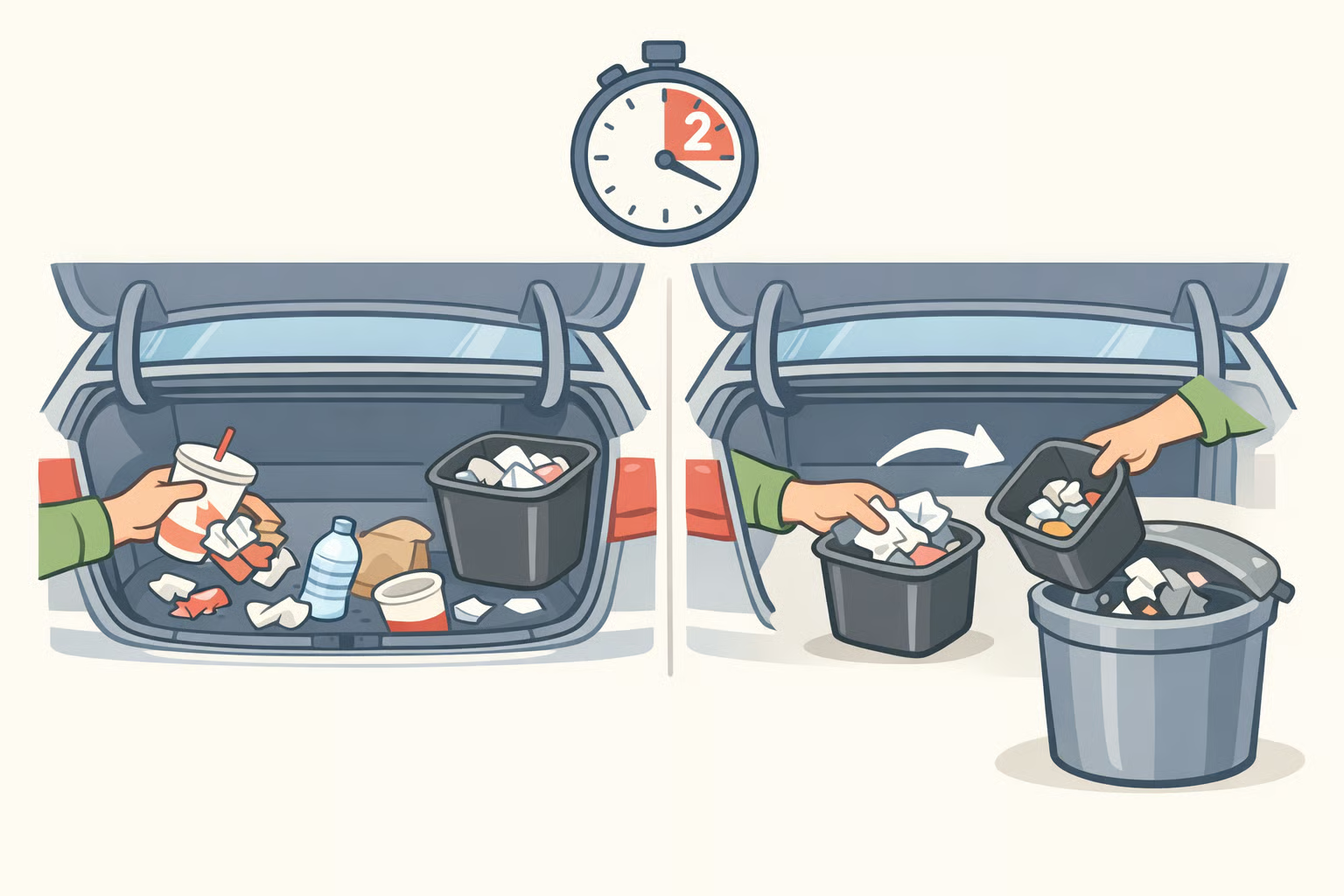
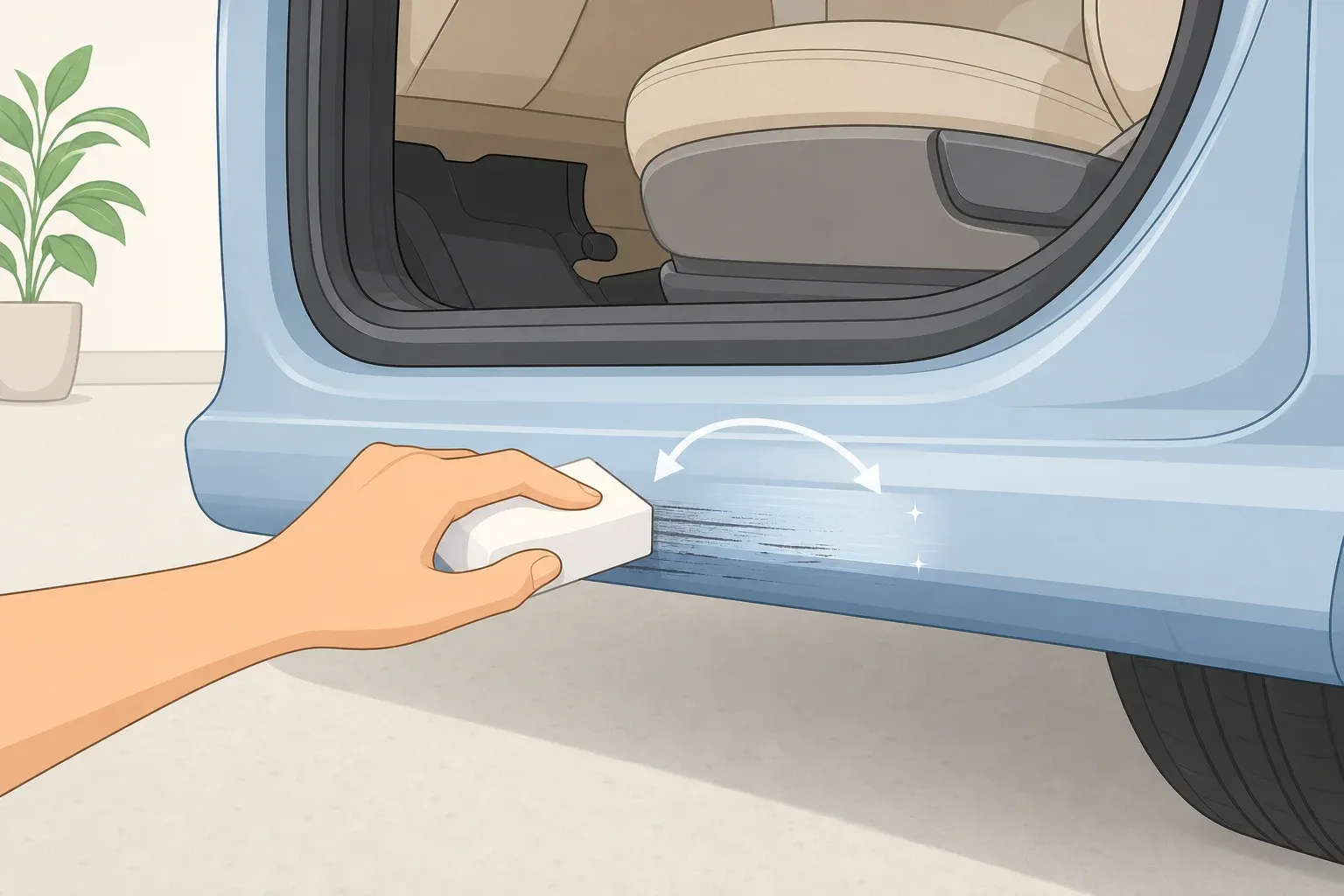
The car counts as part of the home environment, and it's a space where organization consistently falters (mattbaier.com earlier this year). Cawley adds the practical context: "It's worth taking the time to think about decluttering your car, as it's often a second home for people who commute long distances or spend time doing kid carpooling." The problem isn't the mess itself it's that the car has no built-in moment that prompts a reset (Good Housekeeping this week).
Cawley's method is deliberately minimal: every gas stop, two minutes to clear all trash. One small dedicated bin in the trunk handles accumulation between fill-ups when it's full, it gets emptied.
Reset trigger: Every gas stop, two minutes. Nothing else required.
The four-step checklist that works for any zone
Every zone above has the same underlying structure: no defined limit, no attached reset moment, gradual accumulation that becomes invisible. The room-by-room detail matters because the triggers and clutter types differ but the fix is consistent.
Lee puts the obstacle plainly: "Keeping up with spots that need regular decluttering doesn't have to be challenging or time-consuming." Drift happens from the absence of a specific prompt, not lack of effort (Good Housekeeping this week). Kinsella adds a useful counterweight to ambition: start with a single drawer or surface, set a 10 to 15 minute timer, and treat finishing something small as the goal. "Decluttering is contagious as you build momentum, tackling larger projects becomes easier" (Good Housekeeping checklist earlier this month).
One diagnostic trick from Bergman, useful when a space feels off but looks roughly acceptable: photograph it and look at the image from a few steps back. "You'll often spot clutter you didn't see before," she says. The camera strips away the familiarity that makes accumulation invisible (The Spruce earlier this month).
Apply this to any zone in this guide or any zone not yet covered:
- Remove obvious trash first. Don't sort yet. Just clear what's clearly done.
- Keep only daily-use items out. Used less than once a week means it either has a storage home or it leaves.
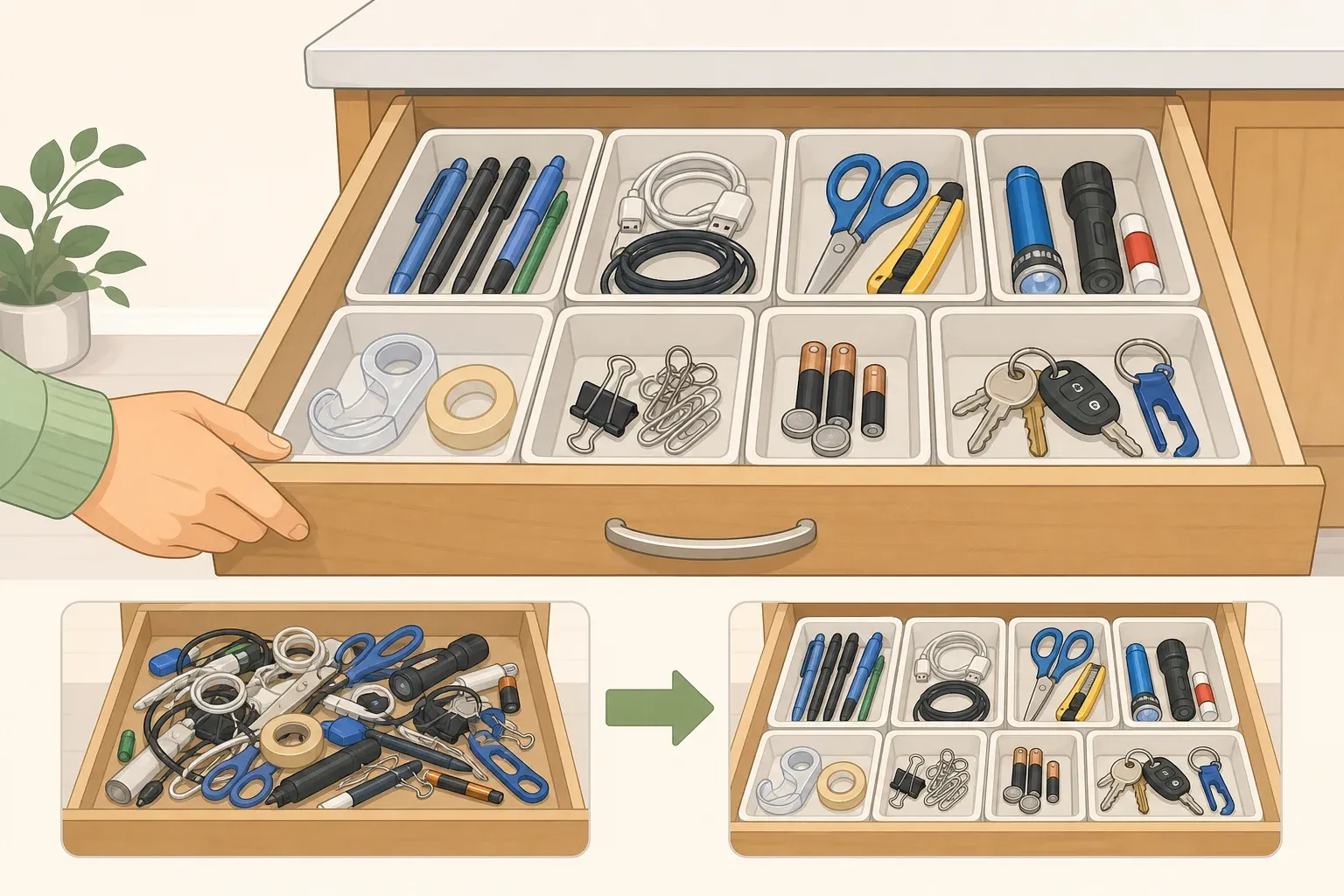
- Assign one container as the physical limit. A tray, a bin, a basket. Whatever fits in it stays. What doesn't fit gets moved or removed.
- Attach the reset to something already happening. A grocery run, a gas stop, making the bed. The trigger doesn't need to be scheduled it needs to be borrowed from a habit that already exists.
Once the daily-use zones here are stable, the lower-visibility spaces linen closets, under-bed storage, worn sheets and unpaired socks become the natural next pass. Less daily friction, same four steps.


Comments
Be the first, drop a comment!