




Stop Window Streaks Forever: The Professional Method That Actually Works
Difficulty: Novice
Time: 30 minutes
Cost: ~$5
Streaky windows can make even the cleanest home look neglected. You've probably tried every commercial cleaner on the shelf, only to end up with more streaks than when you started. The frustration is real—but the solution is surprisingly simple.
Professional cleaners don't rely on expensive products or secret techniques. Instead, they follow a systematic approach that controls every variable, from solution chemistry to environmental conditions. This method transforms window cleaning from unpredictable guesswork into a reliable system that works every single time.
Here's what separates professionals from homeowners: they understand that streak-free windows result from controlling the evaporation rate of your cleaning solution while preventing mineral deposits from forming as water dries. Commercial window cleaners typically cost between $5 and $15 per bottle, but this professional system uses household ingredients for a fraction of the price while delivering superior results.
The secret lies in your cleaning solution chemistry
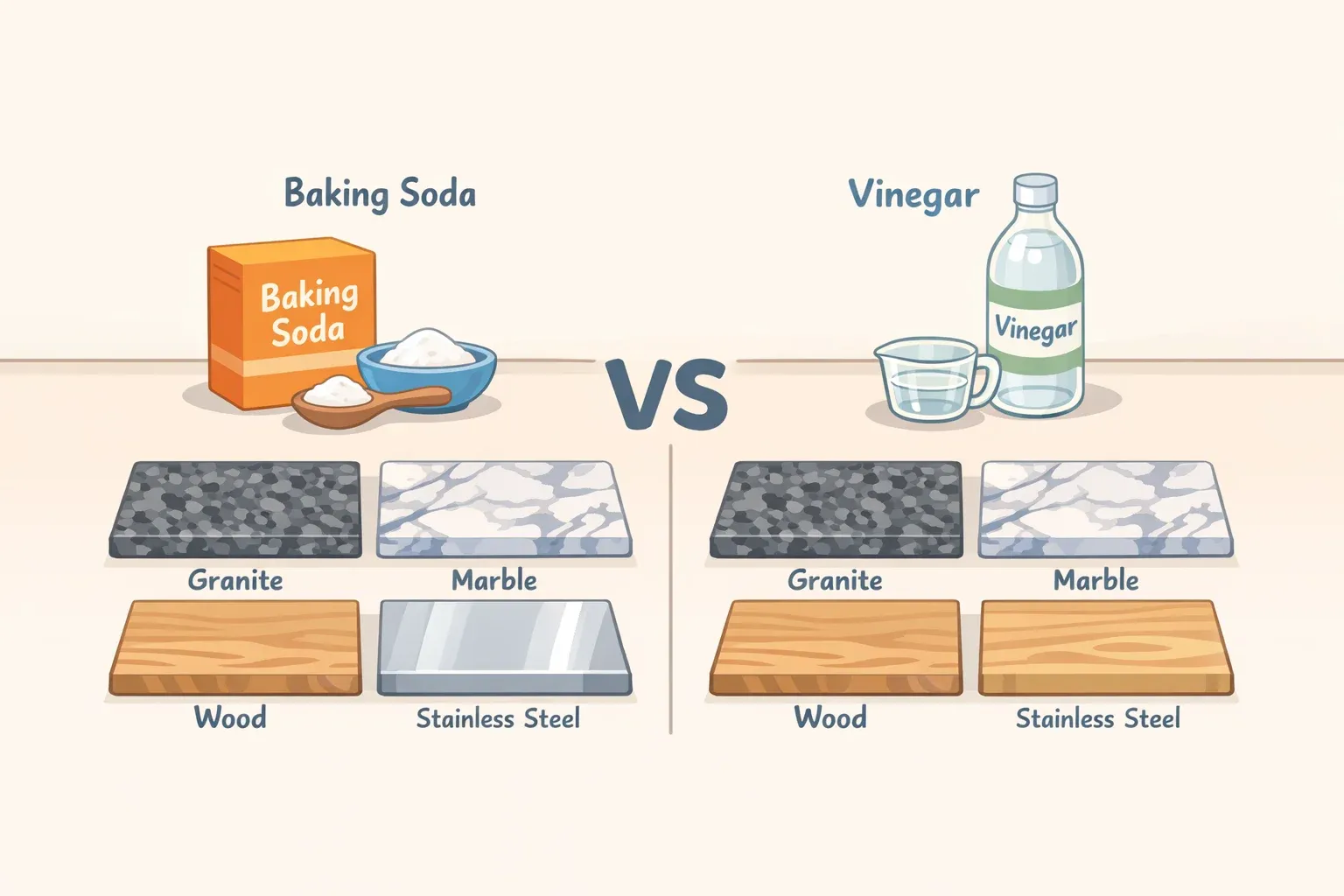
Most streak problems start with the wrong cleaning mixture fighting against mineral-rich tap water. A simple combination of one part white vinegar with 10 parts warm water creates an effective cleaning solution that cuts through grime without leaving residue. Here's the science: The acidity in vinegar allows minerals from hard water to be washed away completely, according to the U.S. Geological Survey.
Unlike commercial cleaners loaded with surfactants and additives that can leave films behind, this vinegar solution evaporates cleanly. White distilled vinegar effectively removes mineral deposits that cause those cloudy spots and streaky films that frustrate homeowners.
For windows with cooking grease or fingerprints, add just 2-3 drops of liquid dish soap to your vinegar solution. Liquid dish soap works excellently in DIY window cleaners because it breaks down oils effectively. However, restraint is crucial—excess soap creates the very streaks you're trying to eliminate.
Why it works: Vinegar's acidity dissolves mineral buildup while evaporating cleanly, leaving no residue behind.
Timing controls your success rate
Here's where most people sabotage their efforts: they choose sunny days for cleaning. Working in direct sunlight causes cleaning solutions to dry too quickly, leading to streaks. Professional cleaners know this and plan accordingly.
An overcast day provides the best conditions for window cleaning, allowing your cleaning solution time to dissolve grime before evaporating. Cloudy weather allows windows to dry gradually, preventing streak formation.
This timing principle connects directly to your solution chemistry. Fast evaporation prevents the vinegar from fully dissolving mineral deposits, while controlled drying gives acids time to work completely. Working on one window at a time prevents solution from drying and creating streaks—another professional timing strategy.
Tip: If you must clean on a sunny day, work in the shade and move quickly from application to drying.
Professional-grade tools create the system
Your tool selection determines whether your perfect solution and timing deliver professional results. Coffee filters make surprisingly effective cleaning tools for glass because they're lint-free, non-abrasive, and don't leave streaks. This isn't just a quirky hack—coffee filters work because they complement the vinegar solution's chemistry without introducing fibers or lint that could streak.
For best results, lightly mist the surface rather than the filter, use two filters at once, and buff dry for a streak-free finish. This technique works with your timing strategy by controlling moisture application.
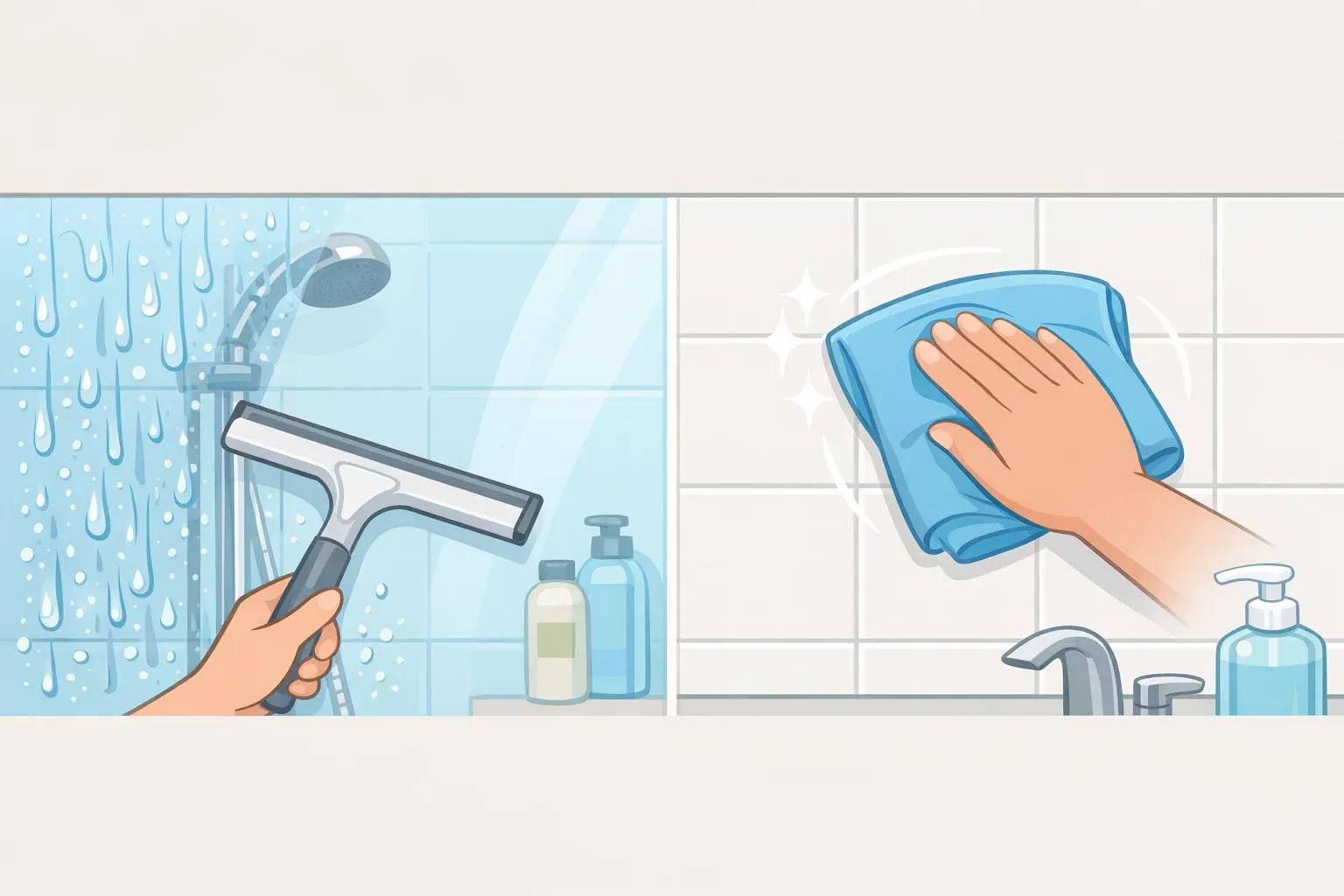
For larger windows, a good squeegee removes cleaning solution evenly without leaving streaks or smudges. A 10 to 12-inch size works best for most home windows, while wiping the squeegee blade with a clean cloth after every pass prevents transferring dissolved grime back onto clean glass.
Microfiber cloths are super absorbent, washable, and leave glass shiny and streak-free because they trap particles instead of smearing them around.
Safety note: Never use paper towels on windows—they leave lint and can scratch the glass surface.
Water quality amplifies your solution effectiveness
Professional window cleaners understand that tap water often leaves streaks due to minerals like calcium and magnesium that remain after evaporation. These aren't dirt spots—they're mineral deposits that make your vinegar solution work overtime.
Using distilled water in your cleaning mixture eliminates hard water mineral deposits and stubborn spots. This enhancement works synergistically with vinegar's mineral-dissolving properties. Instead of your acidic solution fighting to dissolve existing minerals while preventing new ones, it focuses entirely on cleaning effectiveness.
A simple mixture of distilled water and white vinegar often provides all you need for a flawless finish. The cost difference is minimal—distilled water typically costs under $2 per gallon—but the results are dramatically improved, especially in hard-water regions.
This water quality upgrade also enhances your timing strategy. Clean distilled water evaporates without leaving mineral films, giving you more flexibility in weather conditions and application timing.
What You'll Need
Materials
- White distilled vinegar (1 cup)
- Warm distilled water (10 cups) or tap water if you have soft water
- Liquid dish soap (2-3 drops, only if needed for grease)
Tools
- Spray bottle
- Coffee filters or lint-free microfiber cloths (2-3 pieces)
- Squeegee (10-12 inches for larger windows)
- Clean bucket
- Sponge or scrub pad for frames
Safety First
- Work from a stable ladder when cleaning high windows—never overreach
- Avoid cleaning on windy days to prevent falls
- Never mix bleach with vinegar or ammonia—this creates toxic gases
- Use non-slip shoes when working on wet surfaces
- Keep cleaning solutions away from children and pets
Steps
-
Mix your professional solution by combining 1 part white vinegar with 10 parts warm distilled water in a spray bottle. Add 2-3 drops of dish soap only if dealing with cooking grease or heavy fingerprints.
- Tip: Label your spray bottle—this solution stores safely for up to 6 months.
-
Prepare your workspace systematically by removing screens and laying out all tools within easy reach. Clean window frames first using a damp microfiber cloth to prevent dirt from dripping onto freshly cleaned glass.
- Why this matters: Professional results require preventing contamination throughout the process.
-
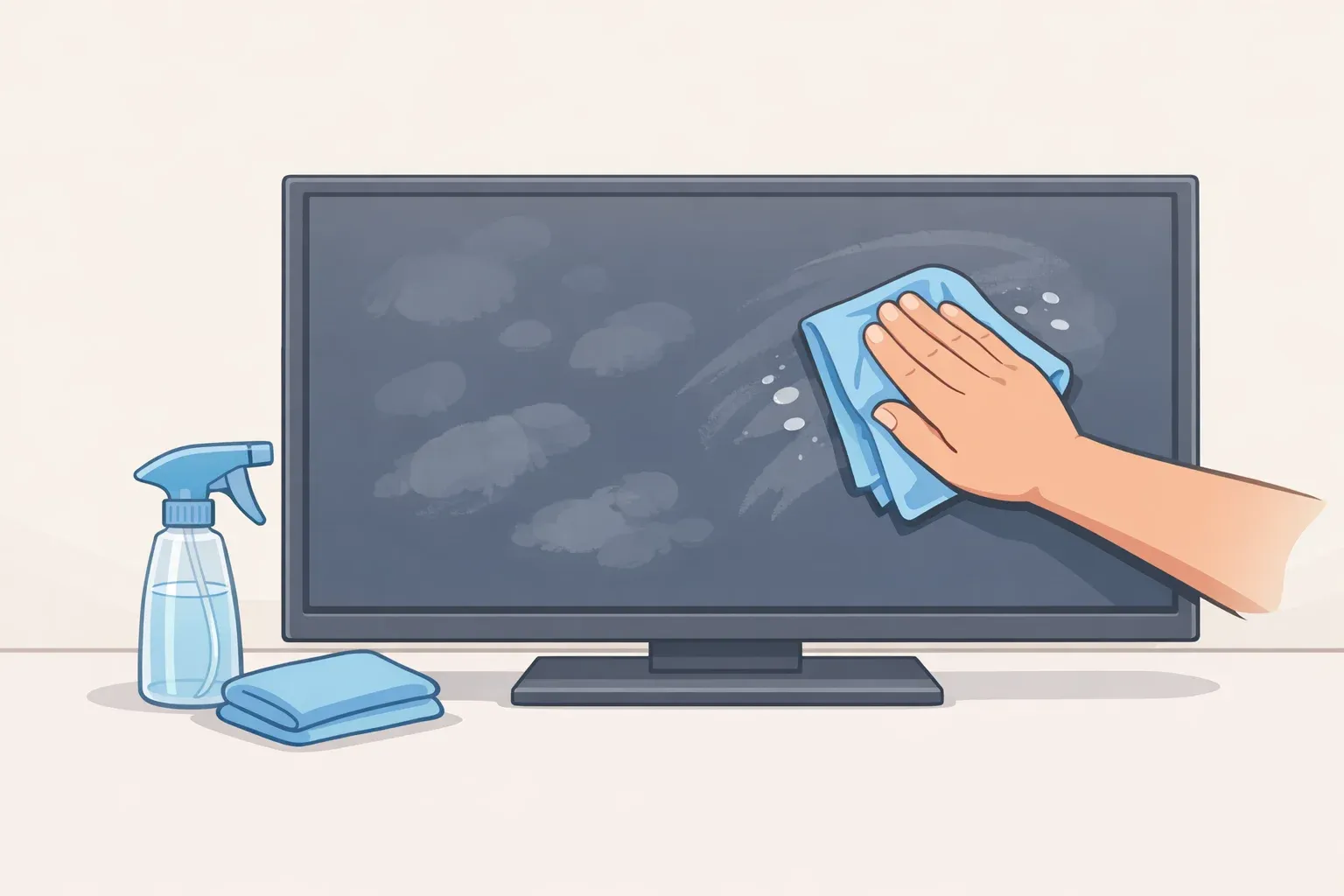
Apply solution strategically using a microfiber cloth in a zigzag motion while spraying solution on the cloth instead of directly on glass. This prevents drips and ensures even coverage without waste.
-
Work your squeegee with purpose starting from the top corner. To minimize streaks, use vertical strokes on one side and horizontal strokes on the other—this helps you identify which side any remaining streaks are on.
- Critical technique: Wipe the squeegee blade after each pass to prevent streaking.
-
Execute the professional finish using coffee filters or a clean microfiber cloth to immediately catch any remaining moisture. Work in circular motions, focusing on edges where water tends to collect.
-
Final polish for perfection with a second dry microfiber cloth for a polished finish that eliminates any lingering streaks and creates that crystal-clear professional shine.
Cleanup & Disposal
Store leftover cleaning solution in a labeled spray bottle for up to 6 months. Rinse coffee filters and microfiber cloths thoroughly with clean water before air drying. Distilled water can be stored indefinitely in a cool, dry place. Dispose of dirty rinse water down any drain—vinegar solutions are completely environmentally safe.
Troubleshooting
Problem: Streaks still appear after following technique → Fix: Switch to distilled water and reduce soap amount to 1-2 drops
Problem: Solution dries too quickly → Fix: Work in shade, choose overcast day, or work in smaller sections
Problem: Stubborn spots remain → Fix: Spot-clean them with undiluted vinegar and let sit for 2-3 minutes before wiping
Variations & Upgrades
- Budget option: Use crumpled newspaper instead of coffee filters (ensure no colored ink that could transfer)
- Hard water upgrade: Use only distilled water throughout your mixture for maximum streak prevention
- Professional maintenance: Regular window cleaning twice a year—once in spring and again in fall—keeps windows looking clear and prevents dirt buildup
Perfect results every time
This professional system transforms window cleaning from frustrating trial-and-error into predictable success. Homemade window cleaners can be just as effective as store-bought versions when used with proper cleaning and drying techniques—but only when you control solution chemistry, timing, tools, and water quality as an integrated system.
The beauty of mastering this method lies not just in immediate results, but in building confidence through understanding. You'll know exactly why each step works and how to adapt the system to your specific windows, weather conditions, and water quality. That's the difference between following instructions and developing genuine expertise.
With this professional approach, you'll achieve streak-free windows that rival any commercial service while spending a fraction of the cost. More importantly, you'll have gained a reliable skill that keeps your home looking its absolute best year-round.



Comments
Be the first, drop a comment!